Manufacturer News · Samsung
Samsung Intelligent Eyewear Will Work With iPhones, Defying Walled-Garden Strategy
Samsung's upcoming AI smart glasses will not be locked to Galaxy phones. iOS compatibility ensures iPhone users can wear the hardware from day one.
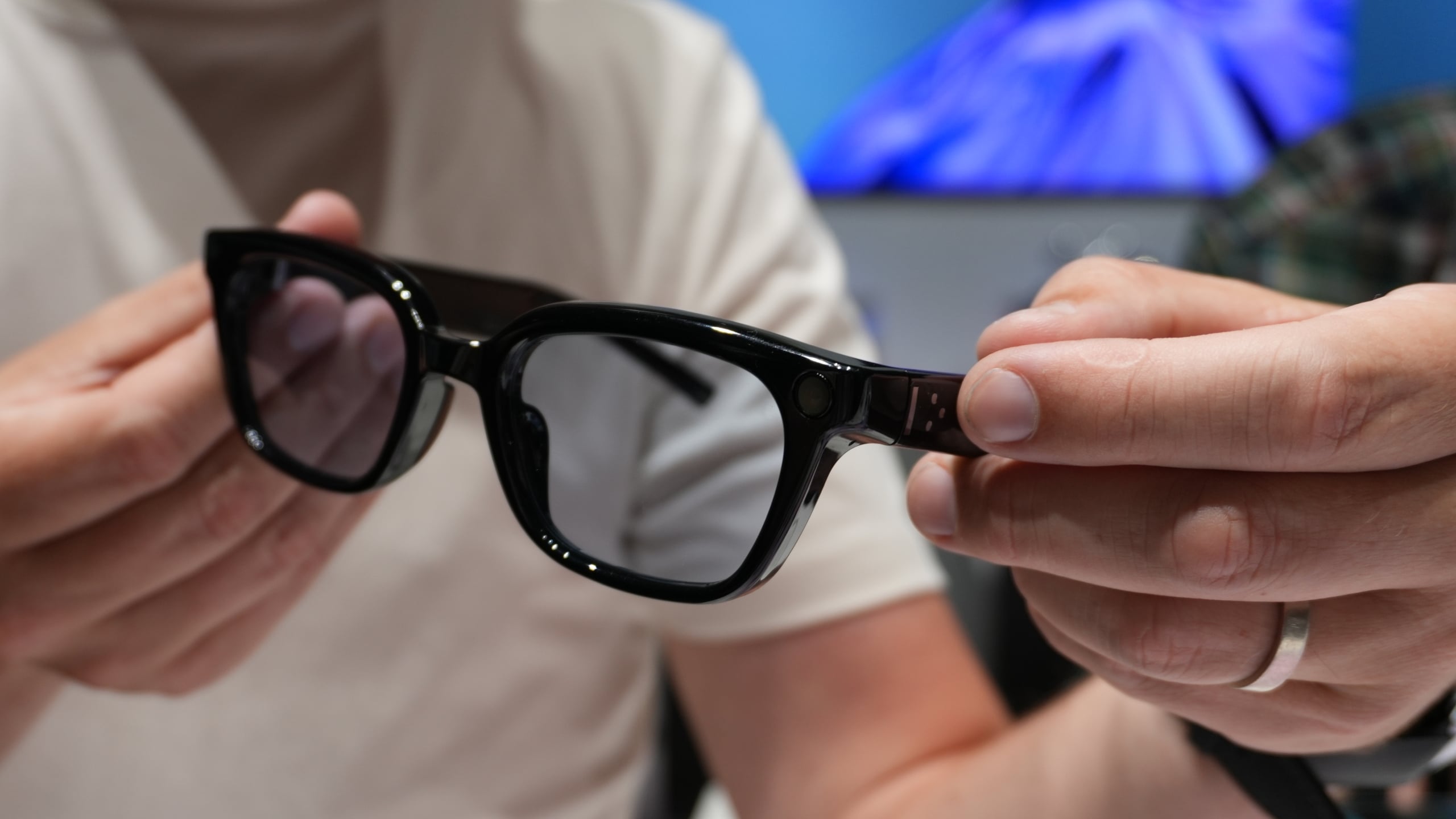
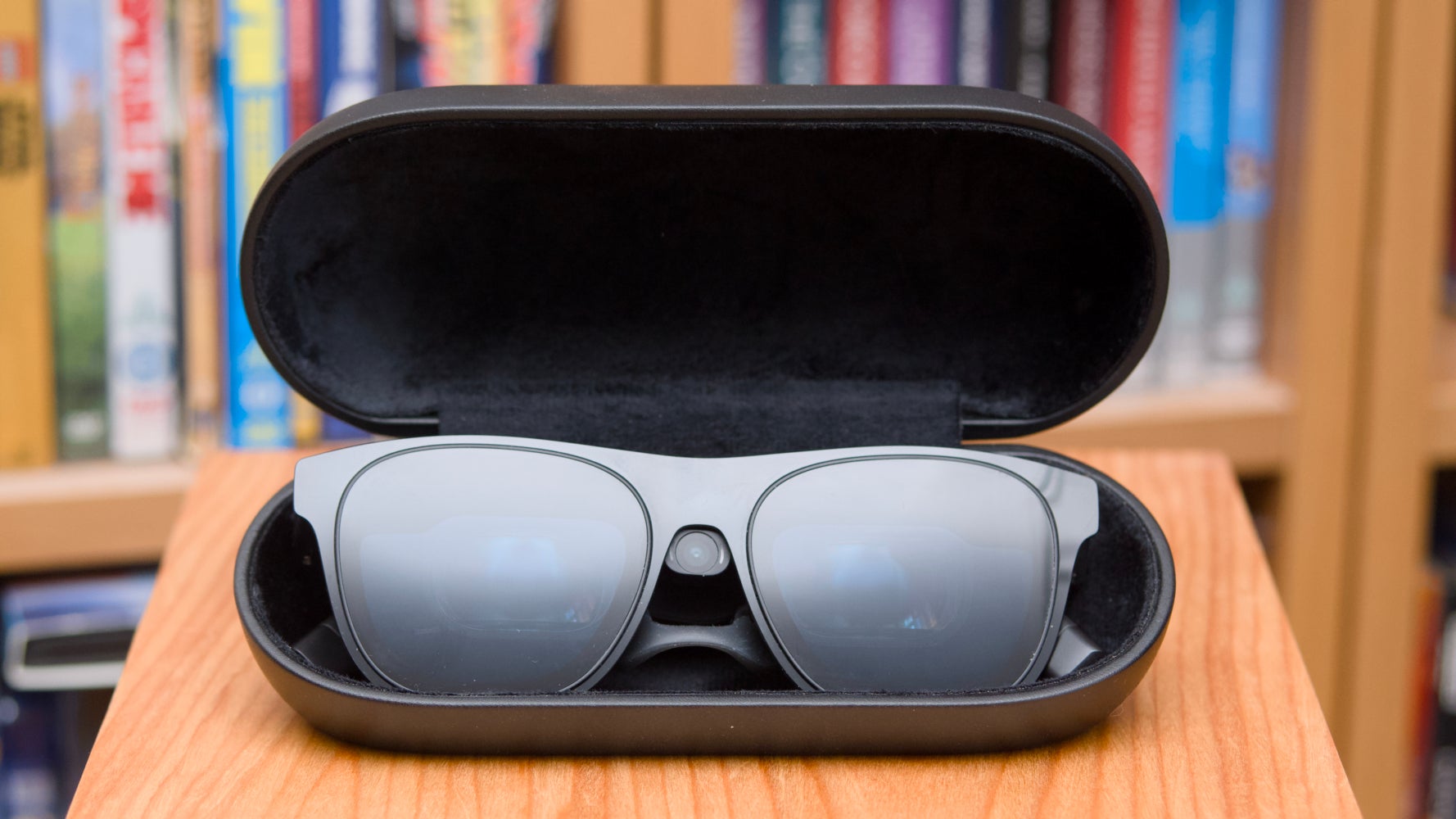
On November 12, 2026, reports confirmed that Samsung's upcoming smart glasses, officially dubbed Intelligent Eyewear, will offer broad compatibility with Apple iPhones. As sammobile.com reports, Samsung has opted not to restrict its next-generation head-worn hardware exclusively to the Galaxy ecosystem, ensuring that iOS owners can pair and operate the frames alongside an iPhone right out of the box.
Details surrounding Samsung's push into smart eyewear have accelerated over recent months, particularly following joint initiatives with Google and Qualcomm to anchor an open Android XR ecosystem. While Samsung has historically walled off certain flagship accessories, most notably recent generations of the Galaxy Watch that dropped iOS support entirely, the economics of AI glasses demand a radically different commercial playbook. According to sammobile.com, iPhone users should not overlook the new hardware, as multi-platform utility sits at the core of Samsung's distribution plans.
Delivering iOS compatibility will require a dedicated companion utility distributed via Apple's App Store. Much like companion apps for high-end audio gear, the software will handle Bluetooth management, firmware distribution, image and video offloading, and user configuration for the onboard sensors. While native system integration will inevitably feel tighter on Samsung One UI handsets, enabling audio playback, microphone access, and camera syncing across iOS gives Samsung immediate access to the industry's most lucrative consumer segment.
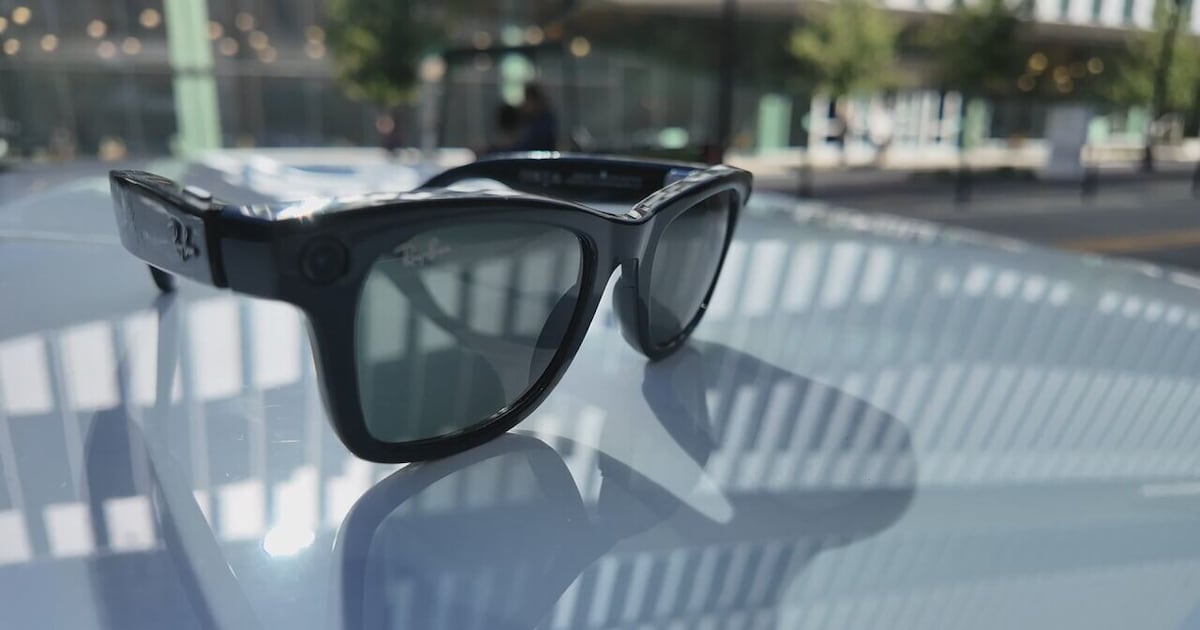
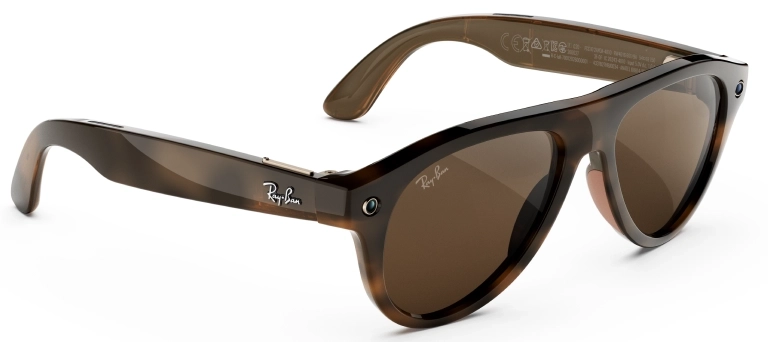
What this means: Samsung clearly recognizes that smart glasses cannot achieve mass-market scale in North America or Western Europe if they ignore the iOS user base. Meta demonstrated that ecosystem agnosticism is mandatory for lifestyle hardware; the Ray-Ban Meta smart glasses achieved widespread traction precisely because they worked seamlessly regardless of whether the buyer carried an iPhone or an Android handset. By refusing to turn Intelligent Eyewear into a Galaxy-exclusive peripheral, Samsung avoids the strategic handicap that limited the early adoption of modern Wear OS smartwatches.
How it compares: The competitive stakes in ambient computing are escalating rapidly. Meta remains the clear volume leader in daily-wear smart glasses, and Snap continues to refine its developer AR roadmaps. If Samsung had restricted its smart glasses to Galaxy hardware, it would have voluntarily surrendered more than half of the premium consumer market in the United States. However, iPhone owners should still brace for functional trade-offs. Apple strictly walls off background processing, low-level Bluetooth handoffs, and default assistant selection on iOS, meaning deep Google Gemini or Galaxy AI multi-modal integrations will almost certainly function more reliably on native Android devices.
We have been tracking Samsung's wearable roadmap closely, and this cross-platform stance indicates a pragmatic strategy focused on hardware unit sales rather than aggressive platform lock-in. Eyewear is personal, visible, and tied to individual style; consumers will rarely replace their smartphone operating system simply to wear a specific pair of tech frames. By welcoming the iPhone crowd from day one, Samsung ensures its Intelligent Eyewear has a legitimate fighting chance against entrenched rivals.
Interactive guide: prices, displays, cameras, battery.
Share this story