Manufacturer News · Rokid
Rokid Glasses 2 Arrives in China With On-Device AI and Dual-Chip Architecture
Rokid begins shipping its flagship smart glasses in China, pairing Qualcomm's Snapdragon AR1+ Gen 1 with a dedicated audio coprocessor ahead of a planned global rollout at CES 2027.
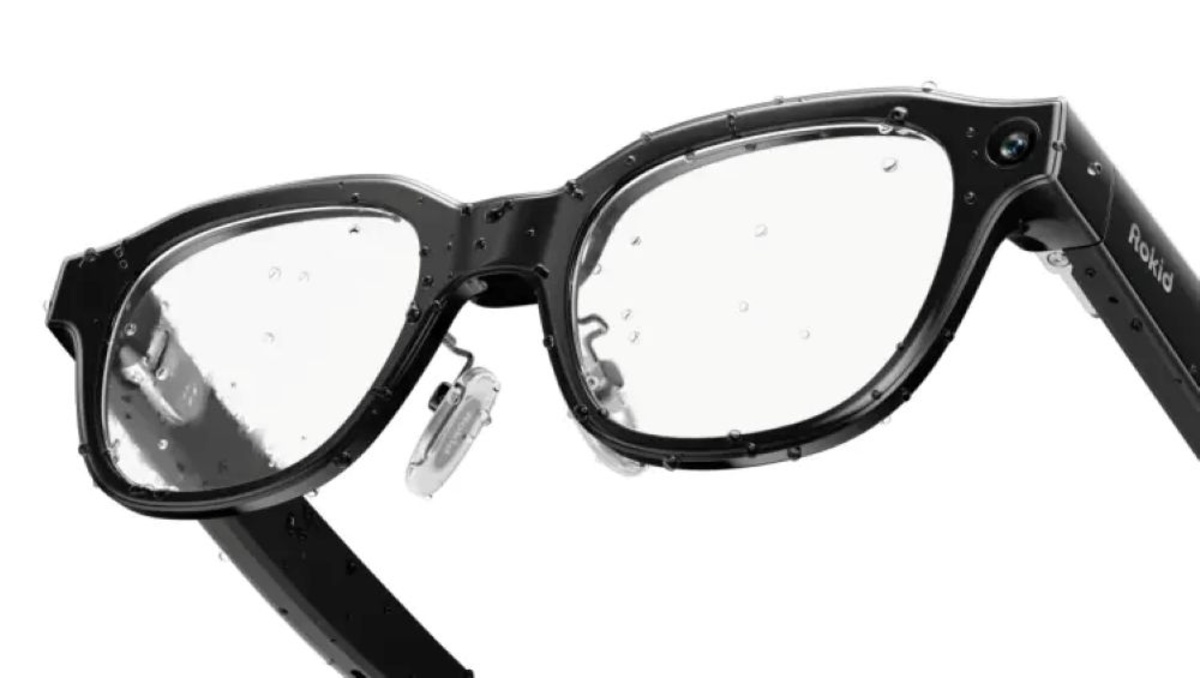
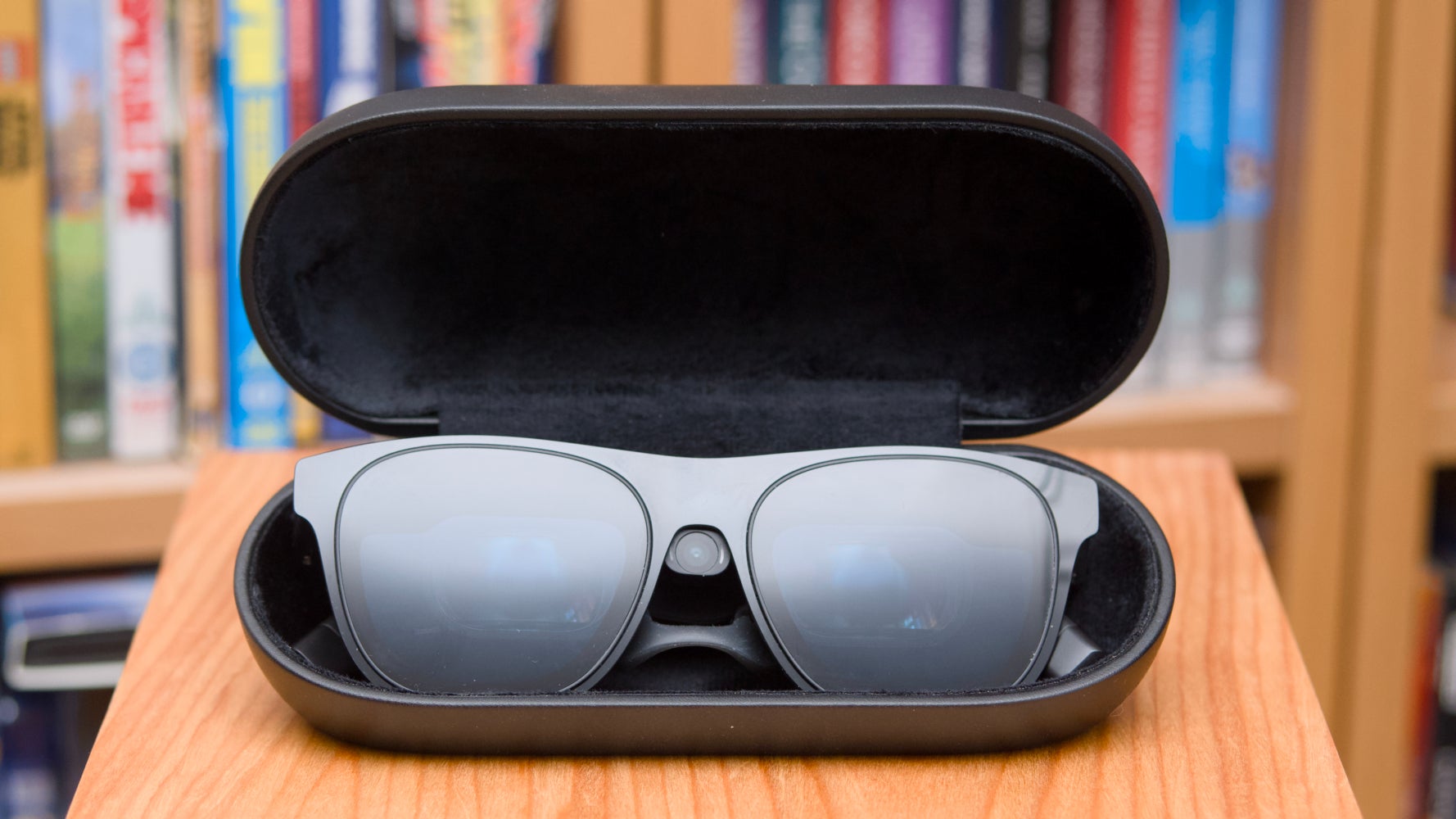
On November 12, 2026, Chinese spatial computing maker Rokid marked the official release of the Rokid Glasses 2, initiating customer shipments across China alongside two companion accessories. The hardware package represents an ambitious bid in the smart eyewear category, launching with the Rokid Color, an optical variant featuring full-color MicroLED waveguide technology, and the Rokid Ring, an input controller designed for discrete gesture interaction. Rokid has restricted this initial wave to its domestic market, with an international release scheduled for CES 2027 in January.
Pricing in China starts at CNY 3,699 (roughly $556) for the standard black model and climbs to CNY 3,849 (approximately $579) for the tortoiseshell finish. The companion Rokid Ring controller is sold separately for CNY 1,699, or around $255. Both the pricing and hardware profile place the frames directly in competition with high-end connected eyewear, though Rokid is banking heavily on a fundamentally revised silicon architecture to justify the cost.
Under the hood, Rokid implemented a dual-chip setup that separates demanding visual and intelligence computations from daily wireless streaming. The computational heavy lifter is Qualcomm's Snapdragon AR1+ Gen 1 processor. According to techtimes.com, the updated platform cuts the silicon die area by roughly 26 to 28 percent compared to the original AR1 chip that powers the Ray-Ban Meta collection, allowing for temple housings that are 20 percent slimmer alongside a 7 percent decrease in energy consumption. The chipset also includes a third-generation Hexagon Neural Processing Unit capable of running compact language models, such as Meta's Llama 3.2-1B, entirely locally on the frames.
Handling wireless communication and acoustics is Bestechnic's BES2800BP coprocessor. This secondary system-on-chip incorporates an ARM Cortex-M55 core, a proprietary dual-core BECO neural processing unit, a Tensilica HiFi 4 DSP, and integrated Bluetooth 5.4 and Wi-Fi 6 radios. As techtimes.com reporter Alfredo Hanson points out, offloading Dolby Audio decoding, microphone arrays, and wireless tasks to the Bestechnic chip prevents thermal throttling on the primary Qualcomm processor, which lacks the luxury of active fan cooling inside an everyday eyewear profile.
How it compares: The split architecture highlights a clear divergence between Western and Eastern hardware strategies. While Meta relies on a single Snapdragon AR1 Gen 1 die to juggle audio, sensors, camera capture, and cloud streaming inside Ray-Ban Meta frames, Chinese manufacturers like Rokid and Xiaomi routinely pair Qualcomm silicon with specialized Bestechnic audio processors. Moving audio buffers and Wi-Fi 6 routing to a secondary node preserves the primary NPU for edge AI tasks, enabling features like on-device language translation without draining the battery or generating localized hotspots on the wearer's temples.
What this means: Rokid is pushing the physical envelope of consumer smart glasses by tackling thermal and weight limits head-on. Achieving genuine all-day comfort requires keeping frames between 50 and 80 grams, and trimming die footprints directly correlates with thinner, more socially acceptable acetate frames. However, Western buyers will have to wait until CES 2027 to see how Rokid adapts its software ecosystem for global audiences, particularly regarding localized AI partners, international privacy standards, and third-party app support outside the Chinese market.
Interactive guide: prices, displays, cameras, battery.
Share this story