Manufacturer News · Samsung
Samsung and AI Eyewear Makers Bolster Anti-Cheating and Privacy Defenses
As camera glasses face mounting scrutiny in classrooms and public spaces, makers are scrambling to build hardware safeguards before next-generation frames hit the market.
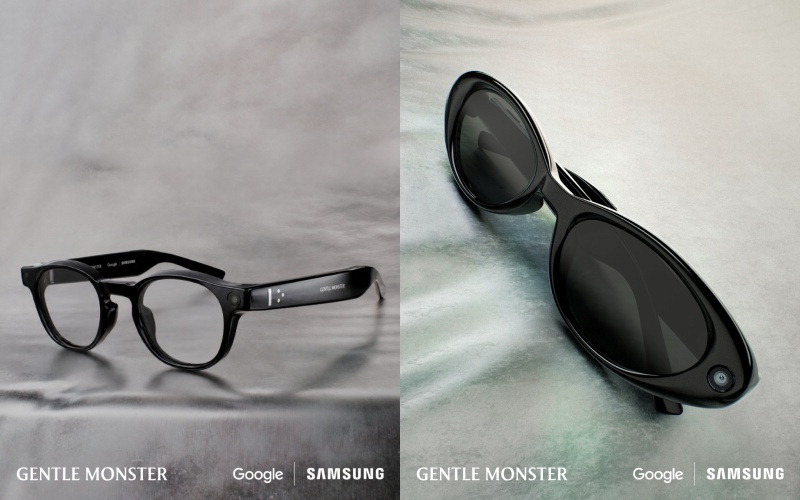
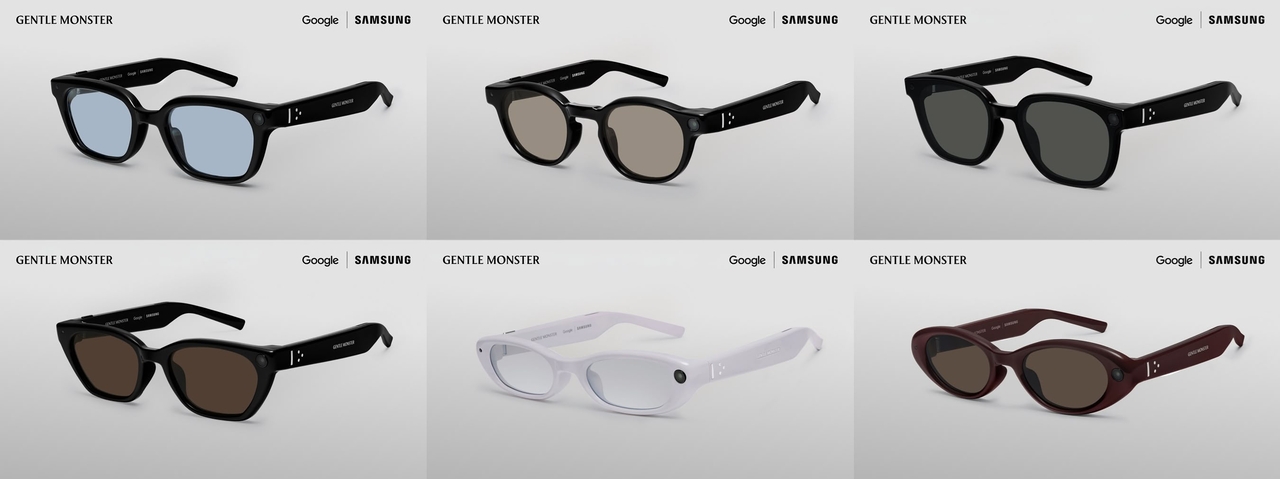
On November 15, 2026, South Korean outlet mk.co.kr reported that smart glasses manufacturers are tightening security measures to curb privacy violations and exam cheating, with intense focus falling on Samsung Electronics as it prepares to launch its own connected eyewear as soon as next month.
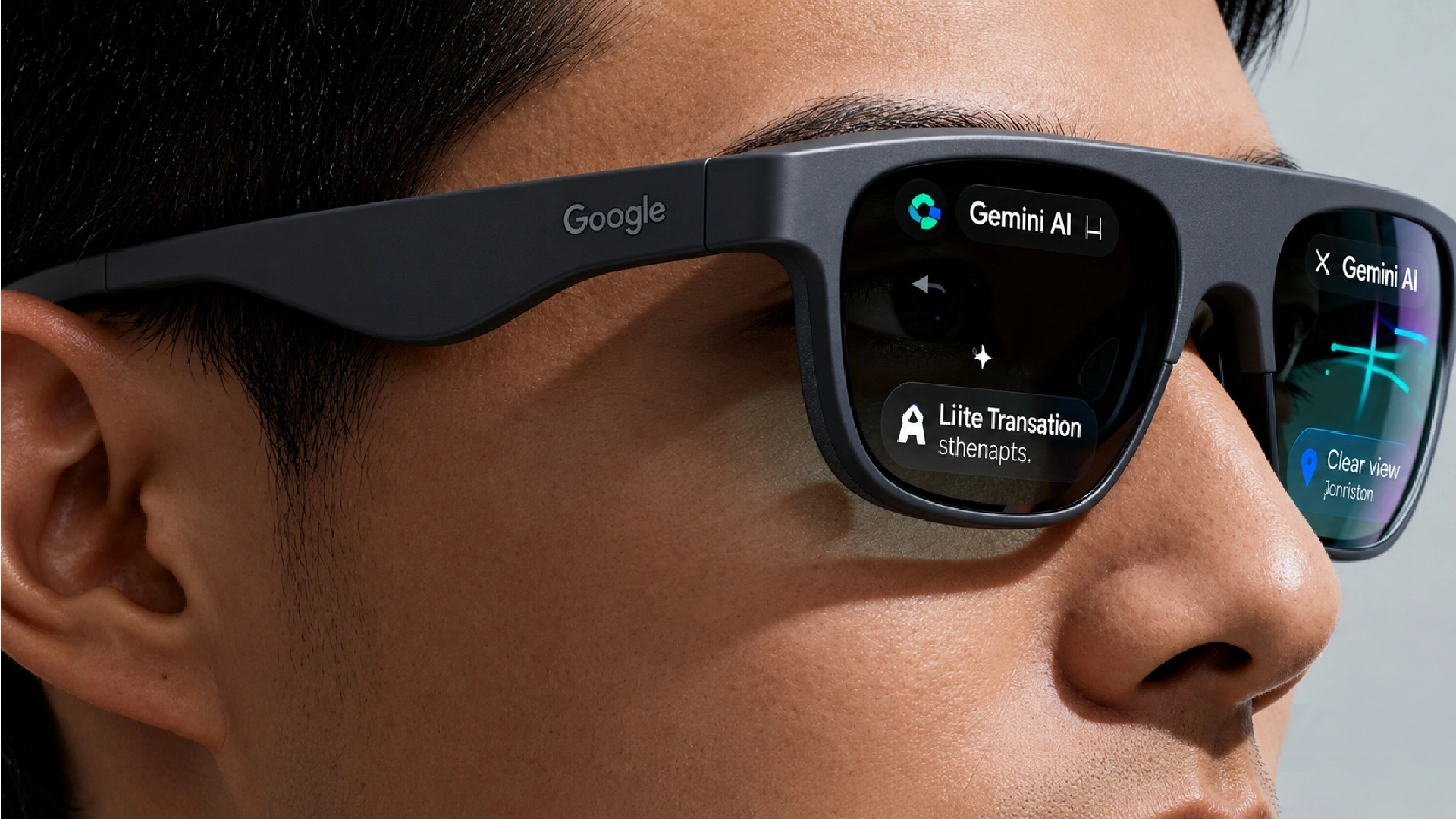
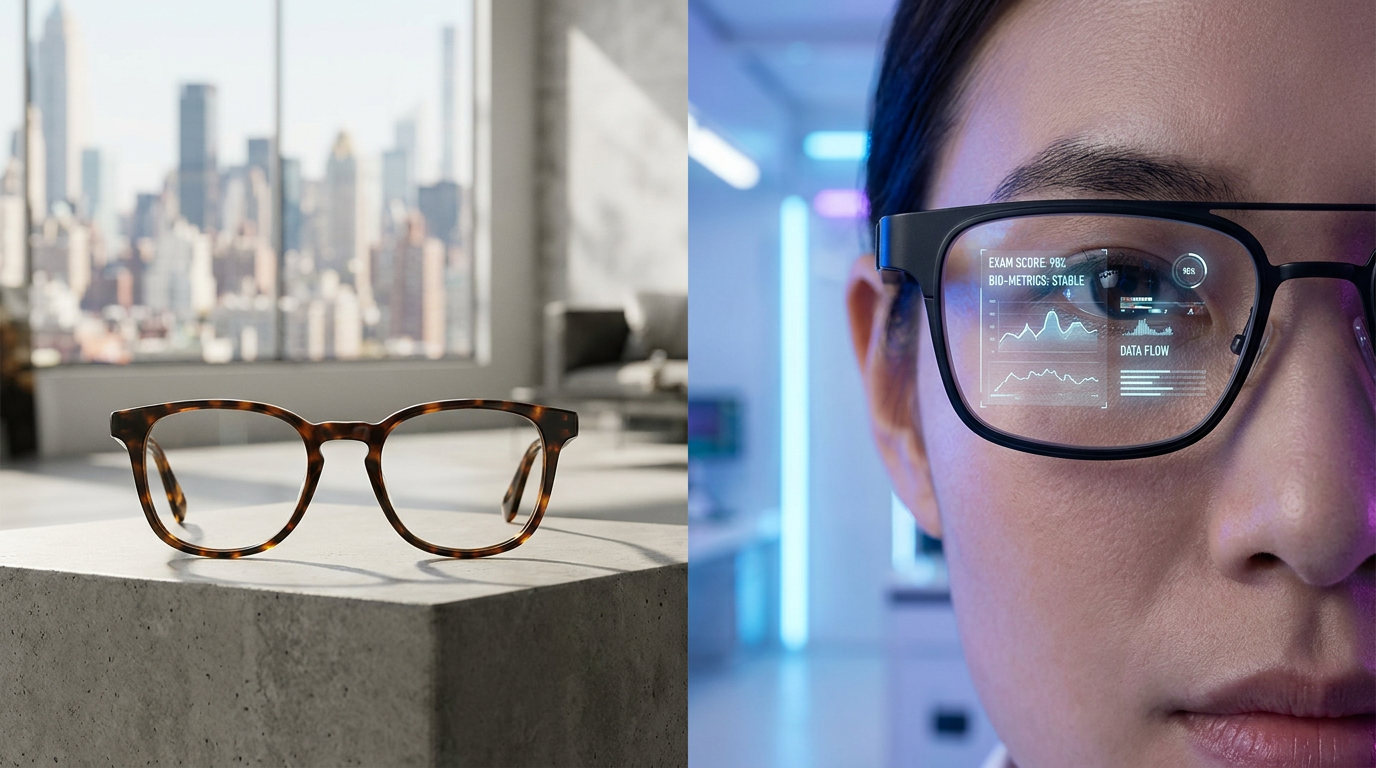
The surge of multimodal generative AI has turned lightweight eyewear into a potent covert tool. When equipped with outward-facing image sensors, bone-conduction speakers, and cloud-connected vision models, a pair of discreet spectacles can scan a test paper, summarize corporate documents, or analyze people in real time without anyone nearby noticing. According to mk.co.kr, cheating using AI has rapidly evolved into a serious social problem, forcing hardware developers to treat unauthorized data capture and academic dishonesty as urgent design flaws rather than fringe edge cases.
Hardware makers have already learned hard lessons from earlier product cycles. When Meta launched its Ray-Ban Meta frames, privacy advocates quickly criticized the tiny recording LED, demonstrating that small pieces of tape or marker ink could disable the indicator while leaving the camera fully operational. According to tech watchdogs and academic institutions, students and candidates in high-stakes testing environments have repeatedly tested the limits of wearable assistants. As mk.co.kr notes, the security architecture of Samsung's upcoming smart glasses is now under the microscope precisely because regulators, educators, and consumers want proof that built-in safeguards cannot be easily bypassed.
To counter these vulnerabilities, manufacturers are moving beyond simple indicator lights. Engineering teams are implementing hardware-level tamper sensors that disable camera feeds entirely if the indicator LED is obstructed or disconnected. Device makers are also exploring local geo-fencing profiles, allowing schools, secure enterprise facilities, and testing centers to enforce software blackouts on optical capture and microphone input over short-range beacons.
What this means: Hardware guardrails are no longer an afterthought for smart eyewear; they are becoming a regulatory baseline. If Samsung intends to pitch its upcoming glasses for widespread everyday wear, it must convince skeptical institutions that its frames cannot be weaponized as invisible cheat codes or surveillance rigs. A failure to build robust, tamper-resistant safeguards risks triggering outright bans in schools, university lecture halls, and secure offices, which would stall adoption just as the form factor begins to gain mainstream commercial traction.
We will be tracking Samsung closely as its official launch window approaches. The coming wave of AI glasses will not be judged solely on battery life, display clarity, or processing speed, but on whether manufacturers can prove their devices respect the boundaries of the real world.
Interactive guide: prices, displays, cameras, battery.
Share this story