Manufacturer News · Google
Google Opens Pre-Orders for Gemini Smart Glasses in Massive AI Push
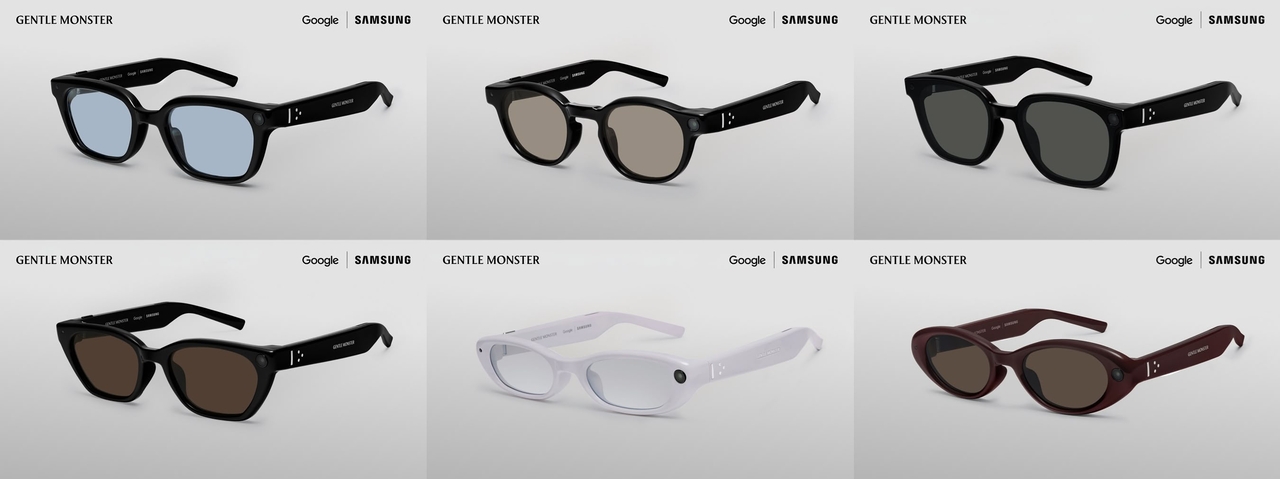
Google unleashed an 18-part product rollout headlined by Gemini smart glasses from Warby Parker and Gentle Monster alongside wired Android XR eyewear.
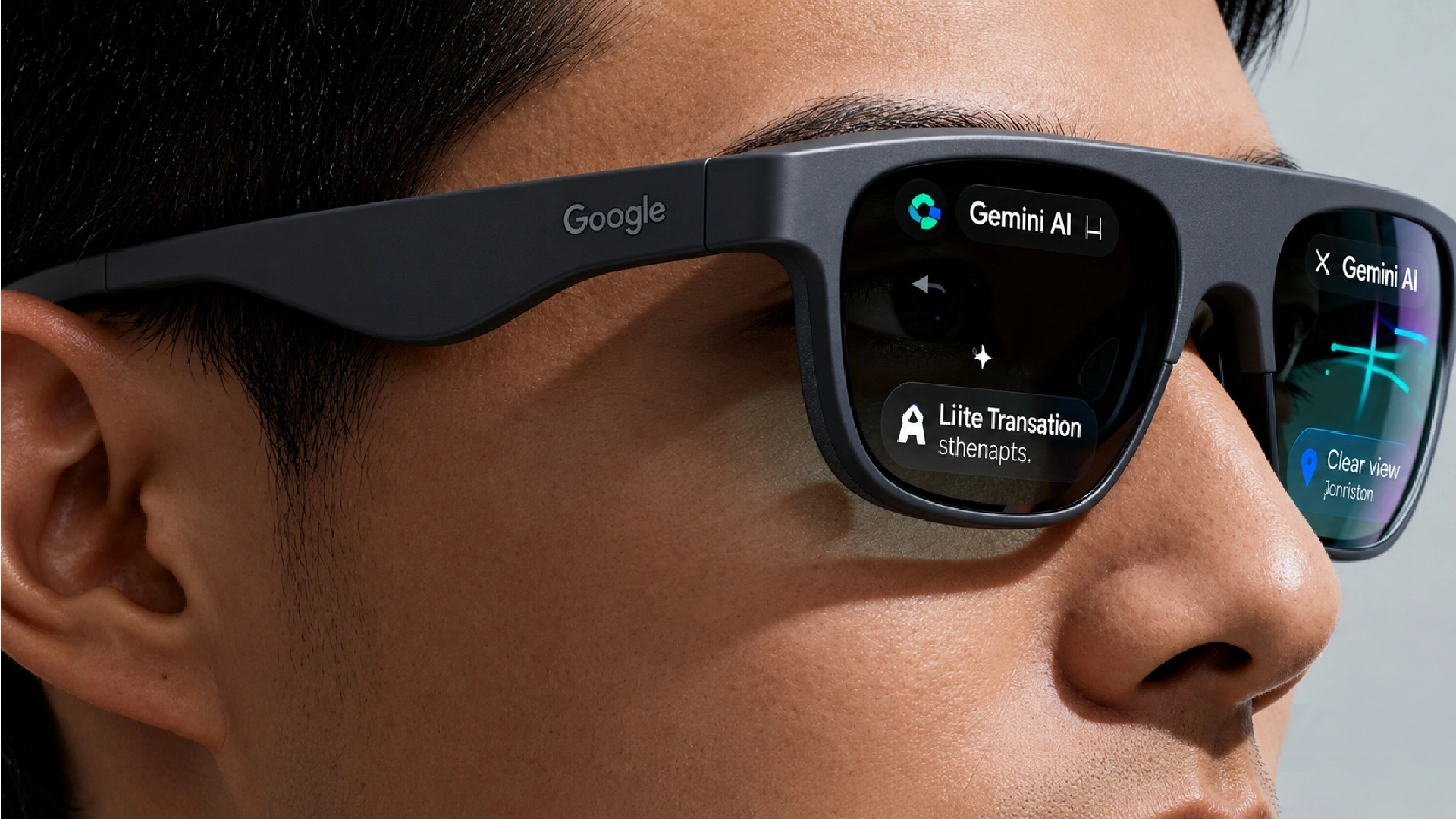
On November 16, 2026, Google launched a massive product offensive that firmly connects its newest frontier reasoning models directly to consumer eyewear. Alongside the general rollout of Gemini 4 Carbon and Gemini 4 Hydrogen, Mountain View formally opened pre-orders for Gemini smart glasses across Warby Parker and Gentle Monster retail channels. The rollout also introduces the XREAL AURA, the market's first wired Android XR smart glasses built to run Gemini multimodal features directly in front of the wearer's eyes.
The consumer hardware push forms the visual frontline of Google's broader software and silicon overhaul. The new Gemini smart glasses rely on Gemini 4 Hydrogen, an everyday reasoning model delivering 2.5 times faster throughput than previous iterations with a 1-million-token context window. Priced at $1.50 per million input tokens and $7.50 per million output tokens on the developer end, the model serves as the conversational foundation for Google's eyewear ecosystem. For spatial computing use cases, the wired XREAL AURA provides a tethered Android XR option engineered to offload processing without sacrificing continuous visual intelligence.
According to paidfreedroid.com, this vertical stack extends well beyond frames and models into agentic software and infrastructure. Google's Antigravity platform brings multi-agent workflows like dynamic Orchestrator handoffs and parallel Git Swarms into the mix, anchored by the newly minted A2UI 1.0 open generative interface protocol. In reporting on the launch, paidfreedroid.com notes that while Google's vertical integration creates powerful synergies, it introduces real engineering trade-offs, warning that cloud-tethered architectures for Gemini glasses and Android XR headsets face persistent latency hurdles across cellular networks.
How it compares: Google's strategy directly targets Meta and its Ray-Ban smart glasses partnership. While Meta currently dominates the audio and camera AI frames market, it still relies on third-party computing partnerships and lacks an open generative spatial operating system. Google is countering by attacking on three fronts: fashionable lifestyle audio-visual frames via Warby Parker and Gentle Monster, high-bandwidth wired display glasses through XREAL, and proprietary compute powered by its internal TPU 8tx and 8i Max accelerators. Against competitors like Microsoft and OpenAI, which lack dedicated wearable hardware lines, Google now controls everything from the physical frame to the agent protocols and the data center silicon.
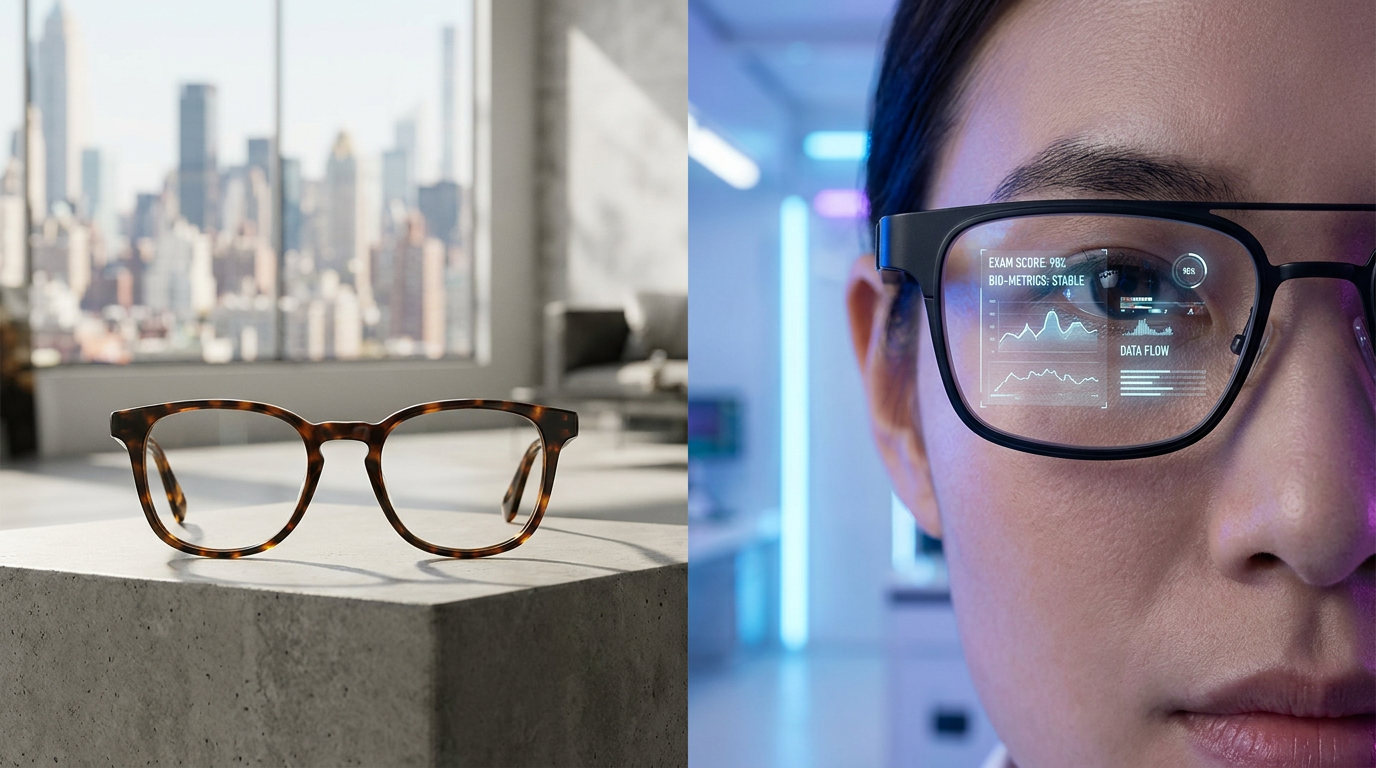
What this means: The smart glasses category is moving past basic audio capture and snapshot AI into persistent agentic assistance. By enlisting two distinct eyewear powerhouses, Warby Parker for classic western retail and Gentle Monster for high-fashion appeal in Asia, Google is eliminating the aesthetic barrier that doomed Google Glass more than a decade ago. But the architectural question remains paramount. A wearable AI assistant is only as useful as its response time. If cellular latency interrupts dynamic conversational handoffs or visual grounding, users will quickly treat high-tech frames as simple sunglasses.
For developers and prospective buyers, pre-orders are currently rolling out through partner retail channels, with regional pricing in secondary markets like India still pending. We will be closely testing both the Warby Parker and Gentle Monster Gemini frames as hardware units ship to determine whether Android XR and Gemini 4 can deliver on Mountain View's ambitious latency and contextual promises.
Interactive guide: prices, displays, cameras, battery.
Share this story