Manufacturer News · Apple
Apple Smart Glasses Target Late 2027, But Siri AI Bottlenecks Loom
Apple is leaning on iPhone apps and an overhauled Siri to power its display-free smart glasses, but software delays could derail a planned 2027 debut.
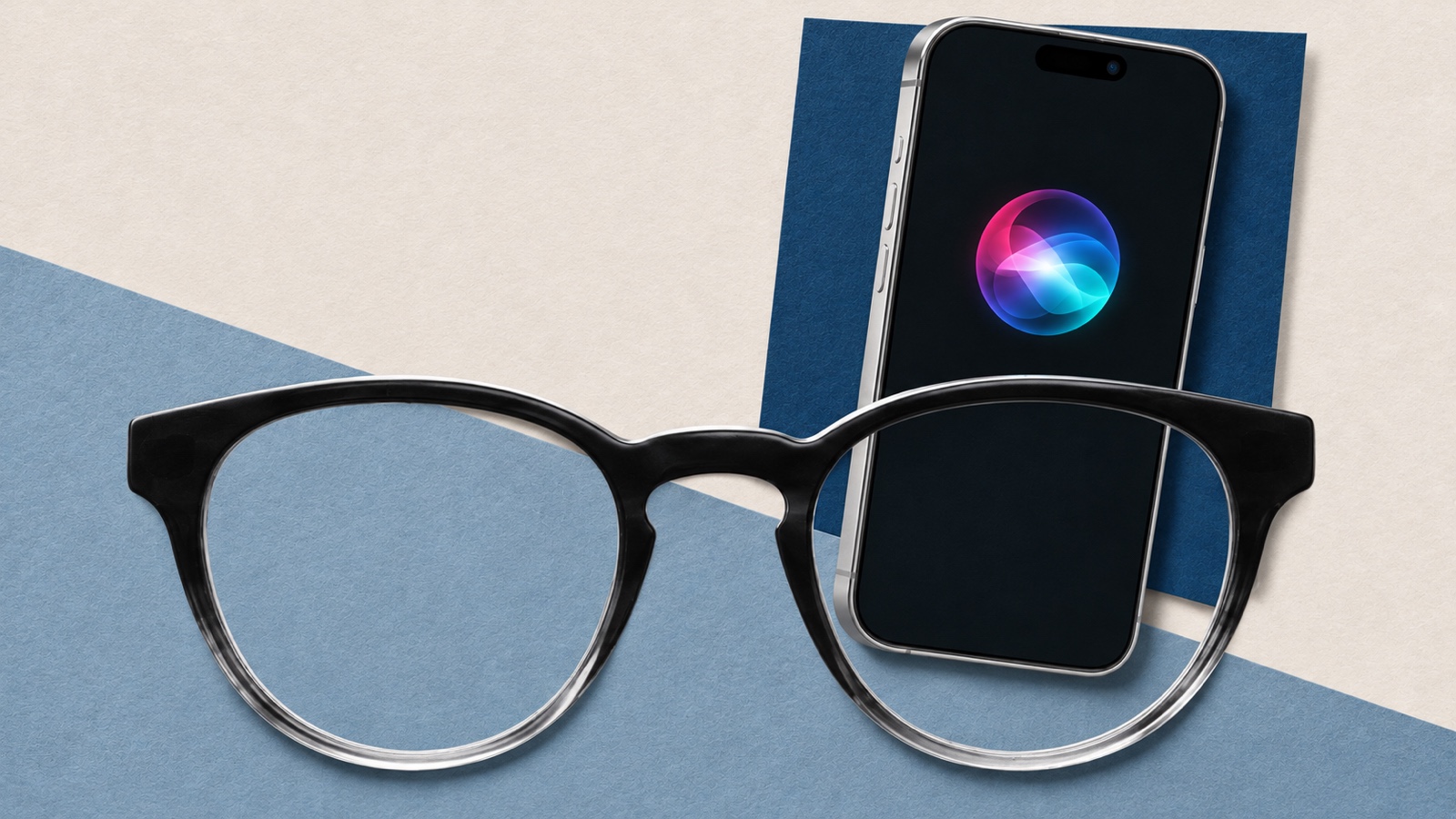
On November 16, 2026, reports surfaced detailing Apple's roadmap for its first generation of smart glasses, internally codenamed N50. According to clubic.com, citing reporting by Bloomberg's Mark Gurman, Apple is targeting an initial preview at WWDC in June 2027 followed by a commercial release before the end of that year. However, while the physical hardware is reportedly largely locked down, engineering delays around software and artificial intelligence could push that launch window even further back.
The upcoming wearable is not an augmented reality device in the traditional visual sense. As clubic.com notes, the N50 frames will forgo an optical display entirely, functioning instead as a camera-and-audio platform driven by an upgraded voice assistant. Embedded cameras will ingest environmental context, allowing the system to identify landmarks, translate street signs, and provide real-time audio navigation. Rather than attempting to run standalone spatial applications on the frames themselves, the hardware will offload virtually all heavy computation directly to a tethered iPhone.
Apple's primary strategy relies on its existing software catalog rather than a separate spatial app store. As reported by clubic.com, the company plans to let users reserve restaurant tables, hail rides, and purchase tickets purely through voice commands routed through their standard iOS applications. Developers will not need to build dedicated software for the glasses; they will merely need to expose specific app actions to Siri through developer tools. An iPhone will remain strictly mandatory, with no Android interoperability planned.
Software execution remains the biggest vulnerability in this roadmap. clubic.com highlights that Siri's ability to reliably orchestrate complex tasks across third-party apps without forcing users to pull out their handset remains a critical work in progress. If an interaction fails midway through a command, the value of wearing voice-first hardware evaporates. Regulatory hurdles also cast a shadow over international availability: advanced Siri AI capabilities remain constrained or delayed in regions like the European Union, potentially complicating a synchronized global rollout in 2027.
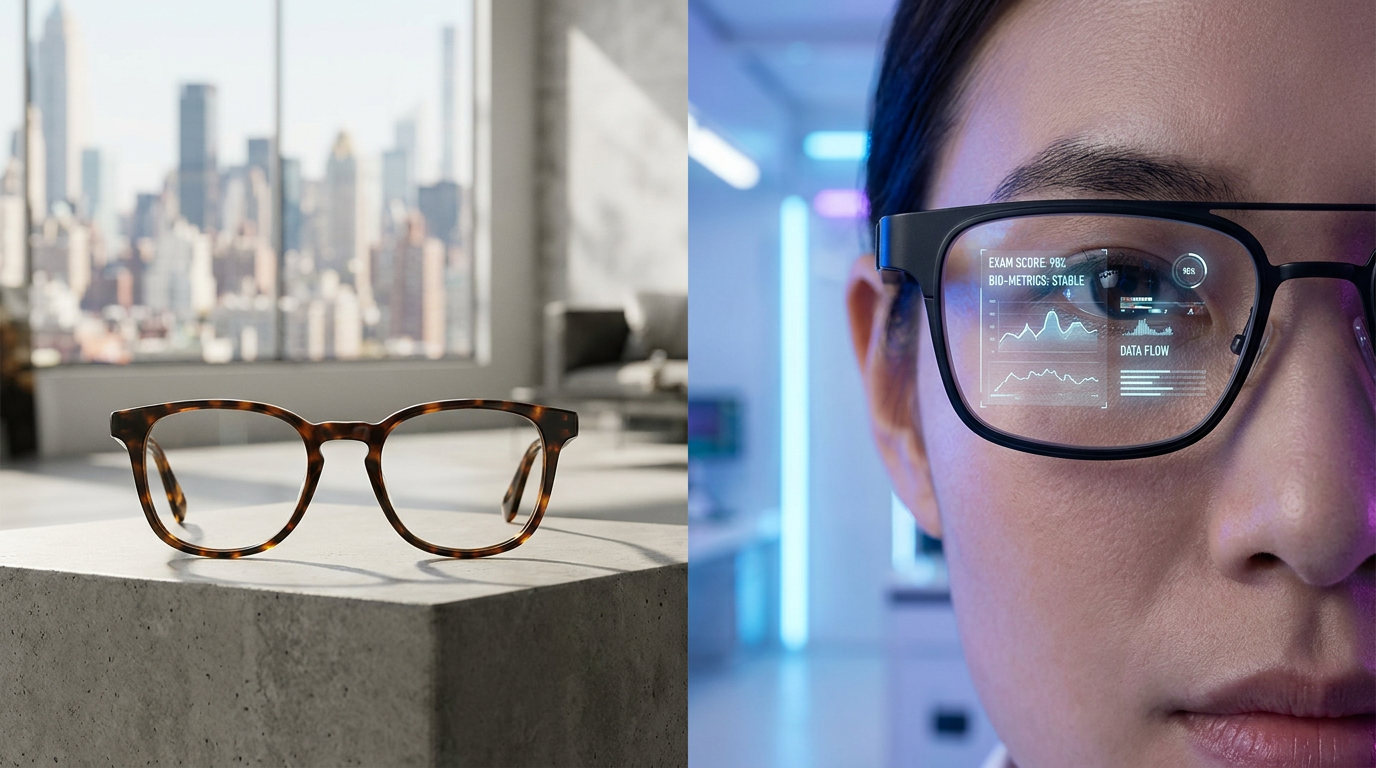
What this means: Apple is essentially copying the blueprint established by Meta's Ray-Ban smart glasses, opting for a lightweight, stylish form factor that emphasizes audio, vision models, and everyday convenience over complex AR optics. Skipping waveguide displays allows Apple to hit accessible battery life and normal eyewear aesthetics on day one. But tethering the entire user experience to Siri makes software the single point of failure.
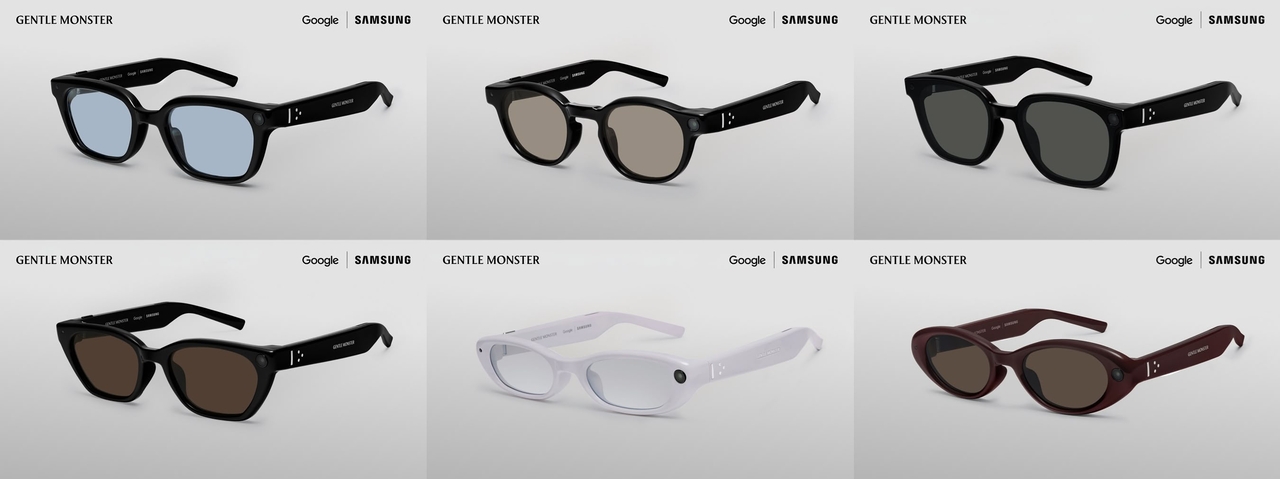
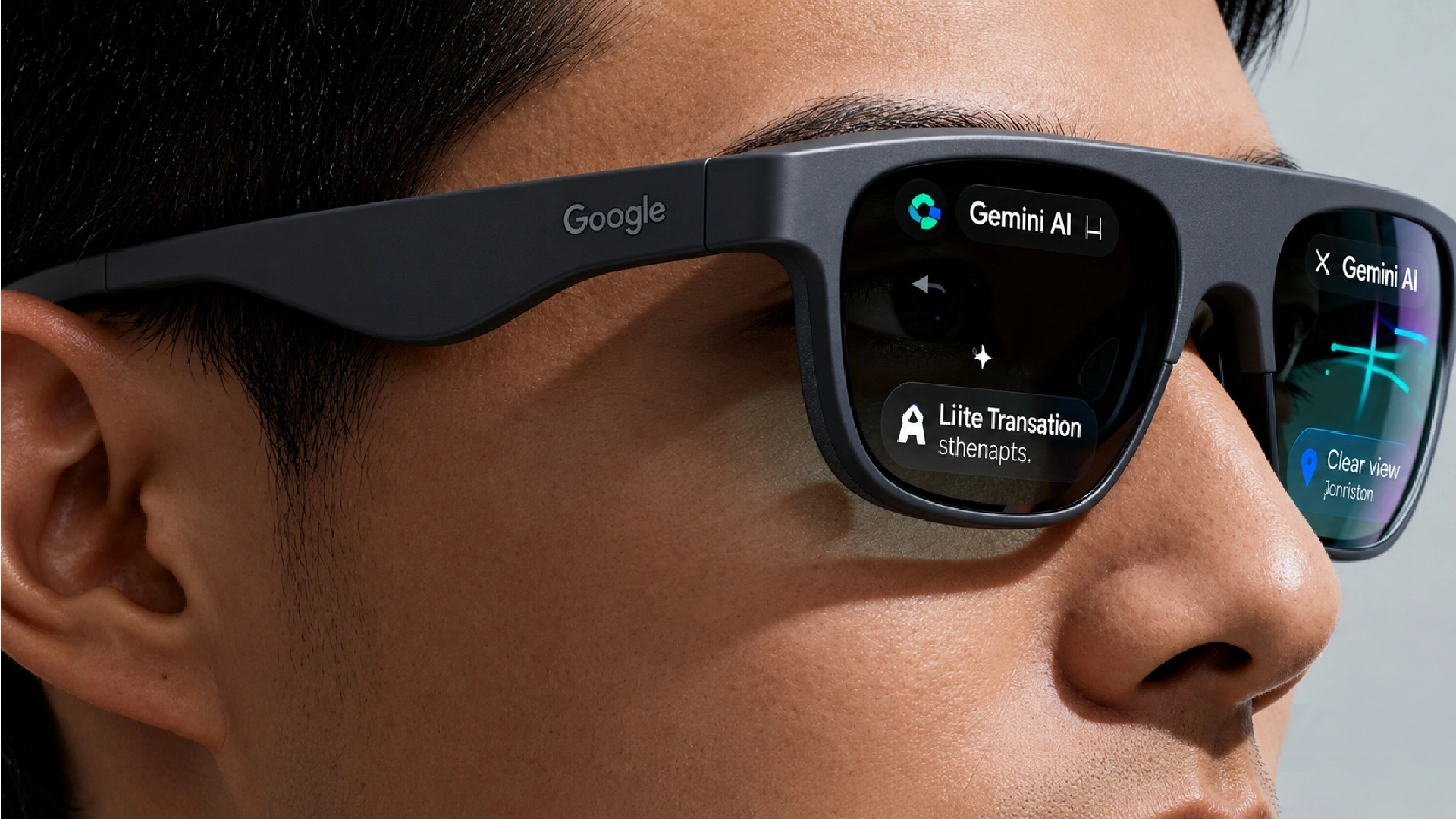
Our take: The hardware specification is straightforward, but voice reliability is where smart eyewear succeeds or dies. Meta already commands millions of faces with multimodal AI that answers queries in seconds, and competitors like Samsung and Google are rapidly assembling their own lightweight ecosystems. If Apple arrives in late 2027 with a Siri that still stumbles through third-party app commands, polished hardware will not save it.
Interactive guide: prices, displays, cameras, battery.
Share this story