Analysis · Multi-brand
Better Frames, Same Blind Spots: What 2026 Smart Glasses Still Get Wrong
Big Tech fixed the fashion problem with designer labels, but it still misunderstands everyday wearers. From battery limits to prescription costs, smart eyewear still fails real-world tests.
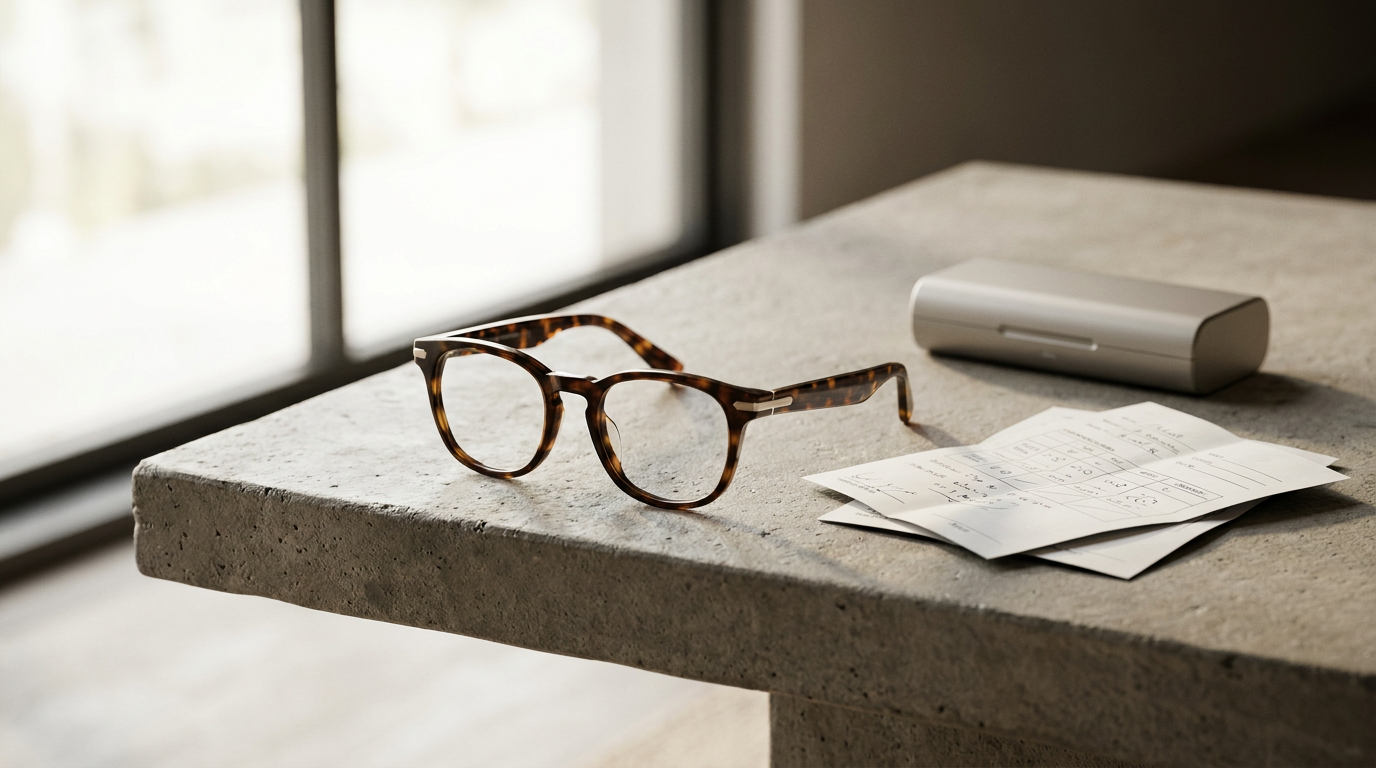
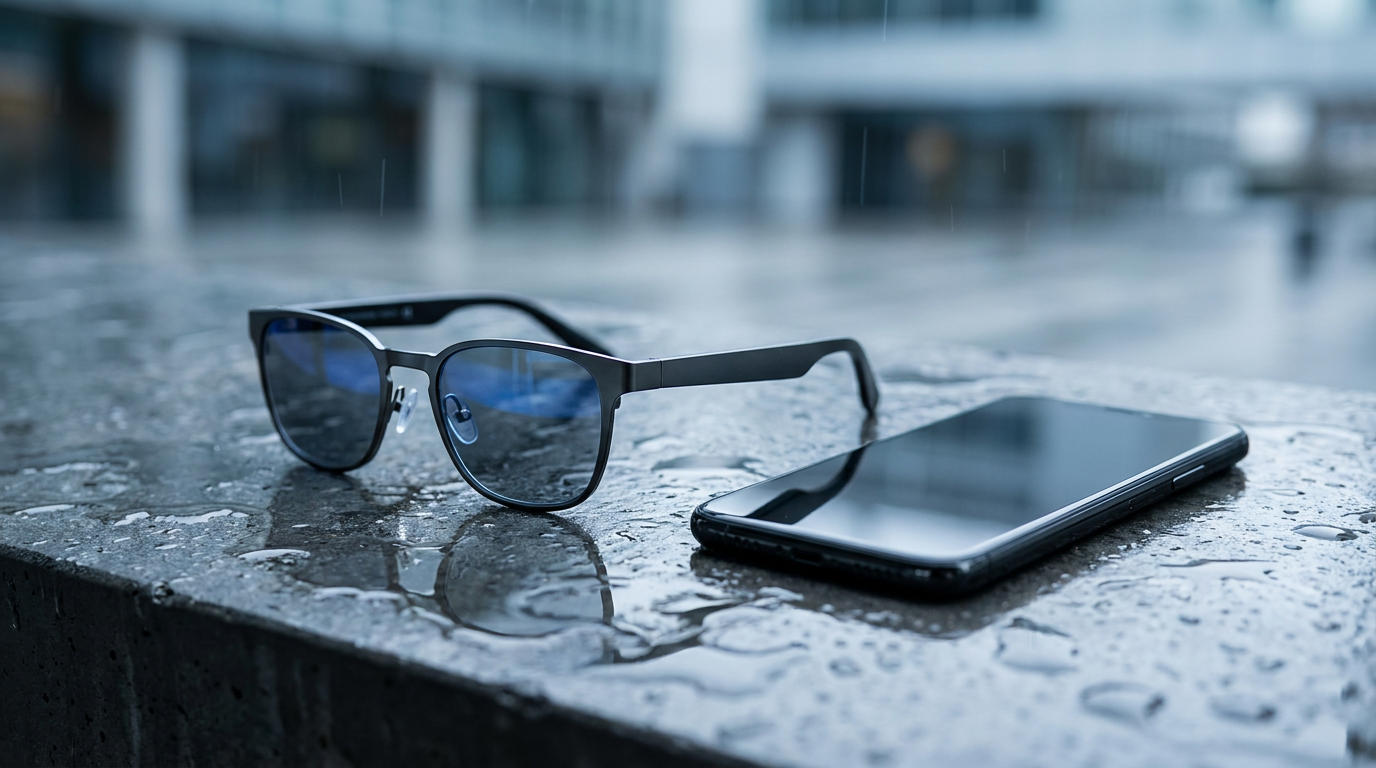
In late 2026, Big Tech convinced itself that it finally cracked the smart glasses puzzle by making friends with high fashion. Between Google partnering with Warby Parker and Gentle Monster, and Samsung ensuring its Intelligent Eyewear works with Apple iPhones, the industry believes aesthetic friction was the final barrier to mass adoption. Slap a Gemini wake word onto a 41-gram acetate frame, sell it for $395, and watch mainstream buyers ditch their analog spectacles. But this pivot to designer silhouettes exposes an uncomfortable reality. Hardware makers managed to fix how smart glasses look while remaining thoroughly clueless about how normal human beings actually wear corrective eyewear.
The most glaring disconnect sits directly on the manufacturer specification sheet: battery endurance. Meta proudly advertises up to nine hours of moderate use on its third-generation Ray-Ban frames, matching the nine-hour rating Samsung and Google stamped onto their new Intelligent Eyewear. In consumer electronics marketing, moderate use is code for sitting idle on your face doing almost nothing. An ordinary pair of glasses is worn continuously for sixteen waking hours, from morning coffee until bedtime. Expecting consumers to drop their primary vision tool into a charging case at 3 PM because they used too much camera processing is an operational failure.
This power anxiety highlights the ongoing friction between Silicon Valley upgrade cycles and the mundane biology of human sight. When Meta notes that its camera-free Audio line stretches up to twelve hours, it accidentally exposes the heavy power tax imposed by multimodal AI sensors. Every ambient camera poll, microphone check, and local neural computation aggressively drains the modest cell tucked into those acetate temples. Unless you are willing to spend your afternoon legally blind while your frames recharge in a leatherette cradle, relying on smart glasses as your sole pair of prescription eyewear remains an act of sheer optimism.
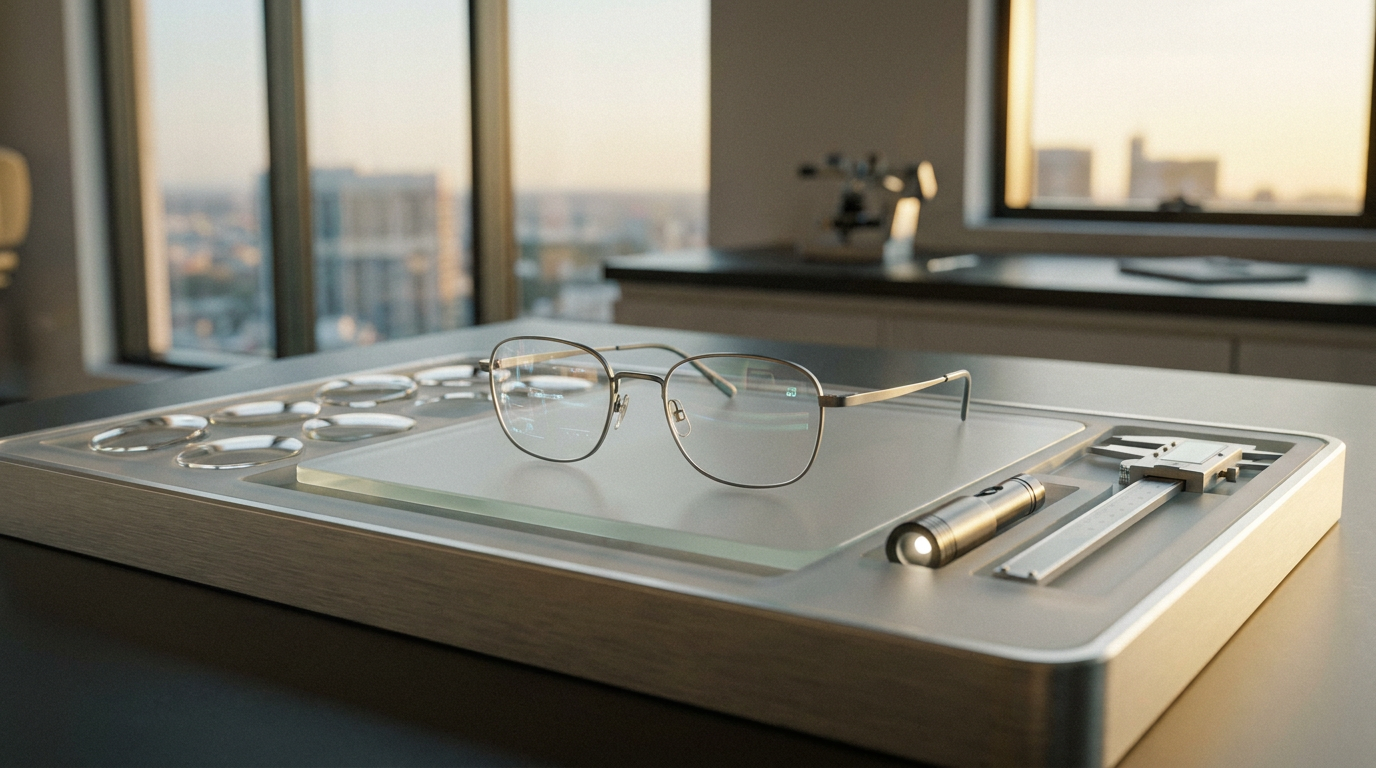
That brings us to the second massive blind spot the industry routinely ignores: the optical supply chain. Over half the global population requires vision correction, yet buying prescription smart glasses in 2026 remains an expensive, fragmented ordeal. As recent optician guidance on hardware like the Even G2 demonstrates, fitting active frames for progressive lenses or severe astigmatism is never as simple as clicking a digital checkout button. High-index lens materials, precise pupillary distance tolerances, and thermal constraints around delicate electronic temples make complex prescriptions prohibitively expensive to cut and nearly impossible to adjust.
Consider what happens when your annual eye exam reveals your visual acuity shifted by half a diopter. On traditional Warby Parker frames, an optician swaps out your lenses for a modest bench fee. On deeply integrated smart eyewear, replacing custom prescription glass often costs nearly as much as buying an entirely new frame, assuming your local optometrist is even willing to handle hardware stuffed with sensitive wiring. Tech executives love preaching about ambient computing, but they conveniently ignore the recurring financial penalty that real vision patients must absorb every single year.
At the opposite end of the spectrum, hardware makers keep trying to turn face-worn frames into full personal computers rather than lightweight ambient utilities. Look at Valve's deliberate entry into the enthusiast tier with the Steam Frame, commanding prices north of $1,000 for uncompromised spatial computing horsepower. Valve deserves credit for not pretending its hardware is a discreet fashion accessory, but its high-end compute strategy represents the extreme version of Silicon Valley's favorite fantasy. Everyday users do not want a desktop operating system strapped to their cheekbones for daily errands, regardless of how impressive the thermal architecture might be.
Even dedicated media glasses like the RayNeo GT and GT Max, which slash prices ahead of the holidays to court gamers, suffer from category confusion. Projecting an expansive 231-inch virtual display via micro-OLED optical engines is fantastic for killing time on a cross-country flight, but it serves as an intermittent media screen, not a wearable life companion. The moment your plane touches down, those display frames go right back into a protective travel pouch. Manufacturers continue to blur the line between wearable television monitors and everyday eyewear, leaving buyers with specialized novelties that gather dust between flights.
Software interaction paradigms are equally guilty of ignoring real-world social context. Google rolling out a dedicated 'Hey Gemini' wake phrase across its Warby Parker and Gentle Monster collections assumes consumers are eager to narrate their inner monologue in public spaces. In a sterile keynote demo, voice-driven multimodal assistance looks effortless and futuristic. On a packed commuter train or in a quiet corporate office, verbally barking queries at your glasses makes you look performative and socially alienated. Until smart eyewear prioritizes whisper-quiet micro-gestures or subtle haptic cues, voice-first interfaces will remain an awkward tax that ordinary users avoid.
Give credit where it is due: Samsung at least recognized the fatal flaw of platform chauvinism. By ensuring its Intelligent Eyewear works seamlessly alongside Apple iPhones out of the box, Samsung avoided the catastrophic miscalculation of locking facial hardware behind a Galaxy phone requirement. Eyewear is an expression of personal identity, not a peripheral accessory like a fitness tracker. A consumer might tolerate ecosystem lock-in on their wrist, but forcing someone to switch their entire smartphone operating system just to wear a specific pair of designer frames was never a viable consumer strategy.
Yet open ecosystem pairing does not excuse the lack of hardware restraint across the broader market. Tech companies remain addicted to cramming more sensors into fragile temples, from high-resolution spatial capture to dense microphone arrays. While professional studio tools like Blackmagic Design's ambisonic microphone showcase the genuine creative necessity of spatial audio capture for Apple Vision Pro workflows, everyday users do not need their daily glasses to double as Hollywood production gear. Piling redundant capture hardware into lifestyle frames drives up weight, accelerates thermal throttling, and turns simple eyewear into an ergonomic compromise.
The path to mainstream adoption requires hardware giants to stop acting like disruptive visionaries and start behaving like master opticians. Everyday glasses are not wearable computers searching for a face. They are critical medical prosthetics and deeply personal fashion statements that occasionally benefit from ambient intelligence. Until smart frames can easily survive a sixteen-hour workday under heavy use, accept cheap lens replacements at any neighborhood clinic, and operate with absolute social discretion, 2026 will simply be remembered as the year Big Tech gave bad wearable habits better-looking frames.
Interactive guide: prices, displays, cameras, battery.
Share this story