Apps & Use Cases · Rokid
Rokid AI Glasses Clear Professional Tax Exam With A Flawless 400 Score
A South Korean tech creator demonstrated how smart eyewear paired with advanced reasoning models can solve elite licensing exams in record time.
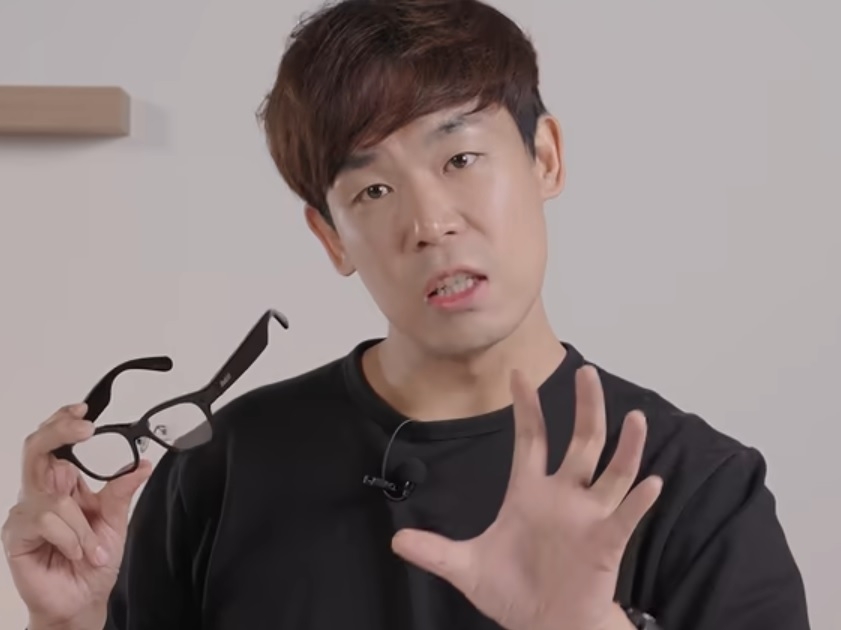
On November 15, 2026, South Korean news outlet mbiz.heraldcorp.com reported that tech creator Techmong used Rokid AI glasses to secure a perfect 400 out of 400 on the nation's notoriously difficult first-stage tax accountant licensing exam. The experiment followed an actual scandal in which the top scorer on this year's official examination confessed to cheating with artificial intelligence, prompting the creator to investigate just how easily modern consumer eyewear could conquer high-stakes testing environments.
According to mbiz.heraldcorp.com, the YouTuber, who commands an audience of 950,000 subscribers, did not achieve instant perfection. Earlier tests relying strictly on Rokid's built-in AI resulted in multiple incorrect answers, while an attempt using a free-tier Gemini 3.5 Flash Lite model still produced a failing grade in one subject. Stepping up to Gemini 3.1 Pro cleared the passing threshold, but Techmong pushed the experiment further for the latest test by tethering the frames to Claude's Fable 5.2 model with reasoning set to high.
The results revealed the sheer speed of modern multimodal processing. As mbiz.heraldcorp.com outlined, the first exam block covered fiscal studies and introductory tax law, comprising 80 questions intended to take 80 minutes. The Rokid frames swept through the entire 80-question test in just 32 minutes, delivering flawless scores of 100 points in both subjects. For context, the typical human test-taker average for fiscal studies is 54, while introductory tax law averages an abysmal 30 points, with 74 percent of human candidates failing the subject outright.
The only real operational bottleneck was power consumption. mbiz.heraldcorp.com noted that continuous camera capture and real-time inference nearly drained the glasses' battery by the end of the first session. Techmong used the standardized 30-minute test intermission to recharge the hardware before tackling the second session, which covered introductory accounting and commercial law. To conserve power and cut processing latency, the creator lowered the reasoning setting to medium. The glasses tore through the final section in 17 minutes, consuming roughly 40 percent of the battery and locking in another two perfect 100-point scores. Against an overall test-taker average of 99.375 points across all four subjects, the wearable finished with a flawless 400.
What this means: This demonstration cuts straight to the regulatory dilemma facing universities, testing centers, and professional certification boards worldwide. Everyday spectacles from makers like Rokid, Meta, and RayNeo look increasingly indistinguishable from standard prescription eyewear. When paired with high-reasoning multimodal cloud models, smart frames can effortlessly digest dense legal prose, analyze balance sheets, and feed solutions back to the wearer without raising suspicion.
Expect exam administrators to respond with severe restrictions. While proctors have historically searched for smartphones and smartwatches, standard optical eyewear presents a far more awkward enforcement challenge. Testing authorities will likely need to introduce radio-frequency sweeps, implement strict signal jamming inside exam rooms, or force candidates needing vision correction to wear inspected, proctor-issued wireframes. While stunts like this prove how fast spatial AI has advanced, they also risk triggering widespread bans on connected eyewear in sensitive public spaces.
Interactive guide: prices, displays, cameras, battery.
Share this story