Analysis · Multi-brand
The Smart Glasses Cold War: How China Is Outrunning Silicon Valley in 2026
While American tech giants stumble over Hollywood spectacles and regulatory paranoia, Chinese hardware makers are turning wearable AI into ruthless everyday utility. The real race for your face is no longer polite.
Silicon Valley spent the better part of a decade convincing itself that spatial computing would arrive like a scene from Iron Man. Snap went so far as to hire Robert Downey Jr. this month to hawk its transparent AR Specs, leaning on Tony Stark nostalgia to sell an interface that remains practically compromised by physics and battery life. Meanwhile, Apple has marooned its spatial ambitions in the four-figure luxury ghetto with the Vision Pro, leaving Meta to trade blows with itself across budget headsets like the Quest 3S. It is an industry drunk on its own cinematic marketing, building elaborate visual playgrounds while ignoring what normal humans actually want on their faces.
Across the Pacific, Chinese hardware makers are playing a completely different game. They have abandoned Western tech idealism in favor of cold, surgical pragmatism. While American boardrooms draft ethics whitepapers and fuss over polite lifestyle aesthetics, manufacturers like Rokid and Viture are deploying raw, hyper-functional eyewear directly into the wild. The result is a startling divergence in philosophy. The United States is treating smart eyewear as a delicate consumer lifestyle experiment, while China treats it as an aggressive technological force multiplier.
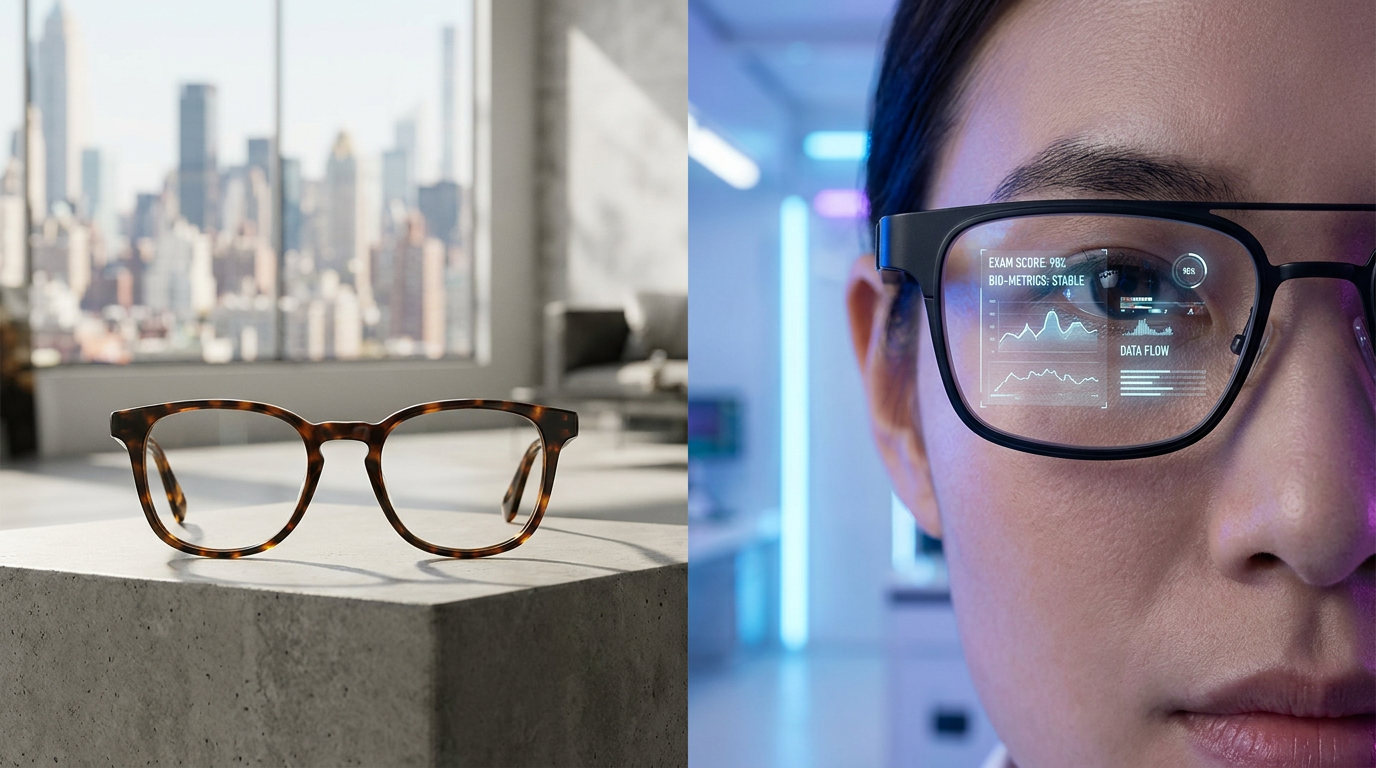
Nothing illustrated this divide more starkly this week than a South Korean tech experiment that set off alarms across Seoul. Using off the shelf Rokid AI glasses paired with an advanced reasoning model, creator Techmong conquered the country's notoriously brutal first stage tax accountant licensing exam with a flawless 400 out of 400 score. The demonstration came on the heels of a genuine national cheating scandal, demonstrating that China's lightweight sensor rigs are already capable of covertly feeding high-stakes visual data to cloud models. It was not a tidy consumer demo inside a sanitized keynote. It was proof of untethered cognitive enhancement in the real world.
Predictably, the Western alliance responded not with technological audacity, but with defensive panic. Samsung and its hardware partners immediately scrambled to bolster anti-cheating safeguards, privacy indicators, and shutter defenses ahead of their impending eyewear rollouts. American and allied industrial leaders suddenly find themselves terrified of the very capabilities that make smart glasses revolutionary. When an outward-facing image sensor, bone-conduction audio, and real-time vision processing can crack professional accreditations, corporate legal departments rush in to castrate the hardware.
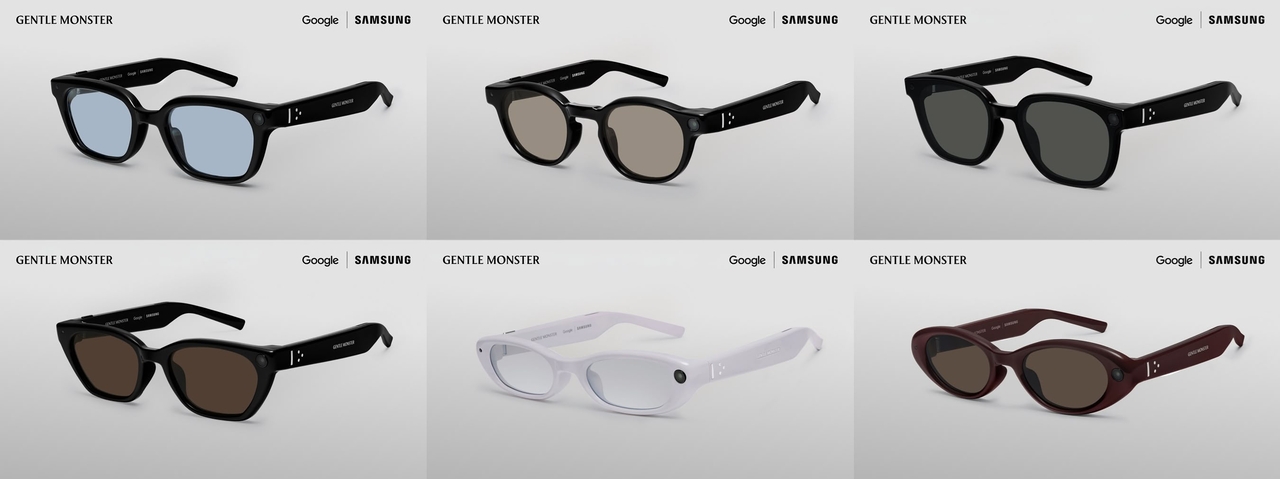
This defensive posture is baked directly into the newly unveiled Samsung and Google Intelligent Eyewear. Priced at $395 and wrapped in safe, pedigree-approved acetate from Warby Parker and Gentle Monster, the device is the quintessential product of Western corporate consensus. It relies on a split-computing architecture powered by Qualcomm's Snapdragon AR1 Gen 1, stripping out visual displays entirely to chase an ultra-light 41-gram profile. Google and Samsung are explicitly targeting Meta's Ray-Ban monopoly with Gemini-powered conversational search, real-time audio translation, and polite ambient assistance. It is sleek, cautious, and thoroughly housebroken.
Yet this sanitized approach comes with frustrating walled-garden politics that hobble the user experience. Despite being pitched as the future of ambient computing, the Samsung hardware penalizes iPhone users with severed features while locking core Gemini capabilities behind regional age gates and ecosystem prerequisites. American tech conglomerates cannot help but treat wearables as Trojan horses for cloud subscriptions and smartphone lock-in. They want you wearing their brand, but only within the boundaries of their pre-existing consumer platforms.
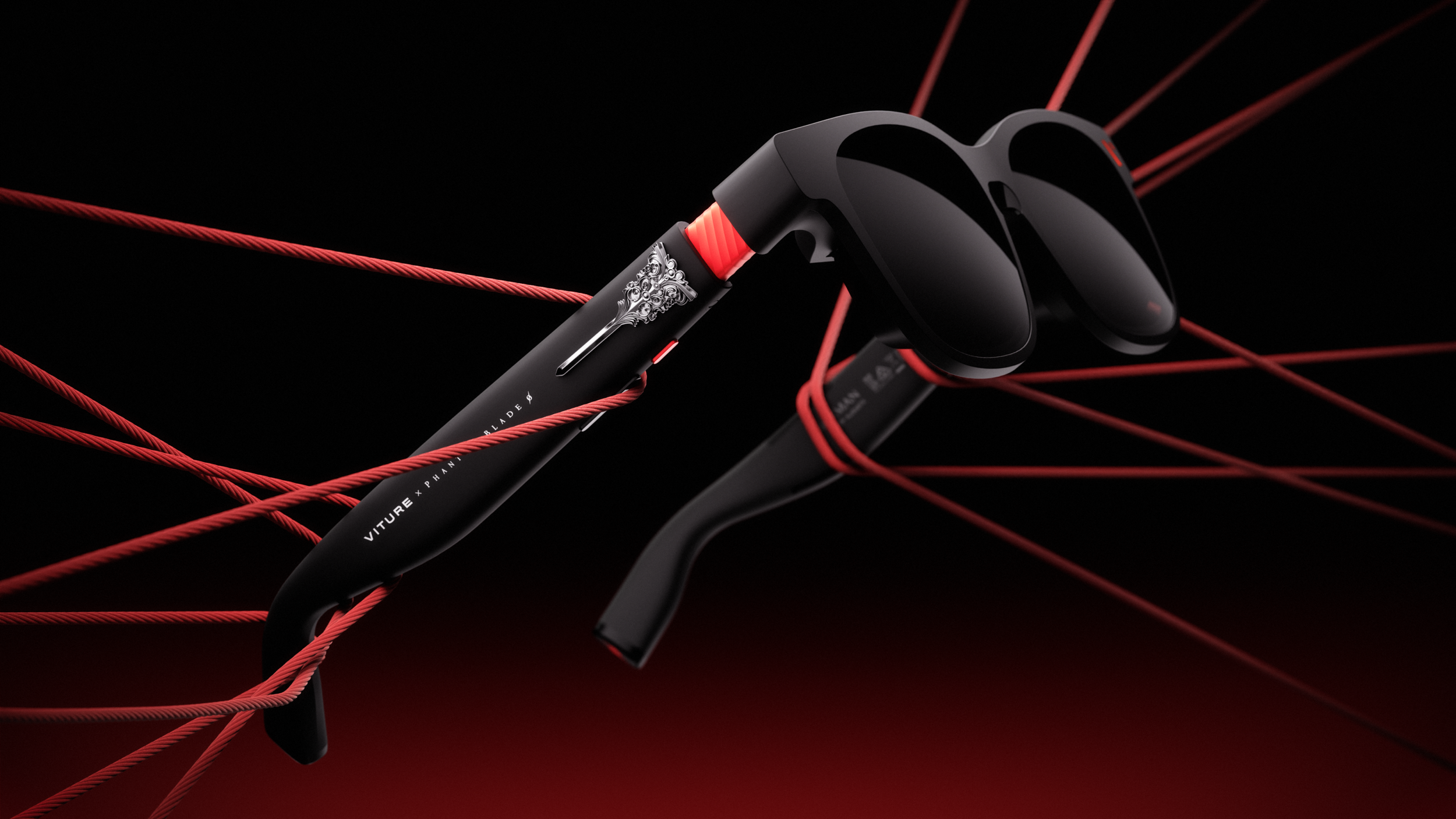
Chinese manufacturers, unburdened by the need to protect massive domestic smartphone monopolies in the West, are building dedicated hardware that actually solves immediate problems. Consider Viture's newly released Phantom Beast XR glasses, priced at $599 in collaboration with action title Phantom Blade Zero. Instead of waiting for full waveguide holographic parity, Viture embraced micro-OLED prism optics to give gamers a 174-inch virtual screen with native head tracking that fits in a jacket pocket. It does not pretend to replace reality; it simply makes mobile computing exponentially better today.
This tactical difference explains why China is quietly winning the functional wearable war. While Meta spends billions subsidizing mixed-reality headsets like the Quest 3 for living room gaming, Chinese firms recognized that display-tethered glasses and discreet vision frames capture distinct, highly profitable utility segments right now. Viture owns the portable gaming display niche, while Rokid and Xreal push the boundaries of multimodal vision capture. They build tools for power users who want immediate capability, not passive consumers waiting for Silicon Valley to invent the metaverse.
The anti-cheating debate currently roiling South Korean universities and corporate testing centers is merely the opening skirmish of this geopolitical divide. In the West, public outrage over camera glasses will inevitably lead to neutered capture capabilities, mandated blinking LED beacons, and artificial software blinders. In Asia, hardware suppliers will iterate on covert optical packages, faster edge-computing silicon, and seamless multimodal conduits. The hardware gap will widen not because American engineers lack talent, but because American corporations are paralyzed by institutional liability.
By the end of 2026, the smart glasses landscape will look nothing like the rosy augmented reality future painted by Hollywood pitchmen. On one side will stand the Western alliance of Google, Samsung, and Meta, selling stylish, display-less audio frames engineered primarily not to offend privacy advocates or disrupt classroom proctors. They will be competent, polite accessories that read your calendar and summarize your morning emails with proper digital etiquette.
On the other side will sit an aggressive cadre of Chinese hardware innovators building high-performance visual instruments. Whether clearing professional licensing exams with Rokid hardware or plugging console-tier micro-OLED displays into pocket rigs with Viture, these devices will push ambient computing to its logical edge. Silicon Valley may still own the narrative and the celebrity endorsements, but China is building the glasses that actually alter how humans interact with information.
Interactive guide: prices, displays, cameras, battery.
Share this story