Manufacturer News · Apple
Apple Preps Screenless AI Glasses Code-Named N50 for 2027
Cupertino is shelving complex optical AR for its first pair of consumer spectacles, focusing instead on cameras, precision microphones, and iPhone compute tethering.
New leaks reported on November 16, 2026, indicate that Apple is accelerating development on its inaugural pair of smart glasses, internally code-named N50. According to generation-nt.com, citing reporting from Bloomberg reporter Mark Gurman, the consumer hardware could make its public debut at WWDC in June 2027, followed by a commercial launch before the close of that year.
Rather than swinging for full optical augmented reality right out of the gate, Apple is reportedly taking a much more grounded route. Gurman notes that the N50 glasses will forgo complex waveguide displays or visual overlays inside the field of view. Instead, the frame relies on flush-mounted exterior cameras and an array of high-precision directional microphones designed to capture and parse the wearer's real-time surroundings.
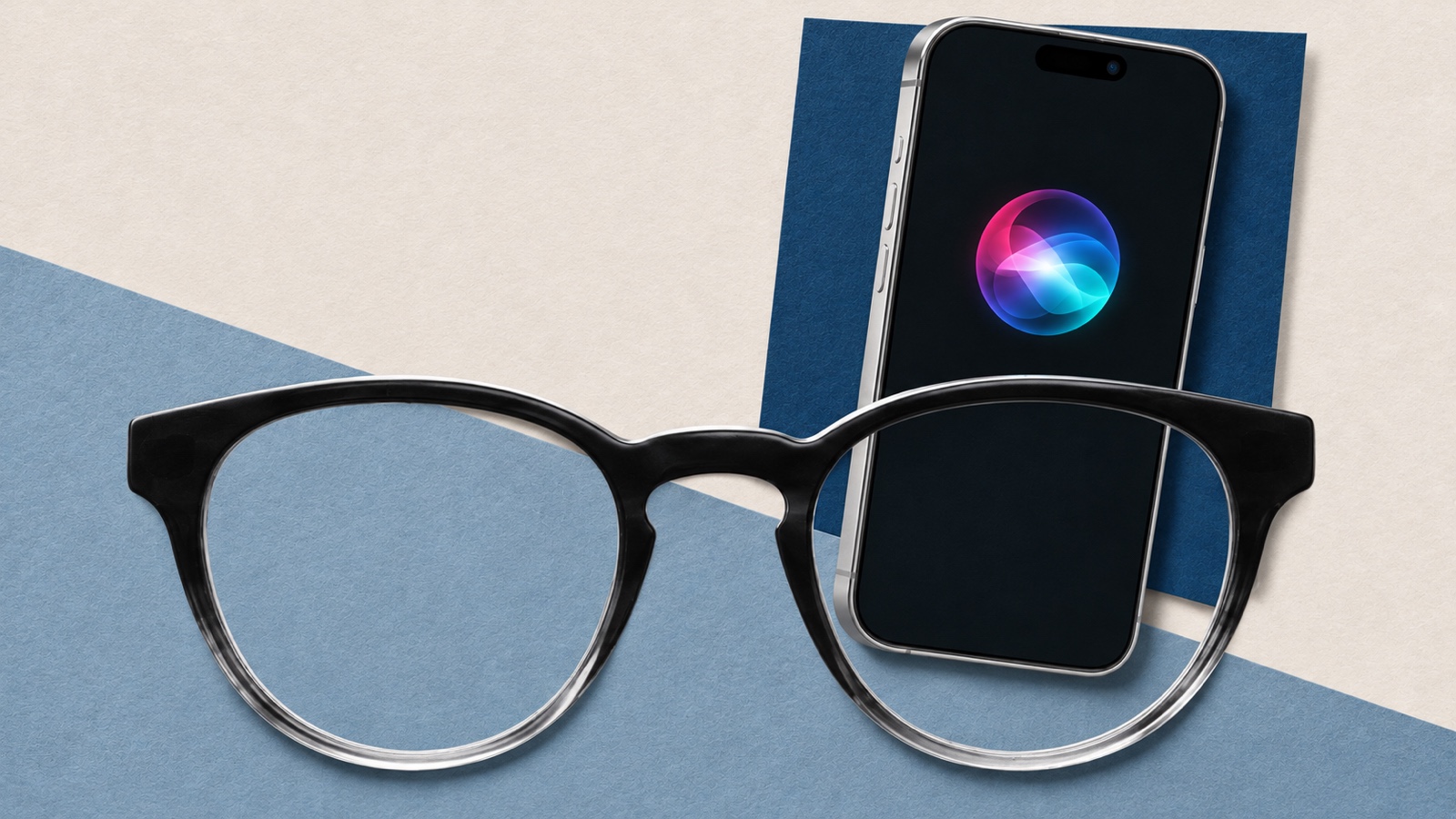
Under the hood, the device will lean heavily on a revamped Siri AI architecture, as detailed by generation-nt.com. To keep the frames lightweight, socially acceptable, and thermally manageable, Apple plans to offload heavy processing to a paired iPhone. The ecosystem will also tap into third-party application integrations, enabling users to query context, control services, and capture visual data without reaching for their handsets.
What this means: This pragmatic pivot represents Apple's official surrender to form factor physics. After the commercial struggles and bulk of spatial headsets like Vision Pro, Cupertino has recognized that consumers refuse to wear clunky hardware on their faces for extended periods. True see-through AR optics remain plagued by low battery life, heavy waveguides, and intense heat dissipation issues. By stripping out displays entirely, Apple can deliver a pair of glasses that actually looks like designer eyewear, borrowing the exact playbook that turned Ray-Ban Meta into a mainstream hit.
How it compares: Meta has owned the camera-and-audio category since late 2023, turning multimodal AI queries and discreet video capture into a proven consumer habit. Snap and other rivals have flirted with displays, only to encounter severe compromises in battery and aesthetics. Apple entering the ring without displays validates the screenless AI category entirely. While Meta must route mobile compute through Android or iOS app sandboxes, Apple controls the underlying silicon, wireless protocol, and operating system on the iPhone. That gives Apple an immense advantage in latency, system-level context sharing, and background AI execution.
Our take: A 2027 timeline means Apple is still playing catch-up, giving competitors another full product generation to cement their positions. However, anchoring N50 to iPhone compute is the smartest concession Tim Cook's team could make. If Apple delivers sleek hardware, flawless audio, and a truly ambient Siri that understands what you see, these lightweight frames could easily become the standard accessory for every iPhone owner on the planet.
Interactive guide: prices, displays, cameras, battery.
Share this story