Manufacturer News · Google
Google and Samsung Tap Fashion Heavyweights to Take on Meta
Warby Parker and Gentle Monster open preorders for Gemini-powered smart glasses, betting luxury styling can overcome persistent privacy concerns.
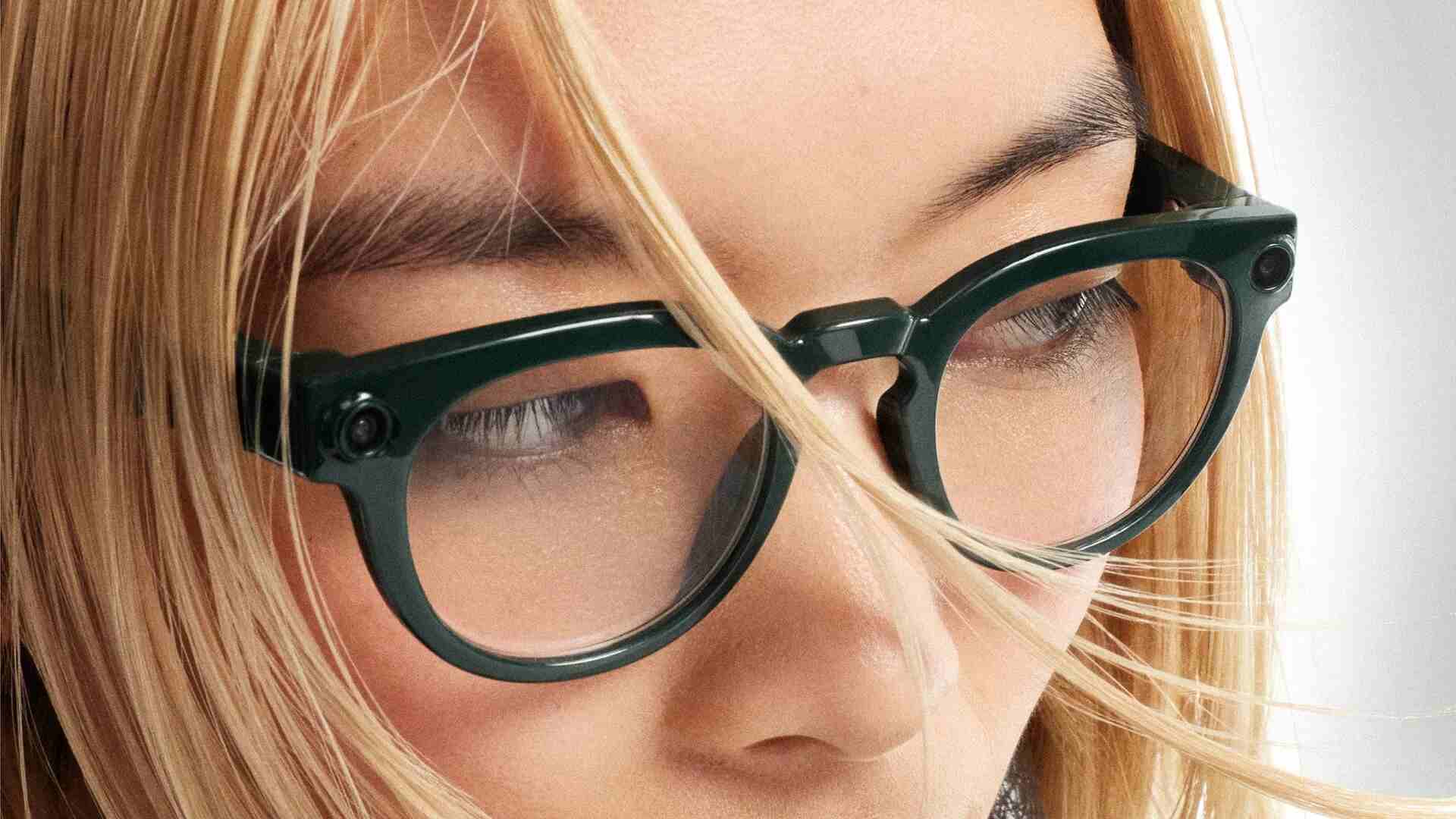
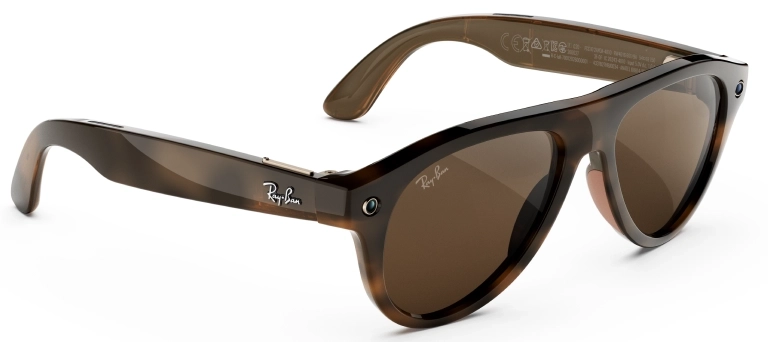
On November 13, 2026, the battle for the smart eyewear mainstream escalated as Google and Samsung officially rolled out preorder availability for their new Gemini-powered frames. Designed in collaboration with fashion-forward eyewear labels Warby Parker and Gentle Monster, the devices bring high-tier design and onboard cameras straight to buyers who remain wary of tech-first headsets. Warby Parker's collection starts at $395, while Gentle Monster's avant-garde frames enter the market at $449.
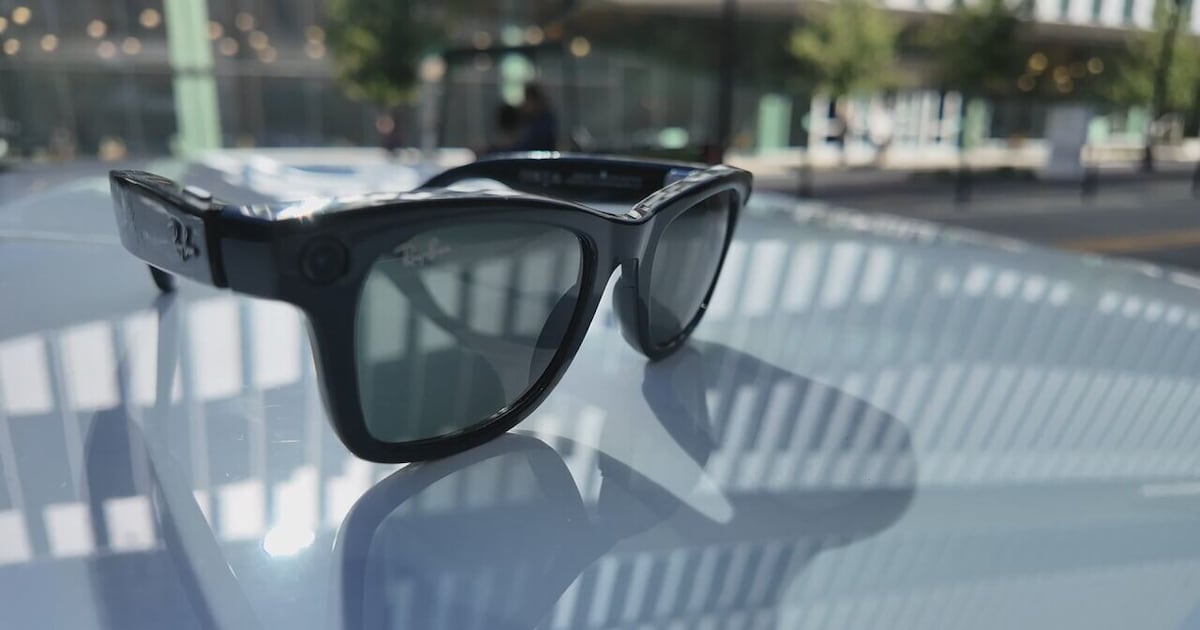
The launch comes at a critical juncture for the category. While hardware makers push hard to normalize face-worn cameras, social friction persists among everyday consumers. Reporting by Zofia Zwieglinska for glossy.co highlights the ambivalence younger users feel toward camera-equipped frames. One consumer interviewed by glossy.co noted that his social circle uses 'Meta' as a derogatory nickname for anyone spotted wearing bulky camera frames, assuming that any wearer is actively recording without consent. Another creator told the outlet that while she uses Ray-Ban Meta glasses for sponsored day-in-the-life content, she instinctively avoids facing other people's smart glasses in public.
To overcome this lingering surveillance stigma, Google and Samsung are leaning entirely on high-fashion credibility rather than silicon benchmarks. According to glossy.co, Gentle Monster anchored its promotional campaign with a surreal film directed by Jonathan Glazer and starring Joaquin Phoenix, accompanied by a New York debut dinner with fashion figures like Alex Consani and Anok Yai. Warby Parker took an intellectual approach, opening a literature-themed pop-up in New York featuring poetry readings and appearances by Parker Posey.
Meta, for its part, is not conceding cultural ground. As glossy.co notes, Meta recently countered with a promotional blitz featuring K-pop superstar Jennie in prescription Ray-Ban Meta frames, following earlier campaigns featuring Kylie Jenner. The marketing strategy aims to transform camera-equipped hardware into desirable aesthetic accessories, making the front-facing sensors feel less like surveillance tools and more like seamless styling choices.
What this means: The industry has accepted that technological capability alone cannot sell smart glasses. While first-generation smart eyewear focused heavily on developer utility and heads-up displays, the current wave prioritizes invisible integration. By licensing design and distribution to established eyewear brands like Warby Parker, Gentle Monster, and EssilorLuxottica, technology giants are outsourcing the hard problem of social acceptability to companies that already know how to sell items that sit on people's faces all day.
How it compares: At $395 and $449, the Google-Samsung Gemini ecosystem sits at a noticeable price premium above the base $299 price tag of Ray-Ban Meta frames. However, Google and Samsung are betting that tighter fashion positioning and multi-modal Gemini integration can justify the added cost. The real challenge will not be the specification sheet or processor efficiency, but whether a celebrity-backed campaign can convince bystanders that an integrated camera is an accessory rather than an intrusion.
Interactive guide: prices, displays, cameras, battery.
Share this story