Manufacturer News · Warby Parker
Warby Parker Puts a Date on Android XR Smart Glasses
Pre-orders for the Google-backed Intelligent Eyewear lineup open November 12, 2026, delivering the first consumer timeline for Android XR.
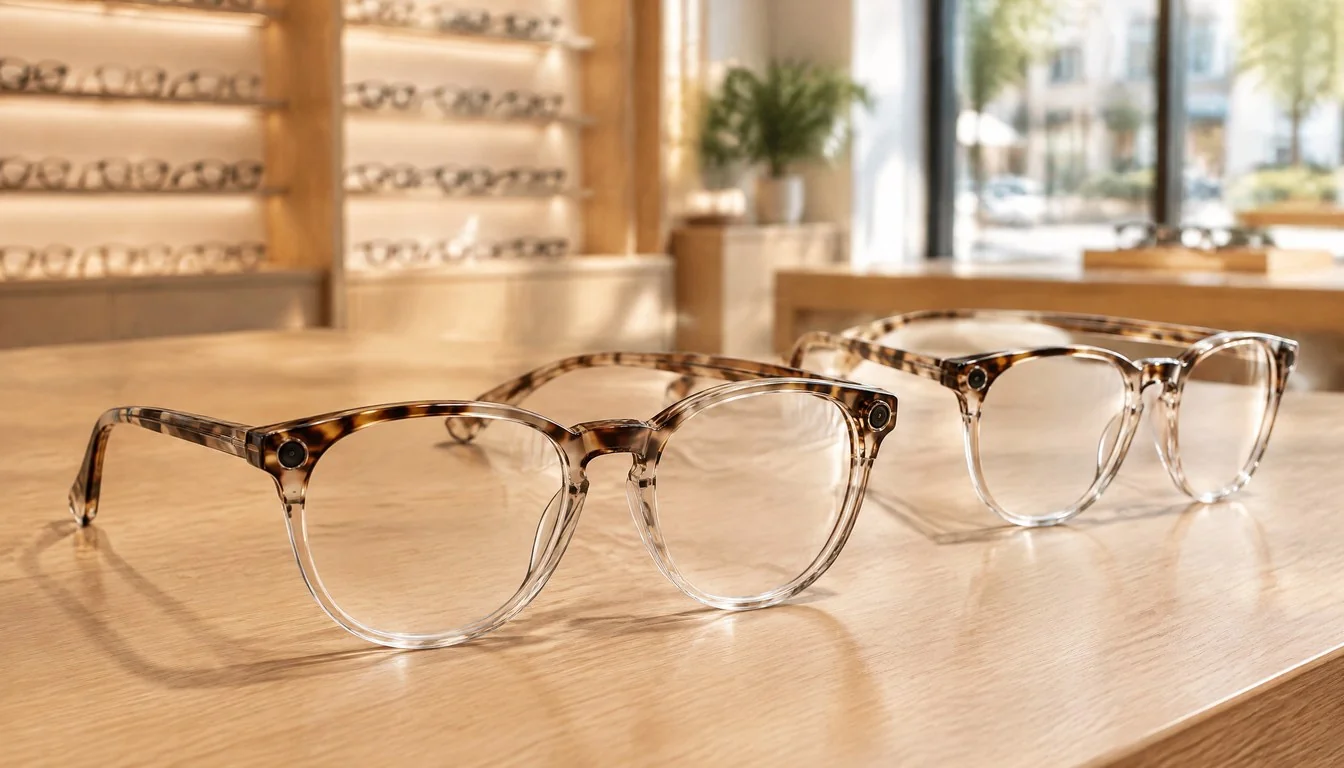
On November 6, 2026, Warby Parker disclosed that pre-orders for its first Android XR smart glasses will open on November 12, 2026. Dubbed "Intelligent Eyewear," the collection marks the very first consumer hardware release date tied to Google's extended reality platform. According to details shared by shattered.io, customer deliveries are slated to land during the 2026 holiday shopping season, giving Google a commercial wearable vehicle right before the year ends.
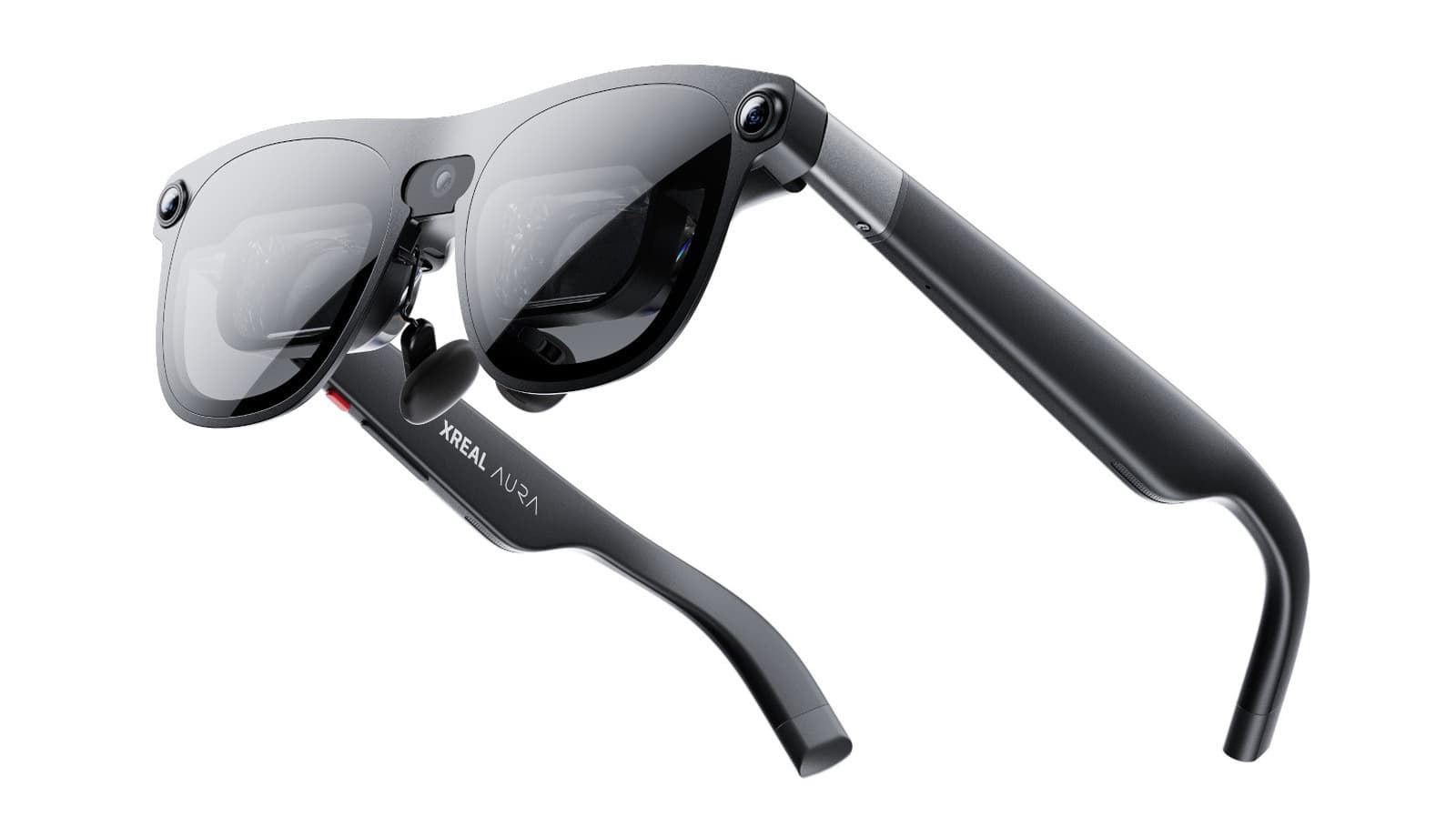
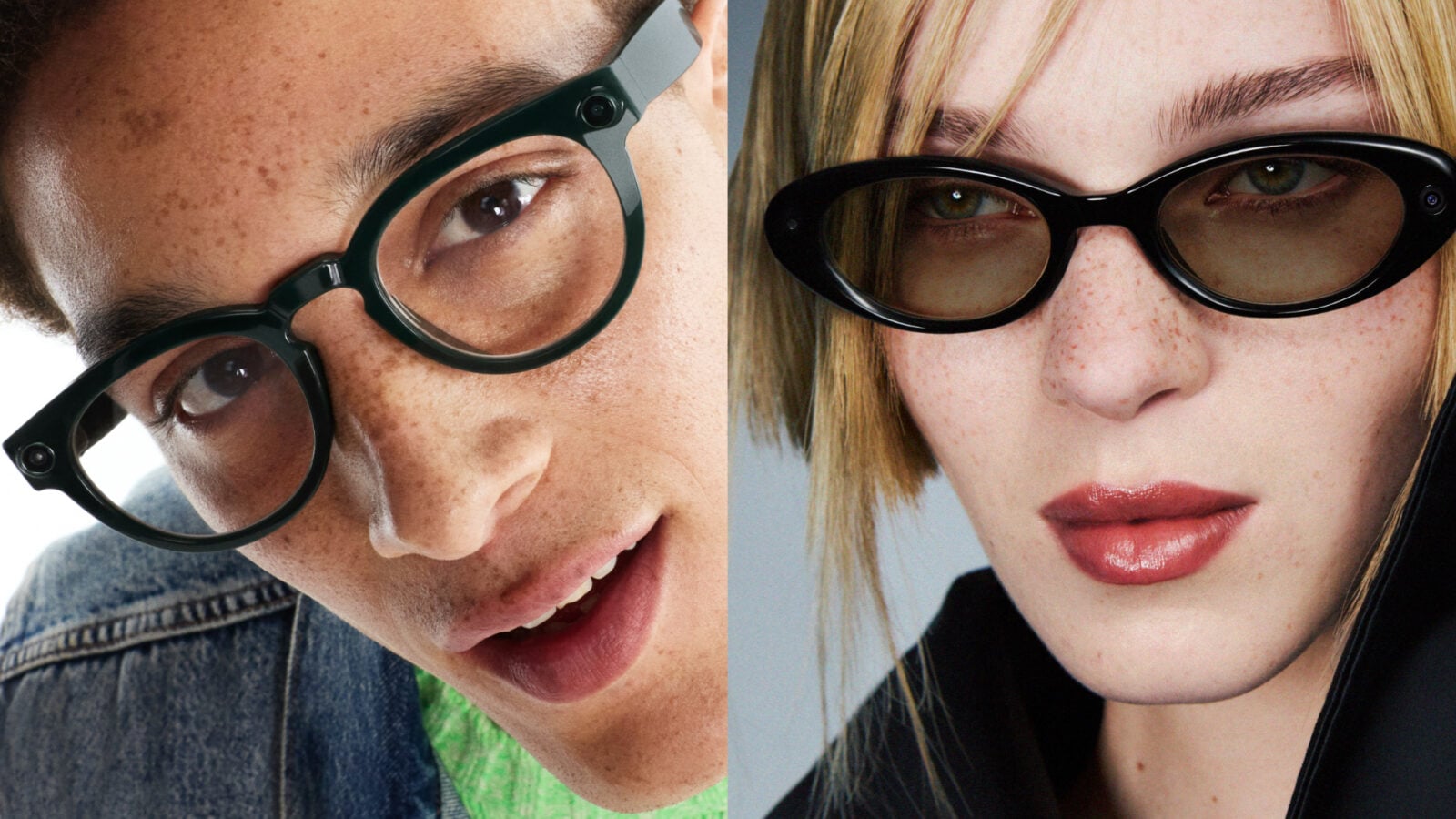
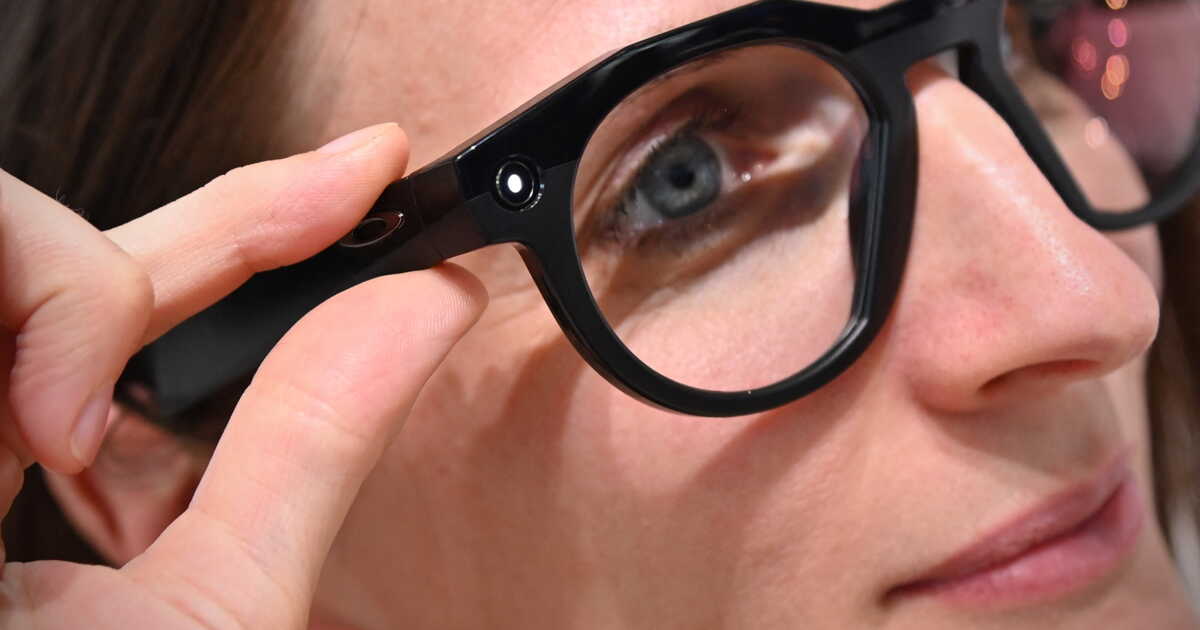
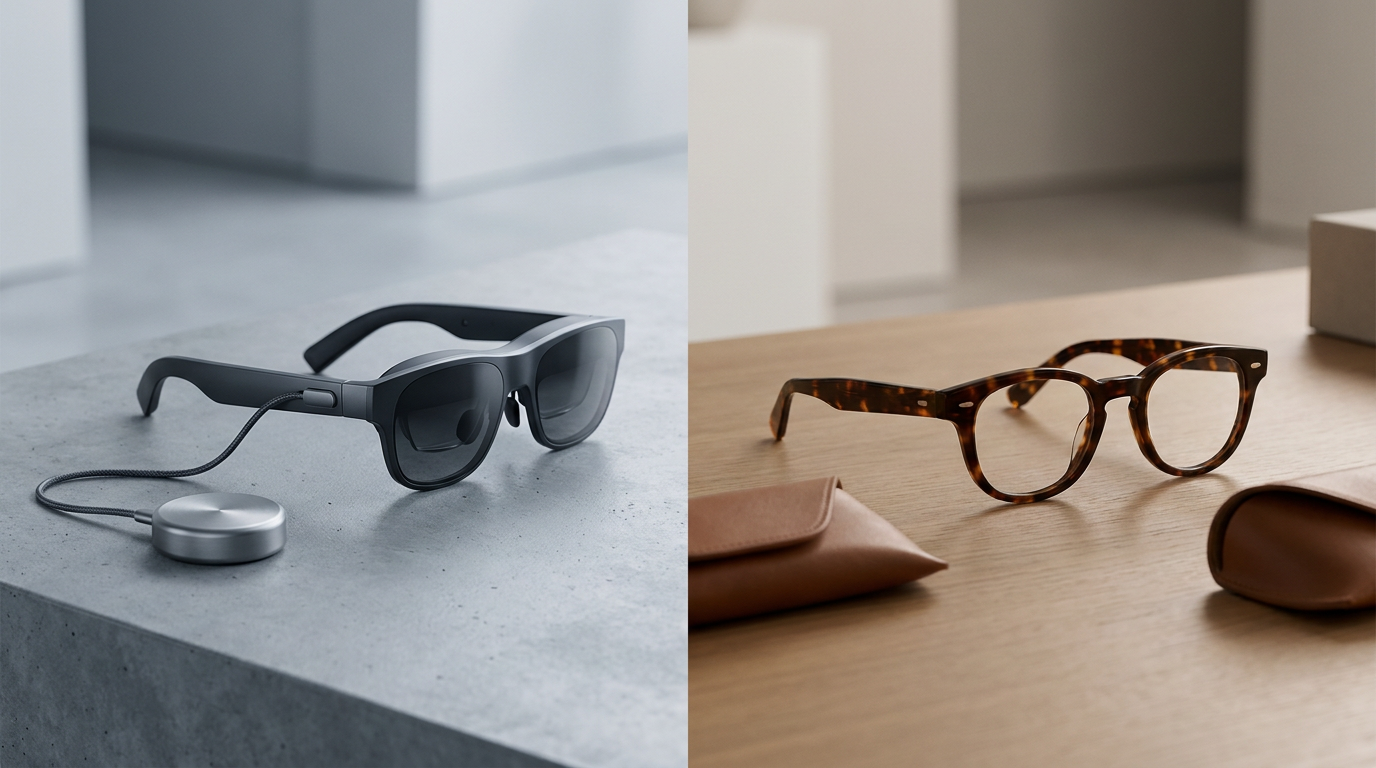
The glasses emerge from an official collaboration between Warby Parker and Google designed for all-day wear. The hardware will be audio-focused, sporting onboard cameras and direct access to Google's Gemini multimodal AI. Buyers will be able to order the frames with both prescription and non-prescription optical lenses, leaning heavily on Warby Parker's established retail and lens-fitting pipeline.
As Engadget noted, the retailer's disclosure effectively spilled the beans on Google's broader Android XR timeline. Mountain View has spent much of the past year discussing spatial software and ambient intelligence in conceptual terms, but it had yet to commit to a firm consumer launch day. By setting a public pre-order window just six days out from its announcement, Warby Parker turned an abstract platform initiative into a concrete retail product.
What this means: Google is borrowing Meta's exact playbook, and for good reason. Meta proved that turning tech gadgets into everyday eyewear requires an authentic fashion partner, relying on EssilorLuxottica to make Ray-Ban Meta frames socially acceptable. By teaming up with Warby Parker, Google bypasses the dorky stigma of Google Glass and targets an urban, design-conscious demographic that already buys prescription frames online. It also guarantees that customers who need corrective vision are not treated as an afterthought at checkout.
How it compares: The feature set puts Intelligent Eyewear in direct competition with the Ray-Ban Meta glasses and emerging voice-first frames from competitors like Solos. Rather than cramming heavy waveguide displays into the acetate temples, Warby Parker and Google are keeping the weight and battery draw manageable by focusing on open-ear audio, camera input, and voice interactions driven by Gemini. If Google's multimodal latency can rival Meta AI, the competition in ambient audio eyewear will heat up immediately.
Our take: The crucial test will be software execution. Android XR needs to prove that it can run light, responsive micro-interactions on ultra-low-power eyewear without burning through the battery in two hours. If Warby Parker can deliver all-day comfort with seamless Gemini visual lookup, this launch could establish Android XR as a legitimate counterweight to Meta's wearable ecosystem.
Interactive guide: prices, displays, cameras, battery.
Share this story