Manufacturer News · Google
Google and Warby Parker Set November 12 Pre-Orders for Audio-First Android XR Glasses
Warby Parker opens pre-orders this week for its screenless Gemini-powered smart glasses, targeting holiday deliveries.

On November 9, 2026, Warby Parker confirmed that pre-orders for its first collection of Android XR smart glasses will open on November 12, targeting deliveries in time for the holiday season. Revealed during the eyewear brand's third-quarter earnings report, the rollout represents Google's first commercial hardware release under the revamped Android XR banner. While Warby Parker co-founder and co-CEO Dave Gilboa outlined the shipping timeline and announced in-store fitting appointments, official retail pricing remains undisclosed.
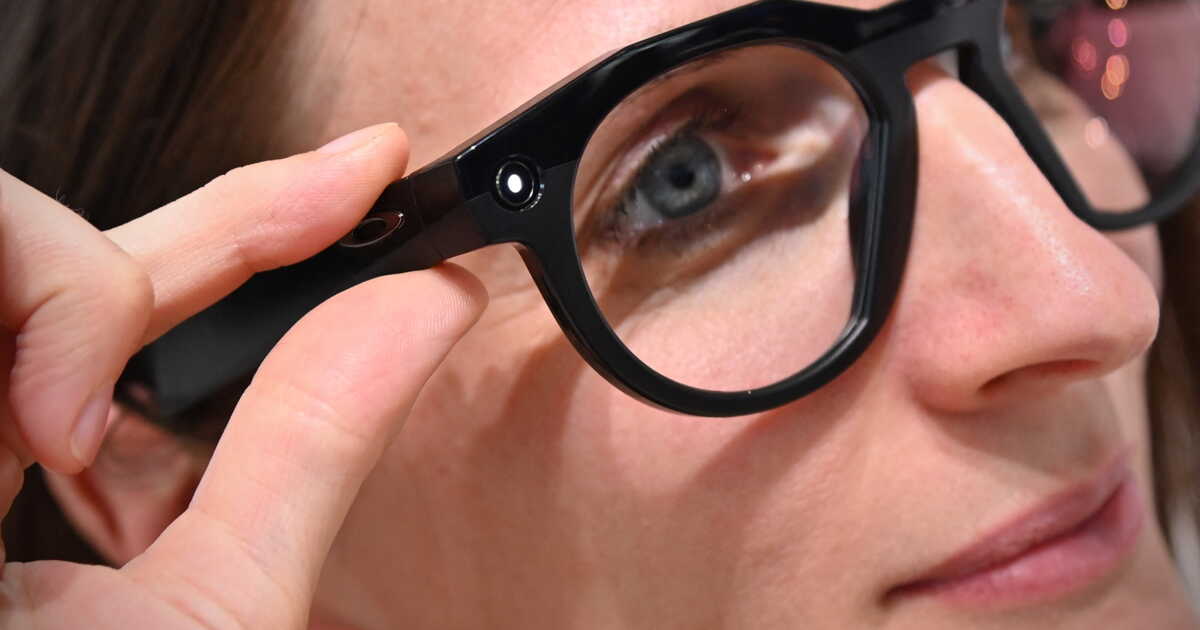
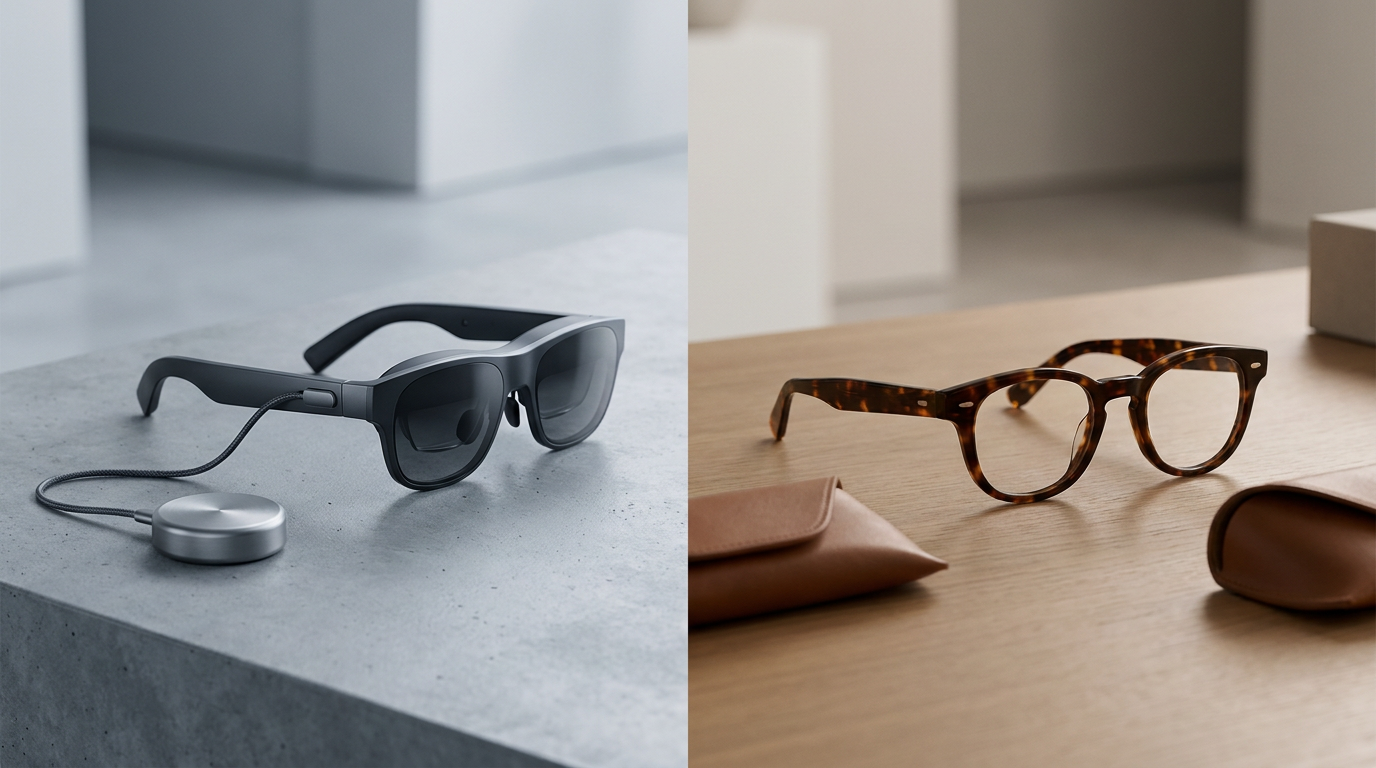
The frames adopt an audio-first, display-free architecture tailored directly for everyday wear. Rather than projecting visual graphics into the user's field of view, the hardware relies on embedded open-ear speakers, directional microphones, and front-facing cameras. Wearers interface directly with Google Gemini through voice commands or via capacitive touch sensors built into the temple arms, enabling quick photo capture, video recording, media playback, and ambient assistance. Operating as a companion accessory, the glasses offload computing tasks to a paired handset, with confirmed support across both Android and iOS.
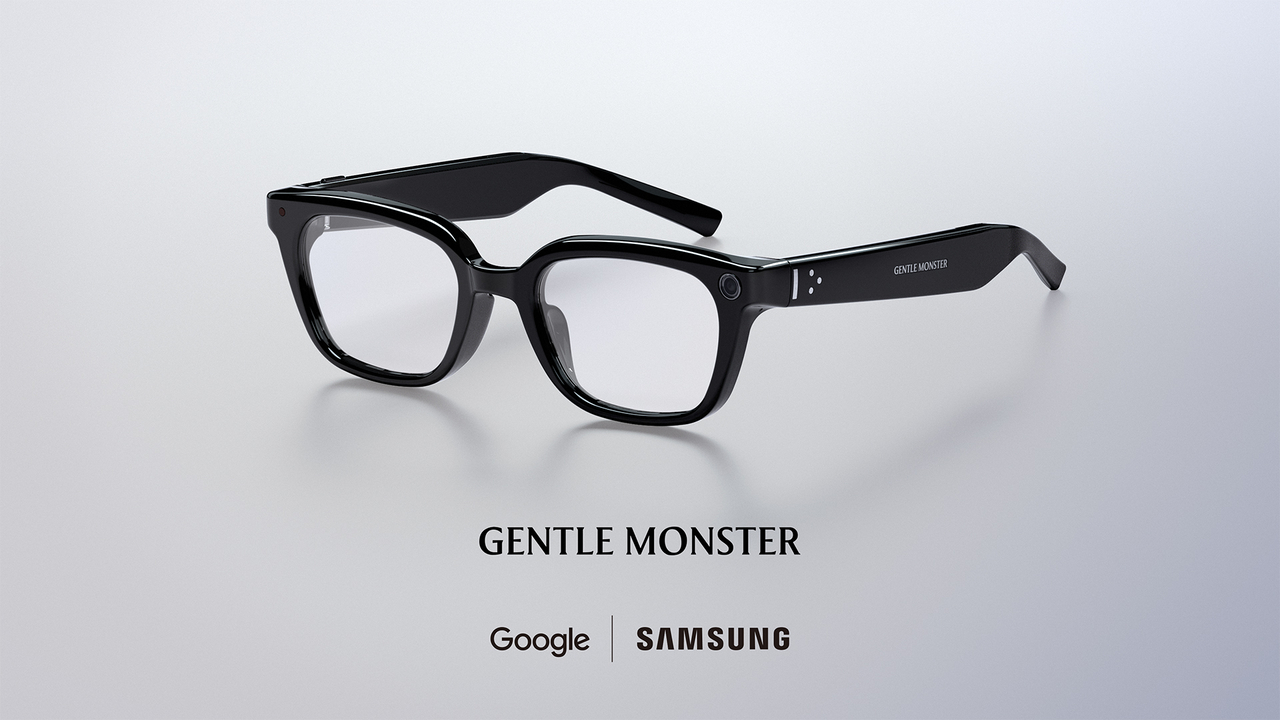
This debut represents the first retail execution of the smart eyewear initiative Google detailed at Google I/O, combining Google's platform with hardware from Samsung, Warby Parker, and Gentle Monster. While Warby Parker is moving ahead with conventional, prescription-friendly frames for its November drop, Gentle Monster has not yet committed to a firm release date for its more fashion-forward frames. Google has previously teased display-equipped smart glasses for 2027, but this initial commercial push keeps hardware light and battery requirements modest by eliminating optics entirely.
As journaldugeek.com reports, the device concept functions as a direct rival to Meta's Ray-Ban smart glasses, matching the competition feature for feature across real-time translation, hands-free messaging, navigation cues, and visual querying. However, journaldugeek.com notes that the launch arrives amid ongoing privacy concerns surrounding face-mounted cameras, an issue that continues to draw consumer scrutiny despite privacy LED indicators and software safeguards.
What this means: Google is taking the most practical route available by bypassing heavy optical engines for its initial retail push. Meta proved that consumer willingness to wear hardware on their faces depends almost entirely on weight, aesthetics, and battery life, not bulky waveguide displays. By partnering with Warby Parker to deliver standard acetate frames and backing them with Gemini multimodal intelligence, Google gets an immediate foothold on faces without having to solve the display physics that have delayed full AR glasses for years.
How it compares: The critical question hanging over the launch is retail pricing. Meta established the category standard at a $299 baseline with extensive retail presence. If Warby Parker prices this initial collection significantly higher, mainstream momentum could be difficult to build. Even so, universal compatibility with both iPhone and Android gives Google a clean opportunity to capture users who want high-tier voice AI without locking themselves exclusively into the Meta ecosystem.
Interactive guide: prices, displays, cameras, battery.
Share this story