News · Meta
Ray-Ban Meta Security Bypass Lets Researcher Run Custom Apps
A security researcher exploited phone-to-glasses communications to install unauthorized code on Ray-Ban Meta hardware, exposing weaknesses in local signature checks.

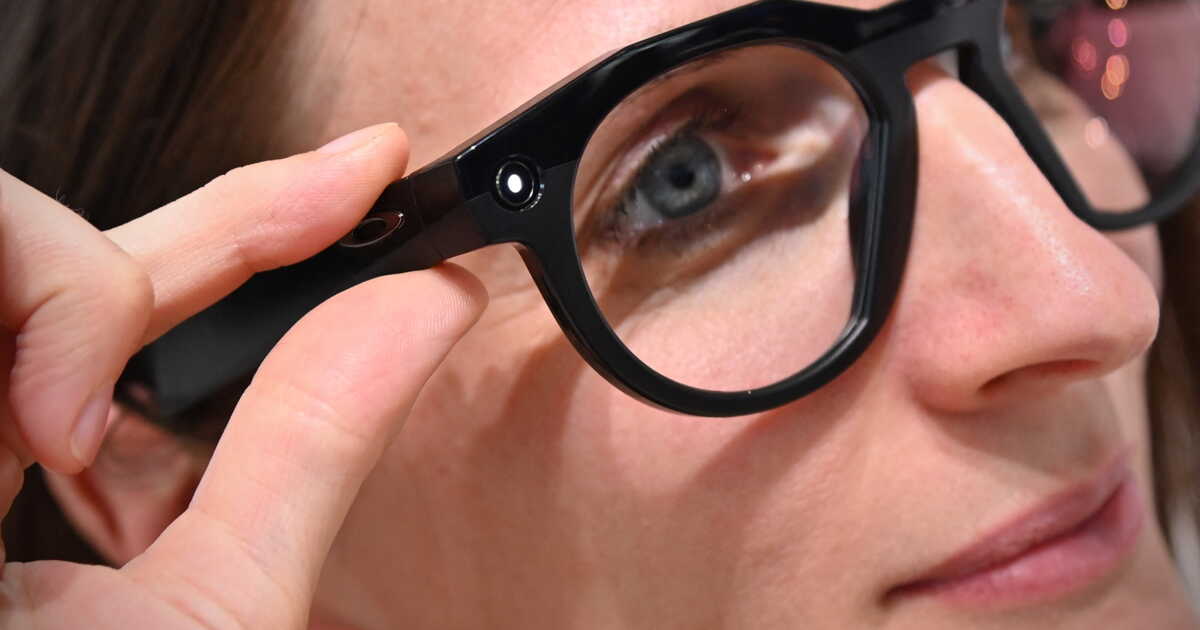
Reported on November 9, 2026, security researcher Paula Pamoutaf disclosed a method to bypass application signature checks on Meta's Ray-Ban smart glasses, enabling the installation and execution of unauthorized software on the wearable hardware. According to reporting by techtimes.co.uk, the vulnerability allows an attacker with access to a paired smartphone to run self-signed applications and open an interactive command shell on the eyewear.
The attack method did not require opening the glasses or physically soldering onto the internal board. Instead, techtimes.co.uk reports that Pamoutaf targeted the communication pipeline between the Meta AI smartphone companion app and the glasses themselves. By intercepting over-the-air firmware update calls, the researcher obtained a complete firmware package to reverse-engineer how the eyewear manages external applications. That investigation revealed a major oversight in Meta's Device Access Toolkit (DAT), the framework responsible for bridging handset applications with the glasses.
According to the researcher's findings cited by techtimes.co.uk, firmware version 126 and older failed to verify that the toolkit's Android application package was authentically signed by Meta. Pamoutaf swapped the official package with a self-signed equivalent on the paired mobile device, used a camera sample app to initiate a live session, and opened an interactive command shell directly over Wi-Fi Direct. Crucially, the demonstration relied on modifying a device already under the researcher's control, meaning it does not represent an over-the-air, zero-click remote exploit capable of targeting unsuspecting passersby.
What this means: This vulnerability highlights the complex security boundaries that smart glasses manufacturers face. Ray-Ban Meta smart glasses run an Android-based operating environment powered by Qualcomm's Snapdragon AR1 Gen 1 platform, but the user experience is tightly sandboxed. By relying on a paired smartphone to handle heavy lifting, update delivery, and local network verification, Meta inadvertently created an attack vector where a compromised or modified handset can feed forged payloads to the hardware on your face.
Our take: For the broader smart glasses scene, this research is a double-edged sword. On one side, consumer privacy advocates will reasonably worry about rogue code accessing onboard microphones, spatial audio streams, and ultra-wide camera sensors without explicit user consent. On the other hand, the hardware hacking community has spent years wishing Meta would provide an official developer sandbox or open API for the Ray-Ban Meta platform. The hardware remains among the best everyday consumer smart glasses on the market, but Meta's walled garden prevents developers from building custom offline utilities, translation tools, or alternative vision models.
Meta is certain to patch signature enforcement across newer firmware updates to lock down the Device Access Toolkit. However, as AI wearables evolve from simple audio-camera frames into fully autonomous spatial computers, hardware makers will need to implement defense-in-depth security that treats the companion smartphone as potentially untrusted territory.
Interactive guide: prices, displays, cameras, battery.
Share this story