Analysis · -
The 2027 Optical Mirage: Why True AR Eyewear Just Put Itself on Ice
While Snap and Savage push display-equipped hardware into 2027, Rokid and Samsung are stripping out optics to win today. The dream of consumer visual AR just took an involuntary two-year hiatus.
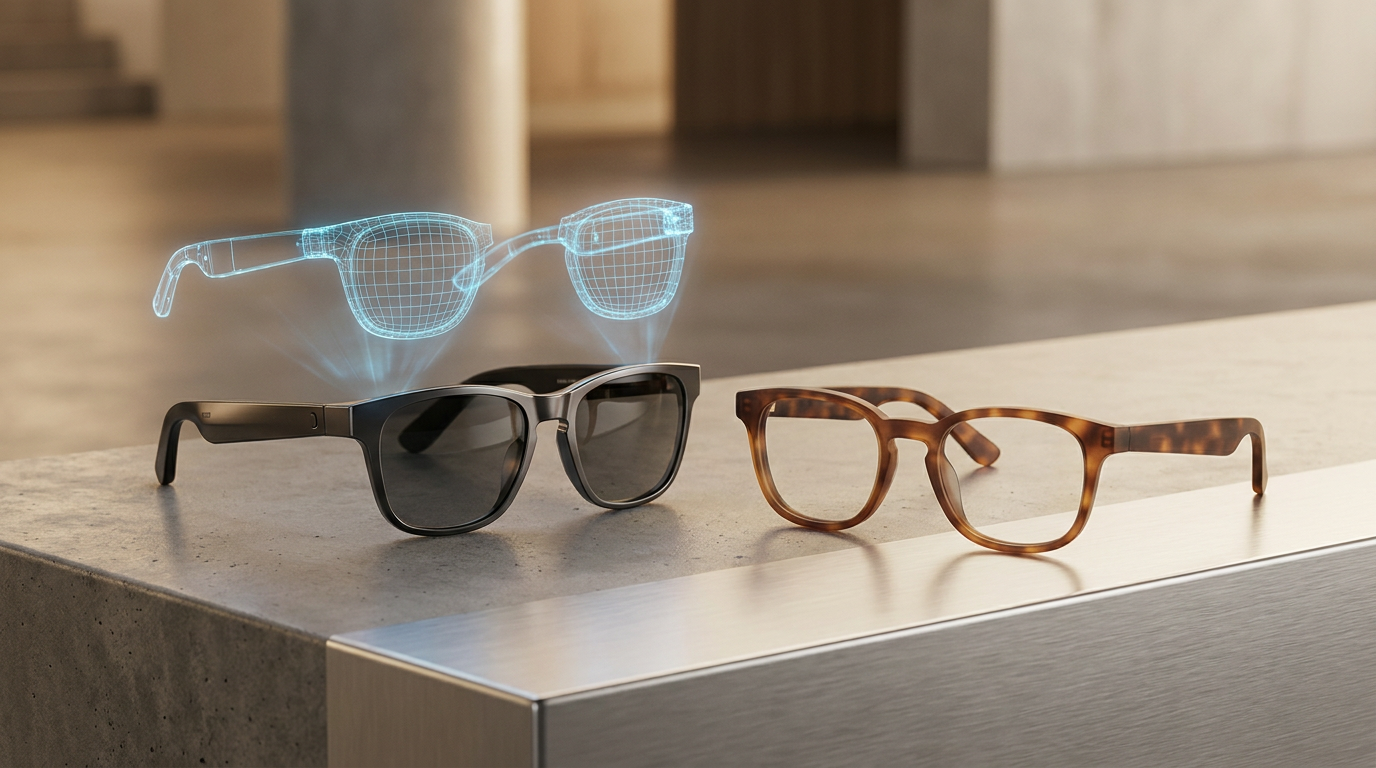
Look at the delivery dates across the high-end smart eyewear landscape right now, and an unmistakable pattern emerges. Snap quietly updated its order portal to shove new buyers of its $2,195 Specs into early 2027. Across the Pacific, Hong Kong startup Savage opened reservations for its 45-gram Orrorin frames, promising binocular micro-displays and spatial pinch gestures, but with an identical fulfillment horizon of March 2027. If you want true visual augmented reality that fits reasonably well on a human face, the industry's collective answer is unanimous: check back in two years.
That timeline is not just an awkward supply chain hiccup. It is an outright surrender of the consumer present. For half a decade, hardware evangelists insisted that camera-and-speaker frames were merely an appetizer while waveguide and micro-display technology matured. Yet the moment those displays try to leap from optical test benches to consumer production lines, retail dates vanish into the late 2020s. By placing visual smart glasses on an extended layaway plan, spatial hardware makers have inadvertently handed the entire commercial playing field to display-less pragmatism.
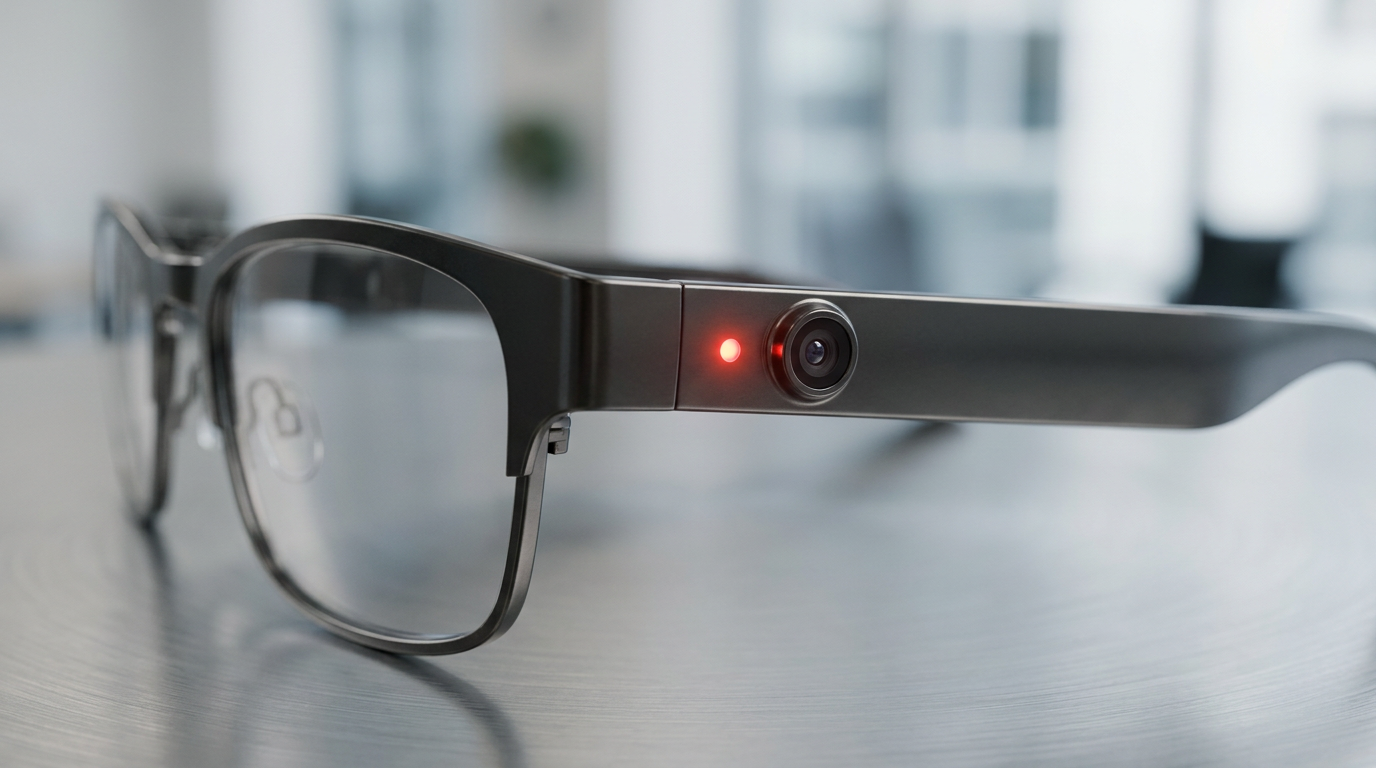
Look no further than Rokid to see how this reality check is altering corporate survival strategies. Rokid spent years waving the flag for consumer display glasses, even taking the stage at Web Summit to champion spatial accessibility and live heads-up captioning. Yet when it came time to unveil a consumer product ready for immediate scale, the company revealed the Rokid Style: an ultralight, 38.5-gram frame that deliberately strips out waveguide optics entirely. By dropping the screen, Rokid secured a svelte D-shaped silhouette, titanium hinges, and a claimed 12 hours of battery life that no optical engine on Earth could deliver today.
Rokid is not alone in abandoning the optical arms race to capture real-world market share. Samsung is preparing its own winter assault on the wearable space, collaborating with Google, Warby Parker, and Gentle Monster on a 41-gram pair of Gemini-powered frames. Notice what Samsung pointedly refused to include: a display. Rather than forcing early adopters to look like cyborgs or tether themselves to external computing pucks, Samsung is betting its enterprise weight on voice-first ambient intelligence and multimodal vision.
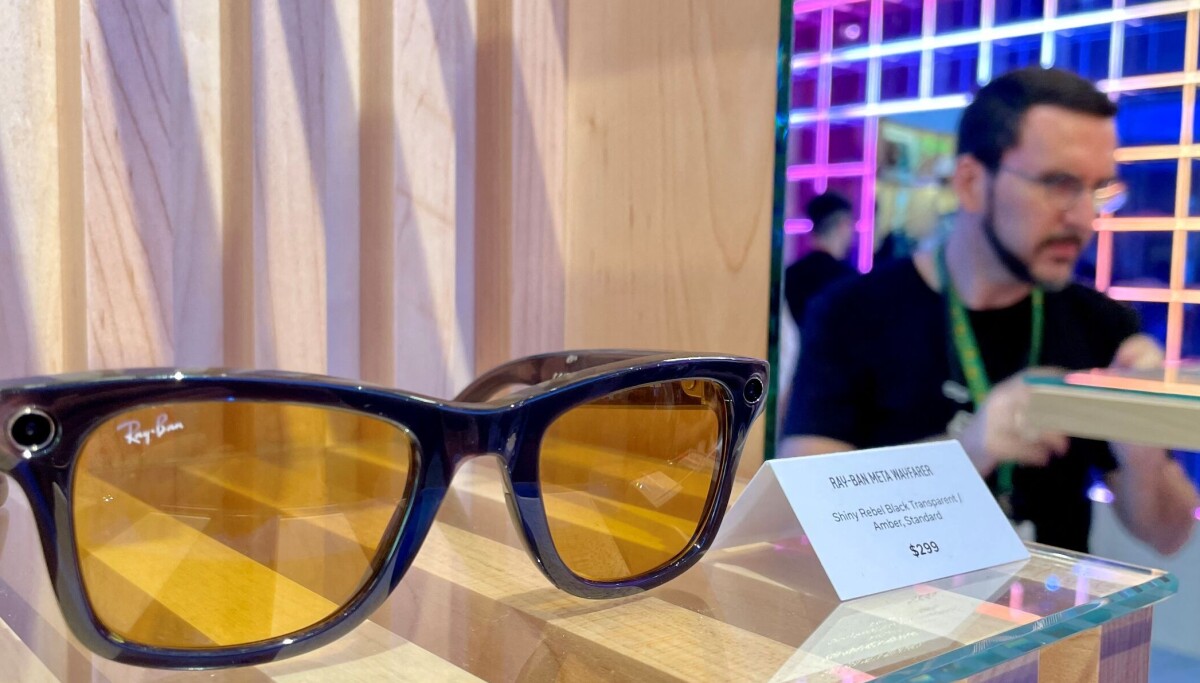
The contrast between the shippers and the dreamers has never been more stark. On one side, you have Meta expanding its Ray-Ban and Oakley lineup into South Africa while driving price points down to $249 with the entry-level Adventurer. On the other side sits Snap, demanding a breathtaking $2,195 for Specs and asking consumers to tolerate a multi-month queue before they even receive a shipping confirmation. One strategy builds a mainstream installed base numbering in the millions, while the other manufactures boutique development kits disguised as consumer retail hardware.
Savage Technology represents the purest distillation of this optical paradox. On paper, its Orrorin glasses sound like the holy grail that Silicon Valley failed to produce: binocular color micro-displays, dual eye-tracking cameras, 1,800 nits of peak brightness, and gesture controls, all crammed into a 45-gram chassis for $799. It is a stunning spec sheet that would instantly embarrass Meta and Apple if it existed on store shelves tomorrow. But Savage is only taking deposits today, asking enthusiasts to finance a speculative hardware build scheduled for delivery more than a year out.
We have seen this movie before in consumer electronics, and it rarely ends well for early pre-order campaigns. When startups take hundreds of dollars to develop complex optical engines that even trillion-dollar tech giants cannot miniaturize, physics usually extracts a devastating toll. Squeezing binocular displays, 64 megabytes of system memory, eye cameras, and a 450 mAh battery into 45 grams borders on hardware alchemy. By the time March 2027 actually rolls around, either the physical specifications will be diluted, or the broader market will have evolved past the initial value proposition.
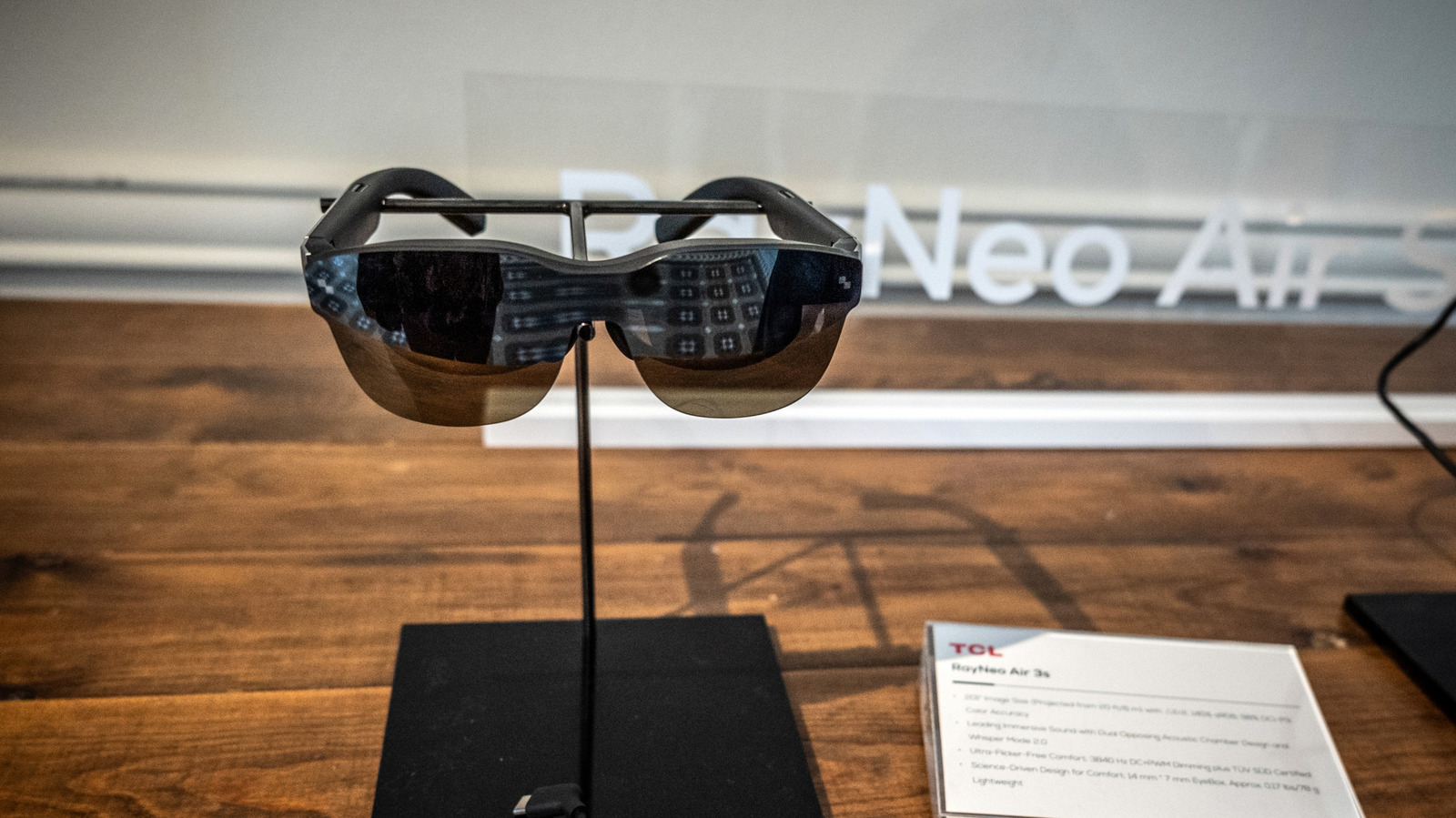
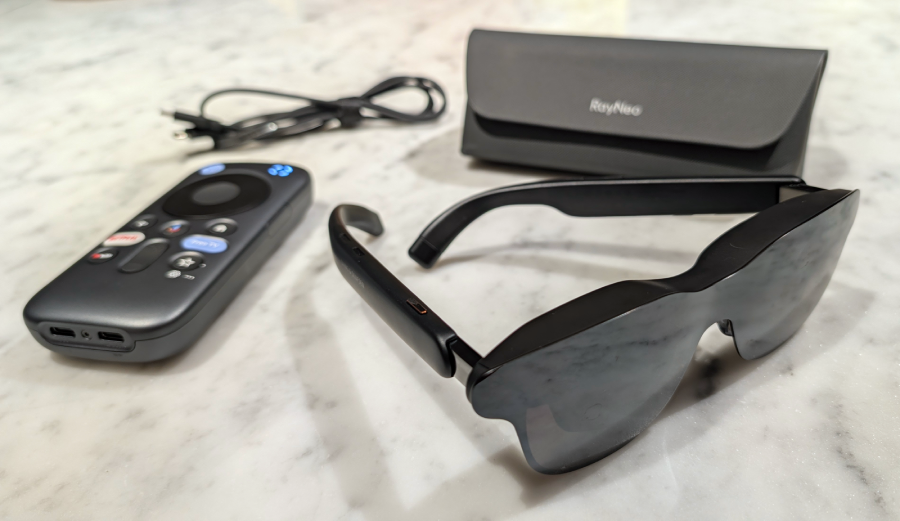
The uncomfortable truth is that consumer tolerance for optical compromises has hit a wall. When display glasses like the RayNeo GT succeed, they do so by admitting their boundaries: a 68-gram tethered monitor replacement explicitly built for airplanes and stationary laptop work. RayNeo makes no pretense of creating an ambient, all-day social wearable, functioning strictly as an external screen on your nose. The moment you demand that a display frame walk down a city street, provide all-day battery, look like normal acetate, and stay under 50 grams, the engineering math implodes.
That engineering breakdown is precisely why screen-free designs are mopping up retail sales. While Snap guards its meager inventory behind velvet ropes and refundable deposits, mainstream buyers are purchasing hardware they can actually take home today. The sheer wearability of a 38.5-gram Rokid Style or a 41-gram Samsung frame solves the single most critical adoption barrier: facial fatigue. Consumers are voting with their wallets for glasses that feel like glasses, even if it means sacrificing spatial graphics for conversational AI.
Hardware roadmaps in the smart glasses sector have spent years living on borrowed optimism. Every keynote promised that waveguide breakthroughs and micro-display efficiency gains were right around the corner, just one product cycle away. But Snap and Savage have finally forced the industry to state the quiet part out loud: consumer-grade visual AR is not coming next quarter, or even next year. Pushing delivery dates to 2027 is a tacit admission that ambient displays are stuck in engineering purgatory.
By the time these promised optical flagships finally arrive on customer doorsteps in 2027, the cultural landscape will look entirely different. Consumers will have spent two full years acclimating to lightweight, screenless audio frames from Samsung, Meta, and Rokid that seamlessly handle their daily tasks through voice and computer vision. The bar for why anyone should tolerate the weight, heat, and cost of an optical display will be impossibly higher. The spatial pioneers thought they were buying time; in reality, they just handed their future away.
Interactive guide: prices, displays, cameras, battery.
Share this story