News · Meta
Dutch Rights Groups Take Meta to Court to Halt Smart Glasses Sales
A civil lawsuit in Amsterdam seeks an immediate ban on Ray-Ban Meta smart glasses over public privacy concerns. A verdict is expected by late December.

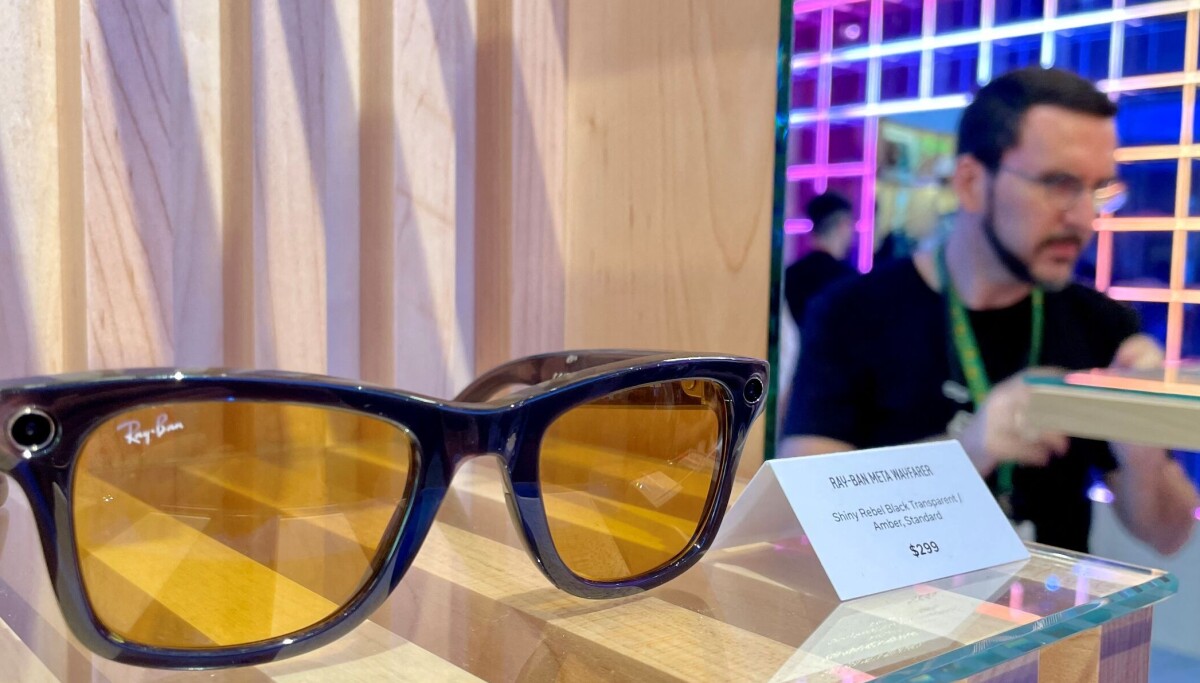
On November 26, 2026, Dutch consumer and digital rights groups asked the Amsterdam District Court to halt sales of Meta AI-powered smart glasses across the Netherlands. The plaintiffs argue that the camera-equipped eyewear, co-developed with Ray-Ban owner EssilorLuxottica, breaches European privacy regulations by enabling wearers to record bystanders without their knowledge or consent.
The coalition filing the summary civil action includes Consumentenbond, the Netherlands' leading consumer association, alongside Offlimits, an organization campaigning against online sexual abuse. As reuters.com reports, the groups claim the hardware fosters constant unease in public spaces, creating a chilling effect across daily life. Beyond halting retail distribution, the lawsuit demands that Meta prevent covert recording, cease utilizing captured footage to train artificial intelligence models, and face daily non-compliance penalties of 100,000 euros (around $109,600) per defendant, up to a maximum cap of 100 million euros.
The legal pushback follows direct warnings from the Dutch Data Protection Authority (AP), which advised consumers earlier in the month against purchasing camera-enabled smart eyewear. According to reuters.com, Offlimits attorney Karlijn Han argued in court that the glasses are actively leveraged for illicit photography in sensitive settings, stating that "covert recordings are undoubtedly also being made during exams, in changing rooms, at swimming pools, in hotel rooms and hospitals, but also in playgrounds and on beaches," adding that "each invasion of privacy is worse than the last."
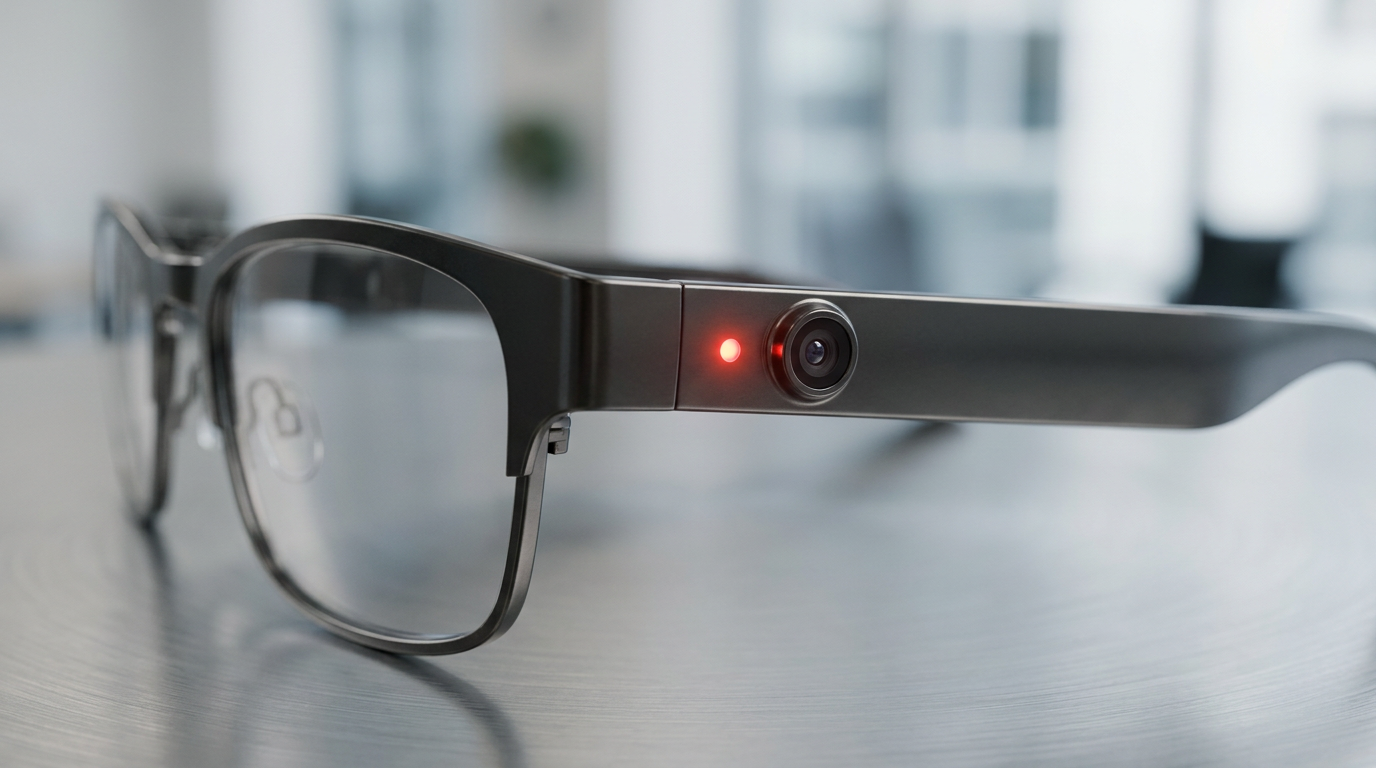
Meta strongly rejected the allegations through defense counsel Bastiaan Kemp, who urged the court to dismiss the case entirely. As reported by reuters.com, Kemp asserted that hardware manufacturers cannot shoulder liability for every instance of intentional user misconduct, arguing that granting the plaintiffs' demands would penalize legitimate buyers, hobble Meta's competitive standing, and trigger a de facto product recall. Meta maintained that the built-in LED capture light on the frame provides clear visual notification whenever media capture is underway.
What this means: European regulators and civil rights advocates are drawing a firm line between smartphones and face-worn computers. When a user lifts a phone, the physical gesture signals recording intent to everyone nearby. Smart glasses eliminate that social cue entirely, and privacy advocates have long argued that a tiny LED diode is insufficient notice in bright daylight or crowded venues. If the Amsterdam court grants an injunction, it will mark the first formal retail suspension of mainstream AI eyewear in an EU member state.
The presiding judge is scheduled to deliver a summary ruling by December 24, 2026. While the direct jurisdiction remains confined to Dutch borders, an adverse outcome for Meta could serve as an influential legal blueprint for consumer regulators across the broader European Union, placing the future of wearable cameras under intense scrutiny.
Interactive guide: prices, displays, cameras, battery.
Share this story