News · Meta
Dutch Privacy Groups Seek Sales Ban on Meta Smart Glasses
A coalition of Dutch consumer and privacy organizations has taken Meta to court, arguing that camera-equipped smart glasses violate European data laws.
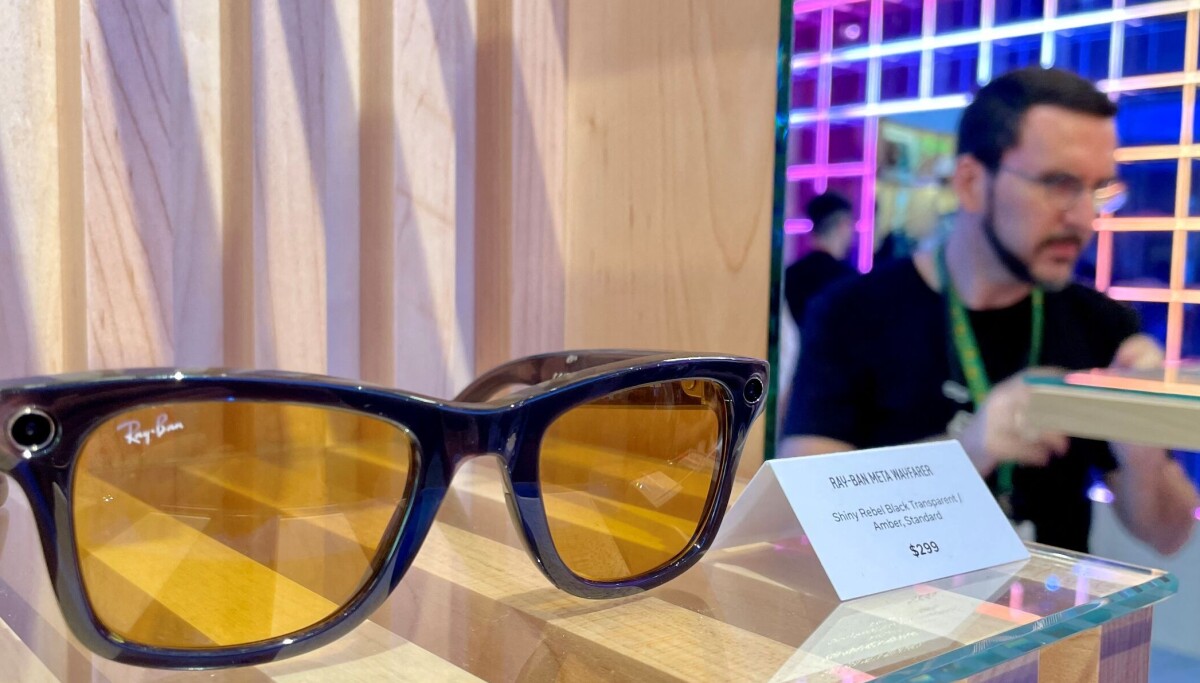
On November 26, 2026, privacy advocates and consumer protection groups in the Netherlands launched a direct legal challenge against wearable cameras, petitioning a Dutch court to halt sales of Meta smart glasses nationwide. According to reporting from lequotidien.lu, the coalition argued that camera-equipped eyewear poses a distinct threat to democratic society by normalizing covert recording in public spaces without bystander consent.
The legal action unites three key advocacy bodies: the Dutch Consumers' Association, online violence watchdog Offlimits, and tech monitoring group The Firewall. The plaintiffs contend that the product line violates the European Union's General Data Protection Regulation (GDPR) by collecting biometric and visual data of unconsenting citizens. During court proceedings, Offlimits attorney Otto Volgenant stated that democratic society is threatened when citizens are forced to constantly fear being filmed, as reported by lequotidien.lu, adding that the transmission of such footage to Meta's servers compounds the violation.
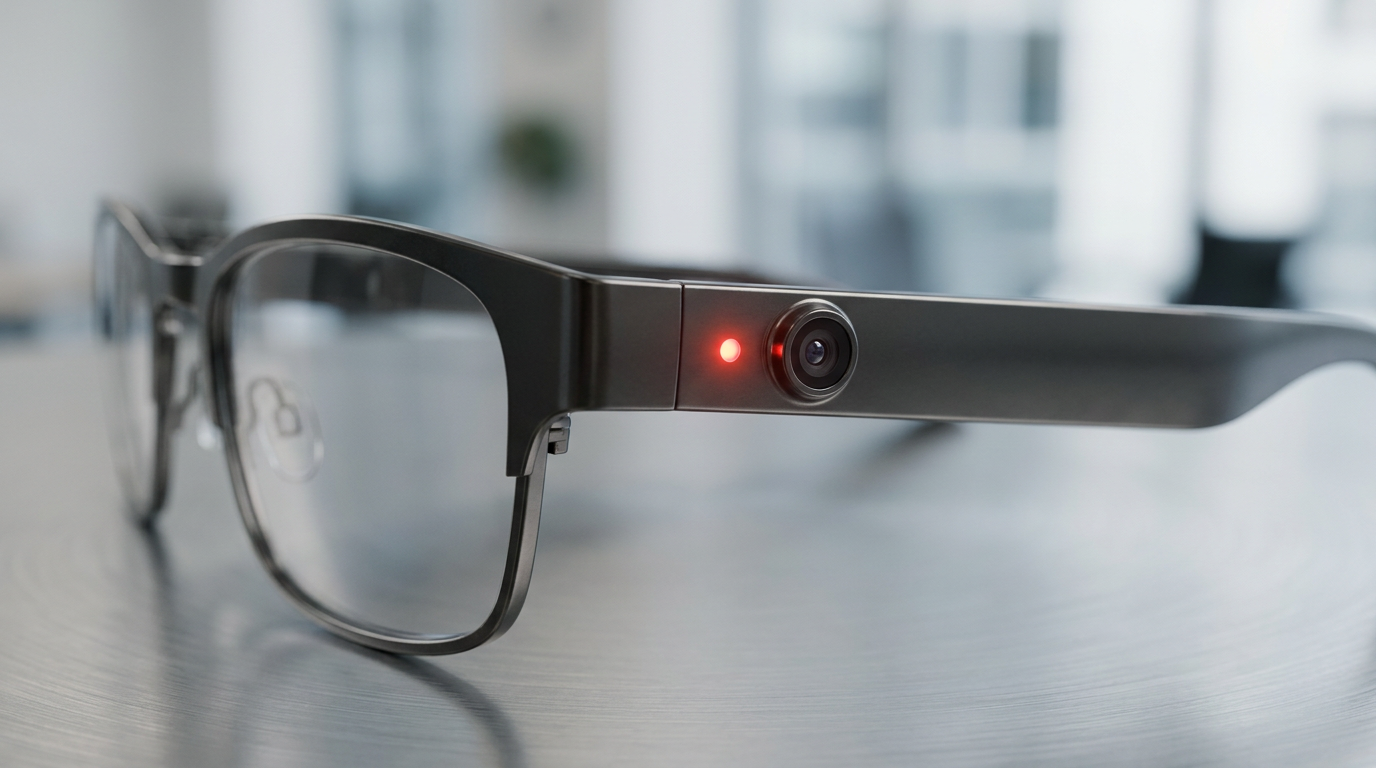
In response, Meta defended the design and functionality of its smart glasses, arguing that adequate privacy safeguards are already engineered into the hardware. The tech giant clarified that the frames do not record continuously or activate without an explicit user command, such as a physical button press or voice prompt. Meta also emphasized that a built-in notification light clearly signals to bystanders whenever an image or video recording is underway.
The Dutch lawsuit represents the sharpest legal confrontation facing consumer AI eyewear in Europe since the initial wave of scrutiny surrounding Google Glass more than a decade ago. While Ray-Ban Meta glasses have achieved mainstream retail success by disguising cameras inside classic eyewear silhouettes, privacy watchdogs have grown increasingly vocal. Critics often point out that tiny front-facing LEDs can be easily obscured with tape or missed in bright outdoor lighting, raising unresolved legal questions about whether passive indicators satisfy strict European privacy mandates.
What this means: The court battle in the Netherlands exposes the central dilemma confronting the smart eyewear sector. To gain mass consumer appeal, manufacturers must make smart glasses look indistinguishable from regular designer frames. Yet that exact visual subtlety is precisely what alarms European data regulators. If Dutch courts rule that ambient facial cameras inherently breach GDPR standards, Meta and other hardware brands could face localized sales prohibitions or be forced to ship neutered, camera-free editions for the European market.
Interactive guide: prices, displays, cameras, battery.
Share this story