Analysis · Meta
The Data Controller Ambush: How AI Glasses Offload Legal Risk to the Wearer
As German watchdogs sue Luxottica and South Korea criminalizes hardware tampering, Big Tech scales retail by offloading legal risk. Smart glasses have turned everyday buyers into unwitting targets.
Big Tech is celebrating an unprecedented retail victory lap for smart eyewear. Best Buy just credited AI glasses and smart rings for fueling a 6.2 percent domestic comparable sales surge in its third quarter, proving that consumer hesitation melts once shoppers try frames in person. At the same time, Meta is flooding stadiums with hardware, partnering with the San Francisco 49ers to ship over 4,700 pairs of Oakley Meta HSTN glasses directly to season ticket holders. On paper, connected eyewear has finally achieved cultural liftoff and mass-market retail legitimacy.
Look beneath the promotional gloss, however, and a much darker dynamic emerges. The hardware giants driving this boom are scaling rapidly by executing a quiet, cynical maneuver: externalizing severe legal and privacy liabilities onto the unsuspecting people buying their frames. Consumers purchase these devices thinking they are acquiring a convenient hands-free gadget. Instead, they are stepping directly into a global regulatory minefield without a helmet.
The first major fissure opened in Germany this week, where the country's premier consumer watchdog, the Verbraucherzentrale Bundesverband (vzbv), dragged Luxottica to court in Berlin. The lawsuit, filed at the Kammergericht, targets the eyewear titan for failing to warn customers before purchase that wearing Ray-Ban Meta glasses in public can legally classify them as data controllers under European Union law. In Germany, pre-contractual disclosure rules require retailers to explain the legal consequences of using a product. Luxottica sold the fantasy of seamless lifestyle recording while concealing the fact that wearers could face crushing individual liability under the GDPR.
Being labeled a data controller is not an academic technicality. Under strict European data frameworks, a data controller must establish a lawful basis for processing personal data, provide transparency notices to recorded subjects, and guarantee deletion rights. Everyday consumers capturing video at an outdoor cafe cannot hand out privacy disclaimers to passersby. By marketing smart frames as casual fashion accessories while omitting the crushing compliance burdens that come with ambient public recording, manufacturers are setting up their own customers to take the legal fall.
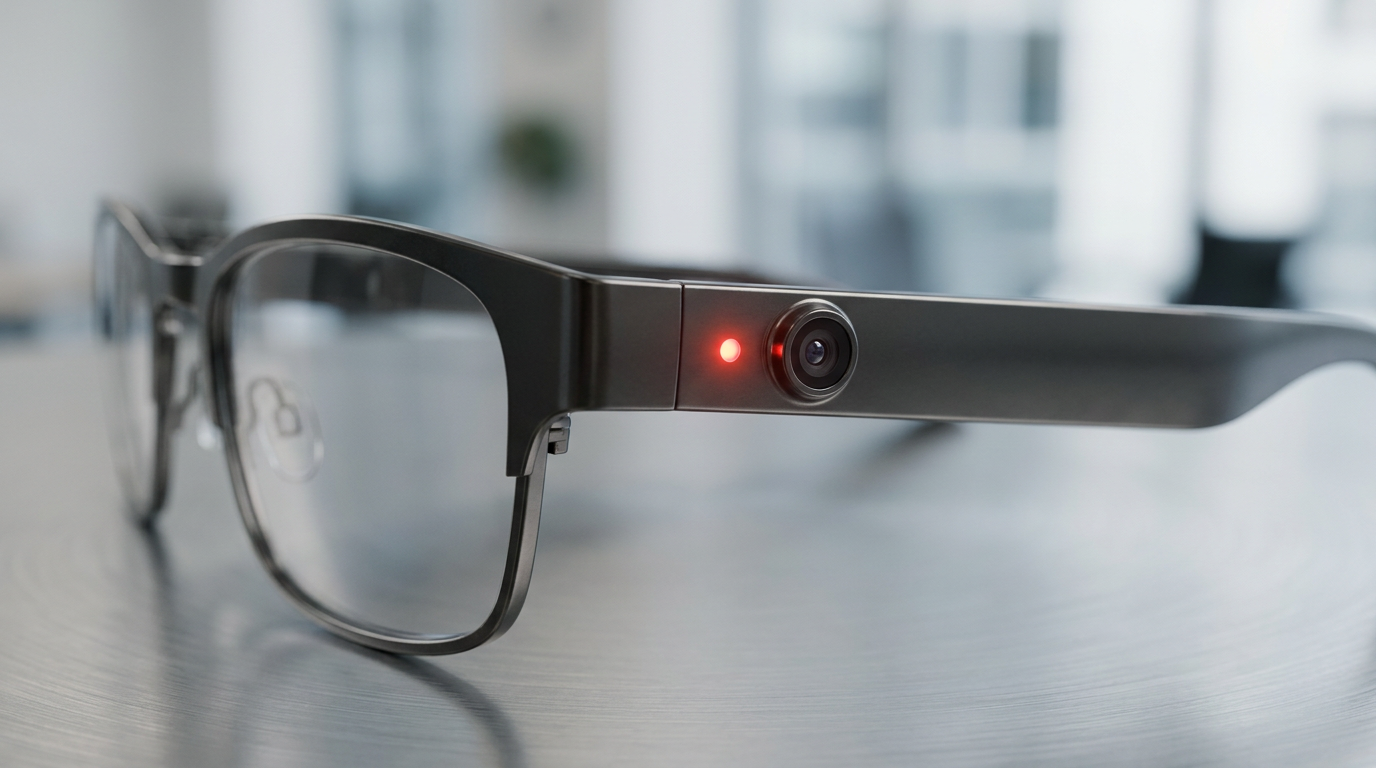
Across the Pacific, regulatory patience is eroding with equal speed. On November 26, South Korean lawmakers introduced the Smart Glasses Illegal Filming Prevention Act, an aggressive legislative package led by Representative Lee Ju-hee. The bill targets the loopholes of modern wearable surveillance by mandating tamper-proof hardware recording indicators on all smart glasses and establishing criminal penalties for anyone who modifies or disables them. Rather than treating hidden filming as a minor consumer infraction, Seoul is preparing to regulate the optical face with the rigor of surveillance law.
Notice who bears the immediate legal threat in the South Korean statute: the end user. If a wearer covers a flashing LED with tape or uses third-party firmware to mute a capture signal, that individual faces state prosecution. Hardware makers reap the hardware revenue and telemetry data, but when public backlash over covert recording bubbles into statutory law, it is the wearer who stands in the criminal docket. The device maker simply updates its terms of service and walks away clean.
Yet Meta and its luxury manufacturing partner are accelerating retail rollouts as if these regulatory storm clouds do not exist. On November 26, the companies officially expanded direct sales into South Africa, releasing the Ray-Ban Meta Gen 3 alongside the Oakley Meta Vanguard at prices reaching R10,599. They are aggressively pushing camera-laden frames into emerging consumer markets where local privacy frameworks are still scrambling to catch up. The corporate strategy is clear: establish hardware ubiquity first, let consumers normalize the form factor, and force local courts to sort out the wreckage later.
This calculated indifference reaches its peak in corporate promotional stunts like Meta's deal with the San Francisco 49ers. Dropping 4,700 pairs of Oakley Meta HSTN glasses into Levi's Stadium creates an unmonitored surveillance grid inside a packed, semi-public arena. Thousands of attendees will have their faces recorded, indexed, and processed without explicit consent, all under the guise of celebratory fan engagement. The franchise and the tech giant capture marketing buzz, but the social friction and potential legal pushback remain squarely pinned to the ticket holder wearing the plastic.
Smartphones never created this asymmetrical liability trap because the physical ergonomics of mobile recording established clear boundaries. Pulling a handset out of a pocket, raising an arm, and pointing a glass rectangle at a subject provides unmistakable social cues that permit negotiation or objection. Smart glasses dismantle that physical contract. By moving sensors to the temples and automating capture through glanceable voice commands, devices like the Ray-Ban Meta and Oakley HSTN make recording covert by default.
Hardware vendors understand this friction intimately, which is precisely why they hide behind user agreements and vague marketing copy. Luxottica sells high-fashion acetate and promises personal liberation, completely sidestepping the legal realities established by European regulators. Best Buy sells holiday impulse tech off retail endcaps without explaining that taking those frames into a gym, a school, or a locker room could trigger civil lawsuits or criminal investigations. The industry is willfully peddling high-risk surveillance nodes disguised as Ray-Bans.
The party cannot last much longer. As vzbv pushes its case through Berlin and South Korea codifies hardware-level recording mandates, the legal buffer protecting smart eyewear makers is evaporating. Silicon Valley and Paris cannot continue to collect high-margin hardware profits while treating their customers as human shields against privacy law. If smart glasses are ever going to become truly permanent consumer technology, the companies building them must design systems that protect wearers from legal peril rather than actively setting them up for it.
Interactive guide: prices, displays, cameras, battery.
Share this story