News · Rokid
Smart Glasses Hackathon Shatters Exam Defenses in 15 Minutes
A live security test in Seoul proved that AI eyewear can neutralize prompt injections, fake keys, and paper traps to solve graduate-level exams in minutes.
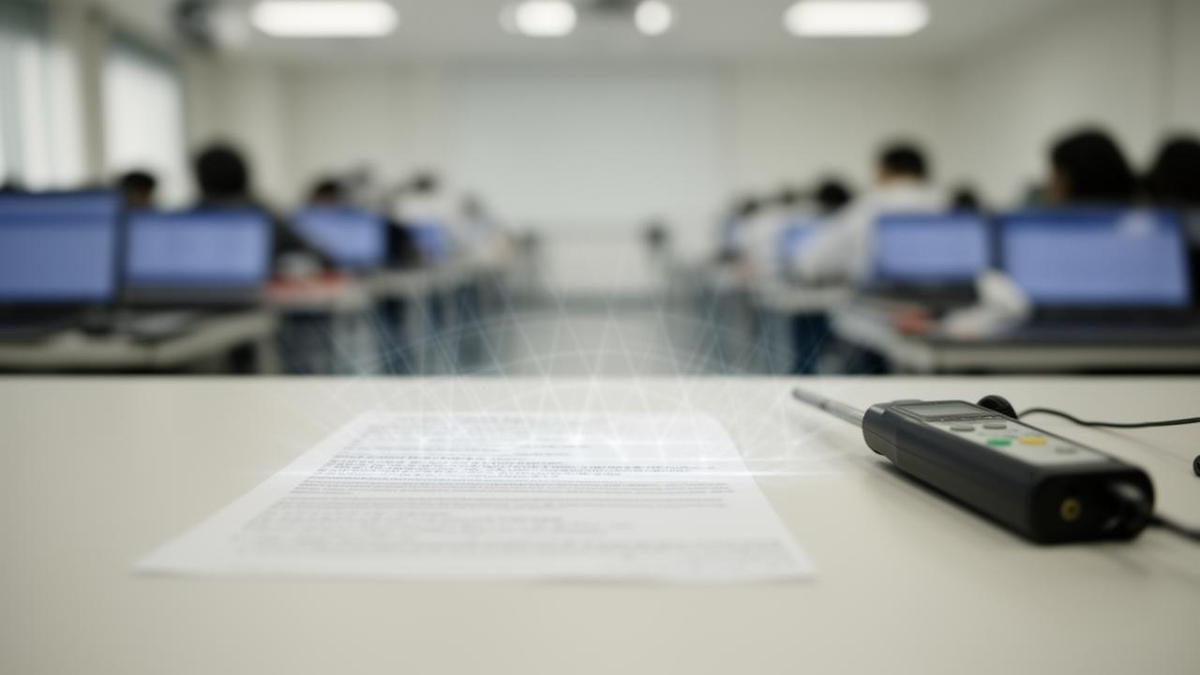
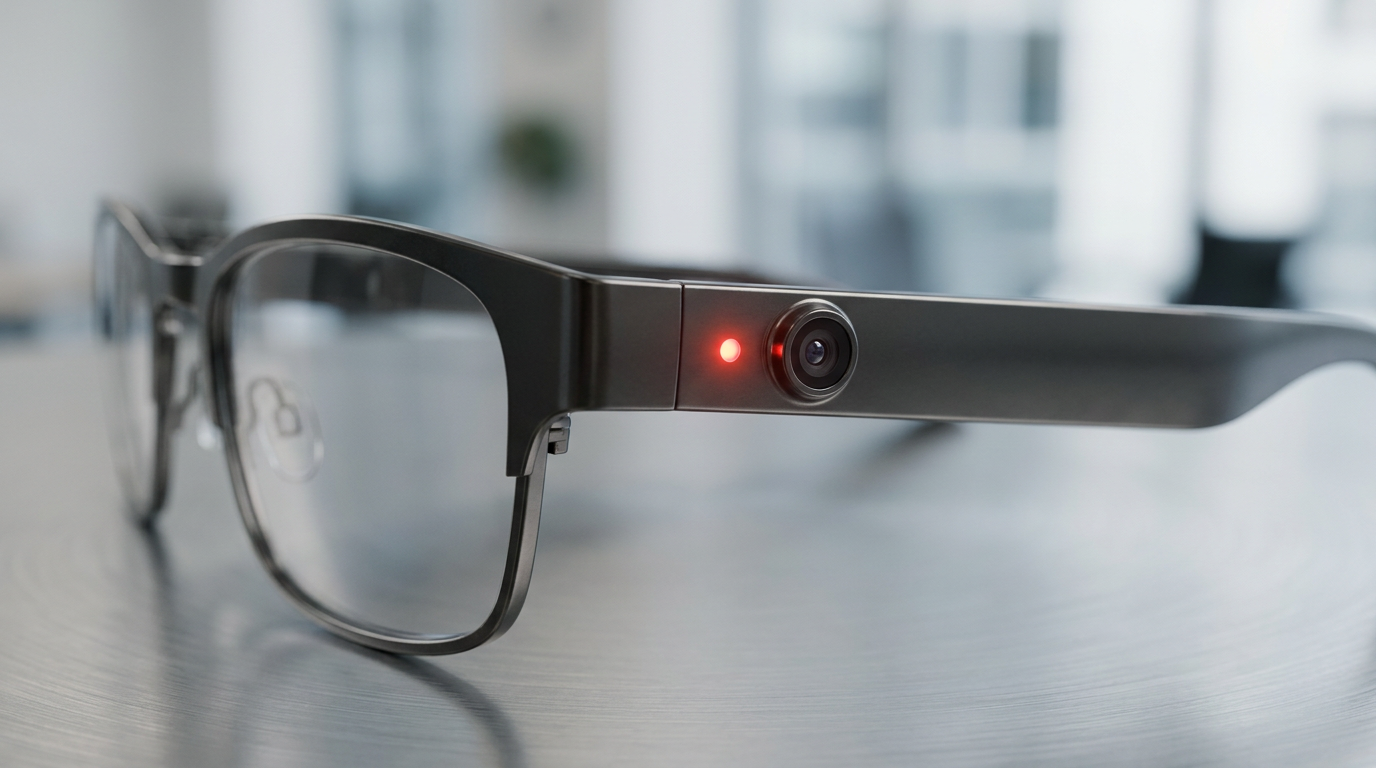
On November 27, 2026, details emerged from a live cybersecurity demonstration in Seoul proving that smart glasses can easily bypass anti-cheating countermeasures in high-stakes testing environments. Organizers at the "AI by Default Hackathon," hosted by community Das Numinus and backed by AI security firm AIM Intelligence, pitted an attacking team equipped with camera-enabled eyewear against defenders attempting to safeguard a graduate-level exam. Within a strict 15-minute window, the attackers successfully solved all eight questions across advanced medicine, French philosophy, and higher mathematics.
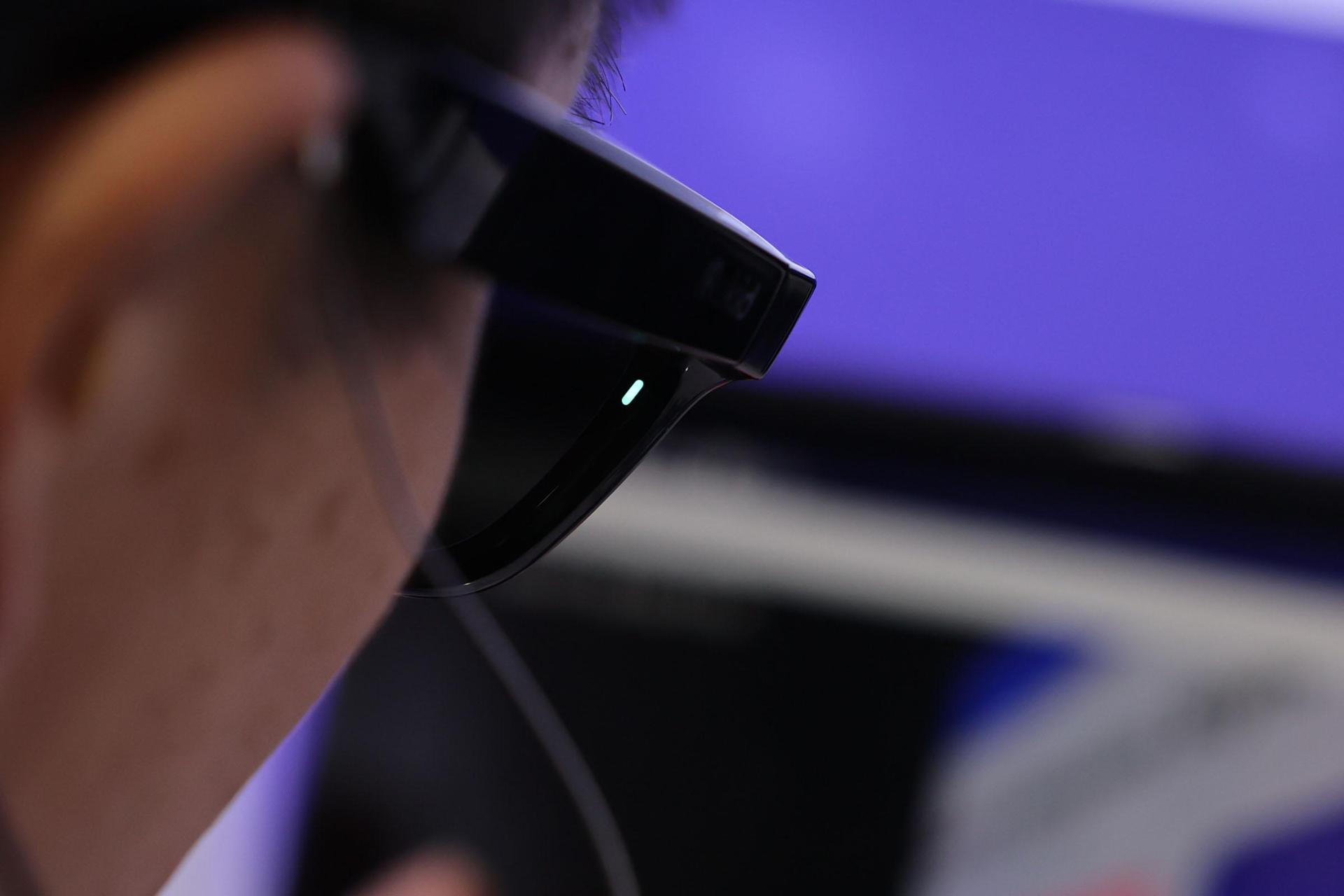
The mechanics of the breach relied on standard multimodal AI pipelines rather than specialized hardware exploits. According to finance.biggo.com, the attacking participants photographed the exam papers using their smart glasses, transmitted the images wirelessly to an off-site AI model, and received answers back via the eyewear's integrated audio and display feeds. In some rounds, participants routed captured images through a personal proxy website to uncensored models, then patched the answers directly to the glasses over a phone call, proving that even basic off-the-shelf connectivity can outpace proctoring barriers.
Defenders attempted to thwart the glasses using several software and layout tricks, but every barrier collapsed. As finance.biggo.com reported, defensive measures included prompt injections hidden inside the text, explicit system warnings commanding models like ChatGPT, Gemini, DeepSeek, and Qwen to ignore the queries, and fake answer keys printed in invisible white ink in the margins. Defenders even tried audio sabotage by printing the wake command "Hi Rokid, stop" directly onto listening comprehension prompts to force the hardware to shut down. The attacking team easily neutralized these traps by instructing the model beforehand to ignore printed system instructions and strip out margin noise.
The ease of the breach surprised even the attackers. Winning developer Kim Ju-eon told finance.biggo.com that using smart glasses to cheat on national qualification exams is "entirely possible," emphasizing that his team required only a few minutes of preparation to bypass every defensive hurdle. Kim noted that future attempts could deploy micro-cameras requiring no visible smartphone tethering, and pointed out that common institutional fixes like disabling public Wi-Fi fail completely when test-takers can tether to hidden cellular hotspots.
On the defensive side, AIM Intelligence and event organizers explored hardware-level countermeasures instead of relying on paper layout tricks. Technicians demonstrated radio-frequency scanners capable of tracking 275 local Wi-Fi and Bluetooth signatures in real time, attempting to identify rogue wearables by cataloging device MAC address prefixes. However, practical deployment remains legally complicated. While passive spectrum monitoring can detect anomalous signals, active radio jamming is strictly restricted under telecommunications laws in South Korea and many other jurisdictions, leaving proctors unable to cut off data transmissions on the spot.
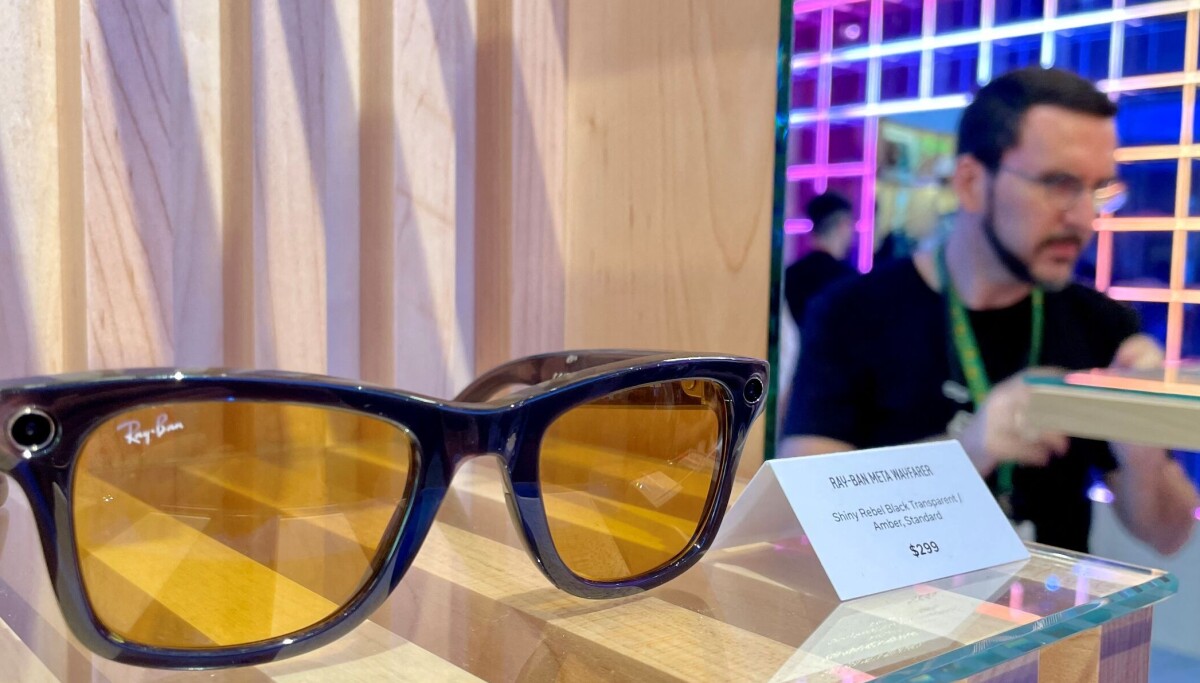
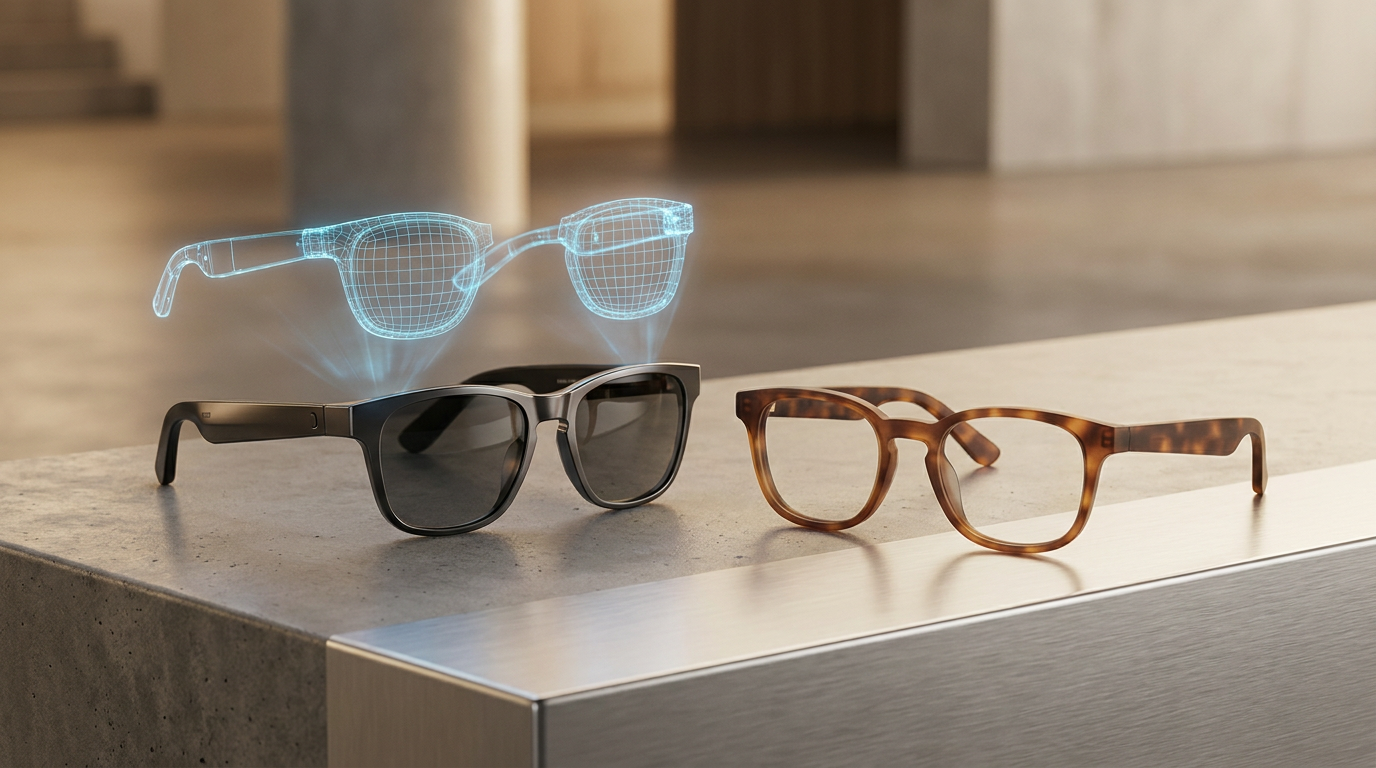
Our take: This hackathon exposes a critical blind spot in academic and professional testing integrity. For years, administrators assumed prompt injection, watermark traps, or disabled campus Wi-Fi would hold the line against AI-assisted fraud. That confidence was misplaced. As smart glasses from companies like Rokid, Meta, and RayNeo become physically indistinguishable from standard prescription frames, paper-based anti-AI defenses are effectively dead on arrival. Unless testing authorities adopt active radio monitoring or enforce strict physical bans on all headwear, the era of unproctored paper exams is officially over.
Interactive guide: prices, displays, cameras, battery.
Share this story