Manufacturer News · Rokid
Rokid Showcases On-Device Multimodal AI and Accessibility Vision at Web Summit
Speaking at Web Summit, Rokid detailed how offline multimodal AI, multi-model LLM support, and hands-free vision tools are expanding smart glasses beyond screen replacement.

Announced this week at Web Summit in Lisbon, Rokid laid out an expansive vision for how AI-powered smart glasses can reduce screen fatigue and deliver context-aware spatial computing. Speaking on Stage 13 at the conference's AI Summit, Rokid Chief Sales Officer Irene Long tackled a central design challenge facing the wearables industry: delivering immediate information without demanding that users stop, pull out a handset, and stare at a display.
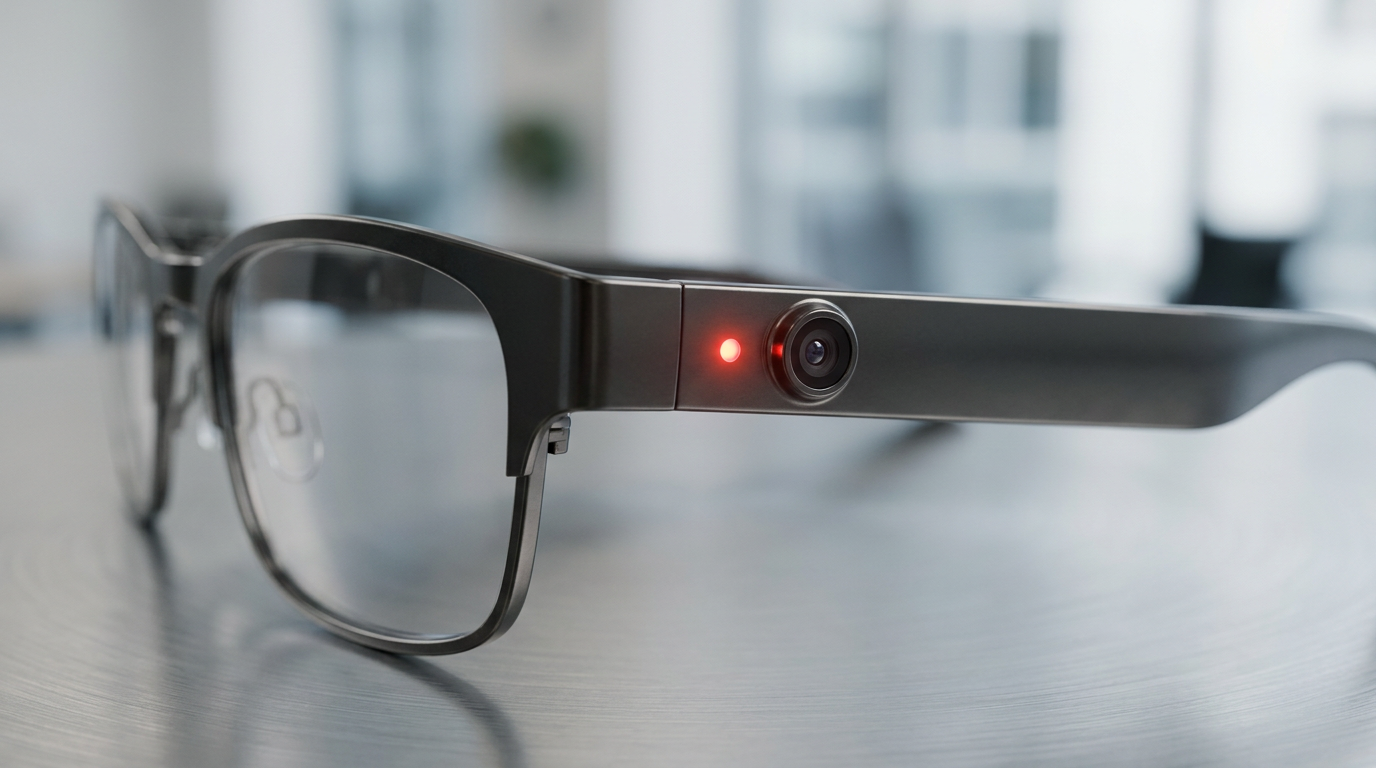
According to Rokid News, Long highlighted accessibility as one of the most compelling proof points for heads-up displays. By overlaying data directly into the user's field of view while keeping their hands free, smart eyewear can transform daily navigation. The presentation detailed how real-time live captioning can help individuals with hearing impairments track spoken conversations naturally. Similarly, camera-driven obstacle detection and spoken environmental scene descriptions can give users with visual impairments critical contextual awareness on the go.
Underpinning these software capabilities is Rokid's multi-model AI architecture. Unlike competitors that lock wearers into a single closed ecosystem, Rokid supports a flexible lineup of foundation models. Depending on geographic region and app configuration, users can route queries through Google Gemini, OpenAI's ChatGPT, DeepSeek, or Alibaba's Qwen. This multi-model strategy lets the company adapt its glasses to strict international data privacy regulations and regional service availability without fragmenting its core operating experience.
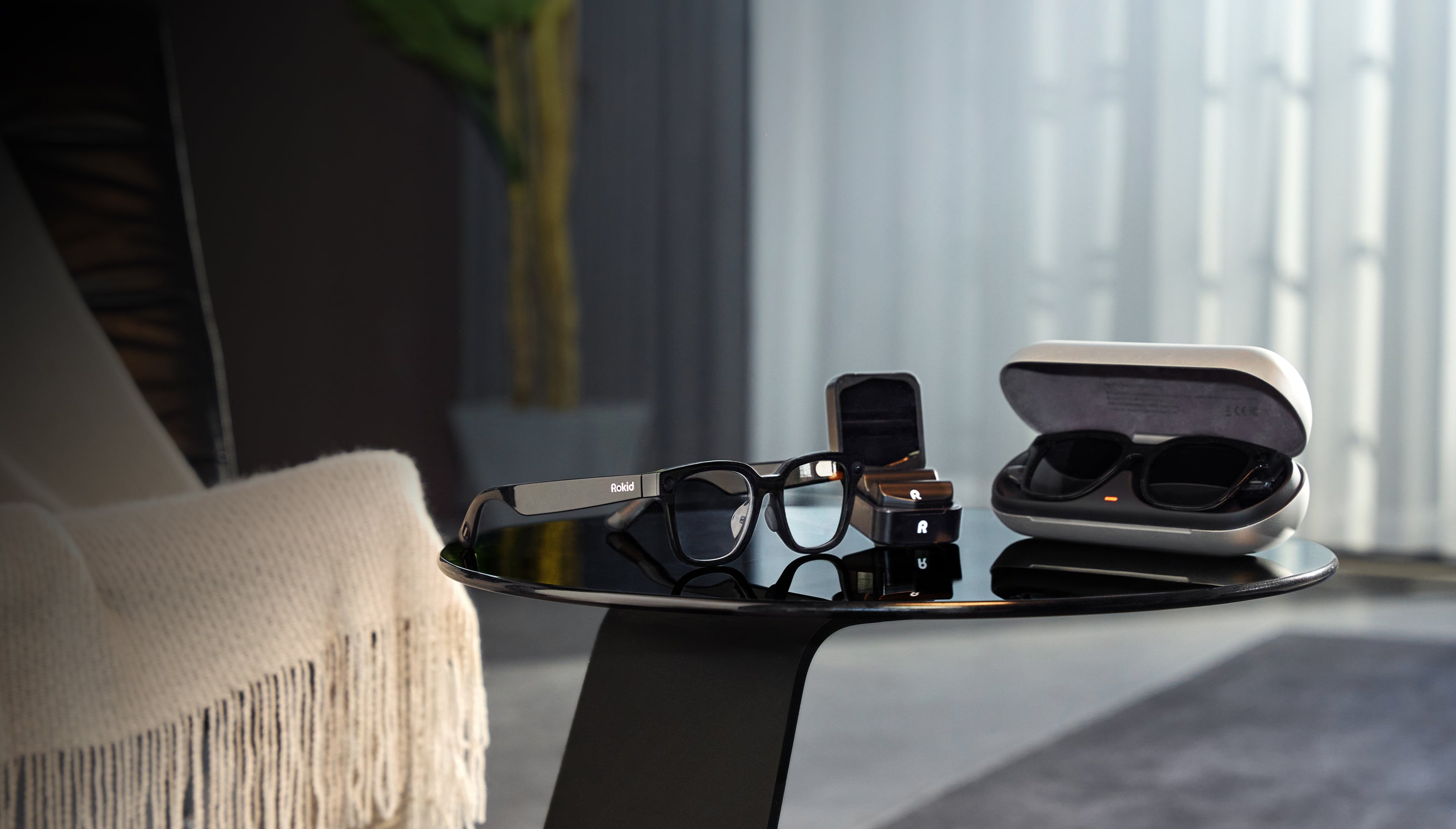
On the hardware-software integration front, Rokid emphasized recent improvements bundled into its companion Hi Rokid application. The headline addition is on-device multimodal AI, which powers visual search and real-time environmental analysis through the onboard camera even without an active internet connection. Rokid has also added practical workflow tools, including voice-triggered interval recording, instant photo previews, and an automated Instant Sync pipeline that shuttles media files directly from the frames to a paired smartphone.
Rokid also used the Lisbon stage to tout its developer momentum, noting that its developer community now counts more than 46,000 registered creators building spatial and artificial intelligence experiences. For an eyewear company navigating the awkward transition between lightweight HUD glasses and full-fledged augmented reality headsets, cultivating a large, active developer base is essential to keeping consumer hardware relevant past initial novelty.
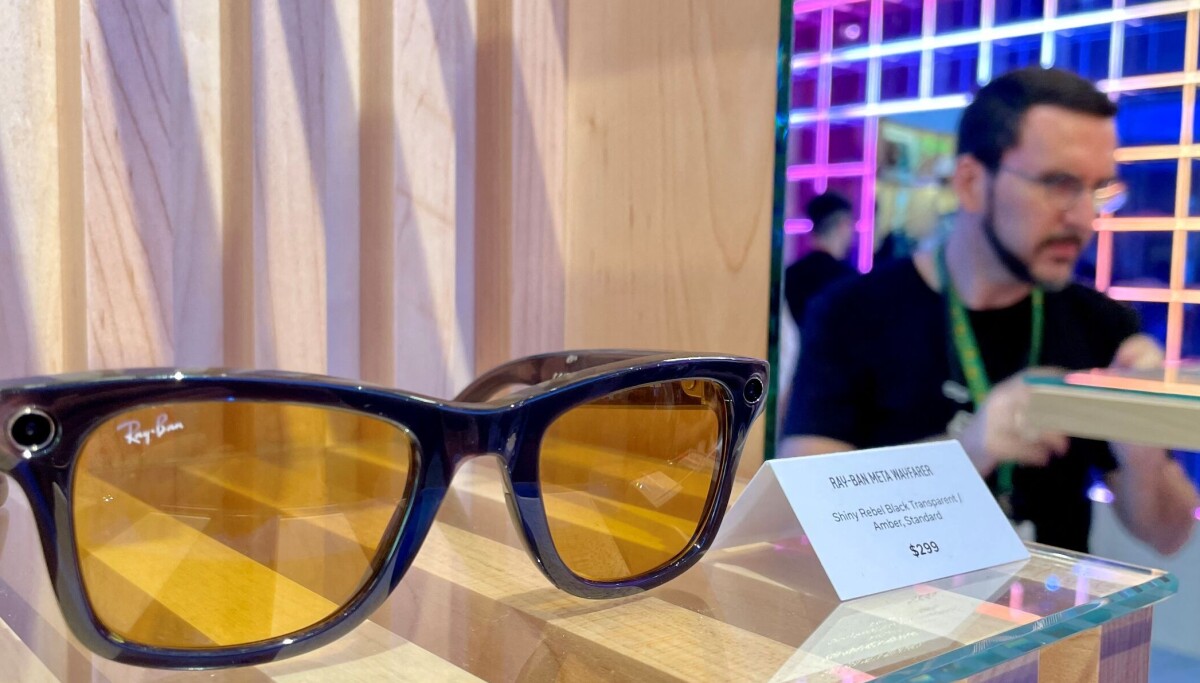
Our take: Rokid's choice to prioritize on-device multimodal processing and model flexibility is a smart strategic move in a market dominated by Meta. While Meta's Ray-Ban glasses have captured mainstream attention, their heavy reliance on cloud processing introduces latency and makes advanced visual lookup useless whenever cellular signals drop. By enabling local computer vision for obstacle detection and visual search, Rokid is solving a critical reliability bottleneck. If the company can balance these heavy compute demands with practical battery life and comfortable frame ergonomics, it could carve out a resilient niche among productivity-focused users and accessibility communities alike.
Interactive guide: prices, displays, cameras, battery.
Share this story