Reviews · Snap
Snap Spectacles Eye the Office: Hands-On Points to Enterprise AR Future
A fresh look at Snap Spectacles highlights their potential as workplace productivity hardware, blending professional tasks with augmented reality.
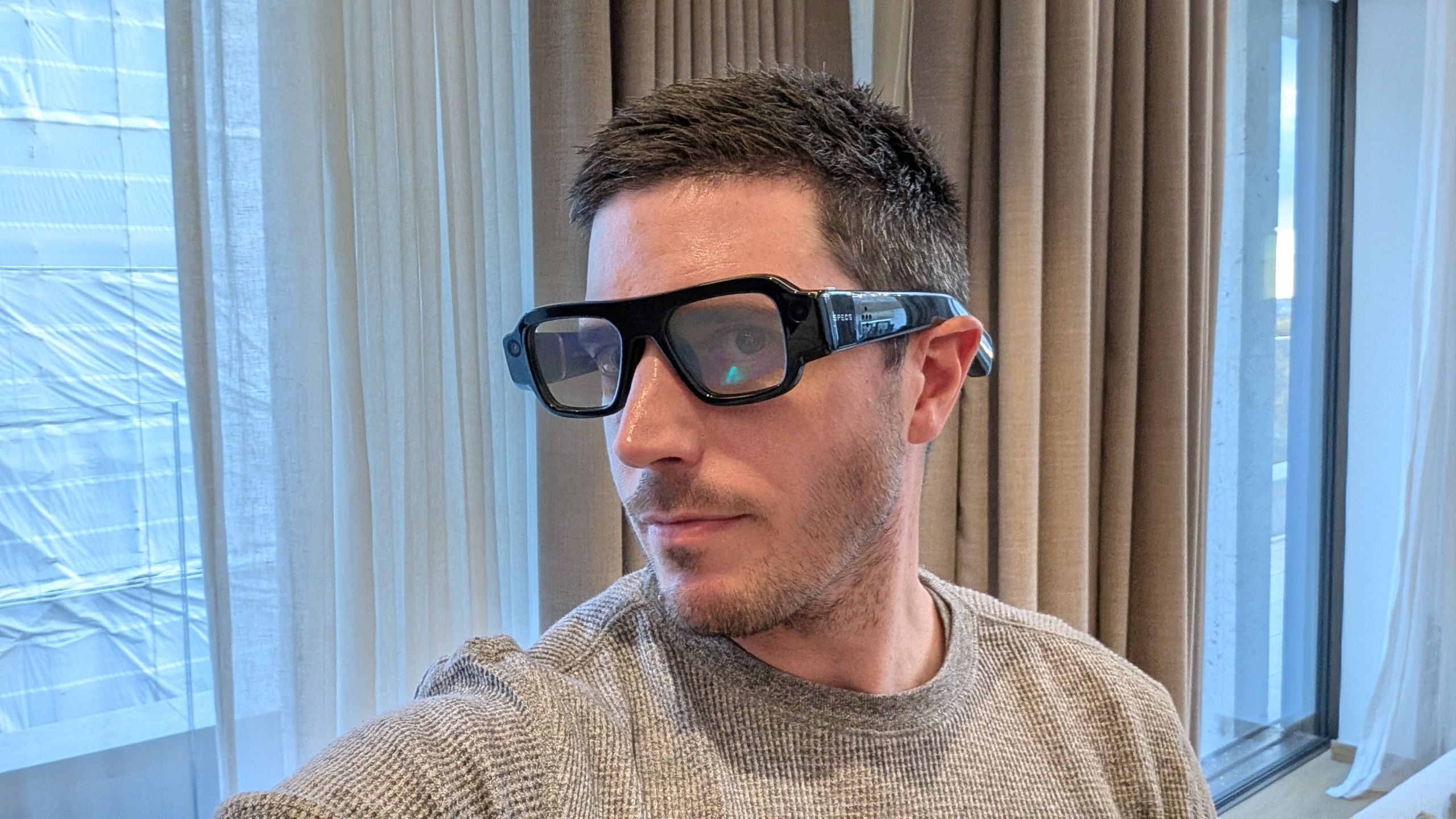
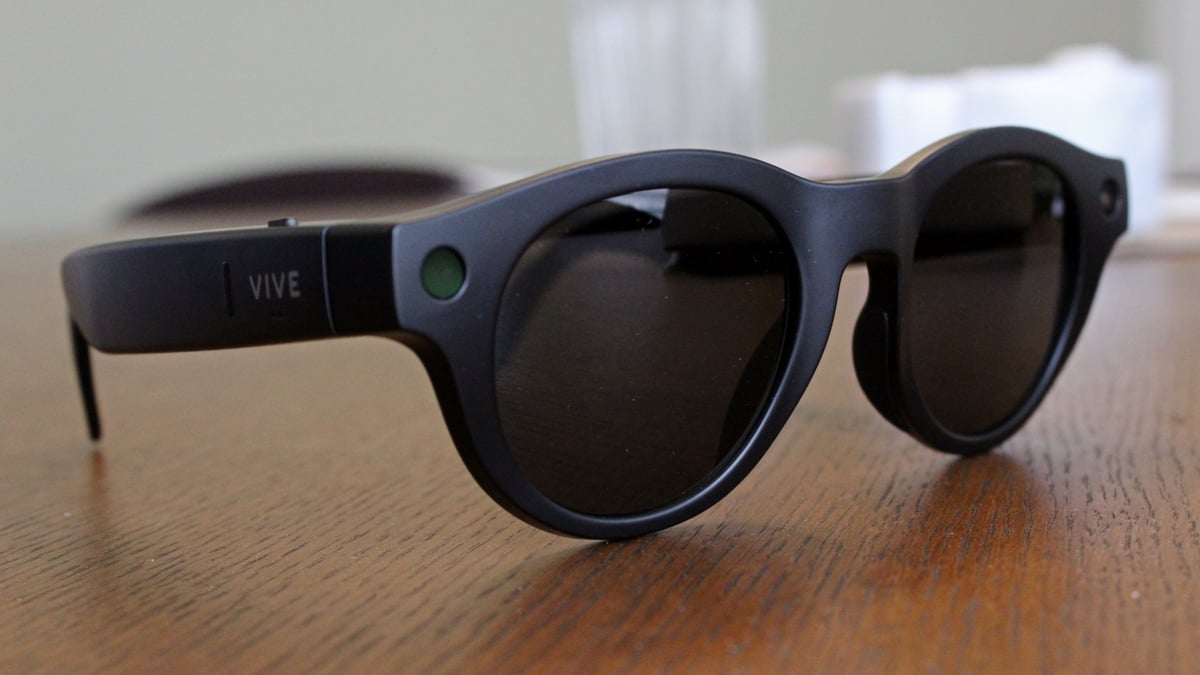
On November 7, 2026, reports surfaced detailing hands-on impressions of the newest Snap Spectacles hardware, highlighting how Snap is actively exploring a pivot toward the enterprise desk. According to techradar.com, the latest testing of the standalone augmented reality glasses revealed that the device could soon serve as a practical workplace utility, aiming to bridge the gap between daily communication and professional productivity.
According to techradar.com, the experience showcased how the new Spectacles look to blend work and home life, moving beyond the playful, ephemeral social filters that originally defined the product line. While Snap has long treated its AR eyewear as a developer testbed, techradar.com reports that the current iteration demonstrates clear utility for hands-free workflow management, information overlay, and collaborative digital workspaces.
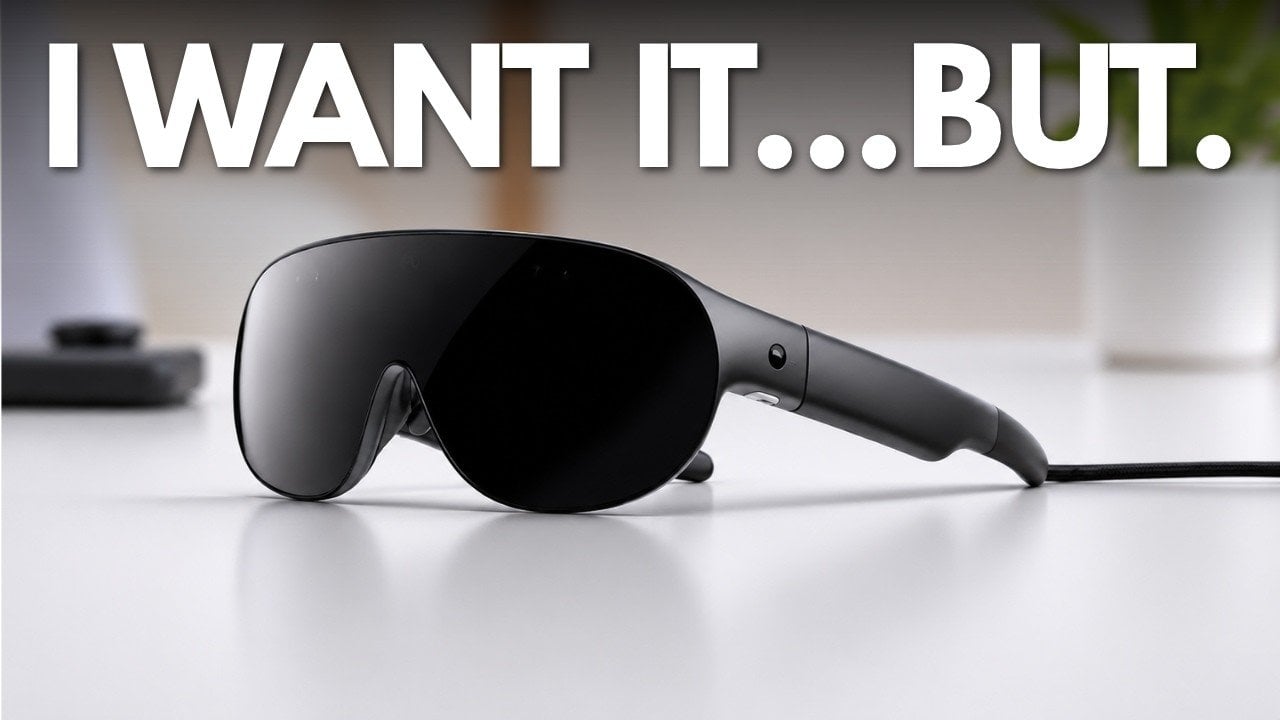
This strategic evolution comes after years of Snap treating its true see-through AR glasses as an exclusive, rental-only ecosystem for developers. The company's recent hardware generations moved away from simple video-capturing sunglasses toward fully untethered optical waveguides powered by custom spatial operating software. By focusing on situational productivity, Snap appears keen to tap into corporate budgets and professional users who require hands-free computing without being completely isolated from their physical surroundings.
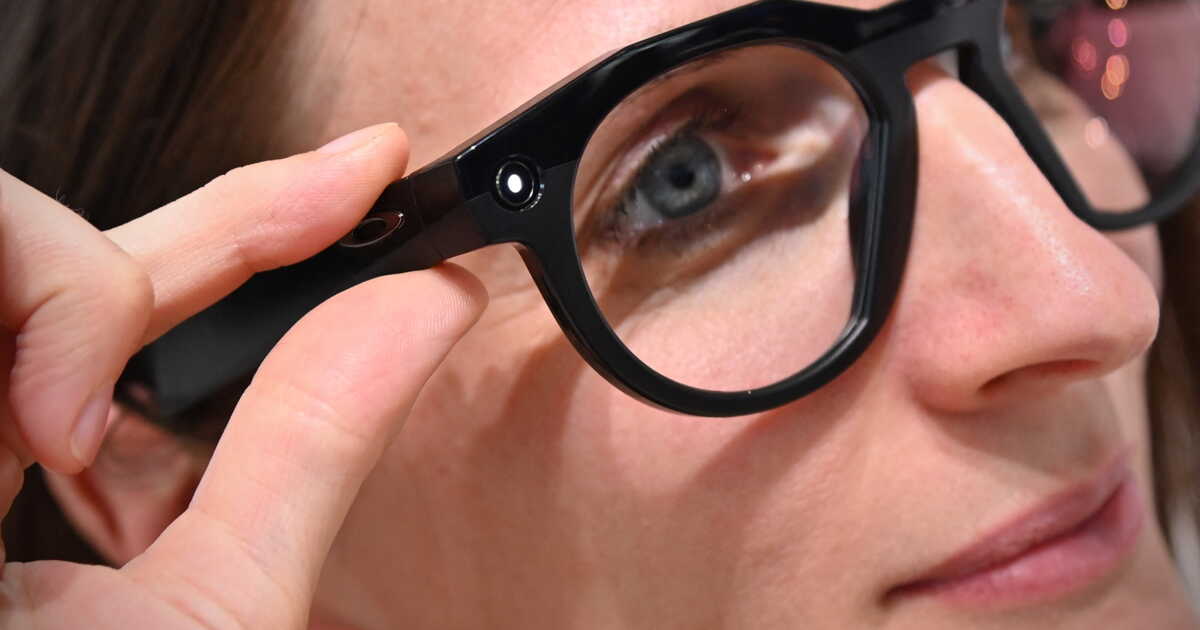
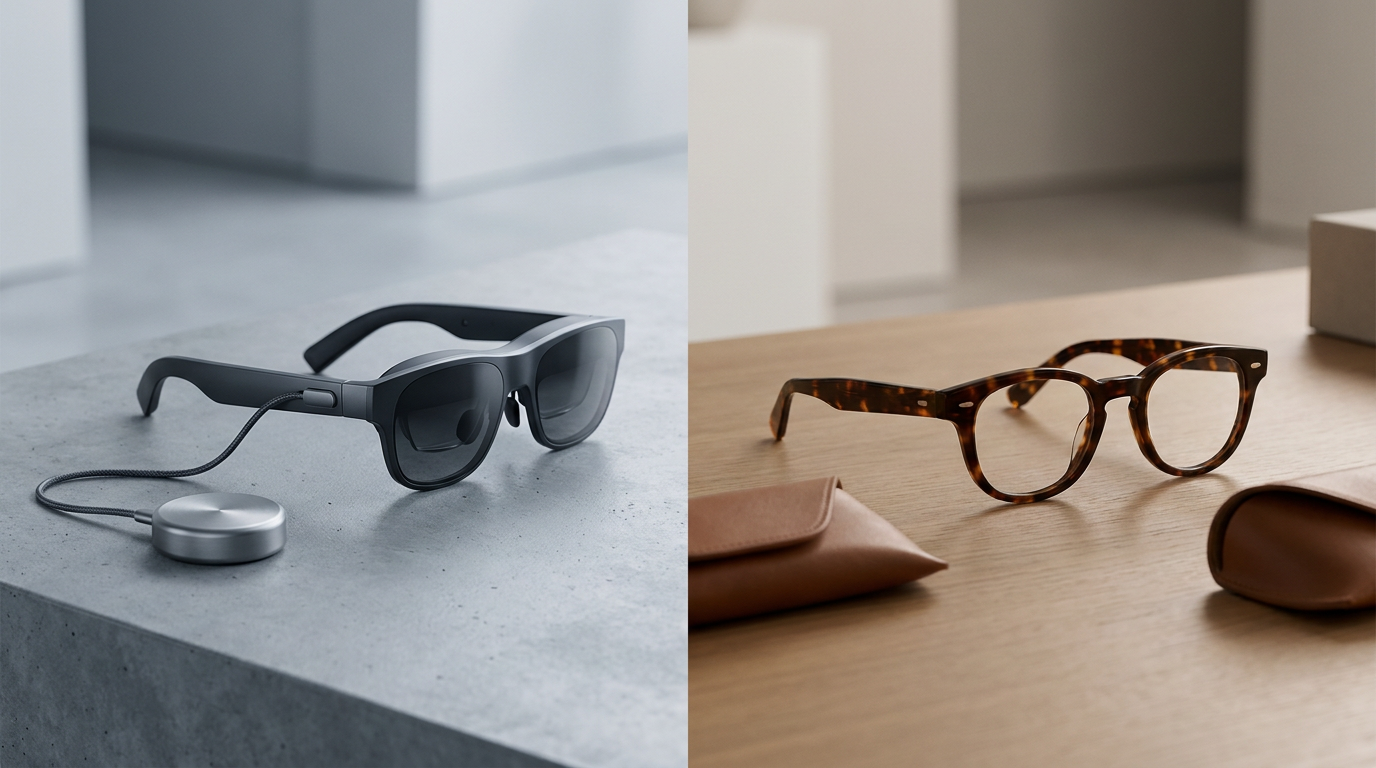
How it compares: The workplace positioning immediately sets Snap on a collision course with two very different market segments. On one side are lightweight displayless AI frames like the Ray-Ban Meta glasses, which offer audio, voice assistants, and camera capture, but zero visual augmentation. On the other end are spatial computing headsets like the Apple Vision Pro, which deliver immersive productivity at the cost of immense weight, tethered battery packs, and social isolation. Snap Spectacles sit squarely in the middle, attempting to deliver genuine optical AR in a form factor that still looks and feels like wearable eyewear.
Our take: An enterprise pivot is the most pragmatic move Snap could make, but it also walks a well-trodden and perilous path. Both Google Glass and Microsoft HoloLens attempted to conquer industrial and office settings after stumbling in the consumer sphere, with mixed long-term results. For Snap to succeed where others faltered, the glasses must solve the perpetual trade-offs of true AR: battery endurance, thermal dissipation, and outdoor waveguide legibility. If Snap can deliver reliable productivity software and seamless document interaction without overheating in twenty minutes, the workplace might just become the proving ground that standalone AR glasses have spent a decade waiting for.
Interactive guide: prices, displays, cameras, battery.
Share this story