Reviews · Meta
Ray-Ban Meta Under the Lens: Breaking Down Camera, Video, and AI Utility
Best Buy Blog evaluates the Ray-Ban Meta smart glasses, exploring whether its camera, audio, and multimodal AI stack up for everyday wear.

On November 7, 2026, blog.bestbuy.ca highlighted the real-world performance of Ray-Ban Meta smart glasses, spotlighting how their built-in camera, spatial audio, and AI features hold up in daily use. As the consumer market for smart eyewear expands beyond early adopters, retail guides and long-term evaluations are shifting focus away from novelty specs and toward genuine day-to-day utility.
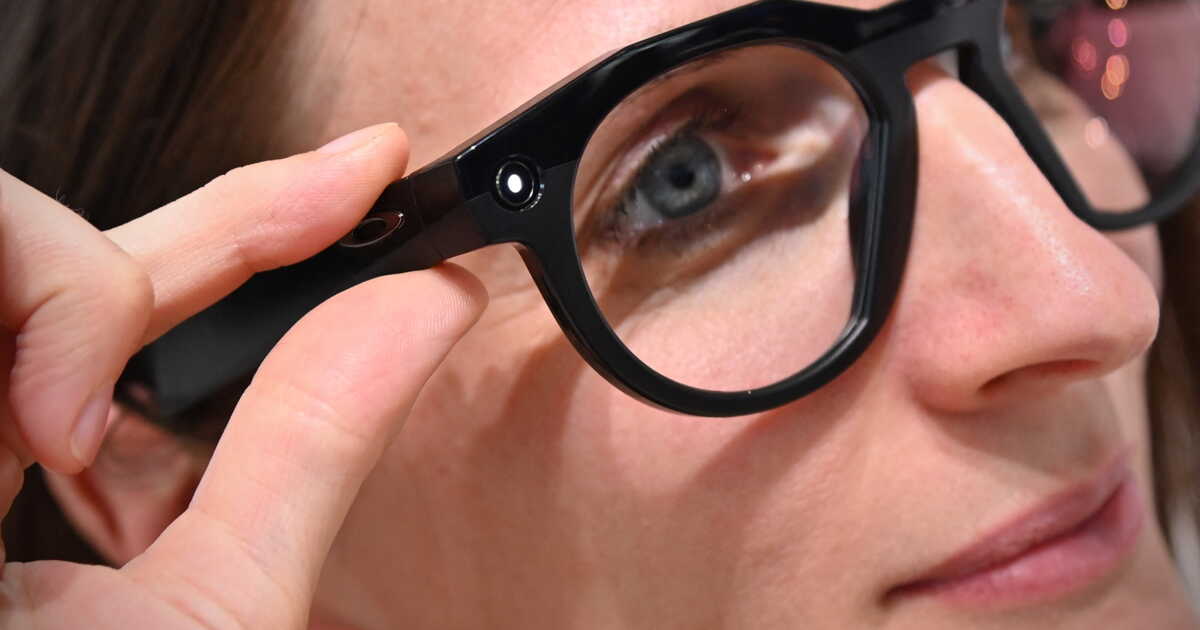
According to blog.bestbuy.ca, the primary selling points remain centered around discrete camera integration, open-ear directional audio, and a voice-driven multimodal assistant. By packaging a 12 MP ultra-wide sensor and a multi-microphone array directly into classic Ray-Ban frames like the Wayfarer and Headliner, Meta designed a device that prioritizes aesthetic normalcy over bulky wearable tech paradigms. Users can capture point-of-view photos and 1080p video clips without pulling out a smartphone, uploading directly or streaming live to paired social platforms.
The audio and software layer has emerged as the true backbone of the Ray-Ban Meta experience. The custom open-ear speakers channel clear audio for phone calls, podcasts, and notifications while keeping ears unobstructed for ambient awareness. Meanwhile, Meta AI has progressively received multimodal firmware updates, enabling users to query the assistant about what they are looking at, translate foreign signs, identify objects, or generate real-time reminders using natural voice prompts.
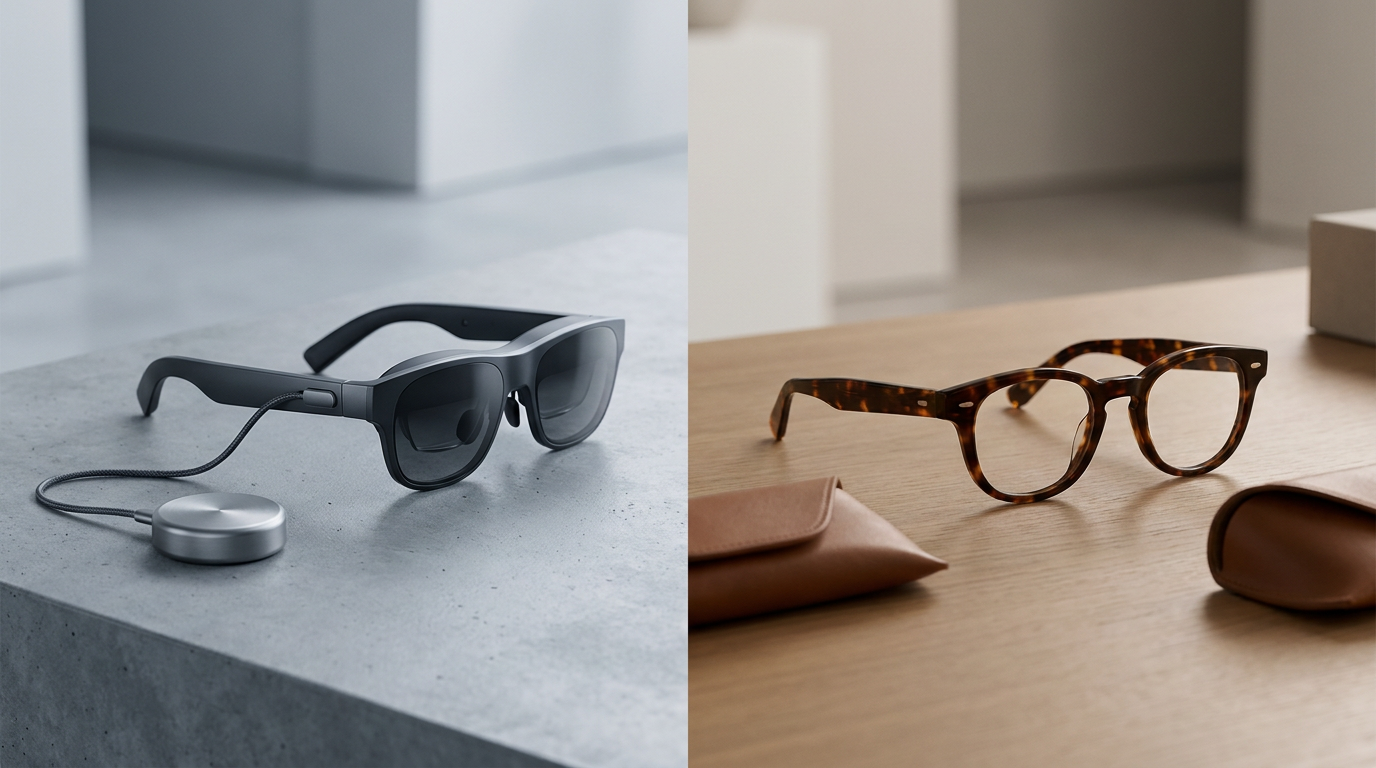
How it compares: Unlike display-centric AR frames from brands like XREAL or Even Realities, Meta made a deliberate decision to eliminate optical light engines and waveguiding glass entirely. While competitors chase heads-up micro-LED readouts and teleprompter capabilities, Meta's camera-and-audio-first formula keeps hardware weight down to roughly 50 grams, nearly identical to standard prescription sunglasses. As outlets like The Verge have frequently documented, balancing thermal dissipation and all-day comfort has proven to be the steepest hurdle for display-equipped wearables, giving displayless frames a massive edge in mainstream wearability.
What this means: The Ray-Ban Meta lineup demonstrates that practical wearable AI does not require a floating virtual screen to deliver value. For casual creators, commuters, and anyone seeking hands-free documentation, the hardware nails the fundamentals of audio clarity and quick point-and-shoot footage. However, potential buyers still have to manage real-world compromises: video recording length limits, battery constraints that require regular top-ups via the charging case, and ongoing social awareness around visible recording LEDs.
Our take: Meta's partnership with EssilorLuxottica remains the benchmark for how consumer tech companies should approach eyewear design. By letting an established fashion house dictate the silhouette and materials, Meta ensured that consumers actually want to wear the frames even when the electronics are dormant. Until waveguide displays become thin enough to hide inside a standard frame without ballooning the weight, Meta's audio-plus-vision strategy will remain the standard to beat in the consumer smart glasses segment.
Interactive guide: prices, displays, cameras, battery.
Share this story