Reviews · Meta
Meta's 100-Gram VR Glasses Nail the Hardware but Face a Trust Deficit
Meta's $1,300 tethered glasses deliver 37 PPD micro-OLED displays and a featherweight design, but privacy baggage and a 70-degree field of view complicate the pitch.
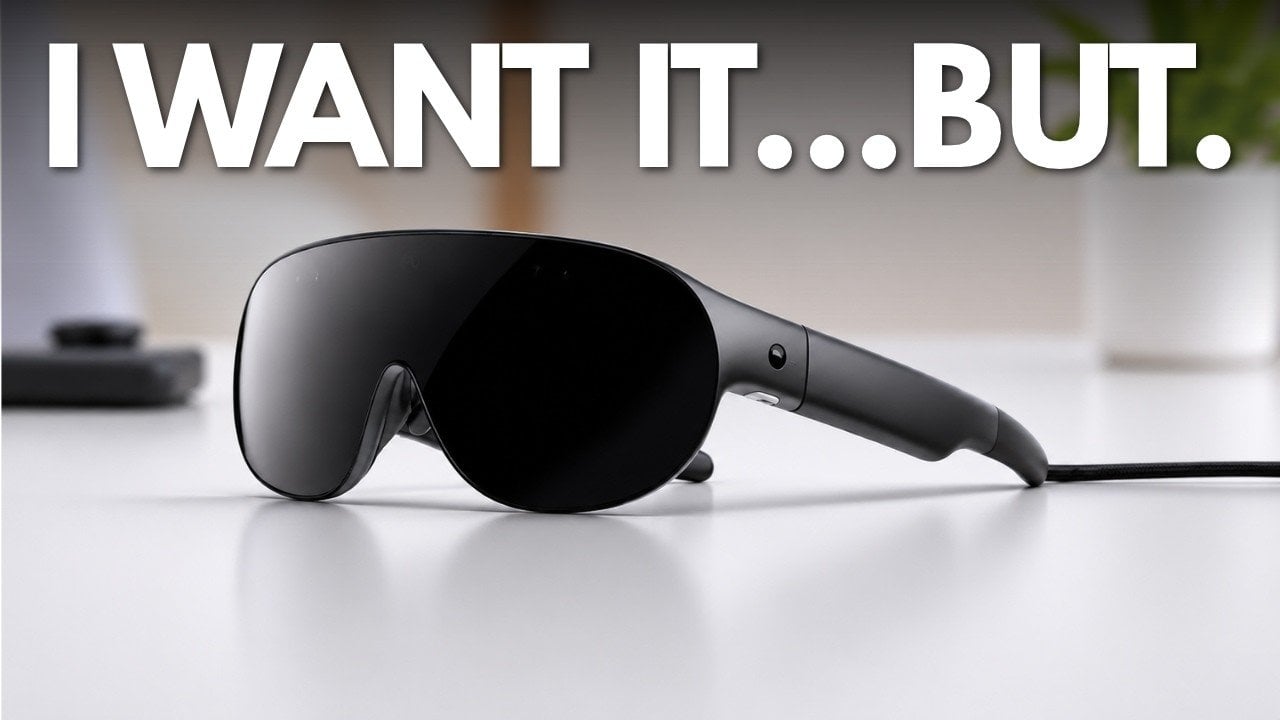
Covered on November 9, 2026, Meta's lightweight VR glasses attempt to split the difference between spatial computing powerhouses and featherweight everyday eyewear. By shifting the bulk of processing and battery cells to an external 300-gram wired puck, the head-worn unit weighs an astonishing 100 grams. According to geeky-gadgets.com, which reviewed findings originally detailed by Tech Court, this tethered architecture sets a high bar for physical comfort, even as Meta's persistent data privacy record leaves prospective buyers hesitant.
The hardware choices prioritize facial ergonomics over standalone packaging. Shifting the Snapdragon processor, 12 GB of RAM, 128 GB of storage, and the battery cell into a pocketable belt puck prevents the severe facial fatigue typical of the 600-to-800-gram Apple Vision Pro. Visually, the headset packs micro-OLED panels running at 2412x2288 per eye, achieving 37 pixels per degree alongside Dolby Vision HDR support. However, geeky-gadgets.com notes that this exceptional clarity requires a trade-off: the field of view narrows to just 70 degrees, a stark step down from the 110-degree visual breadth of the Quest 3.
Rather than catering to traditional room-scale VR games, the platform emphasizes desktop workflows and private media consumption. A headline feature is the "Surface Keyboard," which projects an interactive keyboard and trackpad onto flat desks to facilitate near-native typing speeds alongside a virtual triple-monitor desktop. geeky-gadgets.com reports that snap-on magnetic light blockers turn the unit into a private theater, supported by roughly three hours of video playback. The device runs standard Quest software, but navigation relies strictly on eye and hand tracking; dedicated motion controllers are supported but sold separately.
The most stubborn hurdle detailed in the report is consumer trust. As geeky-gadgets.com highlights, past controversies continue to color sentiment, including policy changes that expanded voice log retention on Ray-Ban smart glasses and ongoing scrutiny around planned biometric and facial recognition integrations. Tech Court concluded that while Meta's $1,300 price tag significantly undercuts Apple's $3,499 spatial headset, elite optical hardware cannot completely offset long-standing consumer wariness regarding corporate data collection.
How it compares: At $1,300, Meta has staked out an intriguing middle lane. The headset delivers vastly sharper text rendering and better weight distribution than the budget-friendly $499 Quest 3, while coming in at less than half the price of the Vision Pro. Yet restricting the horizontal field of view to 70 degrees severely limits peripheral immersion. It turns the device into an ultra-sharp personal display hub rather than a portal for expansive virtual worlds.
Our take: The tethered puck design represents the most sensible tactical compromise for spatial computing over the next several years. Until battery chemistry and silicon thermal dissipation undergo radical breakthroughs, removing 300 grams of heat and dead weight from the nose bridge is the only way to make all-day productivity viable. However, Meta's enterprise ambitions will always grapple with its core identity: when a hardware platform depends entirely on outward-facing room scanners and biometric eye tracking, user trust is a critical spec, and Meta still has ground to recover.
Interactive guide: prices, displays, cameras, battery.
Share this story