Manufacturer News · Snap
Snap Opens Los Angeles Pop-Up for Its $2,195 Spectacles AR Glasses
Snap is giving the public a rare hands-on look at its fifth-generation Spectacles in Los Angeles, but a broad consumer launch remains elusive.
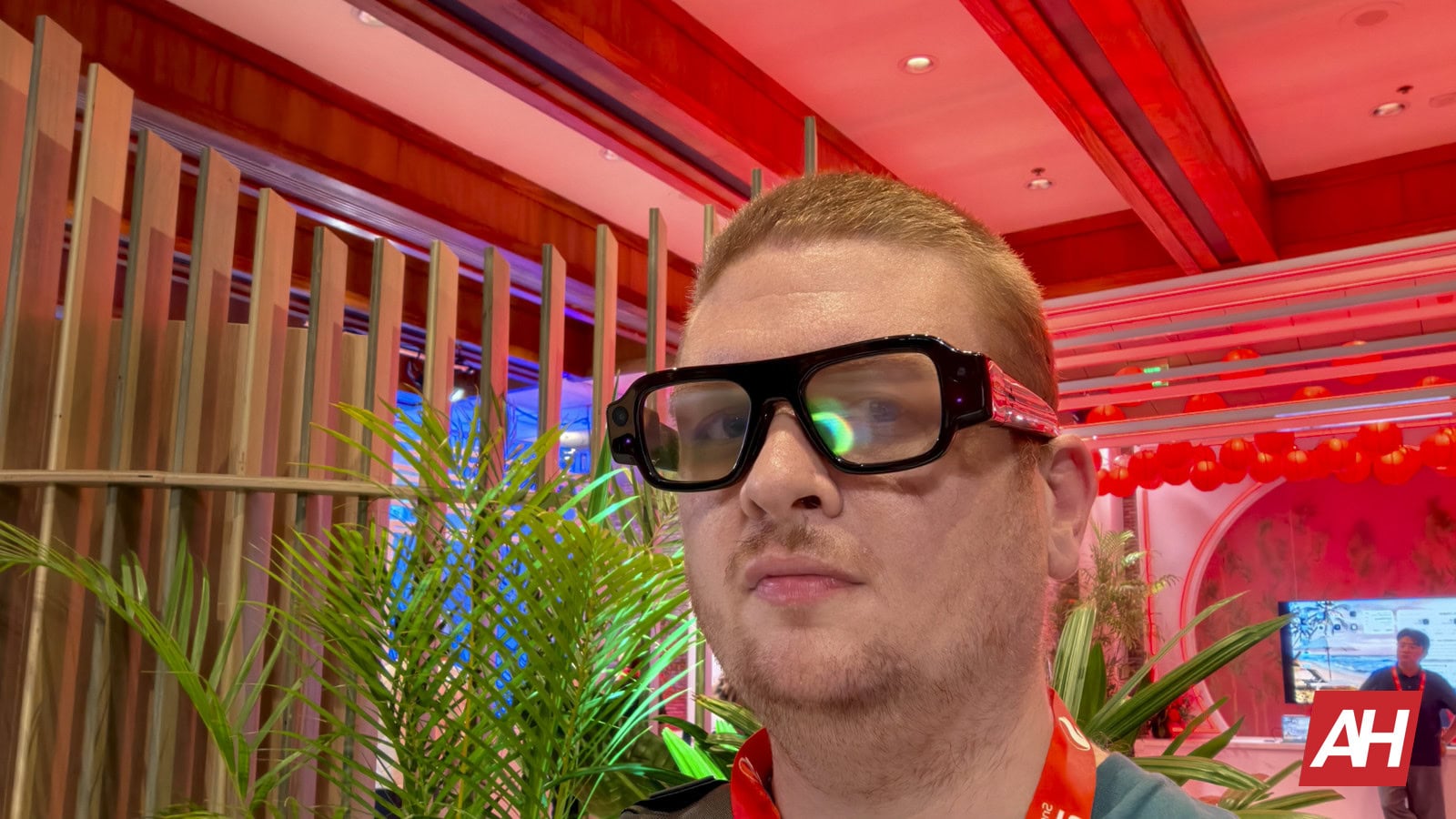
On November 5, 2026, news surfaced that Snap has opened a dedicated pop-up space in Los Angeles, giving curious tech enthusiasts and developers an opportunity to test-drive its fifth-generation Spectacles AR glasses in person. According to androidheadlines.com, the pop-up offers rare public access to hardware that has otherwise remained locked behind an expensive developer-only barrier. Despite the showcase, however, Snap confirmed during its latest earnings call that a general consumer release date is still not on the calendar.
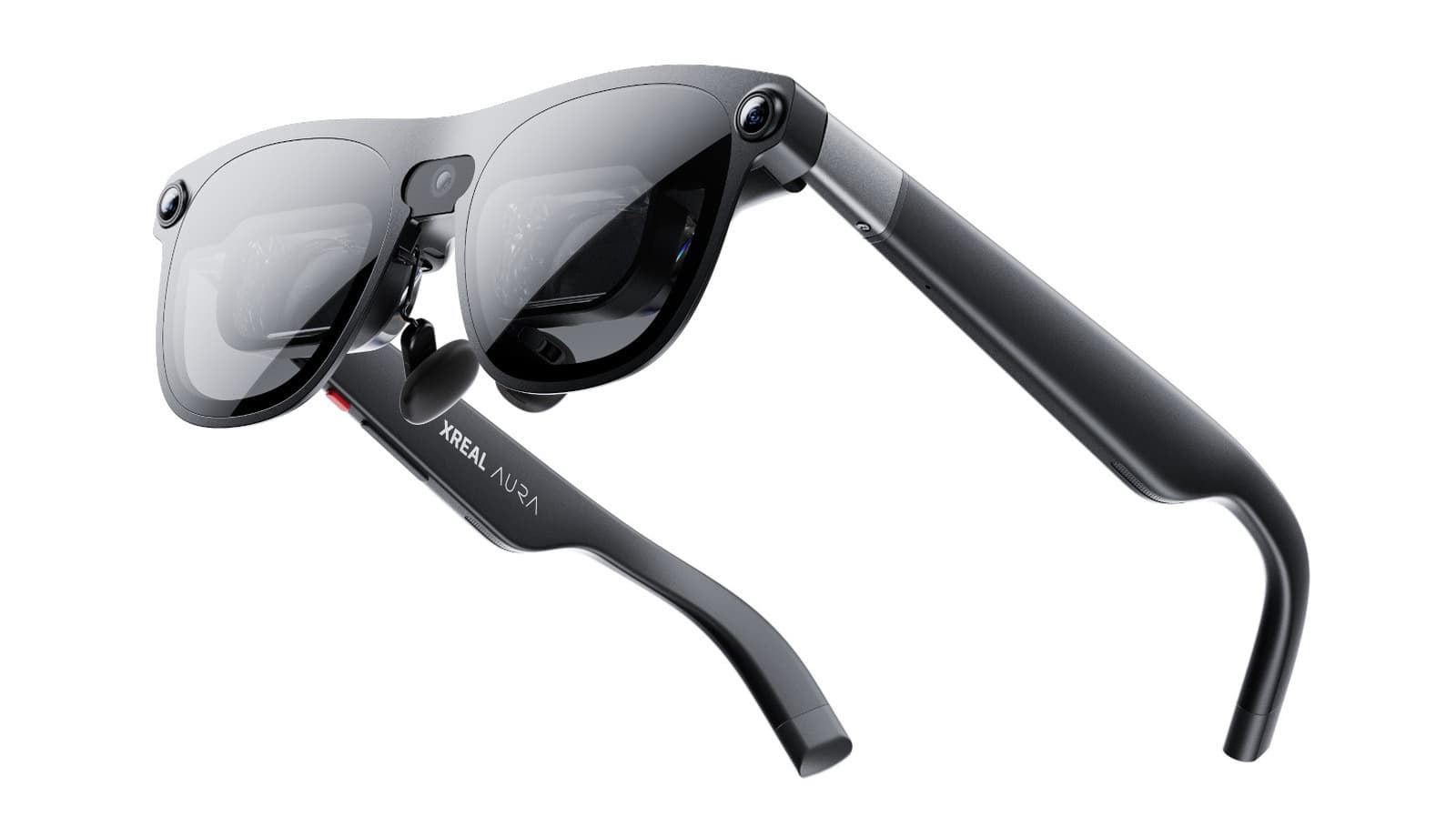
The fifth-generation Spectacles represent Snap's most ambitious hardware project to date. Unlike previous iterations, which were essentially stylish sunglasses with onboard video recording cameras, this model features standalone augmented reality. It packs custom dual Liquid Crystal on Silicon (LCoS) micro-projectors, optical waveguides, and inside-out hand tracking directly into the frame. It runs on Snap OS, allowing users to interact with floating digital lenses, play shared spatial games, and place virtual objects in real-world physical environments.
Getting access to the device has historically required a hefty commitment. Snap originally launched the fifth-generation Spectacles through a developer program priced at $99 per month with a mandatory one-year contract, or an upfront developer package totaling around $2,195. By bringing the hardware to an accessible public storefront in Los Angeles, Snap is attempting to drum up organic enthusiasm and gather real-world user feedback from people outside the standard developer bubble.
What this means: Snap is walking a very fine line between teasing the public and managing realistic hardware expectations. Fully standalone AR glasses remain notoriously difficult to commercialize at scale. The current Spectacles hardware is bulky, weighs well over 200 grams, and offers approximately 45 minutes of active battery life. By showcasing the device in a controlled retail environment, Snap can demonstrate its sophisticated hand-tracking and social lenses without having to answer difficult questions about all-day outdoor wearability, thermal throttling, or everyday prescription lens support.
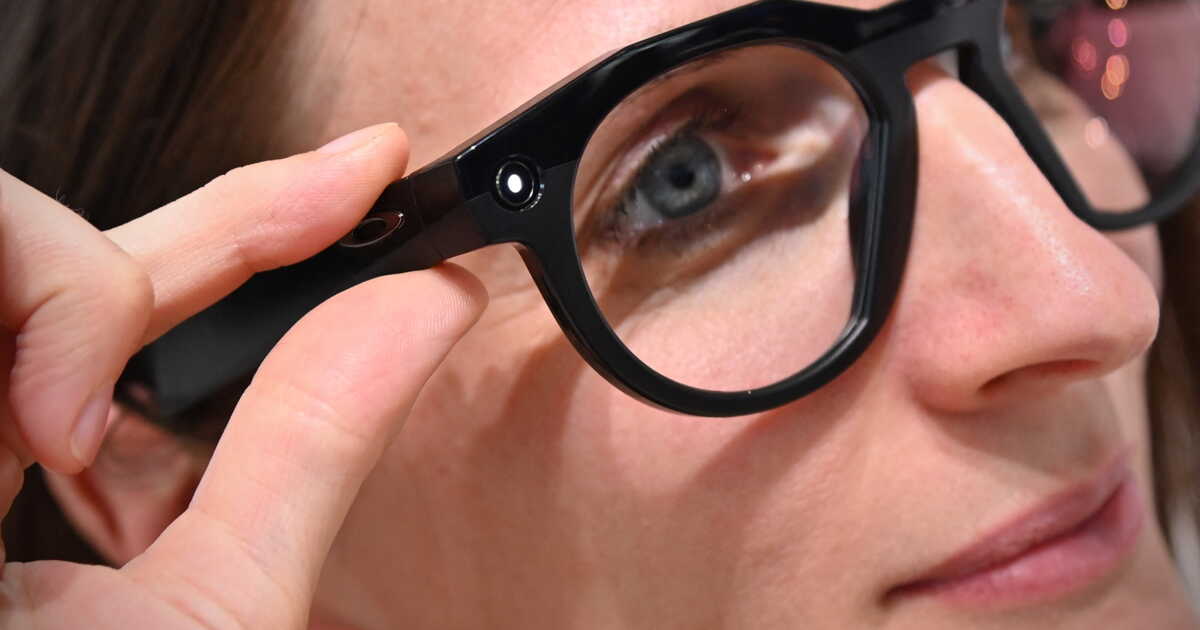
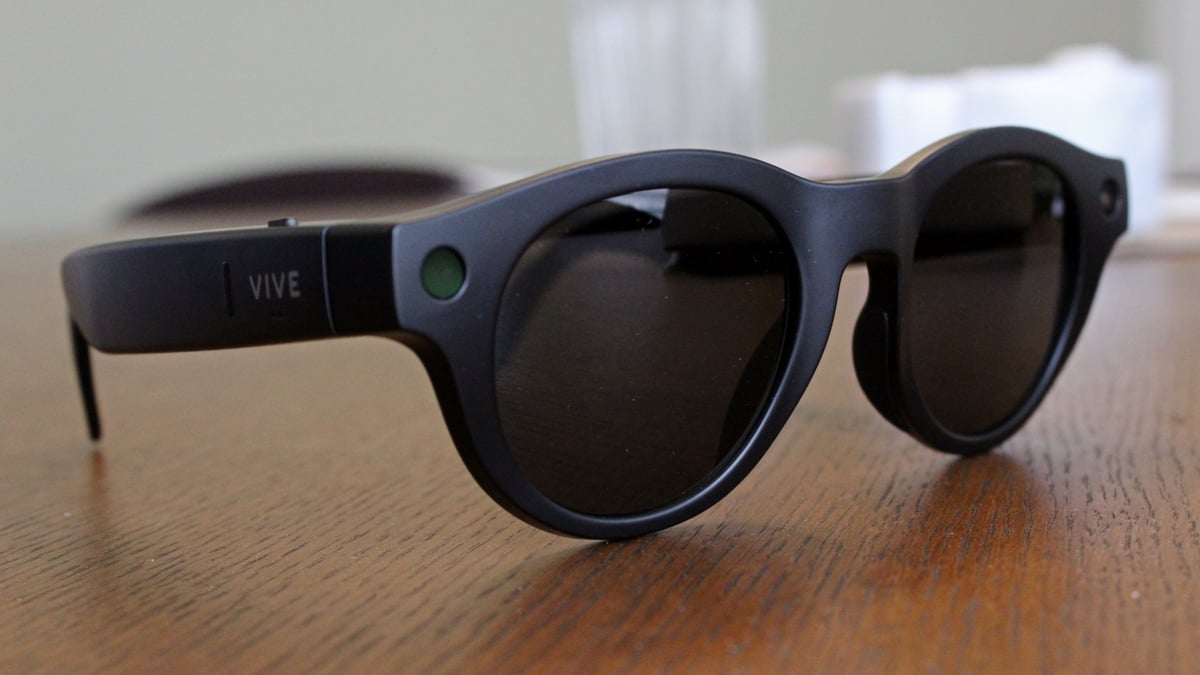
How it compares: The broader spatial computing market has sharply divided into two camps. On one side are lightweight AI smart glasses, best exemplified by the massively popular Ray-Ban Meta collection, which ditch visual displays entirely in favor of lightweight audio, cameras, and rapid voice assistants. On the other side are ambitious standalone true-AR prototypes like Meta's Orion and Snap's Spectacles. While Orion remains an internal research prototype using silicon carbide waveguides that cost thousands of dollars per unit to assemble, Snap has actually put working hardware into developers' hands. However, at a $2,195 price tag and without consumer availability, Snap is not competing with consumer eyewear yet. Instead, it is racing to build the spatial app ecosystem before tech giants can reduce the cost of waveguide manufacturing.
For now, the Los Angeles pop-up provides an intriguing glimpse into Snap's long-term vision. If you happen to be in Southern California, testing the hardware firsthand offers a tangible preview of where augmented reality is heading over the next few years. For everyone else, the wait for an affordable, lightweight pair of consumer AR glasses continues.
Interactive guide: prices, displays, cameras, battery.
Share this story