Reviews · XREAL
Xreal Aura's IFA Debut: Android XR Gets Wearable Screens
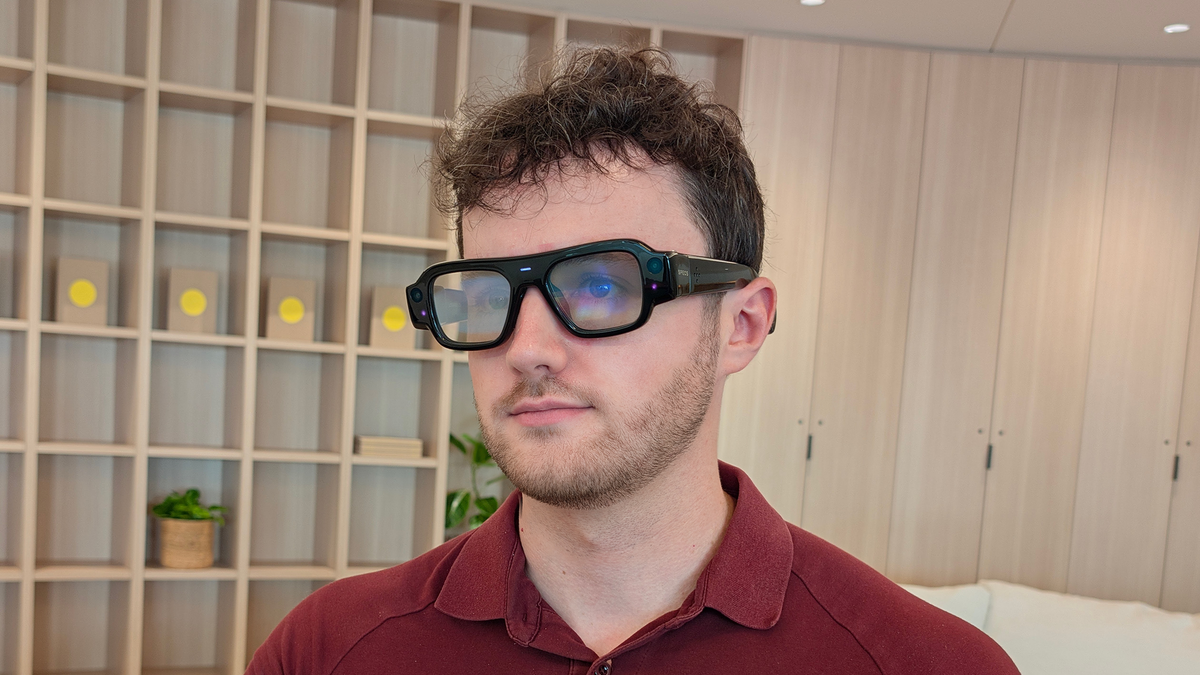
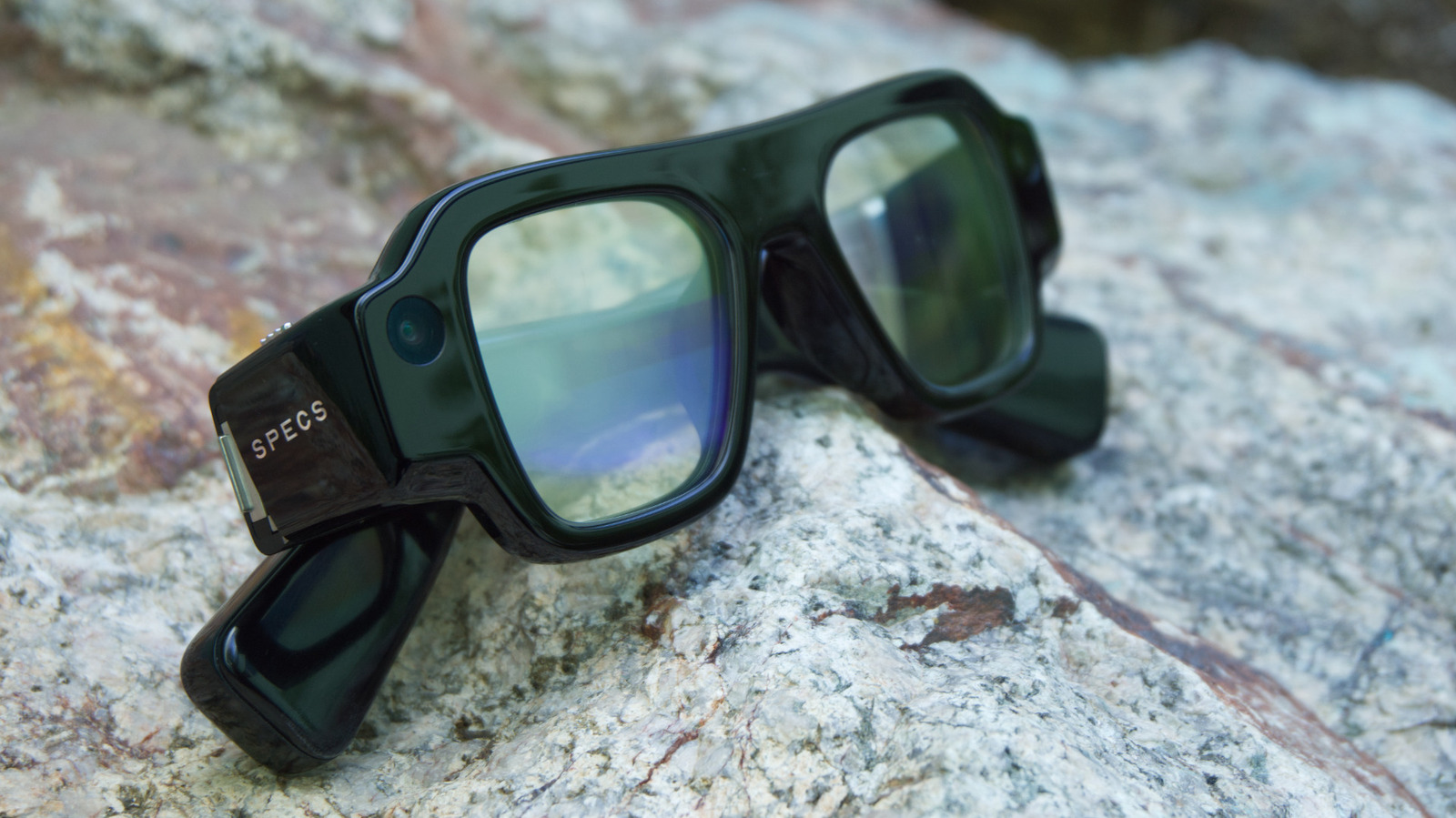
At IFA Berlin, Xreal unveiled its Aura smart glasses, developed with Google and Qualcomm. These glasses aim to finally deliver a display-equipped Android XR experience, moving beyond audio-only devices or bulky VR headsets.

Android XR, Google's extended reality operating system, has largely lacked a defining eyewear device. While Google and Samsung have dabbled with audio-only models and the U.S.-exclusive [Galaxy XR](https://www.lesnumeriques.com/casque-realite-virtuelle/prise-en-main-du-samsung-galaxy-xr-enfin-la-reponse-d-android-a-l-apple-vision-pro-n248850.html) VR headset, a true display-equipped smart glass remained elusive. Xreal aims to change that. Debuting at IFA Berlin on September 25, 2026, the Aura smart glasses-developed with Google and Qualcomm-promise to deliver a comprehensive Android XR experience with integrated displays, sparking considerable industry buzz.
On paper, the Aura's technical specifications are impressive. The glasses feature two Sony Micro-OLED panels, each delivering 1920 x 1200 pixels at a refresh rate up to 120 Hz. They offer a 70-degree field of view, powered by a Qualcomm Snapdragon Reality Elite chip and a proprietary spatial coprocessor. The system runs Android XR, complete with Gemini AI integration and access to the Google Play Store.
The Aura isn't a standalone unit. While the glasses themselves house the displays, cameras, integrated speakers, and control buttons, the core processing power and a 4455 mAh battery reside in an external box. This companion device, comparable in size to a large smartphone or a power bank, connects to the glasses via a USB-C cable.
Our take: This design choice deliberately offloads weight from the user's face, making the glasses potentially more comfortable for extended wear. However, it introduces the perennial smart glasses dilemma: a constant physical tether between the pocket and the head. The practicality of carrying a separate unit and managing a cable is a compromise users will have to weigh carefully against the benefit of a lighter, more streamlined headset.
Interactive guide — prices, displays, cameras, battery.
Share this story