Reviews · Snap
Snap Specs: Rough Optics, Strong Tracking in First-Gen AR
UploadVR's David Heaney went hands-on with Snap's latest AR glasses, noting significant optical flaws despite strong spatial tracking. These $2,195 Specs mark a notable, albeit imperfect, entry into the standalone consumer AR market.
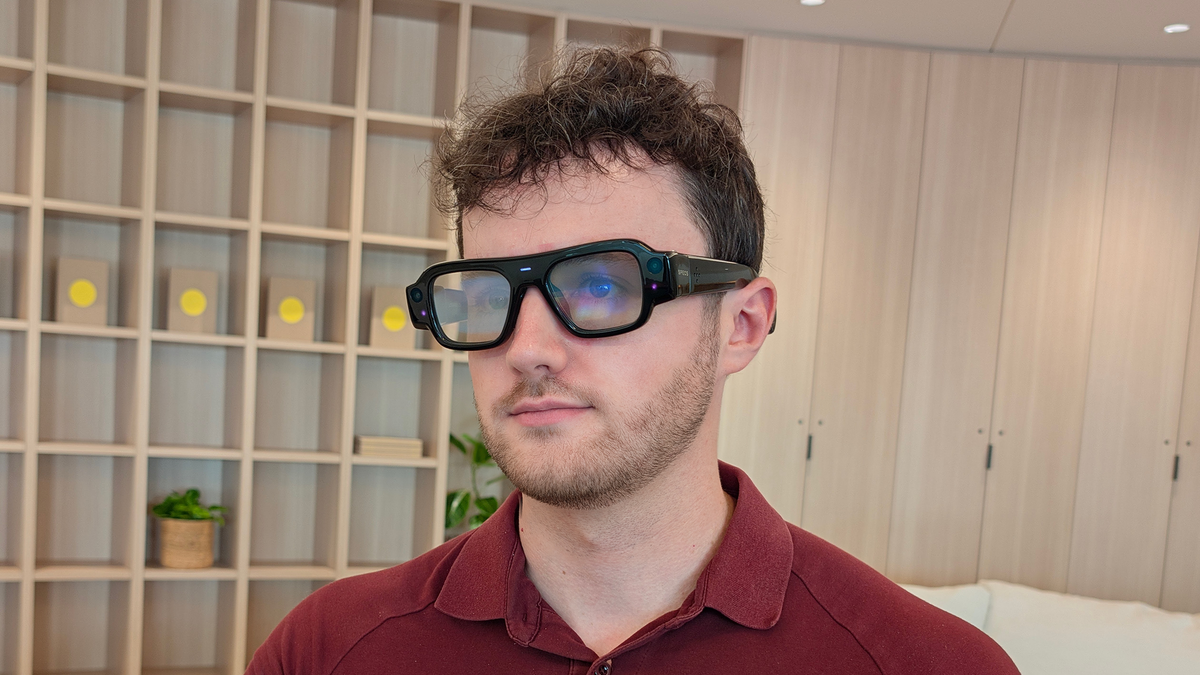
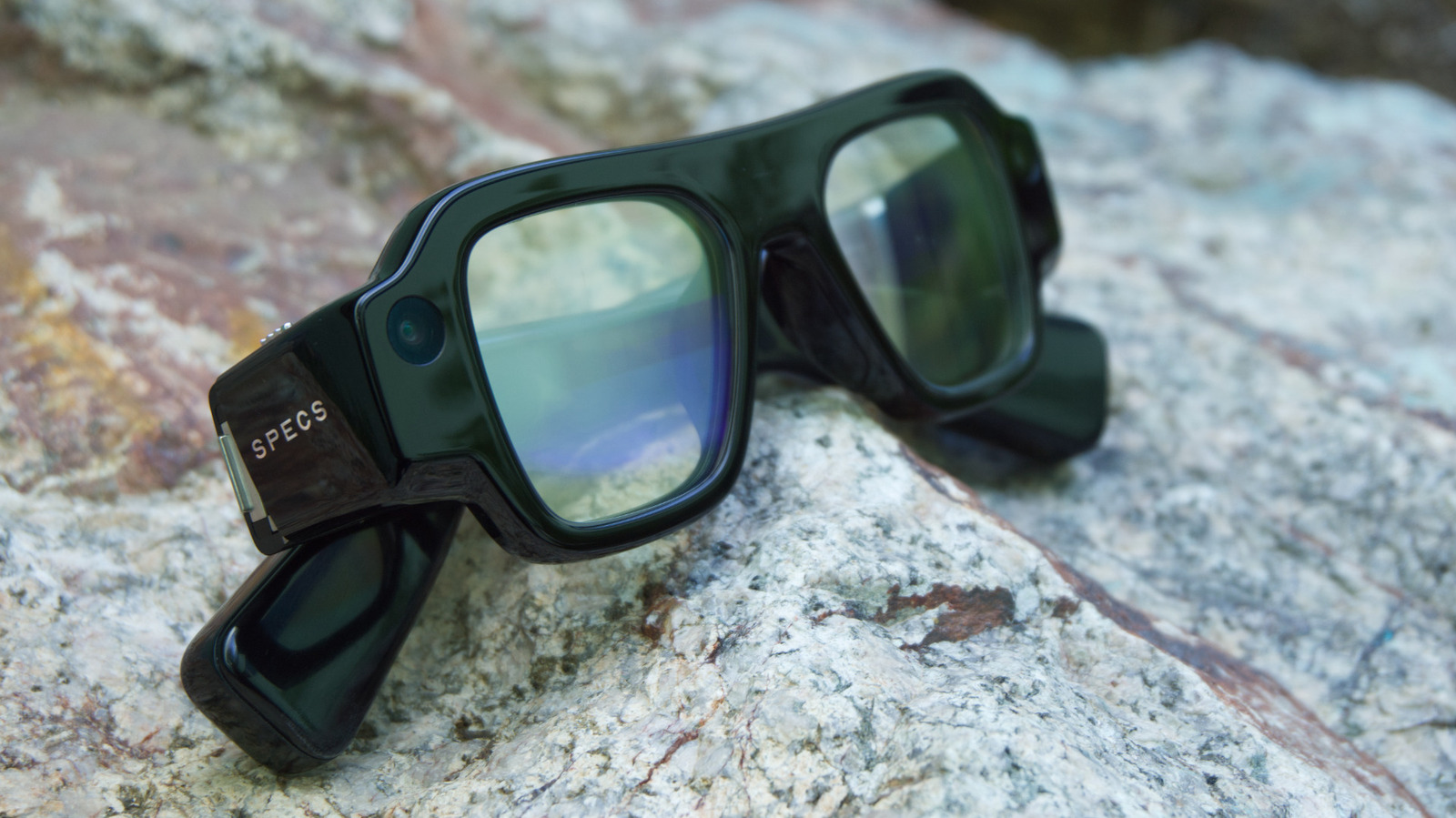
UploadVR's David Heaney recently provided a hands-on account of Snap's new Specs, following an event in Los Angeles on September 23, 2026. These standalone AR glasses, priced at $2,195, were first revealed in June when preorders opened. Snap positions Specs as the first fully untethered true AR glasses available outside China, aiming to lead the market ahead of competitors like Meta and Apple.
While Snap CEO Evan Spiegel delivered an impressive live demonstration of the Specs on stage, a refreshing change from typical prerecorded launches, UploadVR notes that the in-lens experience doesn't match the projected views. During the event, Snap also announced a built-in cross-platform agentic AI assistant and an optional cellular charging case for enhanced connectivity.
According to Heaney's hands-on report for UploadVR, users will immediately encounter several optical issues with Specs. These include a noticeable rainbow pattern across the display, inconsistent color uniformity, and blue streaks caused by reflections of real-world light. The visual clarity falls short of what users might expect from a VR headset, and even lags behind the clarity of the Meta Ray-Ban Smart Glasses HUD, UploadVR states.
A significant drawback, UploadVR explains, is the limited field of view, a common issue for optically transparent AR devices. Specs offers a 51-degree diagonal FOV, comparable to the Microsoft HoloLens 2. UploadVR finds it particularly misleading that Specs renders and records a larger FOV than what the user actually sees, creating a disparity between promotional content and the actual device experience.
Our take: Snap's strategy here is aggressive. Launching a fully standalone AR device at this price point, especially before tech giants like Apple and Meta, is a bold move. However, the reported optical shortcomings suggest that while Snap may have achieved 'minimum viable' AR, the current experience might not justify the premium cost for early adopters seeking truly immersive, high-fidelity overlays. Strong tracking is crucial, but visual quality will ultimately drive mainstream adoption.
Interactive guide — prices, displays, cameras, battery.
Share this story