Reviews · Meta
Hands-On With Meta: Ray-Ban and Oakley Smart Glasses Expand Their Reach
Early impressions point to a broader rollout of Meta's hardware platform across iconic EssilorLuxottica frames, testing whether AI audio frames can win over mainstream consumers.

On November 8, 2026, lifestyle.inquirer.net offered an early look at Meta's expanding hardware lineup, getting hands-on with upcoming Ray-Ban Meta smart glasses and Oakley frames ahead of their regional retail availability. The preview highlights Meta's continued push to position camera-equipped AI frames not merely as Silicon Valley tech experiments, but as accessible designer eyewear ready for daily wear.
According to lifestyle.inquirer.net, the core appeal of the devices lies in their seamless blend of everyday fashion with ambient computing. Rather than forcing users to wear bulky displays or awkward facial peripherals, Meta's ongoing partnership with eyewear giant EssilorLuxottica relies on familiar silhouettes. The incoming Oakley iterations, in particular, aim to bring Meta's multimodal AI, open-ear audio, and ultra-wide camera arrays into the active sports market, building on the commercial momentum established by the Ray-Ban Meta series.
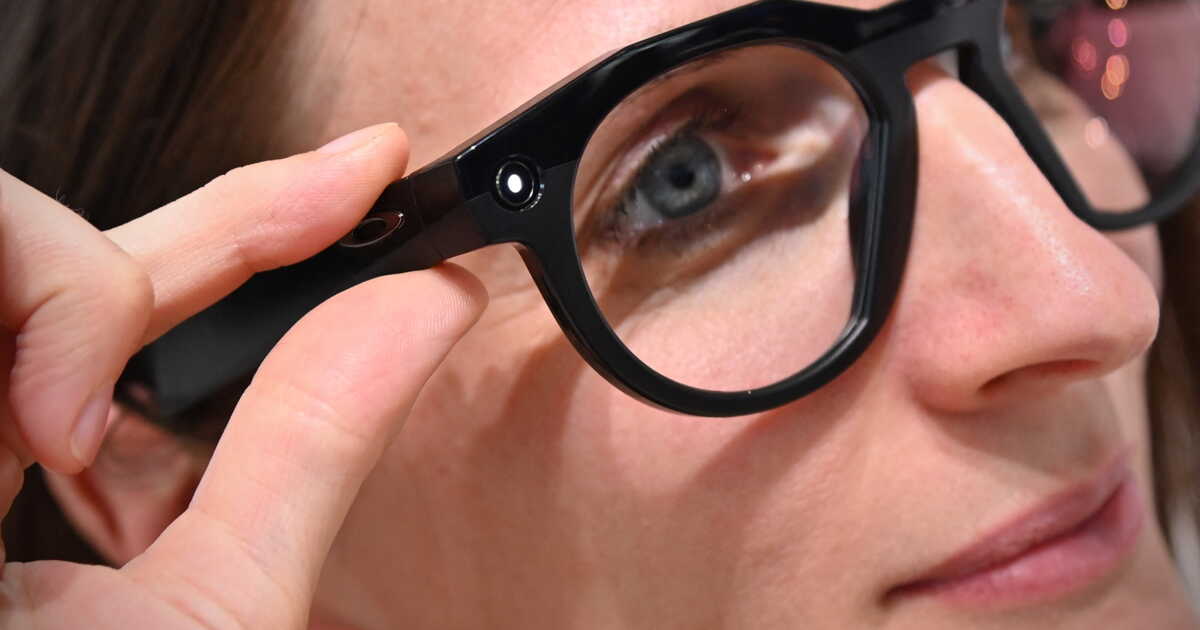
While lifestyle.inquirer.net focused on how natural the frames feel during initial handling, the broader narrative is Meta's aggressive strategy to normalize face-worn sensors. With built-in microphones, discreet temple speakers, and a front-facing camera capable of answering questions about a wearer's surroundings, the platform relies heavily on voice prompts and Meta AI processing rather than visual head-up displays.
What this means: EssilorLuxottica and Meta have cracked the formula that eluded early smart eyewear pioneers. By leveraging established lifestyle brands like Ray-Ban and Oakley, the hardware bypasses the awkward aesthetic barriers that doomed earlier smart frames. As reported across tech media by outlets like The Verge, Meta's Ray-Ban line proved to be an unexpected hardware hit, consistently outpacing initial sales expectations. Bringing Oakley into the mix allows Meta to target athletes, cyclists, and outdoor enthusiasts who require wraparound styling, secure fits, and sweat-resistant designs that classic Wayfarers cannot provide.
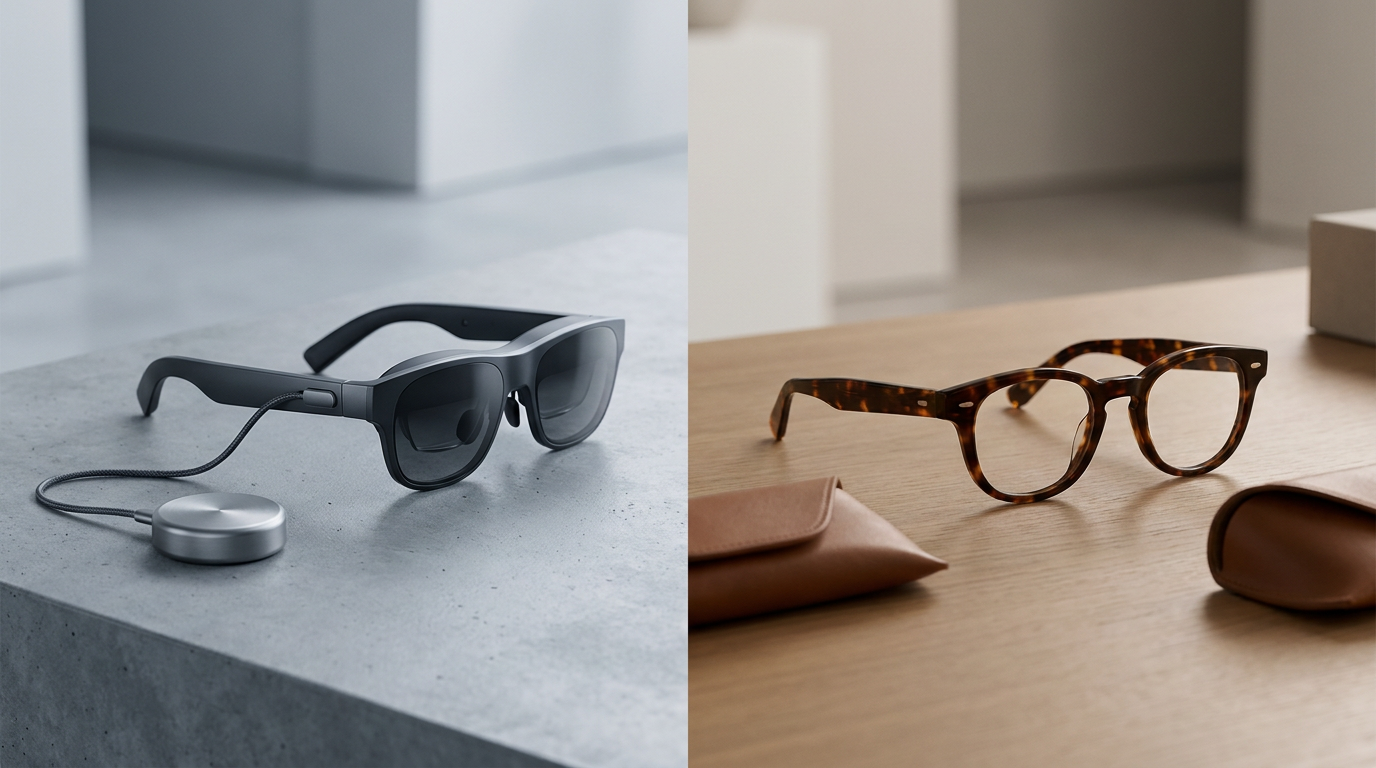
How it compares: Meta's audio-and-camera approach stands in stark contrast to display-centric augmented reality devices from competitors like Xreal, Rokid, or Even Realities. While those companies prioritize projecting visual interfaces or monochrome teleprompters onto lenses, Meta has prioritized weight, battery life, and social acceptability. The result is a device that weighs under 50 grams and looks virtually indistinguishable from standard designer sunglasses. The trade-off, however, remains battery endurance, which typically caps active capture and calling time at around four hours before needing a recharge in the carrying case.
We've been tracking Meta's wearable roadmap closely, and international rollouts of both Ray-Ban and Oakley frames represent a critical test of whether smart eyewear can scale outside major Western markets. If consumers embrace camera glasses for hands-free social capture and voice-first AI assistance during daily commutes and sports activities, Meta will hold an enviable lead in personal computing real estate before full-fledged AR displays ever reach consumer price points.
Interactive guide: prices, displays, cameras, battery.
Share this story