Analysis · —
Meta's Stealth Strategy: Why Ray-Ban Beats Vision Pro for the Smart Glasses Crown
While Apple pursues an immersive AR spectacle, Meta's subtle, always-on AI approach is quietly capturing the market. The battle for your face isn't about displays, it's about everyday utility and social acceptance.

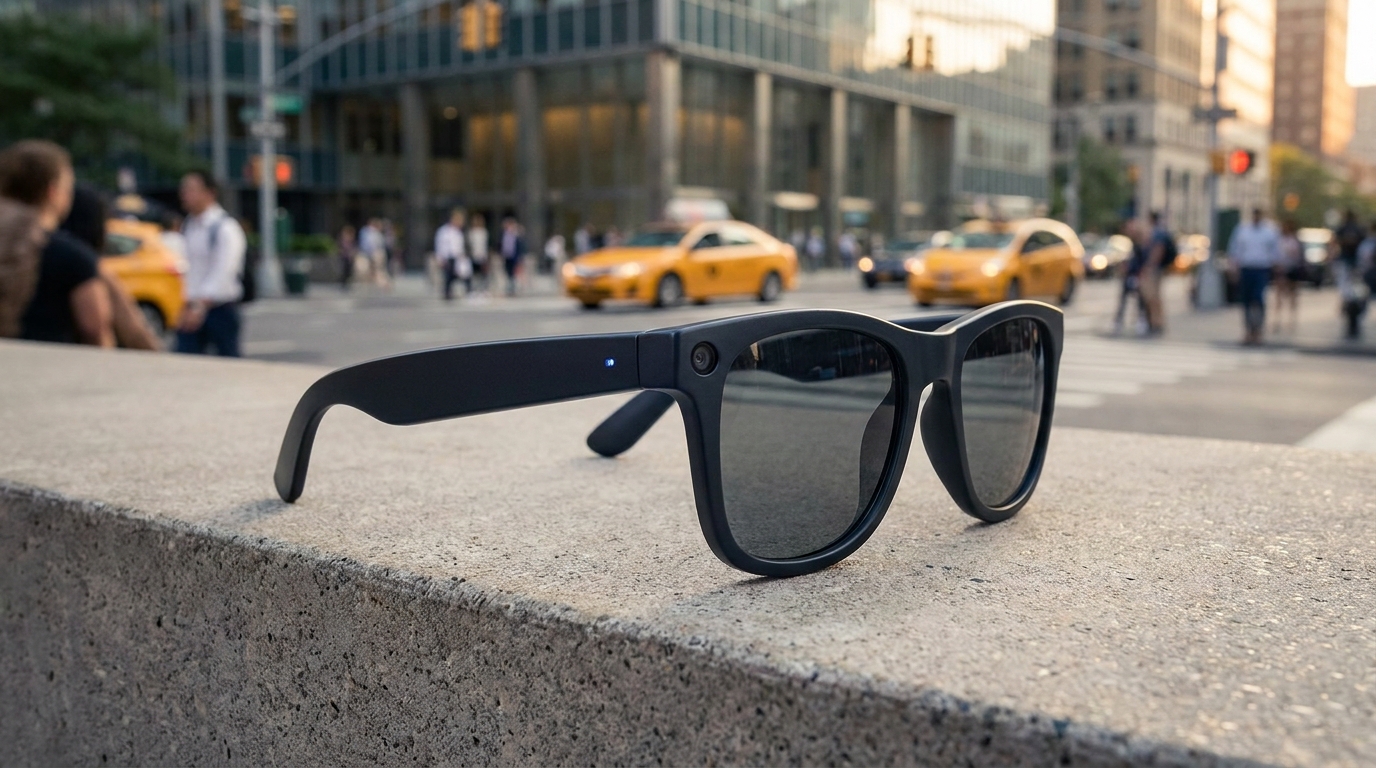
The smart glasses market, a graveyard littered with grand ambitions, is finally showing signs of life, albeit along two distinctly divergent paths. On one side, Apple's Vision Pro promises an immersive, spatial computing future, a high-fidelity display-driven experience that redefines interaction. On the other, Meta's Ray-Ban glasses offer something far less visually stunning, yet fundamentally more pervasive: an always-on AI assistant nestled discreetly on your face.
This isn't a contest of raw technological prowess in every metric. Instead, it is a strategic battle for mainstream adoption, and Meta, by prioritizing invisible utility and social integration, is poised to win the initial war. The core distinction lies in the role of the eyewear itself: is it a transformative computing device, or a seamless, everyday companion? The market is clearly signaling a preference for the latter, at least for now.
Our own 'The Invisible Hand' piece highlighted 'the inevitable rise of always-on AI assistants, seamlessly integrated into our eyewear.' This is precisely Meta's play with its Ray-Ban smart glasses. They are not about creating a new reality, but augmenting our existing one with discreet audio and conversational AI capabilities, making them an extension of our digital lives without demanding a paradigm shift.
The crucial aspect here is the form factor and social acceptance. Companies like Even Realities, with their G2 Display Smart Glasses, understand this, opting for 'Lindberg-designed frames' that 'Prioritize Style, Substance Over Camera Gimmicks,' as reported by Sharp Magazine. Meta, through its iconic Ray-Ban partnership, sidesteps the 'Google Glass syndrome' entirely, offering a device that looks and feels like regular eyewear, fostering immediate comfort and reducing social friction.
Price point is another undeniable differentiator shaping the market's direction. While 'Decoding 2026 Smart Glasses' details a spectrum up to $2,195 for 'premium augmented reality visors,' Meta's Ray-Ban glasses inhabit a far more accessible tier. Apple's Vision Pro, a marvel of engineering, sits at the extreme high end, an aspirational device that simply cannot compete with the sheer volume and everyday utility offered by Meta's affordable option.
Even as activist campaigns, like the one reported by Engadget where London bus stops were 'Hijacked' with 'dystopian Meta Smart Glasses Ads,' highlight lingering privacy concerns, Meta's approach is still arguably more palatable. The perception of a discrete audio assistant and occasional camera is less intrusive than a full-blown passthrough AR headset constantly surveilling its environment, even if both present valid privacy dilemmas.
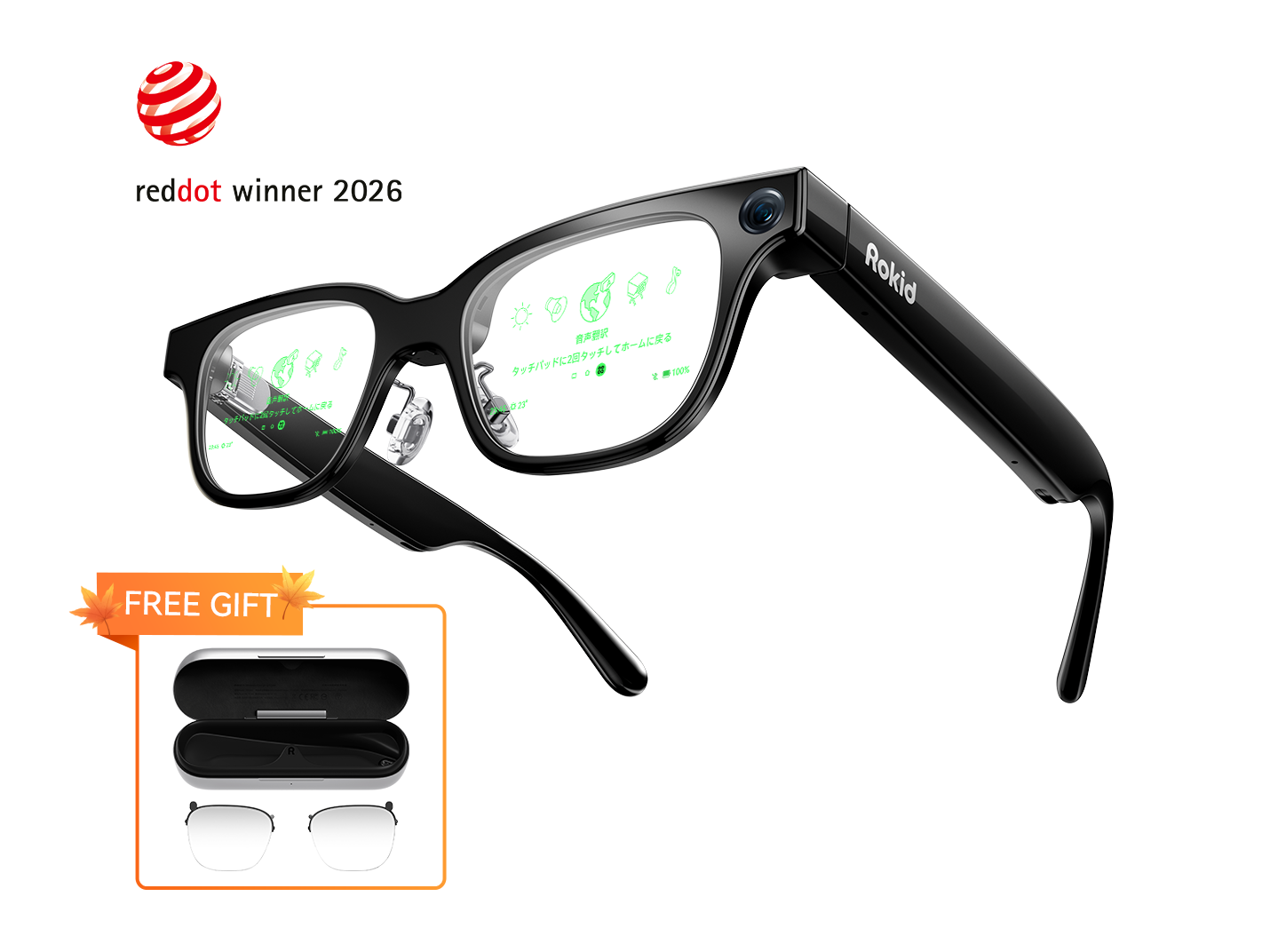
The burgeoning AR display market, championed by players like XREAL, RayNeo, and Rokid, is undeniably powerful, as 'The Silent Conquest' observed. Their dominance in 'the AR display war' is critical for future immersive experiences, evident in products like INAIR's 2 Elite Suite, which aims to redefine the desktop with 'up to six virtual screens.' But these represent specific, often niche, use cases for productivity or entertainment.
Meta's strategy bypasses the current challenges of robust, lightweight AR displays for mass consumption. They understand that while a developer might crave Monako Glass-style 'AI coding workstation' or a gamer might consider an XREAL R1 AR gaming glasses bundle with an ASUS ROG Ally X20, the average consumer primarily wants a smart, unobtrusive assistant that fits into their existing routines.
This is why Magic Leap's strategic pivot to supplying 'advanced waveguides and integration expertise' for 'AI display glasses' is so telling. Even pioneers in the display space recognize that the path to ubiquitous smart eyewear may not be through building complex, standalone AR devices, but by enabling simpler, display-optional AI-powered glasses first. Meta is already executing on this 'display-optional' front.
The broader industry trend, highlighted by 'Android XR: The Coup That Will Reshape Smart Glasses,' leans towards open, accessible platforms and utility. While Apple maintains its signature walled garden, the sheer velocity of Google's push for an open XR standard for an array of hardware partners will further democratize smart eyewear, making Meta's relatively open-ended approach with Ray-Ban even more appealing.
Ultimately, Meta's winning formula for smart glasses isn't about technological one-upmanship in a nascent AR display race. It's about an acute understanding of human behavior and immediate need. They offer an 'invisible companion' that enhances daily life without demanding a complete cognitive and social overhaul.
Apple Vision Pro, for all its revolutionary potential, is a magnificent, powerful computer that happens to sit on your face. Meta Ray-Ban, conversely, is a pair of glasses that happens to be smart. This fundamental difference in philosophy, prioritizing subtle, always-on utility over immersive, costly spectacle, is why Meta is currently charting the clearer, more scalable path to mainstream adoption.
Interactive guide — prices, displays, cameras, battery.
Share this story