Analysis · Meta
Why Meta's Ray-Ban Blueprint Is Humiliating Apple's Vision Pro
Apple bet on heavy spatial computing and isolating glass visors. Meta bet on lightweight designer frames and ambient AI, and the entire industry is now copying Menlo Park.
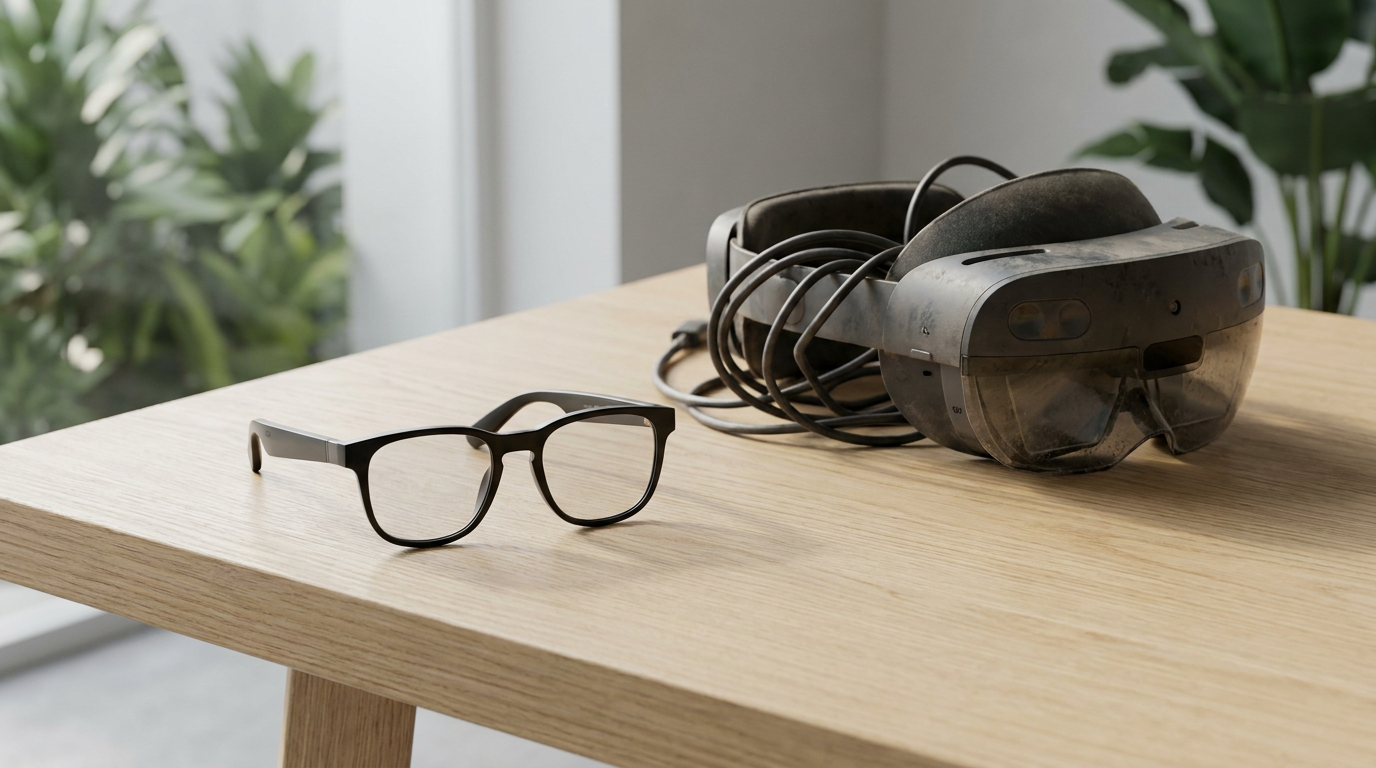
Apple spent billions of dollars convincing the world that the future of computing involved strapping a laminated glass scuba mask to your face. The Vision Pro was supposed to be the definitive spatial revolution, an uncompromising architectural marvel packed with micro-OLED displays and reverse pass-through digital eyes. Instead, it became a $3,500 paperweight that proved consumers do not want to live inside an isolated synthetic reality. Meta recognized early what Cupertino missed: people do not want face computers, they just want glasses.
The retreat from spatial maximalism is now undeniable across the supply chain. Leaks detailing Apple's product roadmap point to a 2027 debut for screenless, camera-equipped frames powered by Apple Watch silicon and on-device Apple Intelligence. Rather than doubling down on immersive visual optics, Apple is preparing to clone Meta's display-free form factor almost line for line. When the most stubborn hardware company on Earth abandons its grand spatial narrative to chase an existing competitor's industrial design, the argument is settled.
Meta understands the boundary between entertainment gear and everyday wearables. While Cupertino tried to position a heavy headset as a daily workstation, Meta keeps its Quest 3 and Quest 3S lineup firmly in the toy closet, leaning into seasonal gaming hooks like its recent Resident Evil 4 Halloween showcase. Headsets are gaming consoles that belong on the coffee table beside a PlayStation controller. Eyewear is personal identity, and treating the two categories as the same product was Apple's catastrophic miscalculation.
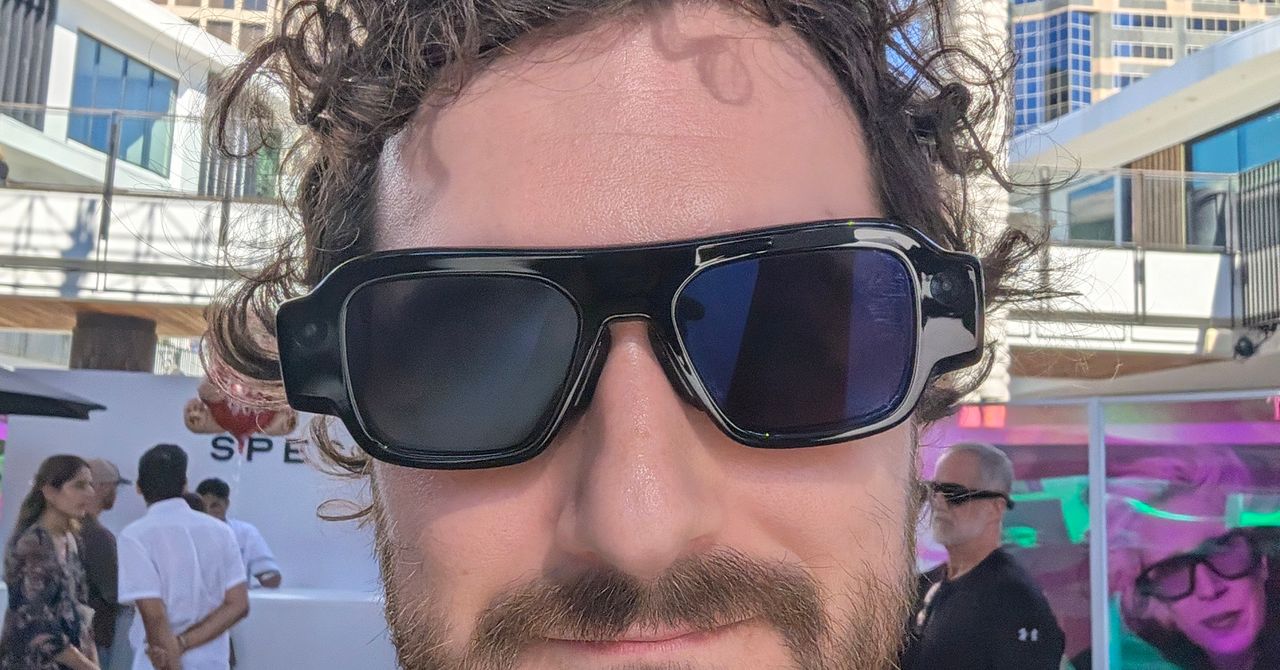
Other companies that continue to force optical computing onto faces are hitting the exact same wall of physical reality. Snap recently deployed its $2,195 developer Spectacles into public tests, resulting in tech reviewers doing push-ups on shopping mall floors while sweating through battery heat. Nobody wants to wear chunky, angular plastic that slides off during basic physical movement. Pushing high-power compute and bulky visual engines into public spaces still looks ridiculous, alienates bystanders, and delivers negligible daily utility.
Even optics veterans are reading the writing on the wall. Vuzix is pinning its future financial performance on licensing diffractive optical waveguide patents to enterprise OEM pipelines rather than attempting to ship a mass-market consumer spectacle. Building full-color, daylight-readable waveguides that fit into traditional acetate without torching battery life remains a brutal engineering bottleneck. Trying to bypass that limitation with bulky headgear simply produces expensive dust collectors.
The rest of the consumer tech establishment has already capitulated to Meta's philosophy. Samsung officially confirmed its upcoming Intelligent Eyewear for a holiday rollout, skipping mixed-reality visors to deliver Google Gemini inside designer frames. Even Rokid, which made its name selling tethered display glasses, is hedging aggressively by introducing the audio-and-camera Rokid Glasses 2 alongside its 55-gram Rokid Color frames. The consensus across Seoul, Shenzhen, and Menlo Park is identical: aesthetics must come before displays.
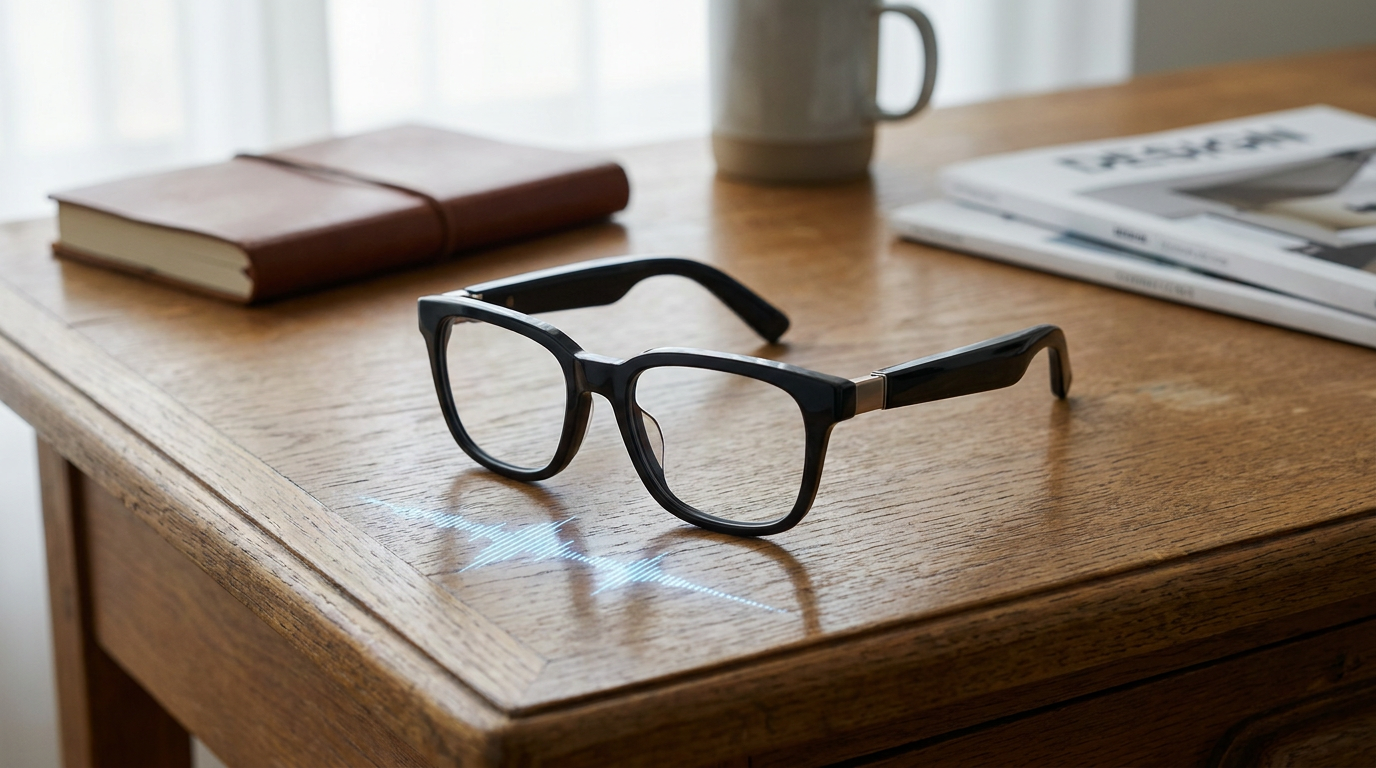
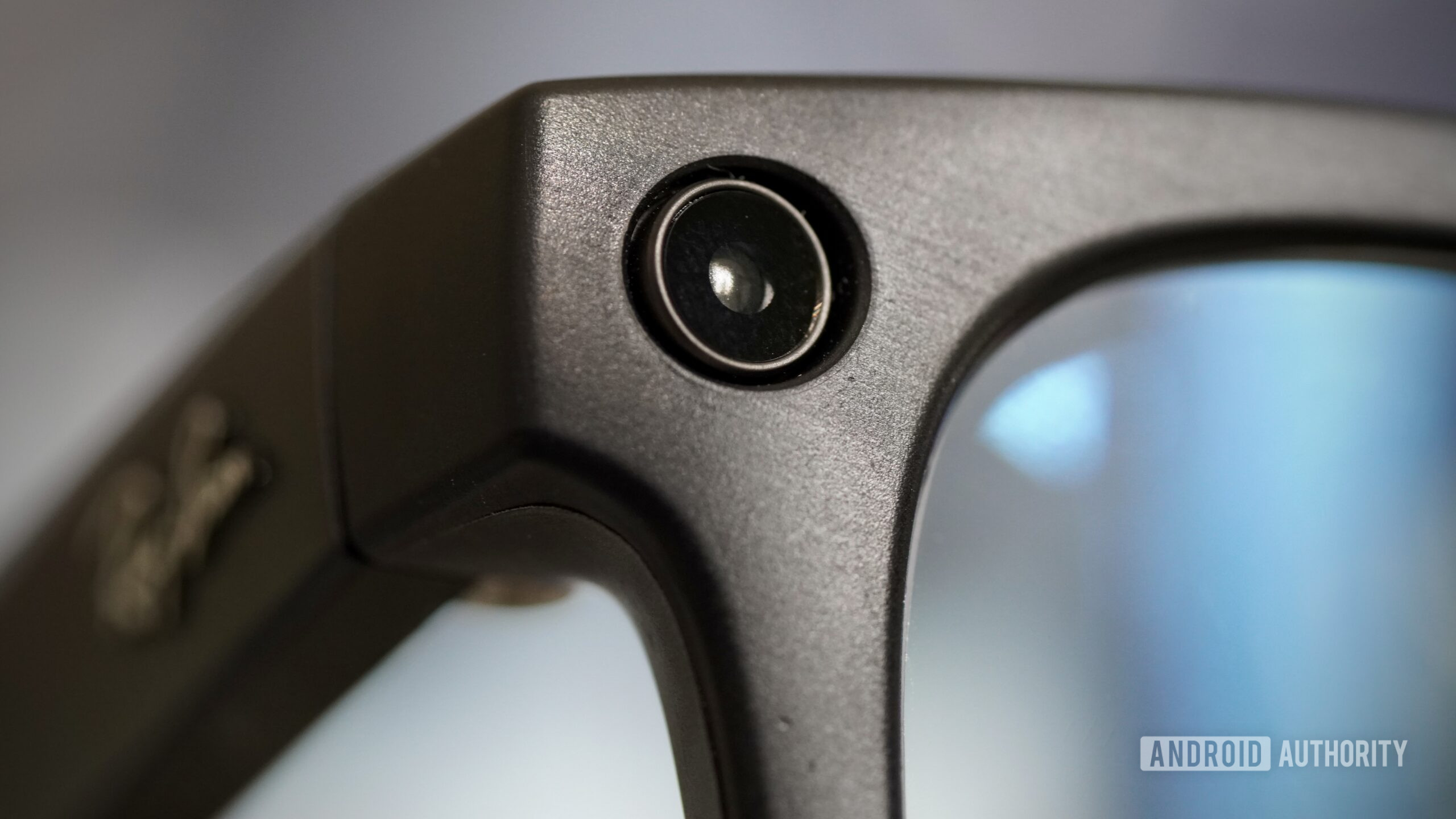
Meta's genius was realizing that conversational AI makes screens optional. A pair of Ray-Ban frames that discreetly answers questions, identifies landmarks, and captures first-person video solves real friction without giving the wearer neck strain. You do not need to project floating Safari windows across your living room ceiling to check your calendar. Voice, context, and ambient audio are more than enough to anchor a post-smartphone platform.
That is not to suggest Meta's path is free of landmines. The camera-first approach is generating fierce social and regulatory friction across international markets. In France, legal experts are highlighting how covert image capture using Meta frames triggers criminal penalties under Article 226-1 of the French Penal Code. Because the frames look completely ordinary, bystanders have no idea when they are being recorded, sparking an intense privacy backlash that Apple's isolated headset never had to confront.
The corporate and civil battlegrounds are expanding just as rapidly. Disney World is currently fighting Cedeno v. Walt Disney Parks and Resorts, a landmark lawsuit where an employee alleged disability discrimination after being barred from wearing doctor-prescribed Meta smart glasses on shift. Meanwhile, clumsy privacy remedies like the magnetic lens covers on Raven Prism or vocal shutoff commands on HTC Vive Eagle highlight how desperate brands are to soothe bystander anxiety. Yet this friction exists because people actually wear these frames out in the wild.
That contrast exposes the ultimate flaw in Apple's headset strategy. Apple Vision Pro has pristine public privacy credentials solely because nobody wears it in a grocery store, a boardroom, or an office cubicle. It is easy to avoid bystander panic when your product never leaves the home sofa. Meta has invited legal scrutiny, corporate policy disputes, and social debate precisely because its hardware is out on the street changing human behavior every single day.
Even the display-centric alternatives that work are taking cues from classic fashion rather than Silicon Valley labs. Even Realities just expanded its G2 lineup with an acetate Brown 2 tortoiseshell edition, relying on a 20-hour polishing routine and camera-free heads-up teleprompting. It recognized that if you cannot build a device that looks stunning on a face, the underlying silicon does not matter. Fashion is not an optional marketing wrapper; it is the fundamental constraint of the category.
The war for wearable computing is already over, and the form factor has been decided. It will not be won by strapping two 4K screens over your eyebrows to pinch virtual app icons in midair. It will be won by stylish, comfortable glasses that whisper intelligence into your ears and look indistinguishable from classic optical frames. Meta took that bet years ago, and Apple will spend the rest of the decade trying to catch up.
Interactive guide: prices, displays, cameras, battery.
Share this story