Analysis · Multi-brand
Beyond the Creepy Cam: Why Always-On AI Assistants Are the True Future of Eyewear
Silicon Valley tried to sell face-mounted surveillance, but consumers and courts are pushing back. The real battle for your face is an ambient AI copilot that listens rather than stares.
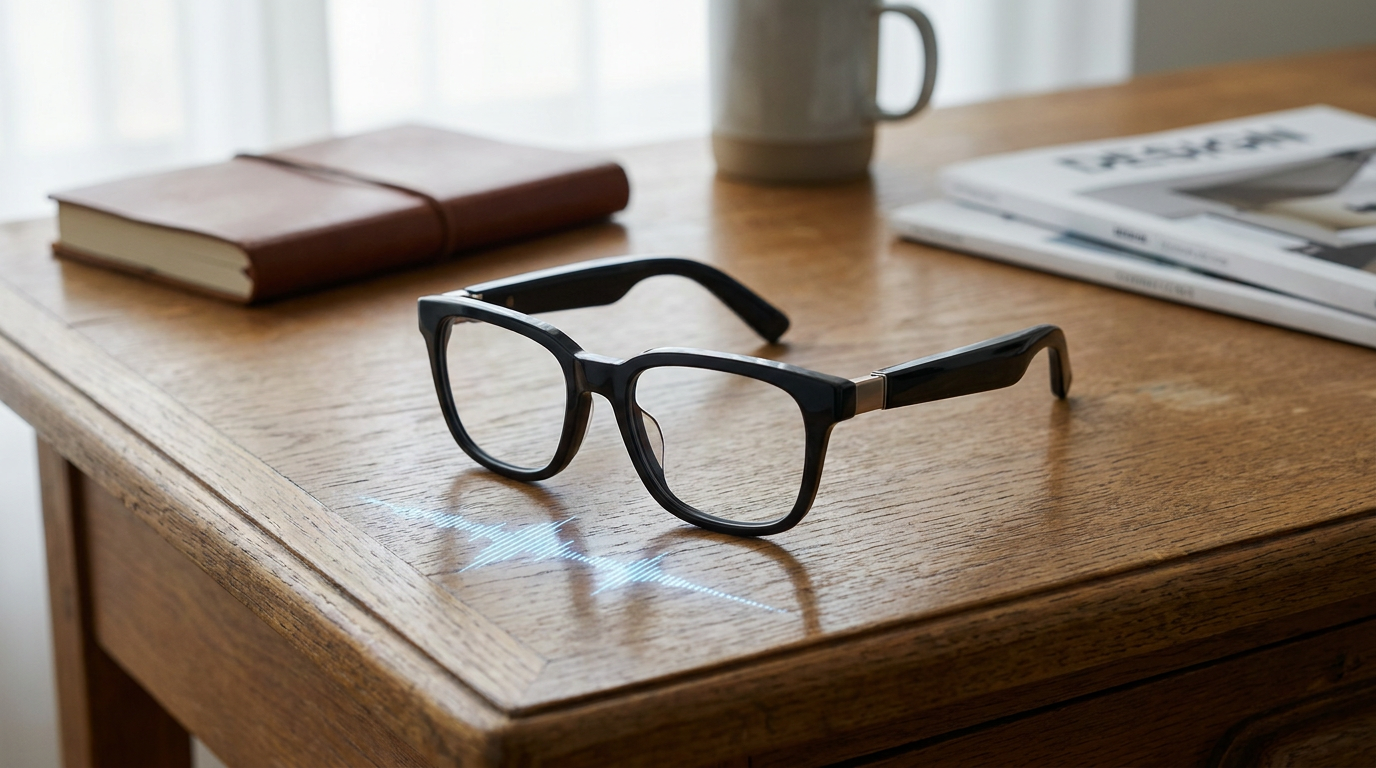
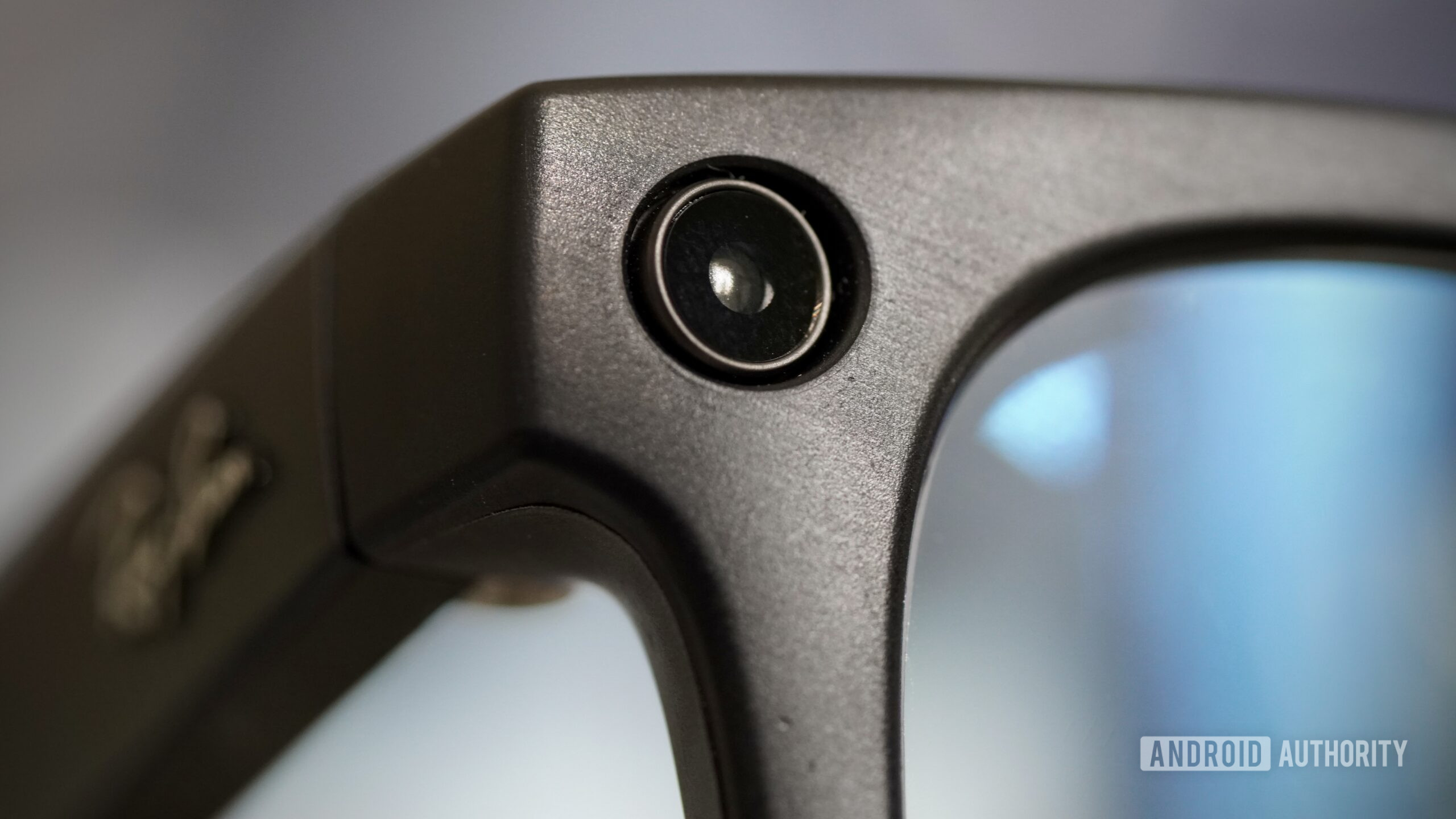
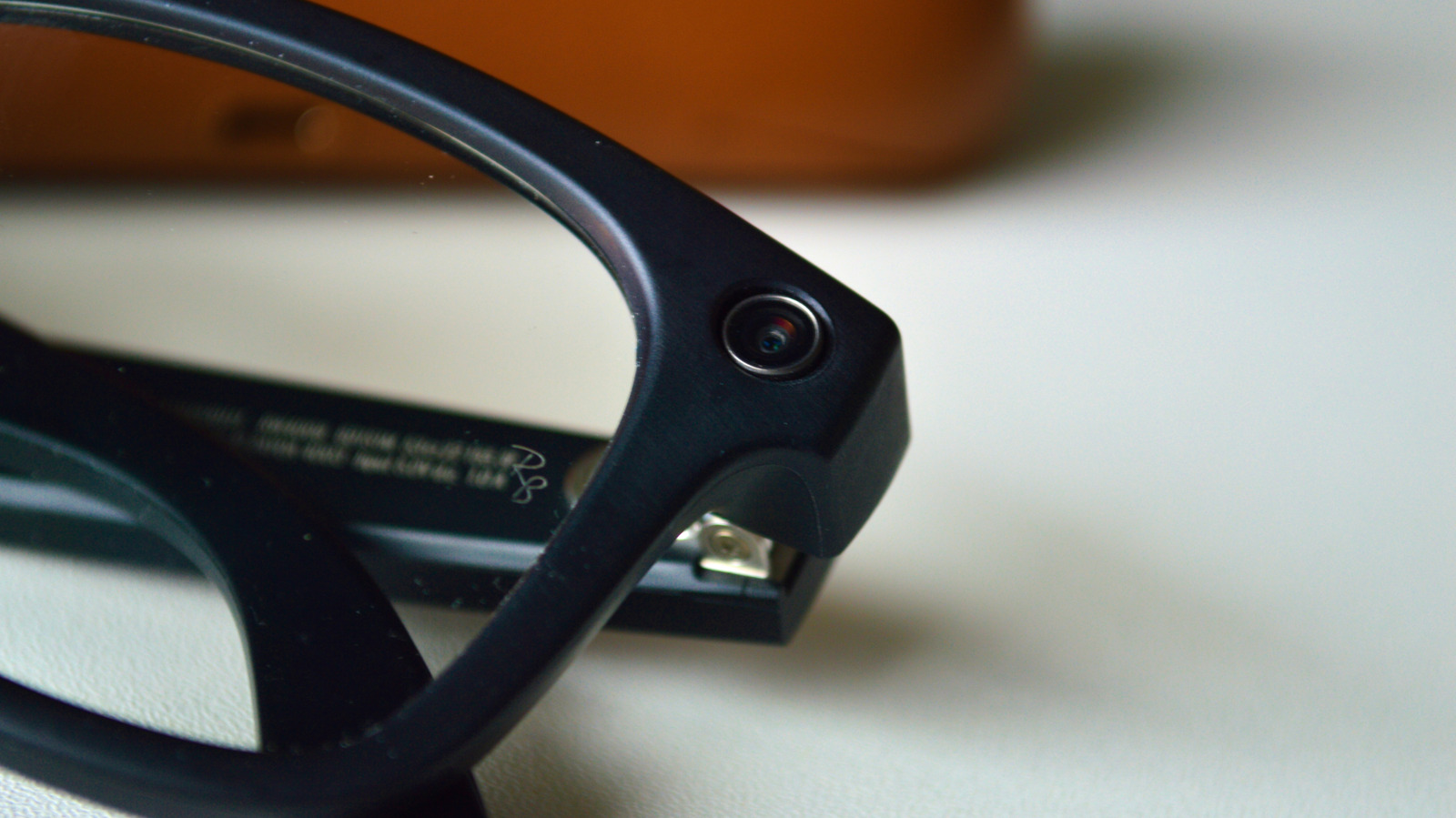
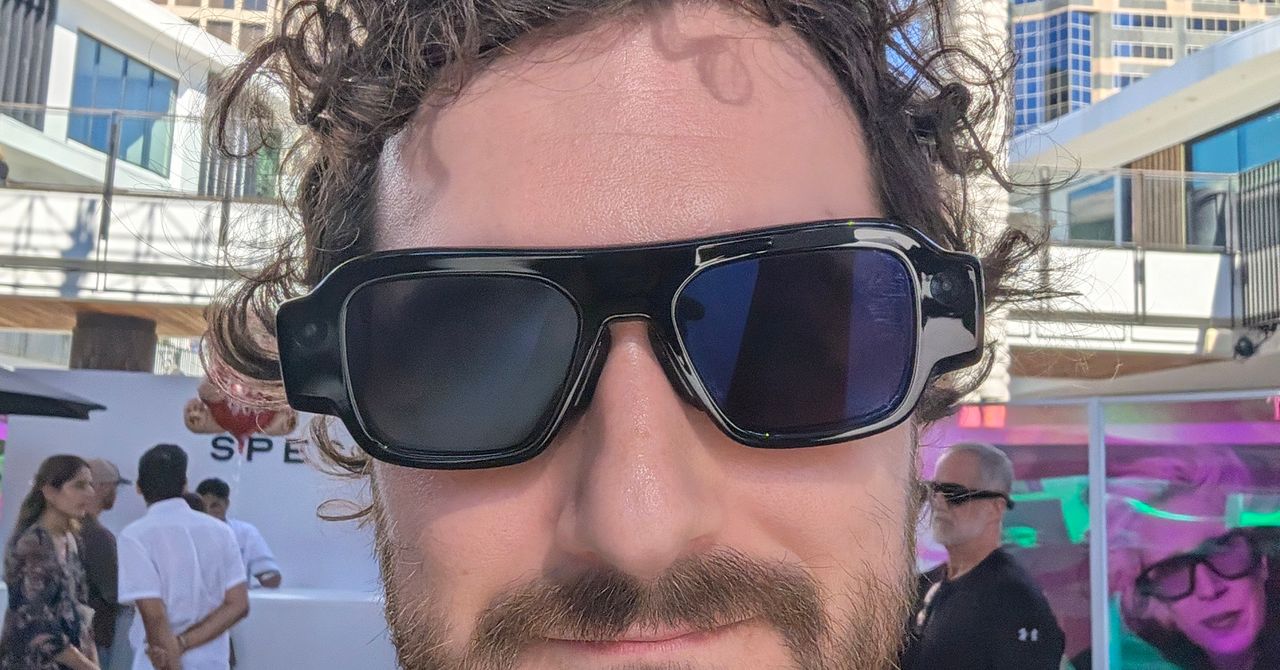
Silicon Valley spent years betting that consumers wanted to turn their faces into roving broadcast studios. Hardware makers tried to convince the public that eye-level video recording and social capture would represent the natural evolution of the smartphone camera. That premise has hit a brick wall of social discomfort, regulatory blowback, and plain consumer disinterest. The genuine destiny of smart eyewear is not an ambient surveillance lens, but an always-on AI assistant that listens, comprehends, and quietly enhances human cognition.
The financial cracks in the camera-first doctrine are already showing. EssilorLuxottica saw wearable hardware revenue growth collapse from nearly 100 percent to a modest 20 percent as initial novelty purchasers drifted away. Mainstream consumers are simply unwilling to embrace the social baggage of wearing obvious recording gear to dinner, meetings, or family gatherings. As the market matures, the demand is shifting rapidly from exhibitionist point-of-view recording toward contextual, ambient intelligence that quietly serves the wearer.
Regulators and corporate compliance officers are accelerating this reckoning. In France, legal scrutiny under Article 226-1 of the French Penal Code is turning unauthorized indoor recording with Meta frames into a potential criminal offense. Meanwhile, workplace friction has reached the courtroom in Cedeno v. Walt Disney Parks, where an employee prescribed Meta smart glasses for vision accommodations was barred from wearing them due to enterprise recording bans. These escalating conflicts prove that hardware tethered to constant optical capture will inevitably find itself banned from offices, schools, and private venues.
The tech industry knows it has painted itself into a corner, yet its early privacy patches border on farce. Ahead of the joint Samsung and Google rollout for Android XR glasses, rivals have experimented with desperate fixes like Raven Prism's magnetic lens caps or HTC Vive Eagle's voice-activated bystander shutoff cues. Expecting strangers in a coffee shop to shout at your glasses or trusting a removable plastic cover fails to resolve deep public anxiety. Silence on privacy will no longer pass muster, forcing platform architects to pivot their engineering toward ambient software utilities rather than active filming.
Samsung is already preparing to test these waters with its imminent Intelligent Eyewear lineup, scheduled to land in the United States and Korea before the close of the year. By integrating Google Gemini directly into designer frames, Samsung aims to bypass the camera stigma by framing the glasses as an intuitive cognitive copilot. Instead of pushing viral video capture, the user experience emphasizes real-time translations, conversational search, and proactive scheduling. When the primary interaction model relies on a low-latency voice model whispering answers into your ear, the value shifts from capturing strangers to empowering the wearer.
Apple appears to have reached the exact same strategic conclusion. Supply chain intelligence indicates that Apple plans a 2027 entrance with screenless, audio-centric frames powered by custom silicon derived from the Apple Watch. Rather than rushing an awkward, bulky head-mounted display to market, Cupertino is pairing on-device Apple Intelligence with Visual Intelligence and an upgraded Siri. The goal is an understated everyday wearable that answers queries, navigates surroundings, and parses your schedule without looking like a piece of military surveillance hardware.
Even across Asian hardware hubs, the conversation is expanding beyond raw sensor specs. While Rokid recently introduced the Rokid Glasses 2 with a 4K camera and Dolby Audio for content creators, its concurrent launch of the 55-gram Rokid Color tells a different story. Powered by a compact ring controller and full-color heads-up optics, the Rokid Color targets spatial assistance while keeping weight within striking distance of normal eyewear. Chinese manufacturers recognize that whoever nails the lightweight everyday companion will capture a vastly larger market than whoever ships the sharpest vlog recorder.
At the opposite end of the philosophy spectrum, Even Realities is demonstrating that smart eyewear can succeed by eliminating the camera altogether. The company recently expanded its line with the tortoiseshell Brown 2 edition of the Even G2, preserving a featherweight chassis that projects teleprompter notes and navigation directly onto prescription-grade glass. By omitting cameras entirely, Even Realities eliminates bystander hostility, bypasses enterprise recording prohibitions, and complies effortlessly with stringent European privacy laws. It proves that an AI assistant does not need to look outward at the public to provide immense, indispensable value to the individual user.
To replace traditional corrective lenses, smart glasses must overcome brutal ergonomic realities. Standard prescription spectacles weigh between 20 and 30 grams, while feature-packed smart frames often weigh 70 grams or more and die after three hours of heavy use. No consumer will tolerate afternoon bridge fatigue or dead batteries on their primary optical tool just to snap occasional hands-free videos. Ambient AI glasses must trim the fat, prioritize battery-efficient microprocessors, and focus on voice and lightweight text to make all-day wear feasible.
Mechanical stability alone is not enough to convince users to adopt face-mounted computers. Recent tests of Snap's $2,195 augmented reality hardware showed the frames could cling to a runner's face through a dozen mall push-ups, yet the actual software utility remained an experimental novelty. Heavy, expensive frames running isolated tech demos will never crack the mainstream without a foundational operating system built around real-world utility. Hardware must recede into the background, letting a context-aware assistant take center stage through ambient audio and micro-displays.
Workplace accessibility will serve as a crucial catalyst for this functional evolution. As seen in the Disney ADA dispute, workers with visual impairments or cognitive needs will increasingly require smart glasses as medically necessary assistive tools. For these devices to enter corporate campuses, hospitals, and secure facilities, manufacturers must build verifiable local-only AI modes that process visual inputs on-device without recording or transmitting footage. Once enterprises see smart glasses as productivity multipliers rather than data-leak liabilities, enterprise adoption will explode.
The industry is finally outgrowing its obsession with eye-level social video capture. Consumers do not want to be walking camcorders, and society will not tolerate an unblinking wall of face-mounted surveillance lenses. The real prize belongs to whichever platform delivers a whisper-quiet, context-aware AI assistant that enhances your intellect while respecting everyone else's privacy. Smart eyewear is not about broadcasting your world to everyone else, but about bringing the best of artificial intelligence directly to you.
Interactive guide: prices, displays, cameras, battery.
Share this story