Analysis · —
Big Tech's Walled Gardens Are Breeding Open-Source Wearables
The very smart glasses designed for convenience are sparking a counter-culture. This era defines what a 'Mentra' ethos looks like in wearable AI, empowering hackers and builders.

The smart glasses market is undeniably a battleground, with industry titans like Meta and Snap vying for dominance. Yet, beneath the high-stakes product launches and market speculation, a subtle but profound development is unfolding: mainstream innovations are inadvertently crafting the foundational elements for open-source smart glasses and a thriving hacker community. The devices designed for mass adoption are sparking a counter-culture of builders and re-engineers.
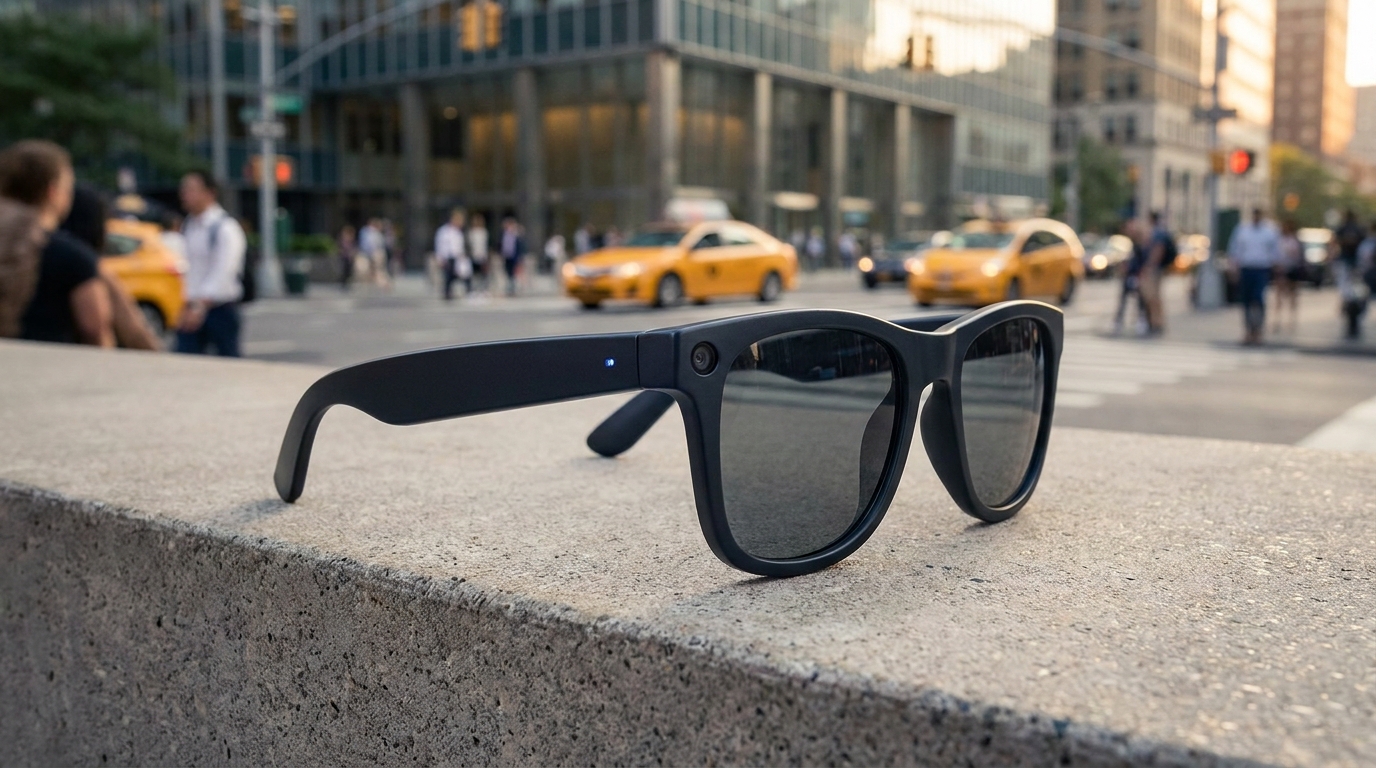
Meta's Ray-Ban smart glasses are currently winning the broader consumer race, as Smart Glasses Daily Originals has noted, with their discreet form factor and immediate, camera-driven utility. This widespread success, however, comes with significant baggage that creates both immense opportunity and necessity for open-source alternatives. Their strategy, while effective for market penetration, illuminates critical vulnerabilities and proprietary lock-ins.
The recent class-action lawsuit against Meta, alleging sensitive user images were shared with foreign contractors for AI training, highlights a deep and growing user distrust. Alongside this, French prosecutors have initiated a criminal investigation into suspected sexual harassment incidents linked to smart glasses. These incidents are not just legal setbacks; they are urgent calls to action for truly transparent, user-controlled hardware, precisely what the open-source community champions.
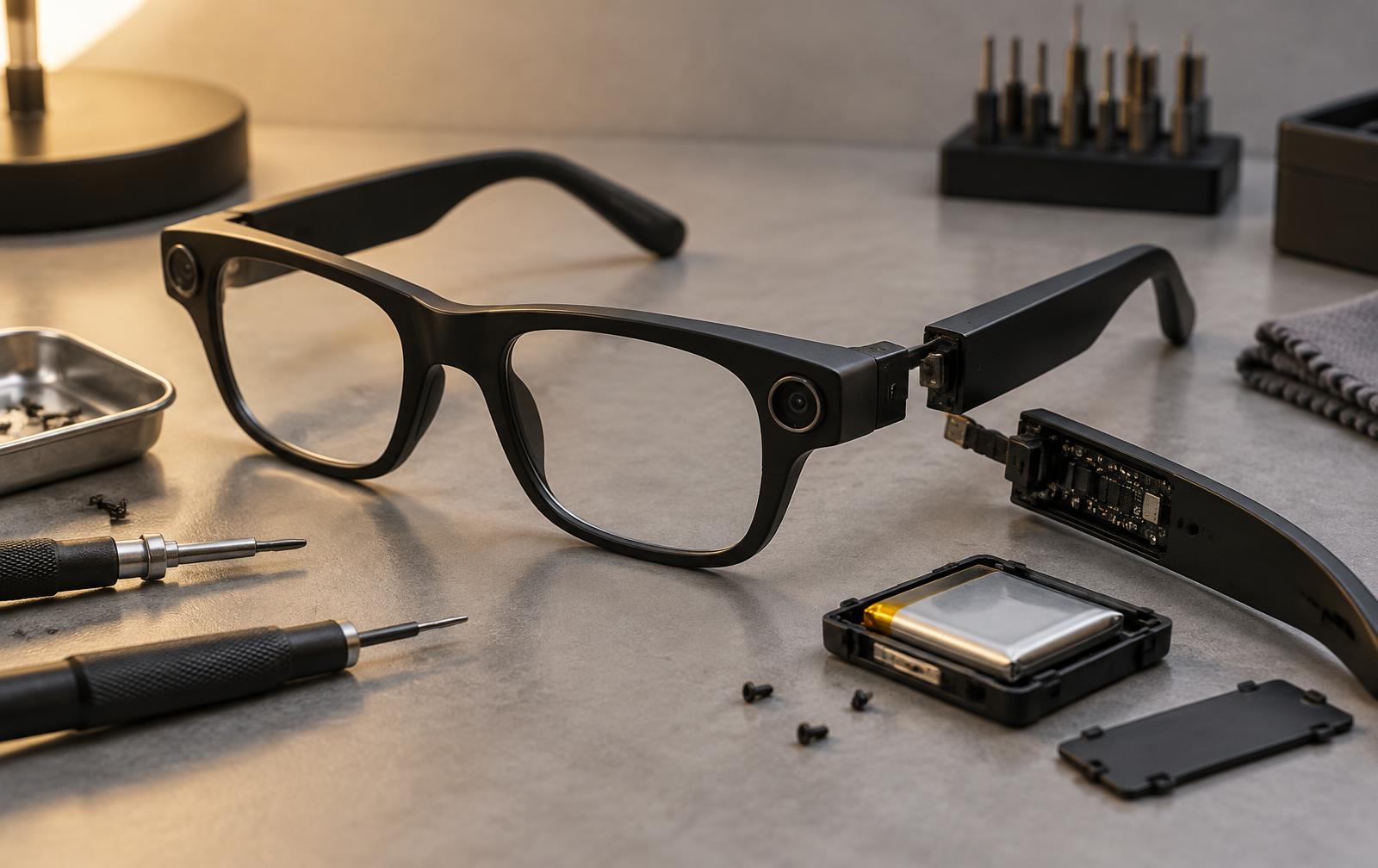
The challenge to Meta's right-to-repair stance, as seen with Acme Revival's lawsuit in Colorado, is another direct affront to the hacker ethos. By allegedly withholding essential repair materials for Ray-Ban Meta smart glasses, Meta and Luxottica are enforcing a proprietary dependence. This type of corporate lockdown invariably breeds a determined desire within the community to build open hardware alternatives.
Despite these controversies, the raw technological advancements from Big Tech are undeniable. Brands like RayNeo are delivering substantial upgrades at more competitive price points, democratizing access to capable hardware. Even new entrants like SmartXY are focused on providing core platforms and diverse, lightweight form factors, specifically aiming to enable other brands and redefine market segments. This approach inherently creates a richer component ecosystem for tinkerers.
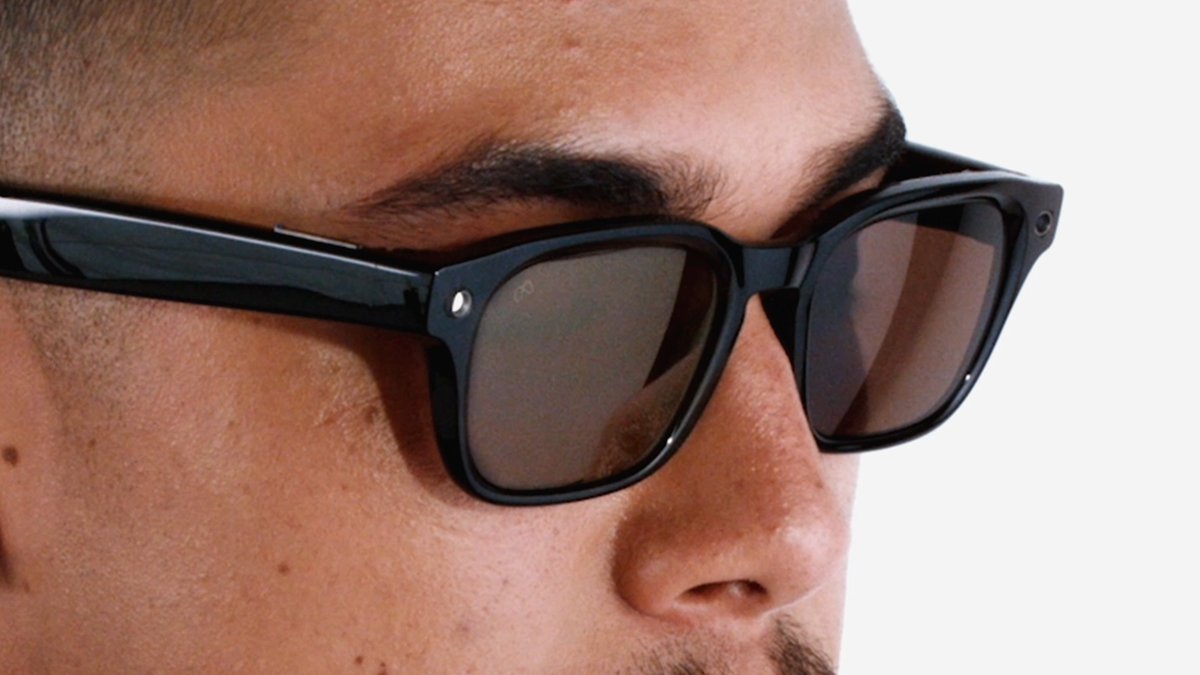
Furthermore, the so-called AR display war is not solely being fought by Meta or Snap. Companies such as RayNeo, XREAL, and Rokid are quietly dominating the crucial display segment, providing practical, lightweight display technology. Their focus on immediate utility in display, rather than high-cost immersion, offers tangible, accessible components that are invaluable for open-source projects aiming for functional, everyday wearables.
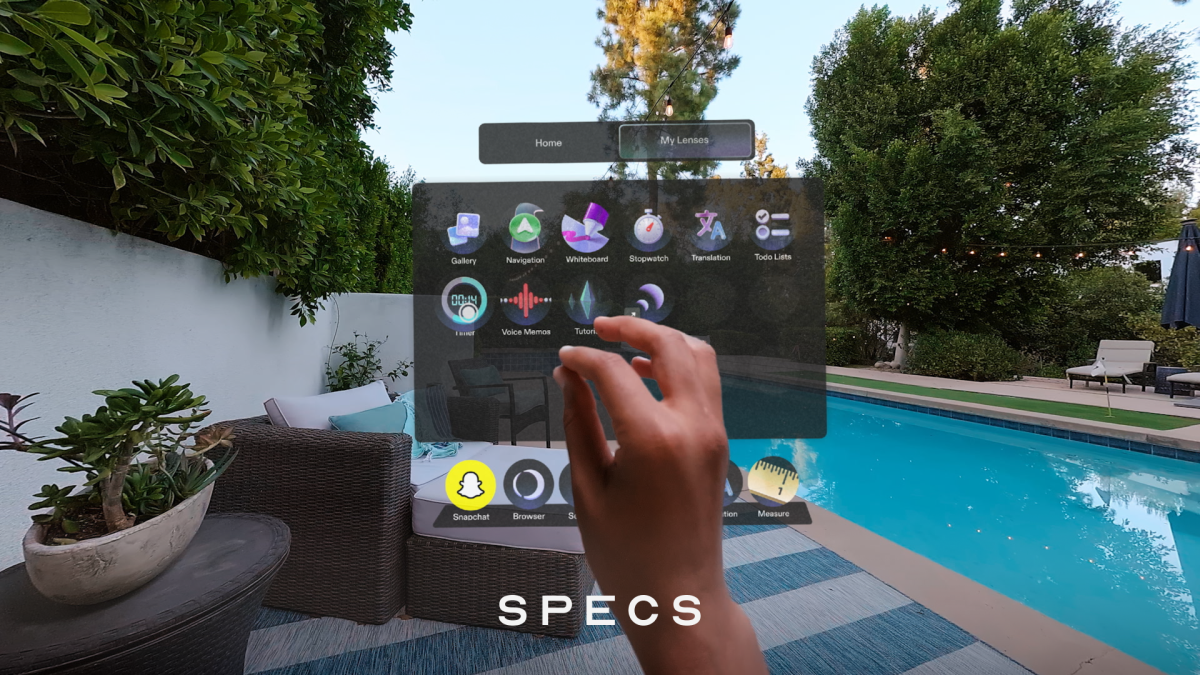
Even Snap, despite its $2,200 Specs and a $3.5 billion AR bet for enterprise, pushes the boundaries of what is possible in augmented reality. While expensive, these ventures drive innovation in components and software stacks that can eventually trickle down or be reverse-engineered by dedicated communities. The partnership with Verizon to launch SPECS AR glasses, featuring an untethered 5G charging case, points to advanced connectivity and modularity that builders will inevitably seek to adapt.
This collective environment, where hardware advances rapidly but corporate control and privacy issues persist, perfectly aligns with a 'Mentra' like ethos. It is about understanding the underlying mechanisms, challenging defaults, and reimagining their purpose, rather than simply accepting manufacturer-imposed limitations. This approach fosters a deeper engagement with the technology.
The increasing enterprise focus, evident in Snap's AR investments and SmartXY's B2B full-AR segment, also suggests a coming wave of robust, specialized hardware. These professional-grade devices often provide more structured interfaces and, paradoxically, can be easier entry points for sophisticated modification than tightly locked-down consumer gadgets. Enterprise adoption might inadvertently pave the way for more hackable components.
Even Meta's rumored camera-free frames, anticipated at Meta Connect 2026, could be seen not as a limitation but as a new canvas for hackers. Prioritizing microphones and AI interaction, these frames invite builders to integrate their own desired sensors, cameras, or custom input devices. This shift allows for the creation of truly customizable, privacy-respecting wearables tailored to individual needs.
Ultimately, Big Tech's massive investments in AI and hardware, despite their proprietary nature and controversies, provide the bedrock for future innovation. The sheer volume of hardware produced, the components developed, and the software stacks refined, become building blocks. They are, in essence, high-quality, albeit initially closed, parts waiting to be repurposed.
The next wave of smart glasses innovation will not exclusively originate from corporate labs; it will emerge from garages, university workshops, and online communities. The current landscape, with its contradictions and advancements, is a fertile breeding ground for a truly open-source smart eyewear revolution. Hackers and builders, guided by the Mentra principle of deep understanding and reimagination, are poised to define this future by taking control.
Interactive guide — prices, displays, cameras, battery.
Share this story