News ·
Decoding 2026 Smart Glasses: Price vs. Features, $18 to $2,195
The 2026 smart glasses market presents a vast spectrum of options, from sub-$20 audio-first models to premium augmented reality visors. Understanding the feature trade-offs across this price range is key to informed purchasing.
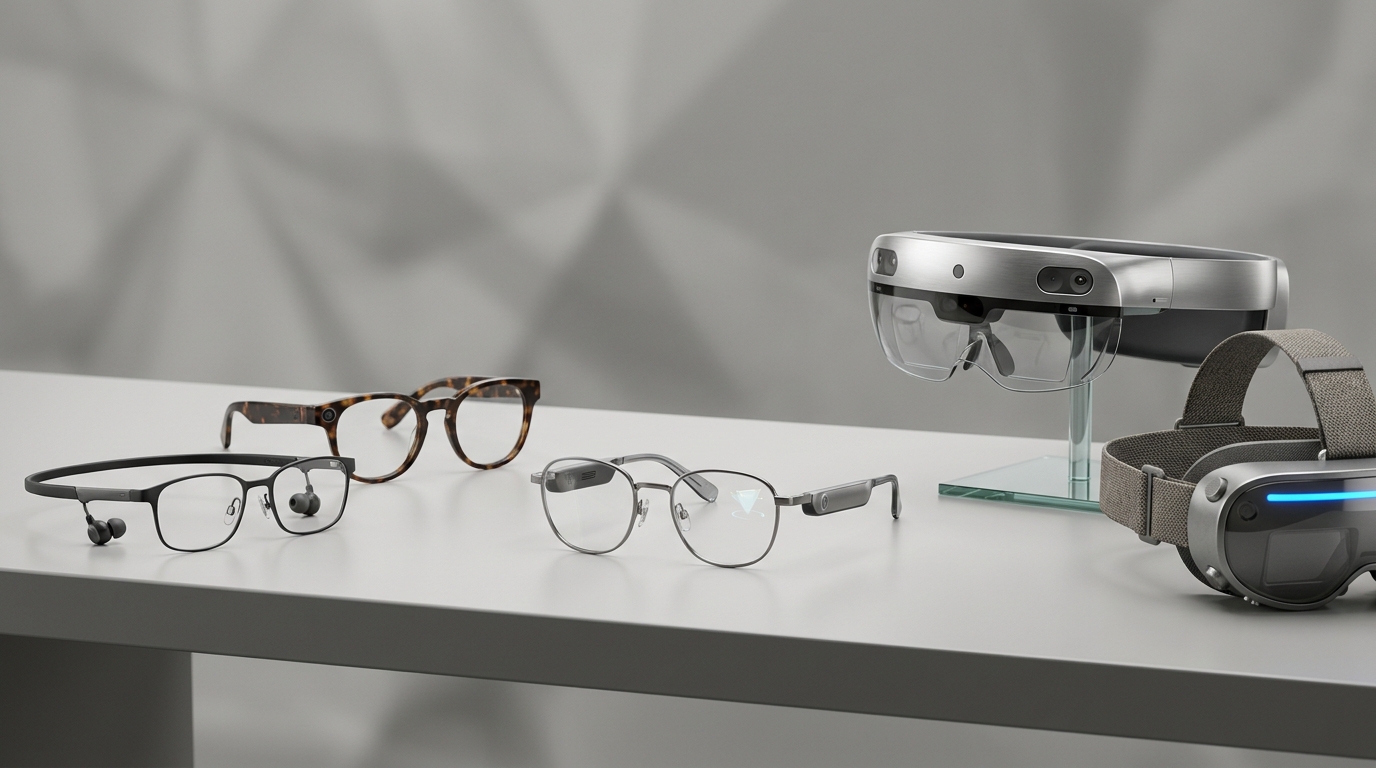
The smart glasses landscape in 2026 is anything but uniform, spanning an astonishing price range from under twenty dollars to over two thousand. This vast market offers everything from basic AI-enabled sunglasses to advanced augmented reality (AR) visors. The core distinctions boil down to three fundamental features: the presence of a camera, the inclusion of a display, and the level of on-device AI processing. This guide dissects the current catalog of shipping and pre-order models, illustrating how these features evolve as prices climb.
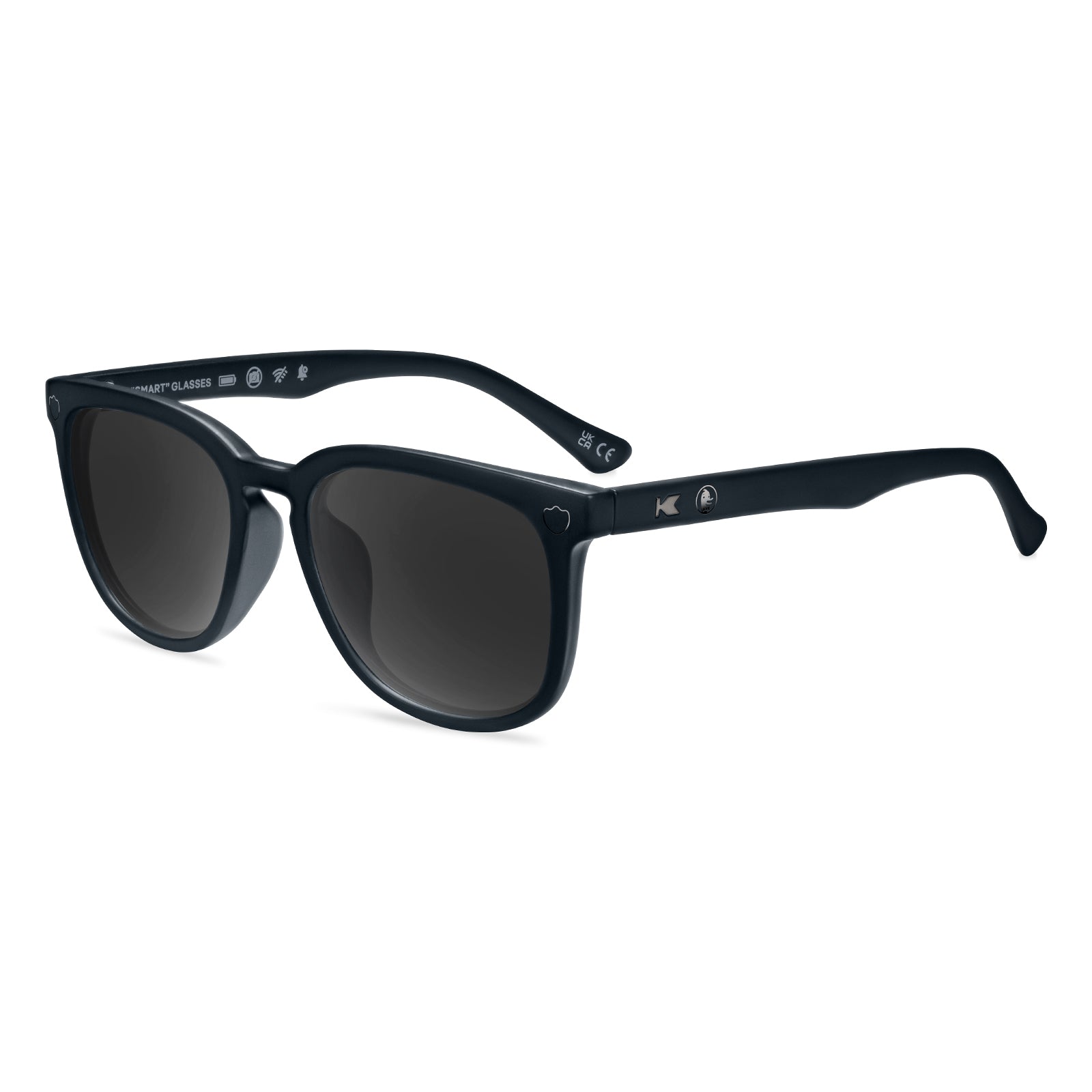
The entry-level smart glasses segment, priced under $100, is largely defined by BlackSheep, a Chinese manufacturer known for its open-ear audio glasses. Starting at just $17.95, the BL30 Series provides Bluetooth 5.4 connectivity, dual-mic noise cancellation, and four hours of playback in a 35-gram frame. These are prescription-ready but omit cameras, displays, or advanced AI. The QY Pro2, at $23.95, adds photochromic lenses and smart touch controls. For $31, the AG11 Audio stands out with electrochromic lenses, allowing instant tint adjustments, and a dedicated smart touchpad.
Cameras and onboard storage become available around the $54 mark with models like the G2 Pro AI and G3 Smart. Both include 8MP cameras and 4GB of storage, with the G3 Smart adding an LED flash and anti-shake video capabilities. A lightweight AI voice assistant is integrated into both. BlackSheep's top offering in this tier, the AG18 Smart at $64.95, features an IPX5 rating, dual 1080p HD cameras, real-time translation, and a 410mAh battery. Smart Glasses Daily has noted that these models, despite their low cost, deliver genuinely usable AI eyewear.
The $250 to $400 range represents the smart glasses mass market in 2026, characterized by a potent mix of emerging Chinese AI powerhouses and established Western players. New entrants like Alibaba Quark, priced at $260 for pre-order, and Xiaomi AI Glasses at $278, lead a new wave. These models typically feature 40-gram titanium frames, 12MP cameras, and on-device large language models optimized for both Mandarin and English, often undercutting Meta's pricing. Solos AirGo V2, at $299, provides a similar value proposition tailored for Western consumers with a lighter 35-gram build. An outlier in this segment, the RayNeo Air 3s Pro ($299), eschews a camera in favor of a bright Micro-OLED display optimized for private video viewing.
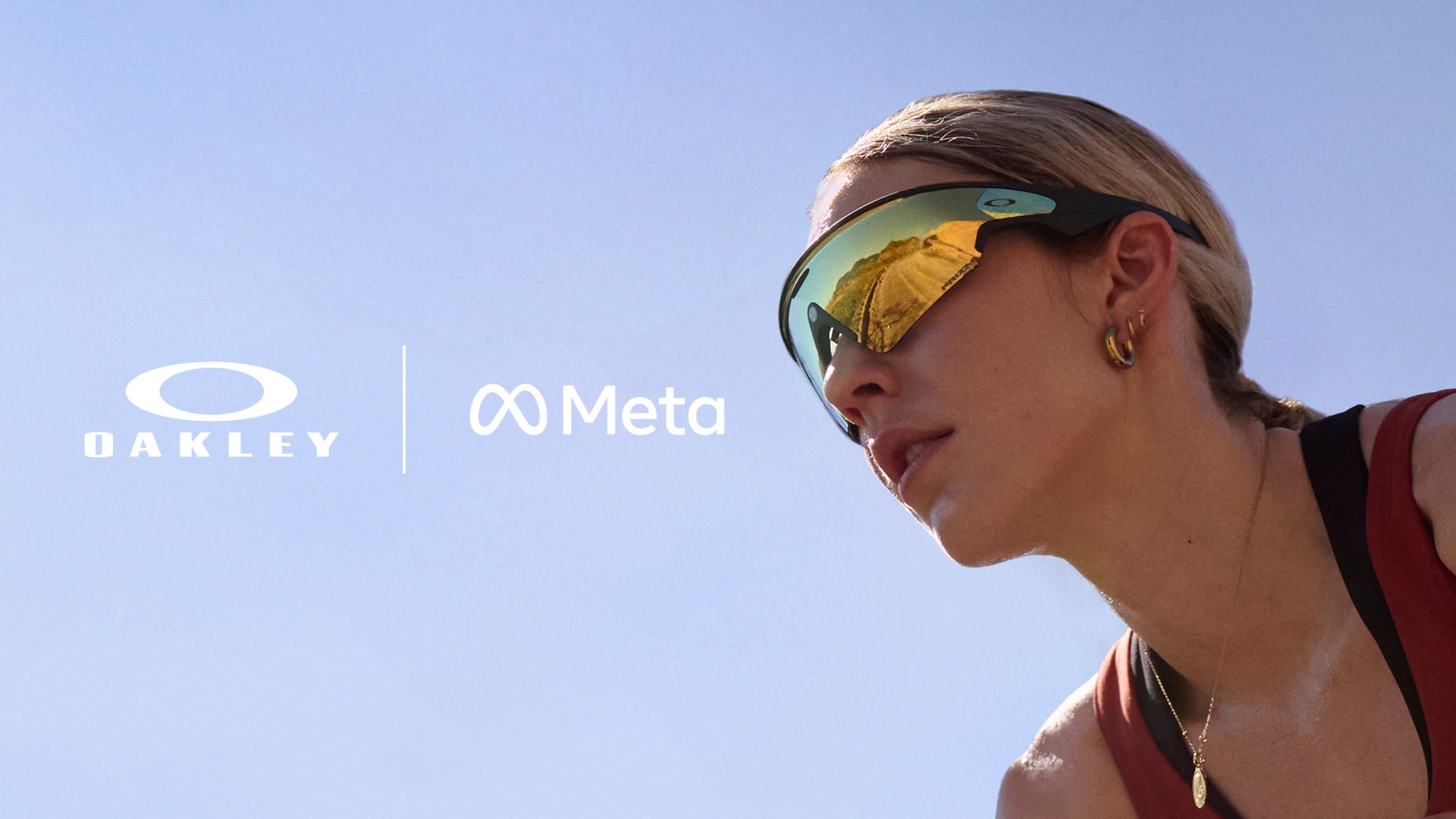
Other notable offerings include the Baidu Xiaodu ($320), integrating a Chinese AI assistant into a 45-gram frame, and the Huawei Eyewear 2 ($330), which emphasizes premium audio. Mentra Live ($349) appeals to developers with its 43-gram, open-source AI platform. For enthusiasts, Brilliant Labs' Frame and Halo (both $349) offer tiny monocular displays, transforming glasses into a heads-up display for notifications and AI responses. However, Meta remains the dominant force in this tier. The Ray-Ban Meta Gen 2, at $379, continues to set the standard for AI glasses, boasting a 12MP camera, a five-microphone array, Meta AI live translation, and the market's broadest selection of frames. Its sport-focused counterpart, the Oakley Meta HSTN ($399), features a 3K camera and IPX4 water resistance. Later this year, the Samsung Galaxy Glasses ($379) are expected to arrive as the first Android XR AI glasses. For collectors and fashion-conscious buyers, the Meta Starfire Kylie Edition ($399) offers the same hardware as the standard Starfire with distinctive aesthetic plates, leveraging celebrity appeal.
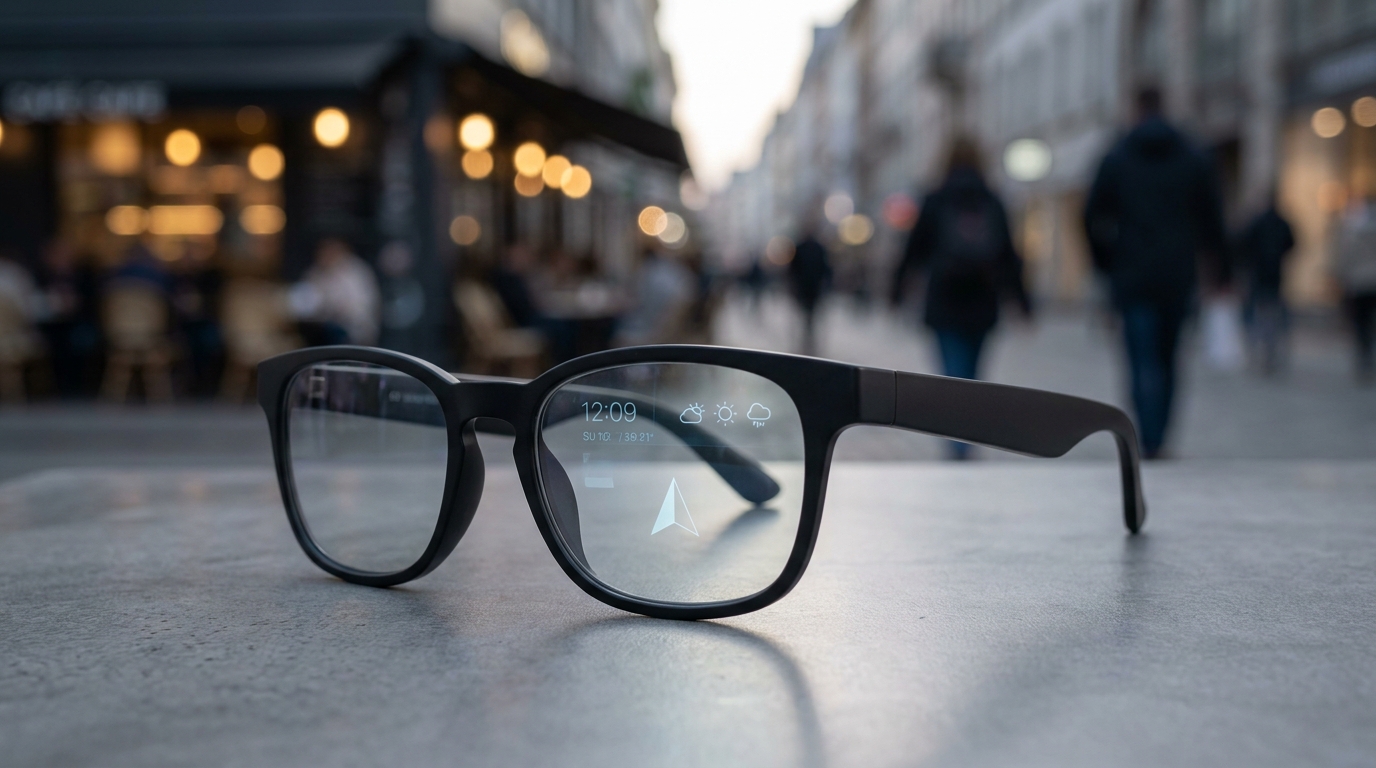
Beyond the $400 threshold, the primary differentiator becomes the inclusion of an integrated display, offering users visual information directly in their field of view. Meta's Oakley Vanguard ($499) caters to outdoor sports, providing a heads-up compass and biometric overlays. A trio of display-centric media glasses - Viture Pro XR ($459), Viture Luma Pro ($499), and XREAL One ($499) - dominate this sub-segment. These devices forgo cameras but feature bright Micro-OLED panels capable of projecting a virtual 130-inch screen, seamlessly connecting to smartphones, gaming consoles, or PCs. For enterprise applications, the Vuzix Z100 ($499) offers a monochrome heads-up display. As prices climb further, display capabilities become more advanced. Rokid AR Spatial ($538) and RayNeo Air 4 Pro ($599) exemplify this progression. The XREAL One Pro, at $649, is currently positioned as the best-in-class consumer display glasses, delivering an impressive 57-degree field of view and individual per-eye focus adjustment. A notable 'sleeper hit' in this category, according to Smart Glasses Daily, is the Rokid Glasses ($679), which uniquely combines a camera, a display, and a Snapdragon AR1 processor at this price point.
The upper echelon of the smart glasses market, spanning $700 to $2,200, is reserved for true display flagships. This segment pushes the boundaries of augmented reality, focusing on advanced optics, sophisticated spatial computing capabilities, and often more powerful embedded processors to deliver a genuinely immersive visual experience. While the details of specific models in this top tier extend beyond this guide, it represents the leading edge of what is possible in personal AR eyewear.
Interactive guide — prices, displays, cameras, battery.
Share this story