Reviews · Xreal
XREAL Aura Tested: Robust Low-Light 6DoF Meets Android XR Text Quirks
Hands-on testing reveals XREAL Aura keeps rock-solid hand tracking in dim rooms, but native Android XR text falls short of direct PC sharpness.
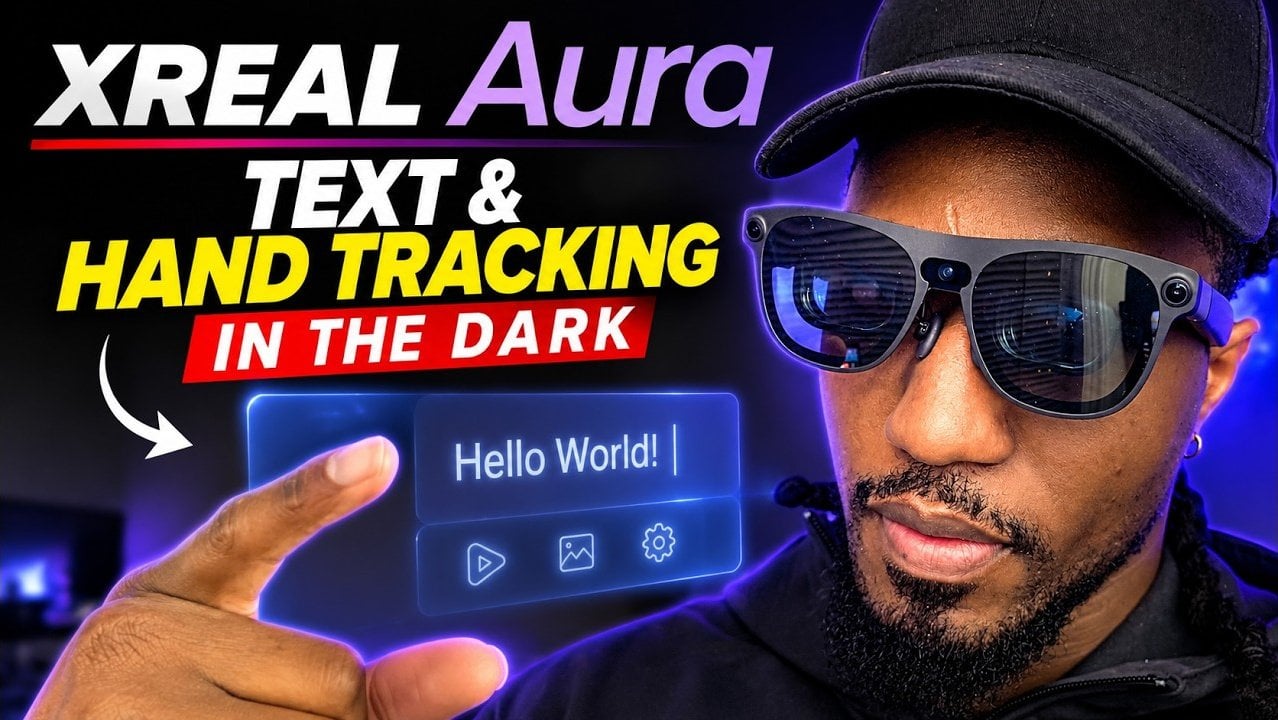
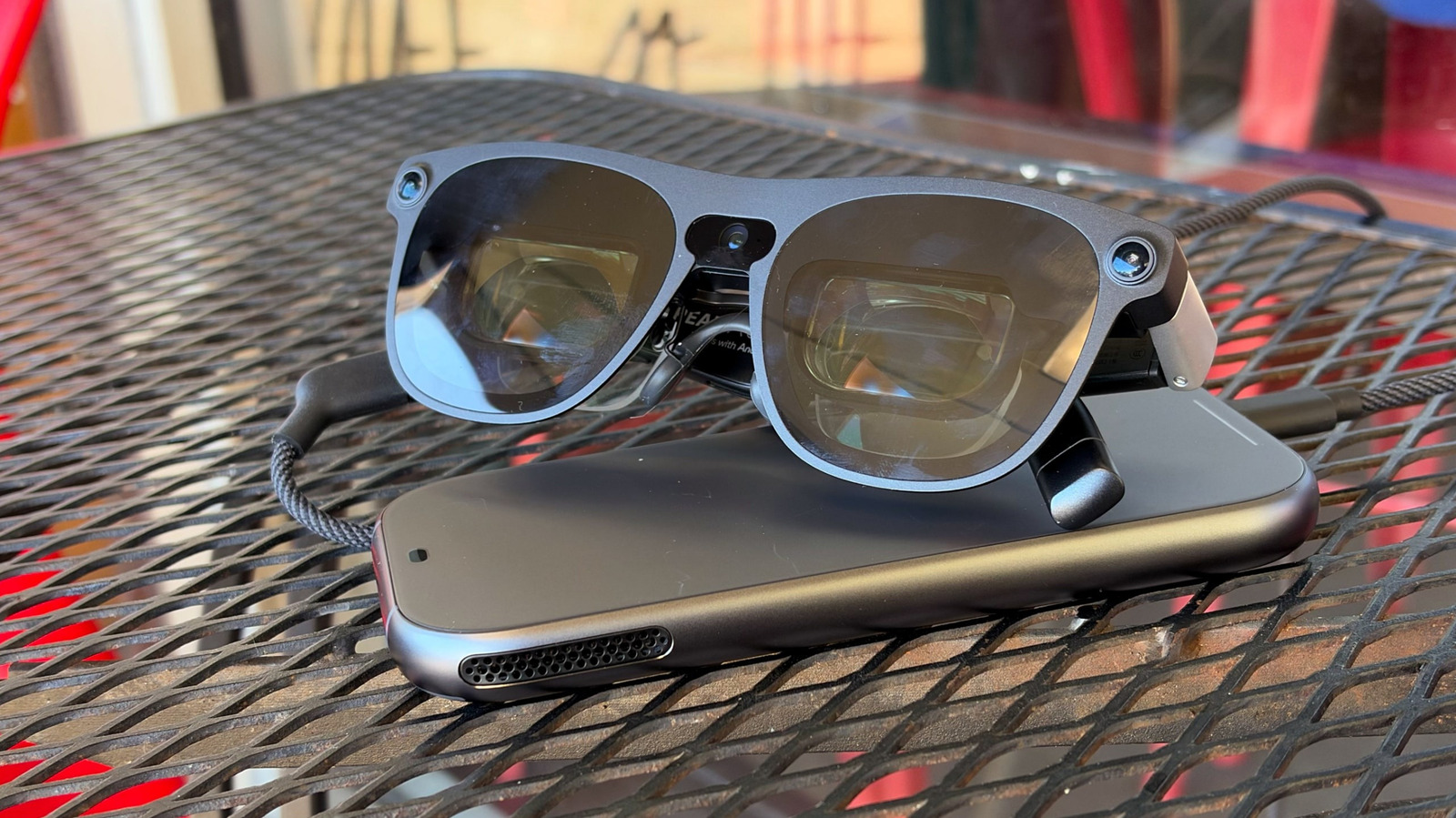
In hands-on testing published on November 20, 2026, the upcoming XREAL Aura spatial computing glasses were put through rigorous real-world paces to test their low-light computer vision and text clarity. According to reporting by geeky-gadgets.com, reviewer Kola evaluated the glasses in extreme lighting environments and across multiple operating modes, highlighting how the hardware handles edge-case spatial workflows.
Low-light tracking has historically plagued camera-based AR eyewear, but the Aura reportedly exceeded expectations in dark environments. As geeky-gadgets.com details, the glasses maintained reliable six-degrees-of-freedom (6DoF) spatial tracking and responsive hand gesture detection in a room illuminated solely by a single red bulb and a weak LED strip. This outcome challenges earlier online claims that the headset requires bright room lighting to prevent tracking drift or lost hand inputs.
Visual sharpness, however, showed distinct variances depending on how the glasses were driven. According to geeky-gadgets.com, text was readable across all tests, but rendering in native Android XR mode appeared noticeably softer than when the Aura was connected directly to a PC. Interestingly, the tester, who noted having 20/20 uncorrected vision, found that XREAL's older XR 1S glasses delivered marginally sharper text rendering when paired with a smartphone or Beam Pro than the Aura did in standalone Android XR mode.
Users running productivity tools like Virtual Desktop, web browsers, or dense user interfaces will notice this difference most. To help offset lower native text clarity, the Aura includes an operating system toggle to enlarge system typography. Geeky-gadgets.com notes that while this global size slider is a welcome feature absent on many competing smart glasses, it remains a blunt tool because users cannot resize individual UI elements or separate app windows independently.
Physical light isolation is also getting an update through dedicated accessories. Geeky-gadgets.com reports that XREAL plans to sell a dual-pack of light blockers rather than forcing customers to choose between styles. The package includes an opaque shield designed to block peripheral vision for cinema-style immersion, alongside a vented variant with side cutouts for mixed-reality awareness. One version covers the top brow, while the other leaves it exposed due to manufacturing and material constraints.
Our take: The disparity in text sharpness between Android XR and a direct PC connection strongly points to software rendering targets rather than hardware display limits. Android XR is likely downscaling render buffers or applying conservative anti-aliasing to manage thermal thresholds and processing overhead. For users eyeing the Aura as a multi-monitor workstation replacement, tethering directly to a PC remains the premier route for crisp typography until XREAL and Google optimize their native rendering pipeline.
Interactive guide: prices, displays, cameras, battery.
Share this story