Guides · VITURE
Building a Portable Vice City Rig: How VITURE XR Glasses Fit the Setup
From 174-inch virtual screens to 63-gram portable rigs, wearable displays offer a flexible alternative to traditional gaming TVs.

On November 23, 2026, androidauthority.com highlighted how XR eyewear is reshaping console gaming setups, positioning smart glasses as primary display candidates for open-world blockbuster Grand Theft Auto VI. Rather than anchoring players to bulky 4K televisions or high-refresh desktop monitors, wearable displays have matured enough to offer massive virtual screens with zero physical footprint. Leading the charge in the publication's recommendations are two hardware offerings from VITURE: the Beast and the Pro 2.
According to androidauthority.com, the VITURE Beast serves as a direct stand-in for a home theater setup. The glasses project a virtual screen equivalent to 174 inches viewed from roughly four meters away, accepting input from a PlayStation 5, Xbox Series X, or gaming PC via an HDMI to USB-C adapter cable. Crucially, the Beast integrates onboard Harman-tuned spatial speakers to eliminate the need for standalone headphones. The outlet also highlights the hardware's 3DoF Anchor mode, which locks the virtual frame in digital space so that turning your head mimics glancing away from a real television, alongside electrochromic lenses that clear when glancing downward.
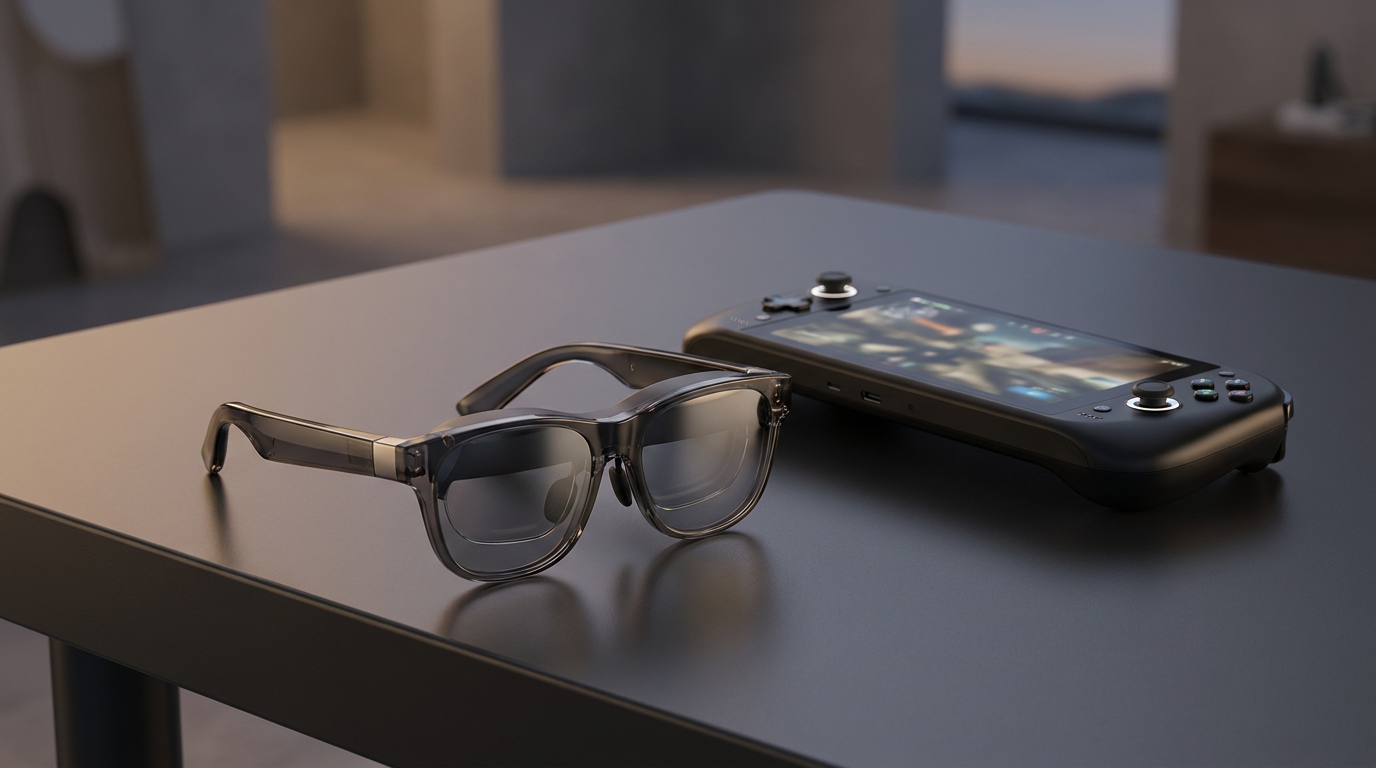
For players who prioritize portability, androidauthority.com points to the VITURE Pro 2 as a lightweight mobile alternative. Weighing just 63 grams, the glasses pair cleanly with a smartphone docked into a handheld controller while streaming console gameplay remotely. To handle daytime viewing and ambient lighting, the display panels pump out up to 1,600 nits of perceived brightness. Nearsighted players also avoid the hassle of custom prescription inserts thanks to integrated rotary diopter dials that adjust from 0 down to -5.0 diopters.
Choosing between the two comes down to immersion versus ergonomics. As androidauthority.com outlines, buyers who prioritize pure screen real estate, a fixed spatial anchor, and an ultra-wide 32:9 aspect ratio should lean toward the Beast. Meanwhile, commuters and handheld gamers who demand minimal facial fatigue, daylight visibility, and built-in vision correction will find the lighter Pro 2 a more practical companion for remote sessions.
The broader XR ecosystem has steadily turned toward this personal theater use case as micro-OLED optical engines mature. Brands like VITURE, XREAL, and Rokid have capitalized on standard USB-C DisplayPort output across modern handhelds and phones. While fully interactive AR glasses remain constrained by software ecosystems and battery budgets, video-out glasses bypass those limitations entirely by letting external host hardware handle rendering, power delivery, and processing.
Our take: Using XR glasses for expansive open-world titles makes immediate sense for anyone short on living room space or traveling frequently. High pixel-per-degree sharpness and punchy micro-OLED contrast deliver visual fidelity that rivals mid-tier OLED televisions at a fraction of the physical bulk. The lingering compromise remains peripheral awareness and long-session facial pressure. While glasses weighing 63 grams reduce physical strain significantly, three-hour gaming binges still place heat and weight on the bridge of your nose. Even so, the sheer convenience of packing a 174-inch gaming screen into a jacket pocket marks a decisive shift in how we consume console-grade titles.
Interactive guide: prices, displays, cameras, battery.
Share this story