Reviews · Xreal
Xreal Aura Review: Why Android XR Glasses Signal the End of Bulky VR
Gizmodo's review of the Google-partnered Xreal Aura suggests the era of giant facial headsets is finally giving way to tethered spatial eyewear.
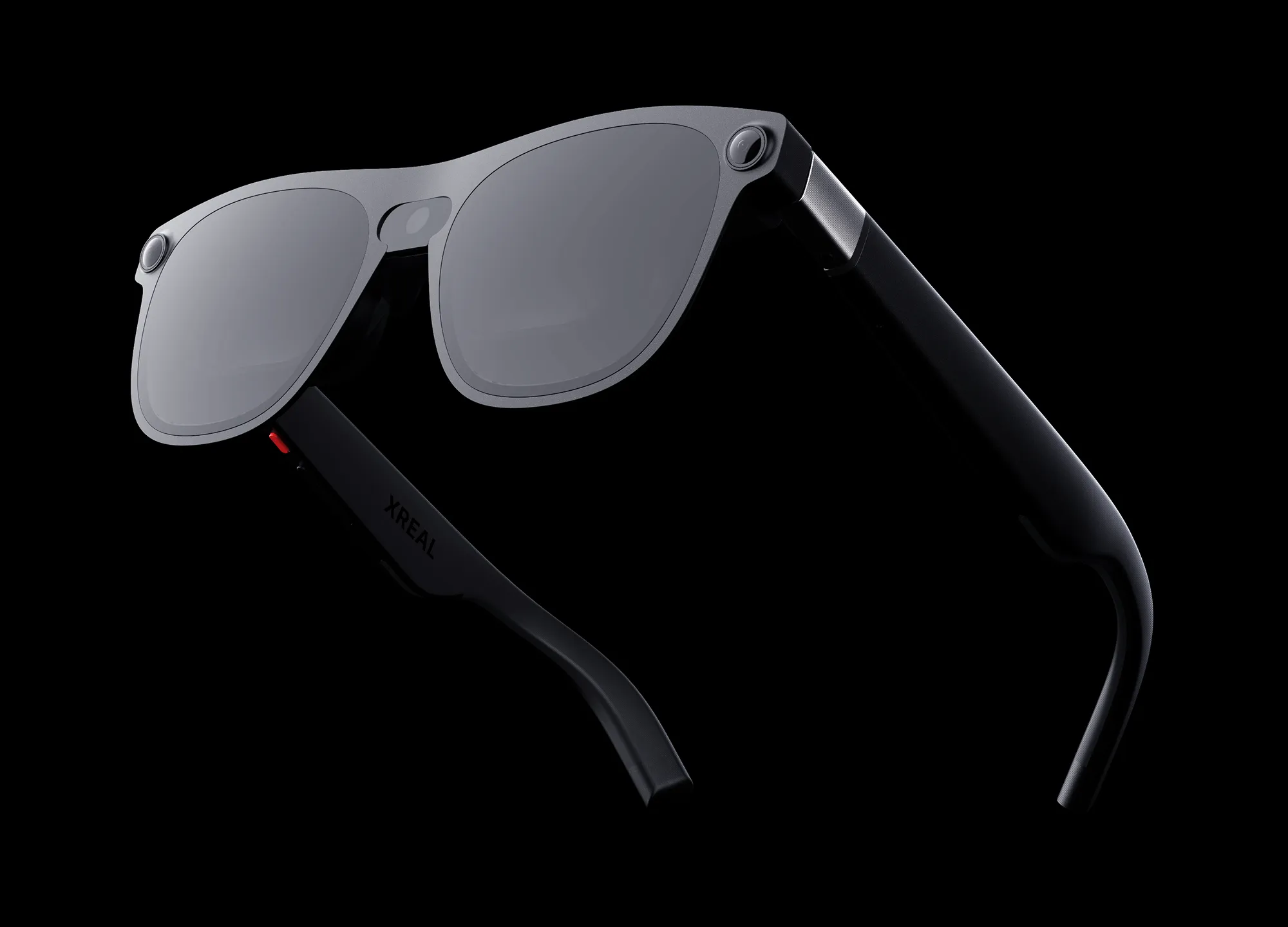
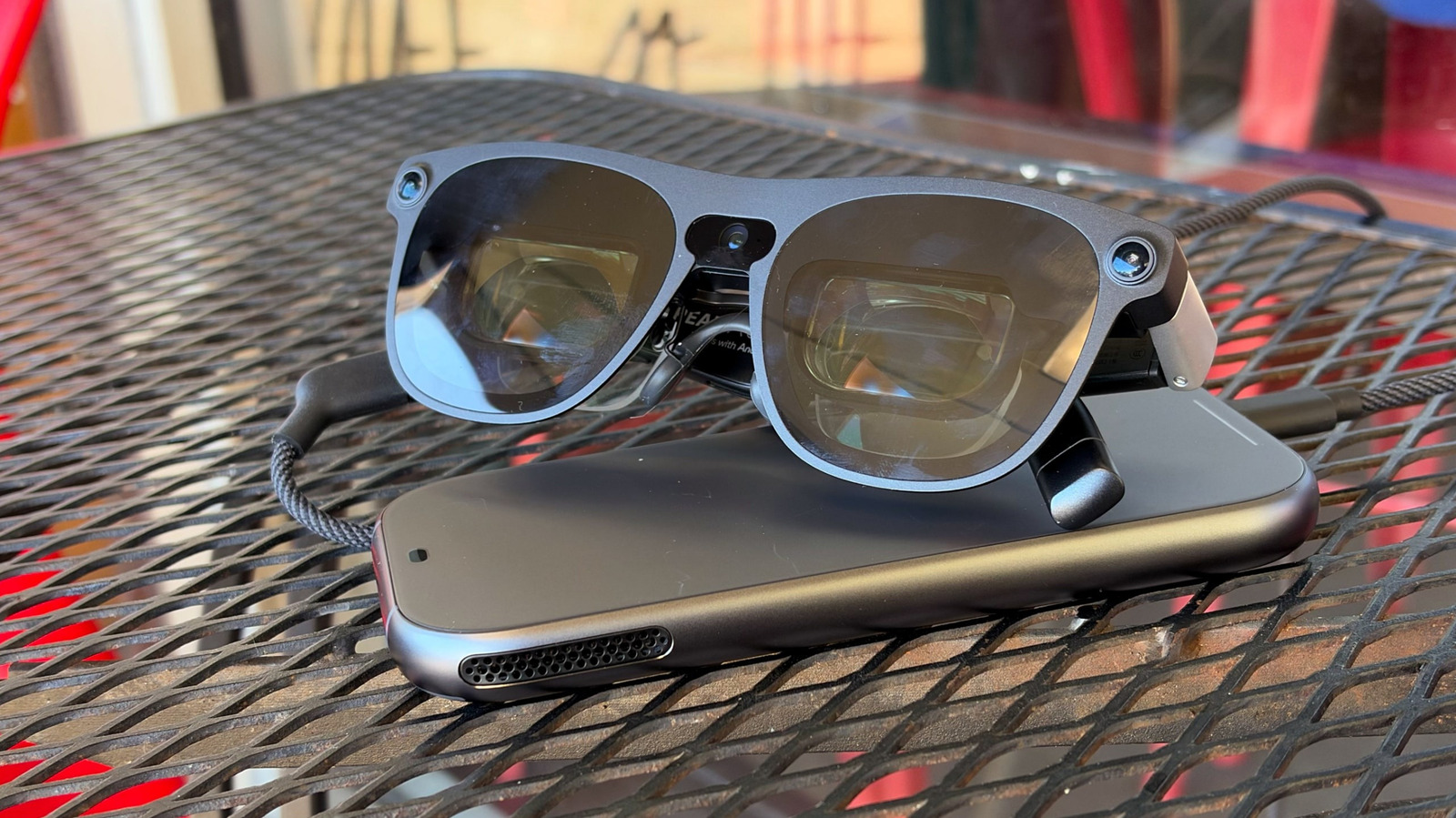
On November 17, 2026, Gizmodo published its review of the Xreal Aura, the Android XR eyewear platform built in partnership with Google. Written by Gizmodo journalist James Pero, the evaluation positions the device as a critical transitional step for spatial computing, suggesting the industry is approaching a pivot away from unwieldy virtual reality headsets in favor of lighter, display-first glasses paired with external compute.
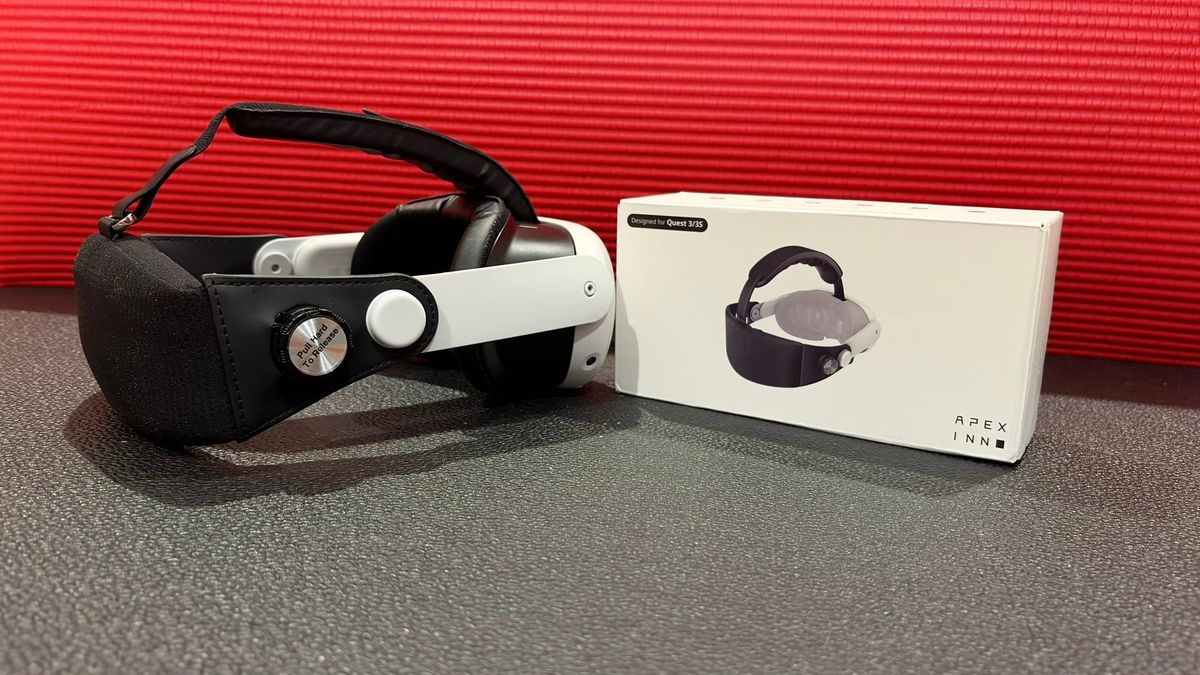
Pero outlines how the trajectory of dedicated headsets has hit visible friction over the past year. Despite massive foundational investments from Meta that legitimized consumer VR with the Quest family, the momentum behind traditional goggles is waning. In his reporting, Pero emphasizes that Meta has stepped back from parts of its metaverse ambitions and gaming investments, while Apple's Vision Pro remains burdened by luxury pricing without finding mainstream traction. In contrast to isolated facial computers, the pocket-puck and glasses architecture offers a far more wearable alternative.
According to Gizmodo, the Xreal Aura serves as a showcase for Google's Android XR platform, targeting users who want expansive personal displays without sacrificing personal comfort. By offloading processing, battery cells, and heat generation to a pocketable companion unit, the Aura achieves a silhouette far closer to traditional eyewear than anything produced by Apple or Samsung. However, as Gizmodo notes, while the hardware represents the future of consumer spatial hardware, the overall software and interaction model still have clear rough edges to smooth out.
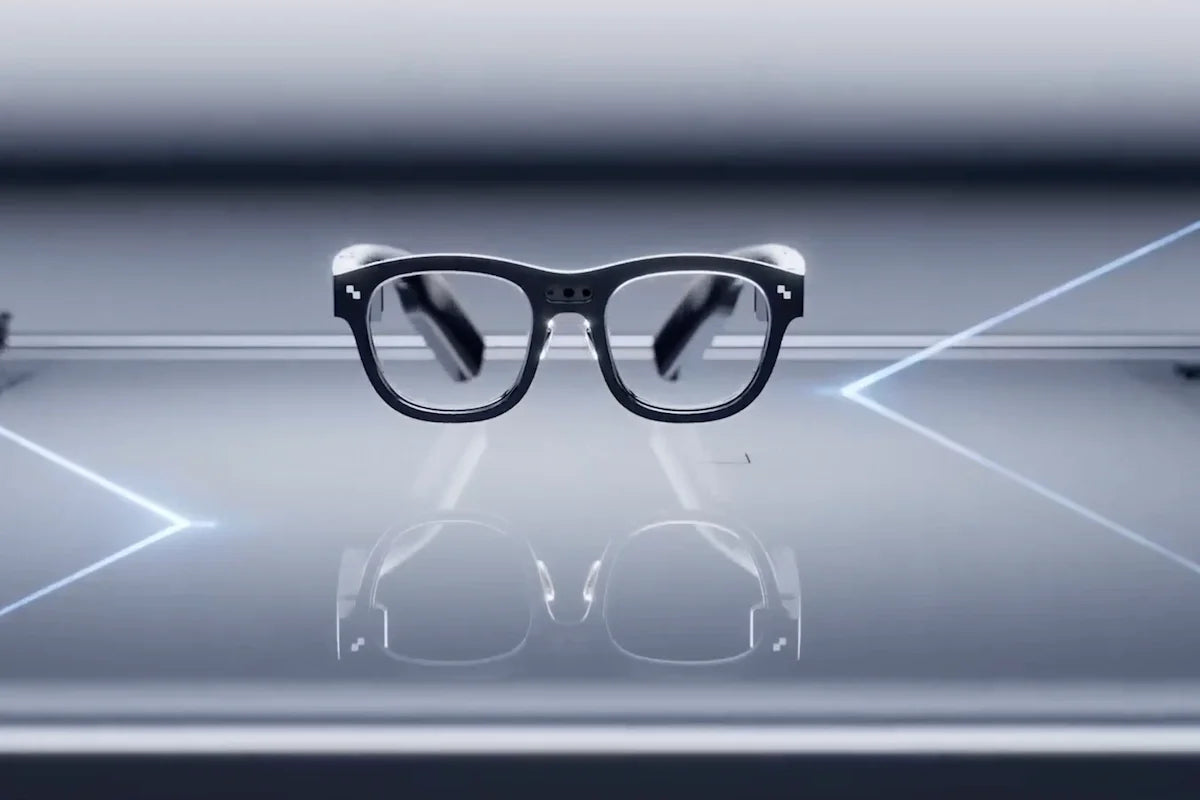
What this means: The spatial computing market is splitting into two clear philosophical camps. Heavy pass-through headsets attempt to simulate reality through inward-facing cameras, prioritizing high-immersion immersion at the cost of ergonomic comfort and social isolation. Glasses like the Xreal Aura prioritize optical see-through displays and physical wearability, recognizing that most buyers simply want an ultra-portable productivity and media screen rather than an all-encompassing virtual cage.
Our take: The industry is bumping up against hard physical limits. Consumers have repeatedly rejected wearing several hundred grams of plastic and glass on their faces for longer than an hour. By anchoring Android XR to lightweight smart glasses rather than another bulky visor, Google and Xreal are pursuing the only sustainable form factor for everyday consumers. If Android XR can deliver cohesive app support across productivity and entertainment, the Aura architecture will render traditional mixed-reality headsets obsolete for all but niche gaming.
Interactive guide: prices, displays, cameras, battery.
Share this story