Reviews · Xreal
Xreal Aura Review: Android XR Moves Closer to Your Face
With sharp visual performance and genuine comfort, Xreal's tethered glasses take a big step toward making Android XR practical for everyday wear.
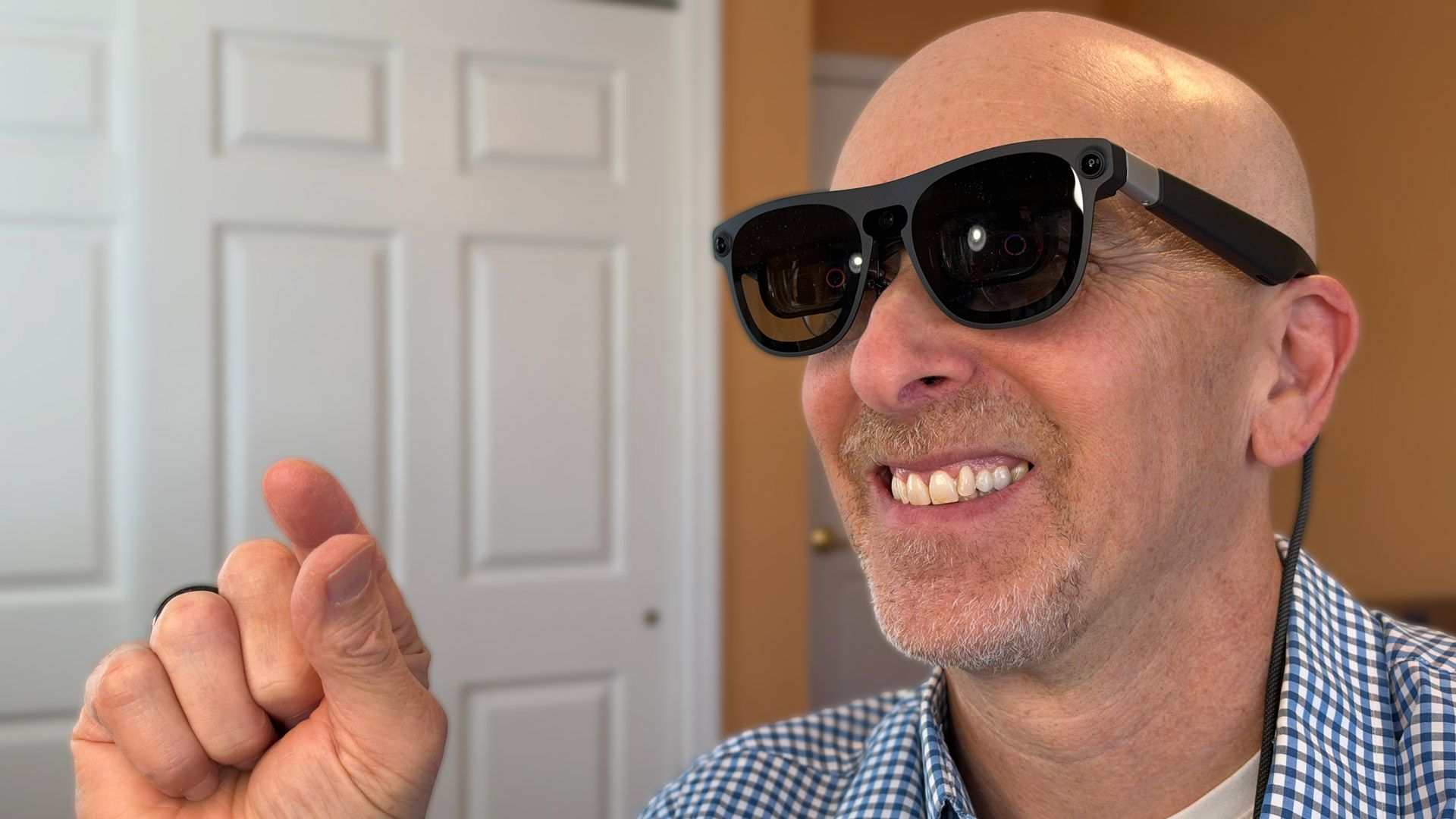
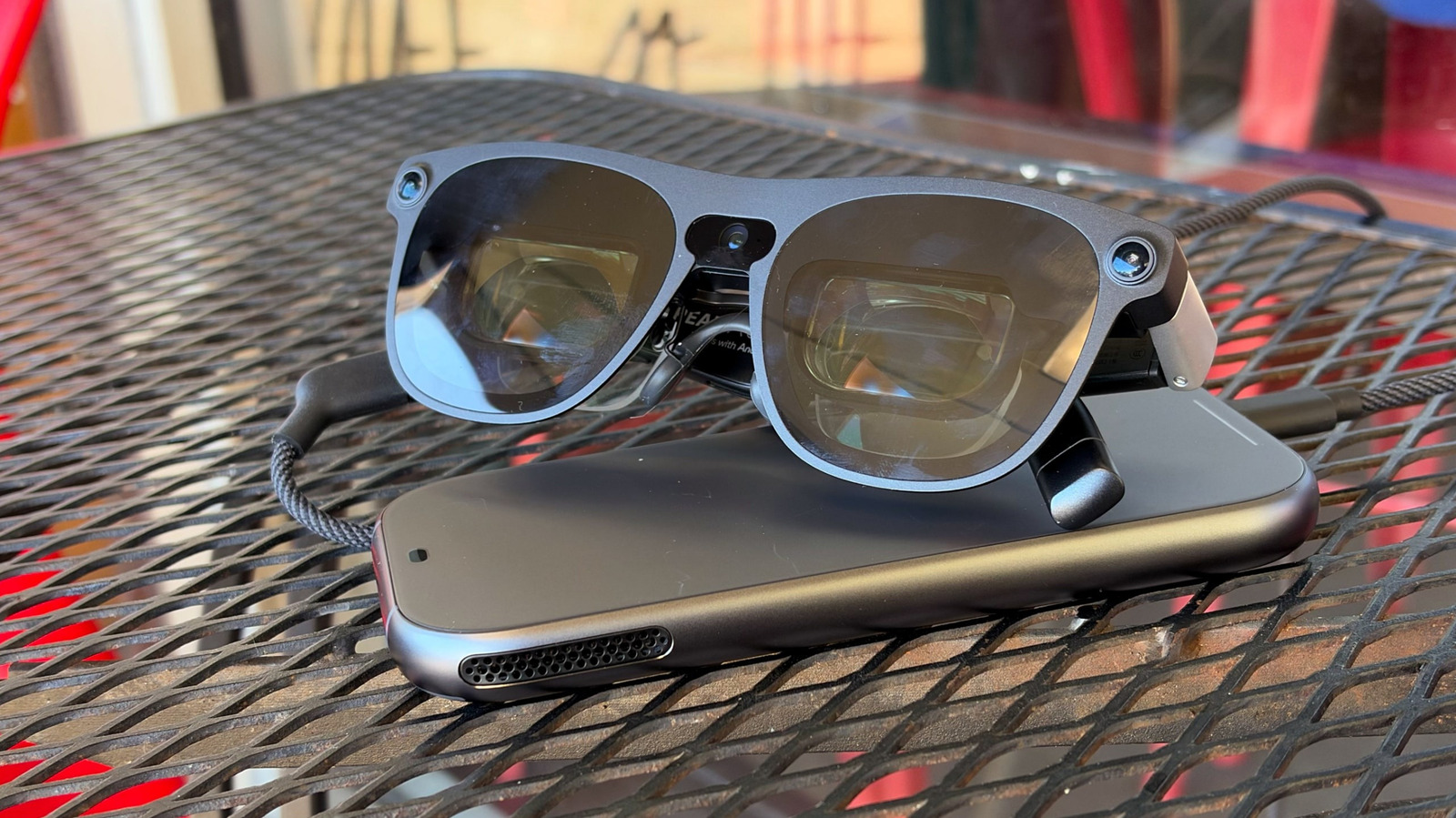
In an in-depth review published on November 17, 2026, techradar.com tested the Xreal Aura, an Android XR-powered wired headset designed to project full spatial computing directly in front of the wearer. Reviewing the hardware, techradar.com called the glasses the closest thing yet to mounting a smartphone on your face, praising their striking image quality, physical comfort, and operational versatility.
The core appeal of the Xreal Aura lies in its tethered architecture. By offloading processing, storage, and heavy battery cells to an external source, Xreal keeps the frames remarkably slim. According to techradar.com, the visual presentation stands out immediately, rendering sharp text and vivid streaming video across spacious virtual monitors. The display engine produces crisp imagery that holds up across both casual entertainment and extended productivity tasks.
Software integration represents another major leap forward. Building on Android XR allows the Aura to tap into an expansive mobile software ecosystem rather than relying solely on barebones screen mirroring. As techradar.com highlights, this flexibility elevates the glasses beyond a passive secondary monitor, turning them into a functional, app-friendly spatial computing interface that feels intuitive to anyone already accustomed to mobile operating systems.
Ergonomics and endurance are equally critical in this product tier. In hands-on testing, techradar.com highlighted the Aura for its physical comfort, noting that the light frame avoids the heavy frontal pinch and facial fatigue common to bulky mixed-reality headsets. Running the glasses over a wired tether naturally pulls power from the connected host device or external battery pack, which techradar.com treated as a sensible compromise to keep the head-mounted weight down.
Our take: Xreal has spent years dominating the consumer display-glasses segment with its Air lineup, but deep Android XR support marks a critical turning point. Previously, users had to choose between dumb video-mirroring specs and cumbersome standalone spatial headsets. By marrying high-resolution micro-OLED optical engines with a standardized Android XR software foundation, Xreal proves that wearable displays can deliver genuine mobile productivity without forcing users to strap a computer directly to their skull.
How it compares: The Xreal Aura sharpens the fight against tethered competitors from Rokid and RayNeo, while carving out a distinct lane away from bulky mixed-reality visors. Standalone headsets may promise freedom from cables, but they pay for it with heavy batteries, aggressive active cooling, and chunky form factors. For frequent flyers, mobile workers, and commuters who already carry a smartphone or compact compute puck, a streamlined tethered frame like the Aura remains the most comfortable path to private, big-screen computing on the go.
Interactive guide: prices, displays, cameras, battery.
Share this story