Manufacturer News · Rokid
Rokid AI Glasses Put a Micro LED Display in a 49-Gram Everyday Frame
Weighing just 49 grams, the Rokid AI Glasses pack a dual Micro LED heads-up display, dual AI engines, and full optical correction into daily eyewear.

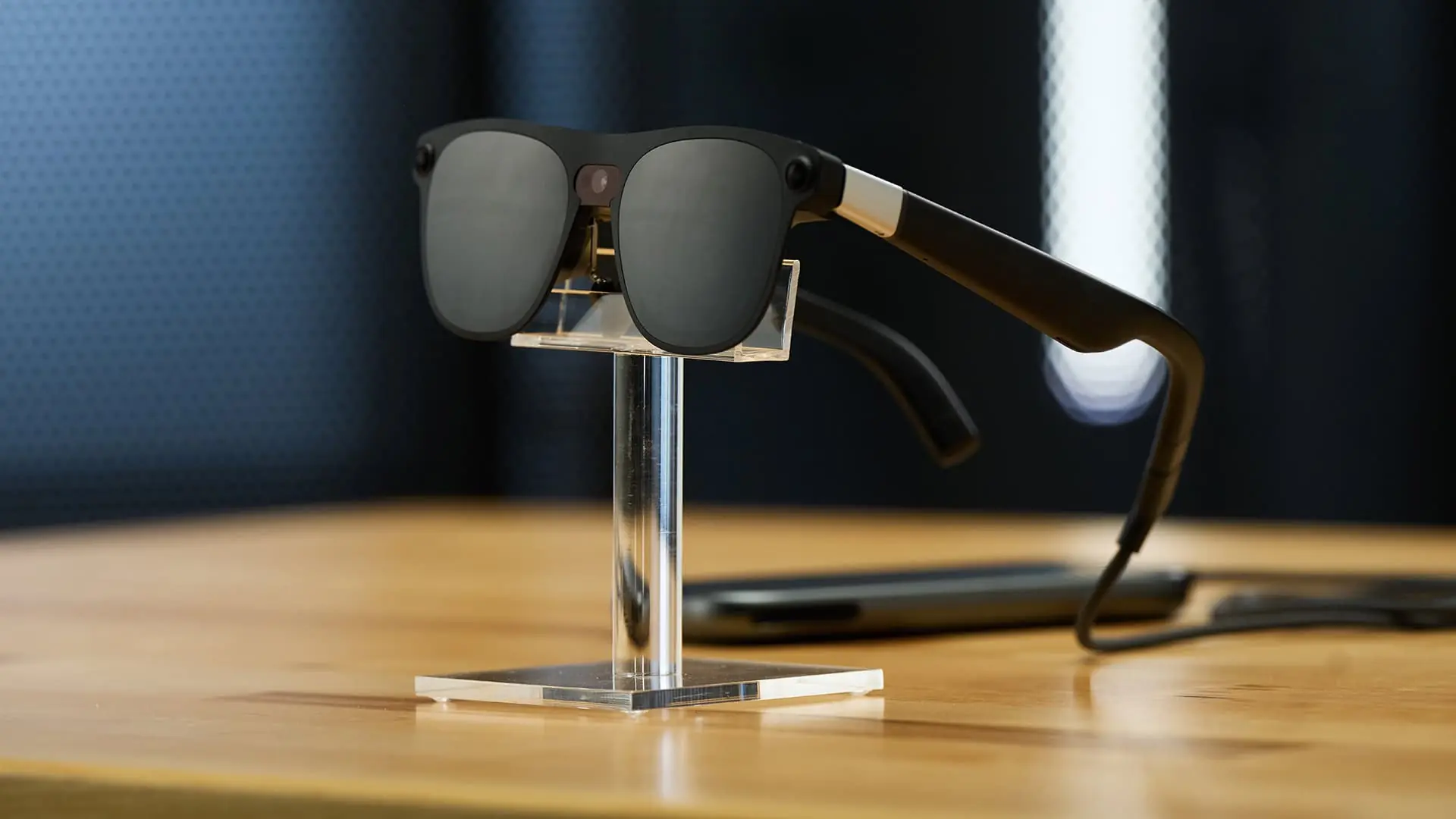
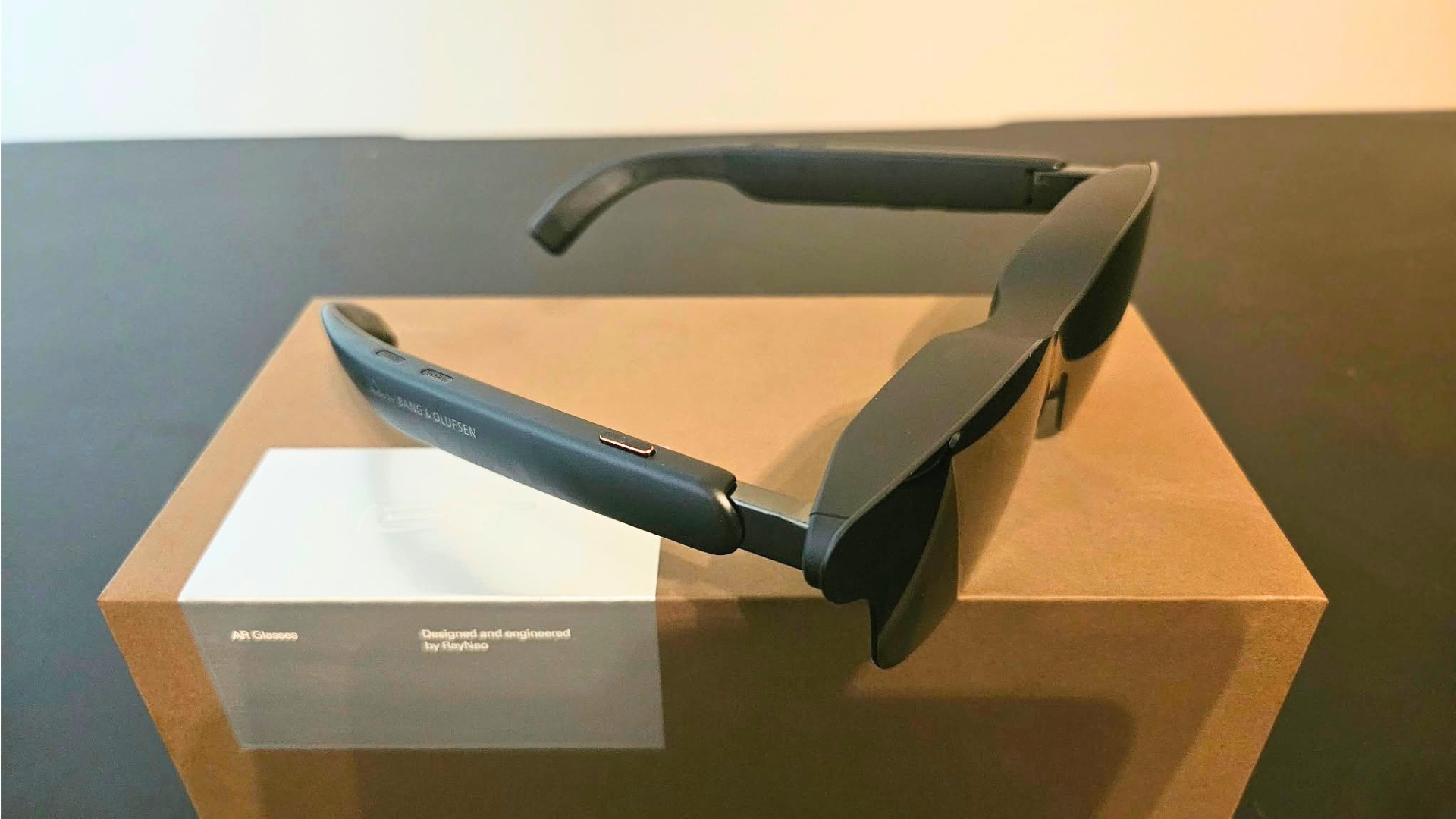
Detailed on November 3, 2026, the Rokid AI Glasses represent a concerted effort to deliver visual smart glasses without the bulky industrial design that usually plagues waveguide hardware. As highlighted by geeky-gadgets.com, the new eyewear hits the scales at just 49 grams by pairing a magnesium-aluminum alloy chassis with flexible TR90 temples. While standard acetate frames typically weigh around 30 to 35 grams, Rokid has managed to squeeze a complete optical engine, cameras, audio, and computational hardware into a silhouette slim enough to blend into an office or subway commute.
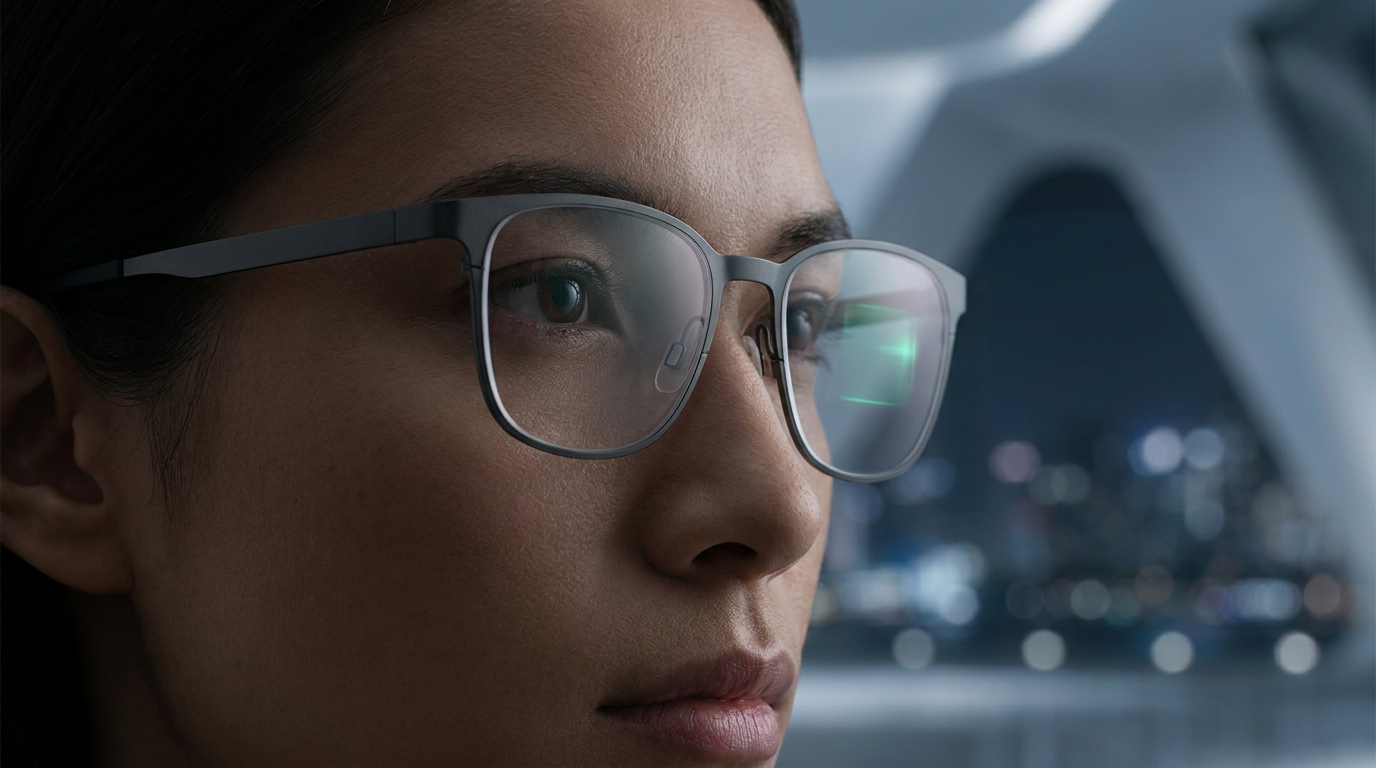
The centerpiece of the frame is a dual-eye Micro LED display system. Operating at a resolution of 480 by 398 pixels across a 23-degree field of view, the system pushes brightness up to 1,500 nits. That output, paired with automatic ambient brightness sensing, makes the green monocolor interface legible against harsh midday sunlight without totally blinding peripheral vision. Optics are rounded out by an integrated 12-megapixel camera with an f/2.25 aperture, supporting electronic image stabilization, multiple aspect ratios including vertical 9:16, and video recording clips up to 10 minutes in length.
On the software side, the glasses lean on cloud intelligence through native integrations with both OpenAI's ChatGPT and Google's Gemini. The AI stack enables real-time visual analysis of surroundings, conversational voice control, and automatic meeting notes that transcribe and summarize spoken discussions. For utility on the move, the glasses overlay turn-by-turn navigation data via Google Maps directly into the user's field of view. Language accessibility is another headline item: according to geeky-gadgets.com, the system supports live subtitle translation across 89 languages, rendering bilingual dialogue directly onto the lenses.
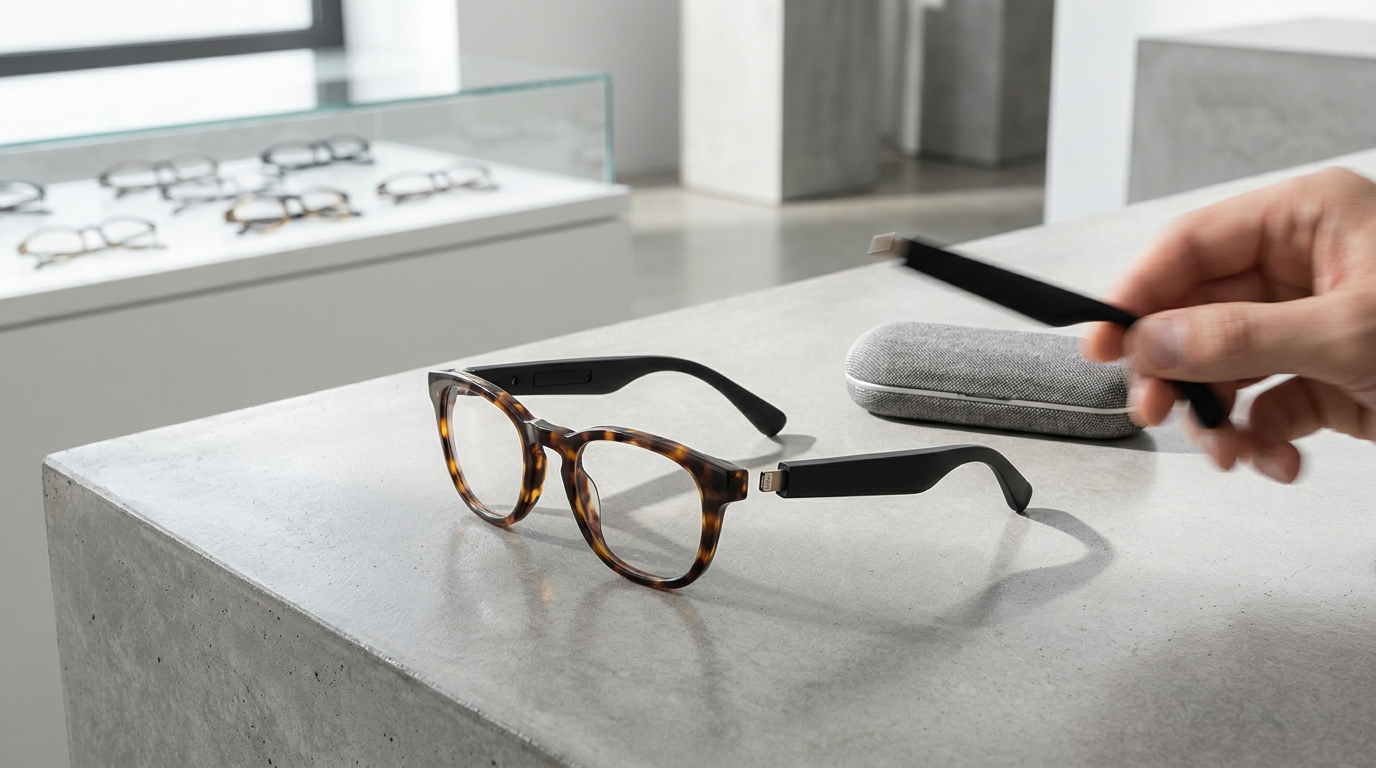
Hardware integration also addresses two chronic pain points for smart glasses: acoustics and prescription needs. Rokid equips the frames with dual linear directional speakers to contain sound spillage, backed by a four-microphone array running noise-suppression algorithms for voice pickup. For vision correction, the glasses bypass awkward inserts in favor of magnetic prescription lenses capable of accommodating corrections ranging from +16 to -16 diopters for myopia and astigmatism.
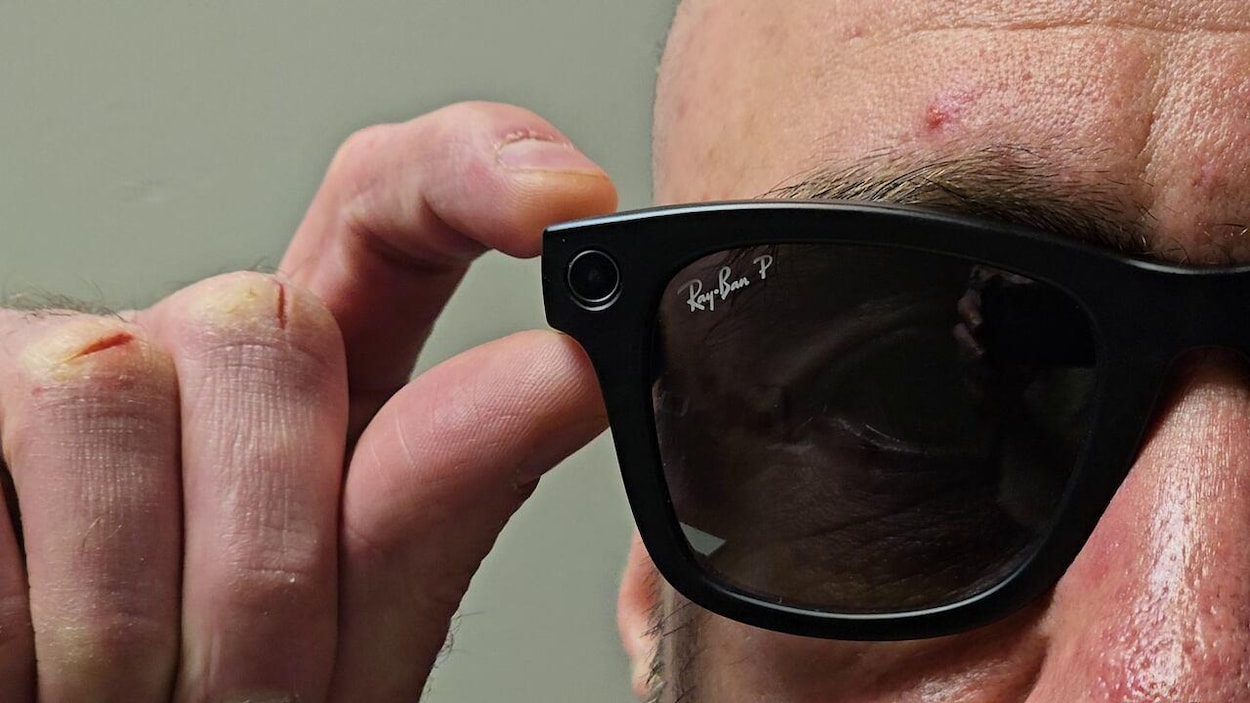
What this means: Rokid is taking aim at the vast territory between audio-only smart frames and heavy spatial headsets. Where the Ray-Ban Meta frames rely strictly on voice feedback, Rokid is wagering that users want a discrete, high-contrast visual display for glanceable data like teleprompters, maps, and translation subtitles. If the company can maintain battery endurance under heavy Micro LED and camera usage, the 49-gram form factor will set a serious benchmark for everyday augmented eyewear.
Interactive guide: prices, displays, cameras, battery.
Share this story