Guides · Xgimi
Xgimi's MemoMind One: An AI Play Crossing the Line?
Projector giant Xgimi makes a controversial entrance into smart glasses, prioritizing continuous audio capture with its MemoMind One. This aggressive approach immediately sparks crucial debates around privacy and ambient AI ethics.
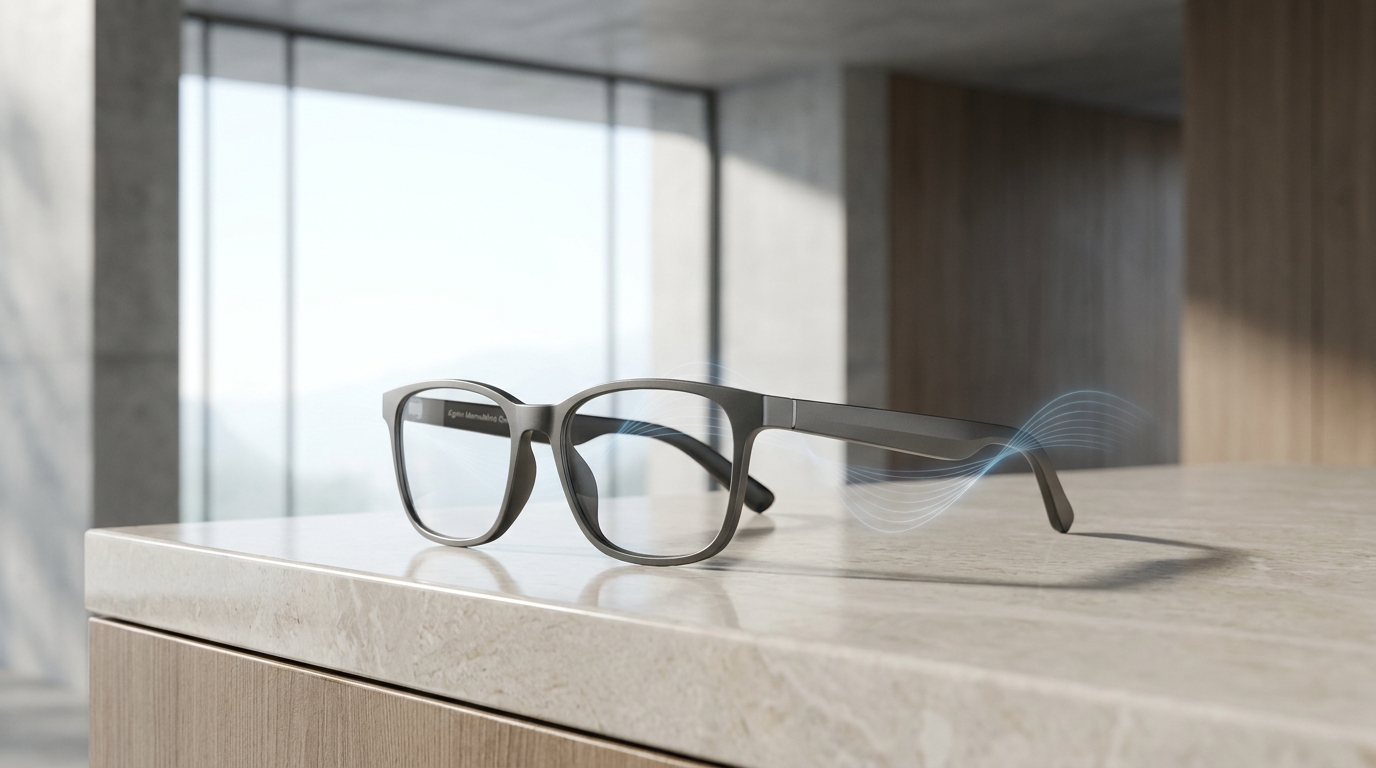
From the projector screens of our living rooms to an always-on audio capture device perched on the bridge of our nose, Xgimi's leap into the smart glasses arena is nothing short of audacious. Known for their consumer-friendly smart projectors, Xgimi now attempts to translate their 'smart home' ethos into a 'smart self' paradigm. But their initial offering, the MemoMind One, arrives not with a bang, but with a privacy alarm.
This isn't merely another pair of AR glasses focused on visual overlays or display extensions. The MemoMind One distinguishes itself by its defining, and frankly alarming, feature: continuous audio recording. This design choice instantly thrusts Xgimi into the vanguard of the ethical debate surrounding pervasive AI, forcing us to ask: how much data is too much, and what lines are we willing to let be crossed for the sake of an ambient assistant?
Xgimi, a brand synonymous with home entertainment, has carved a significant niche in the global projector market. With a portfolio spanning high-end 4K projectors like the Horizon series to ultra-short throw models like the Aura, they have a proven track record in consumer electronics manufacturing and software integration. Their projectors are known for their user-friendly interfaces, built-in smart TV platforms, and respectable audio capabilities.
Their history suggests an understanding of consumer tech adoption and market scale. The pivot to smart glasses, while seemingly disparate from projectors, hints at a broader ambition to own the 'smart lifestyle' ecosystem. From the living room screen to the personal, always-on interface, Xgimi appears to be chasing the next frontier of ubiquitous computing and AI-driven convenience.
The timing is strategic. As AI integration accelerates across personal devices, and as the smart glasses market slowly matures beyond niche early adopters, Xgimi likely sees an opportunity to redefine what 'smart' means on the face. Their approach, however, sidesteps much of the current market's visual augmentation focus in favor of an entirely different, and potentially more intrusive, form of ambient intelligence.
Xgimi’s smart glasses lineup, currently spearheaded by the MemoMind One, is less about visual spectacle and more about aural capture. While detailed technical specifications remain sparse in the public domain, the core functionality of the MemoMind One has become its immediate and most controversial identifier.
What we know publicly, amplified by external reviews, is that the MemoMind One is engineered for always-on audio recording. This isn't an opt-in voice assistant trigger; it's a persistent listening device designed to capture ambient conversations and personal interactions continually. The intent, presumably, is to power an advanced memory or executive assistant, but the mechanism raises immediate red flags.
Gizmodo's review, "Xgimi MemoMind One Review: Always-On Audio Recording Crosses a Line," precisely articulated the industry's shared apprehension. The notion of a device silently archiving every word spoken within earshot, without explicit, real-time consent from all parties, stands as a direct challenge to established privacy norms and public trust. It positions the MemoMind One as an Orwellian tool rather than a helpful companion.
When compared to spatial display glasses like Viture's Pro XR or Luma Pro, Xgimi's MemoMind One occupies a vastly different segment. Viture focuses on high-fidelity visual experiences, turning any environment into a personal cinema or a multi-monitor workstation. Their value proposition is about extending digital displays. The MemoMind One, conversely, offers no such visual expansion; its 'screen' is the user's auditory world, recorded and processed.
Halliday, with its Proactive AI glasses featuring DigiWindow, aims for contextual awareness and proactive information delivery through a visual interface. Halliday's AI is about parsing the world around you to provide timely, relevant visual cues and data. Xgimi's AI, while also contextual, operates on a fundamentally different plane: it's an auditory sponge, collecting raw sound data for later interpretation rather than providing immediate visual feedback. The battle here is between ambient visual intelligence and ambient auditory capture.
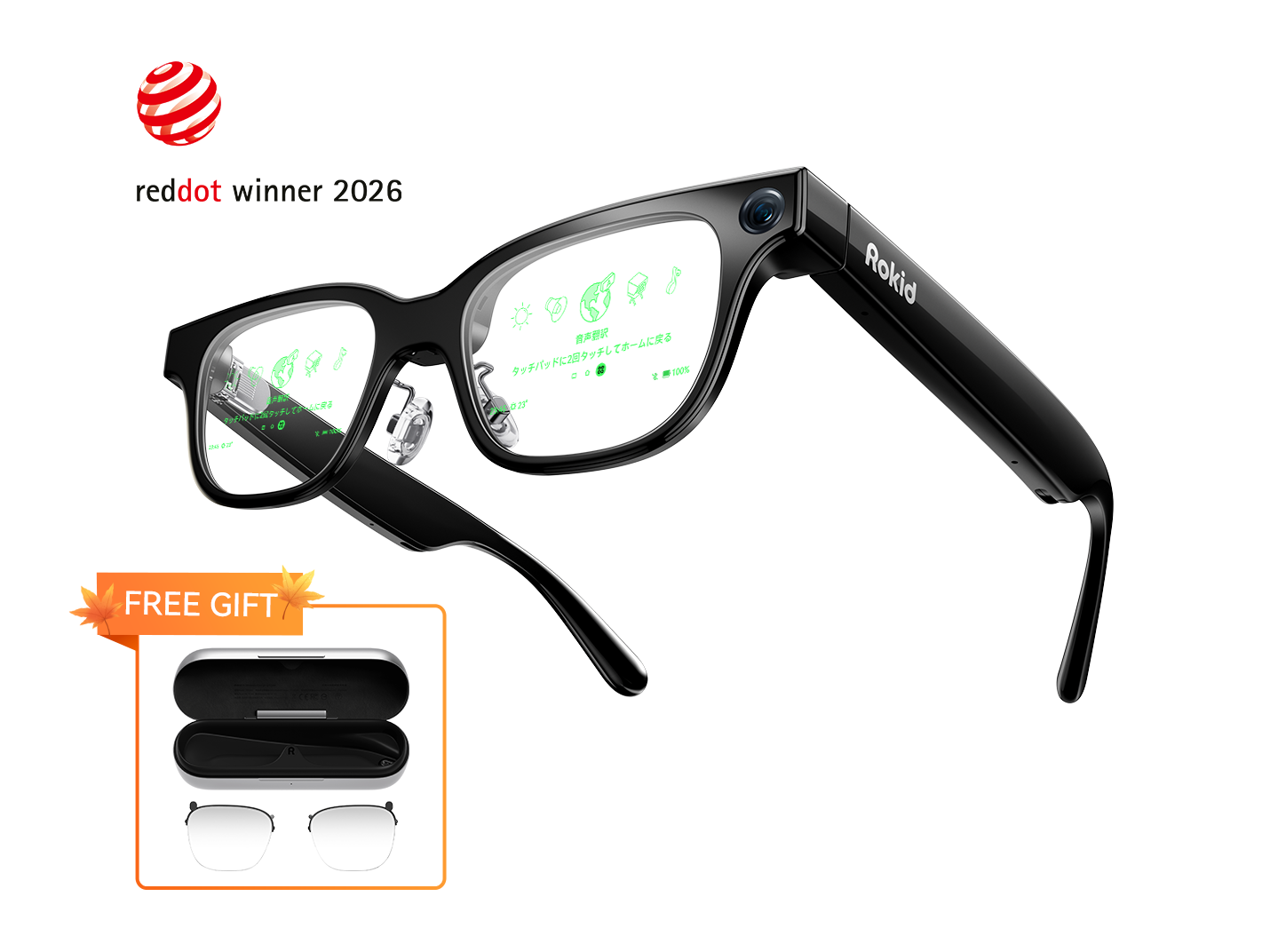
Rokid, with models like the AR Spatial and AR Lite, primarily emphasizes augmented reality, productivity, and entertainment through visual overlays and spatial computing. They provide a window into a digital layer superimposed on the real world. Xgimi's MemoMind One stands apart by making ambient audio recording its central, almost singular, purpose, eschewing the visual AR paradigm altogether. This makes it a unique, and arguably more unsettling, proposition in the current smart glasses landscape.
For Smart Glasses Daily readers, the Xgimi MemoMind One is a critical case study in the rapid evolution of wearable AI. Its strengths, on paper, include an ambitious vision for an always-on, intelligent memory aid. Its profound weakness, however, is an unaddressed ethical dilemma. The continuous audio capture feature is a non-starter for widespread adoption, sacrificing fundamental privacy for convenience in a way that the market, and regulatory bodies, are unlikely to tolerate.
Our verdict is clear: Xgimi has entered the smart glasses market not with a bang, but a blaring siren of caution. What to watch in the next 12 months is how Xgimi responds to this immediate and intense backlash. Will they pivot the MemoMind One to an opt-in, privacy-respecting model, or will they double down on a feature that fundamentally misunderstands the public's comfort level with pervasive surveillance tech? Their navigation of this ethical minefield will determine if Xgimi becomes a serious player or a cautionary tale in the annals of smart glasses history.
Interactive guide — prices, displays, cameras, battery.
Share this story