Analysis · Samsung
Samsung and Google Face an Unresolved Privacy Problem with Android XR
Public wariness around face-mounted cameras remains high. If Samsung and Google want Android XR glasses to succeed, silence on privacy will not cut it.
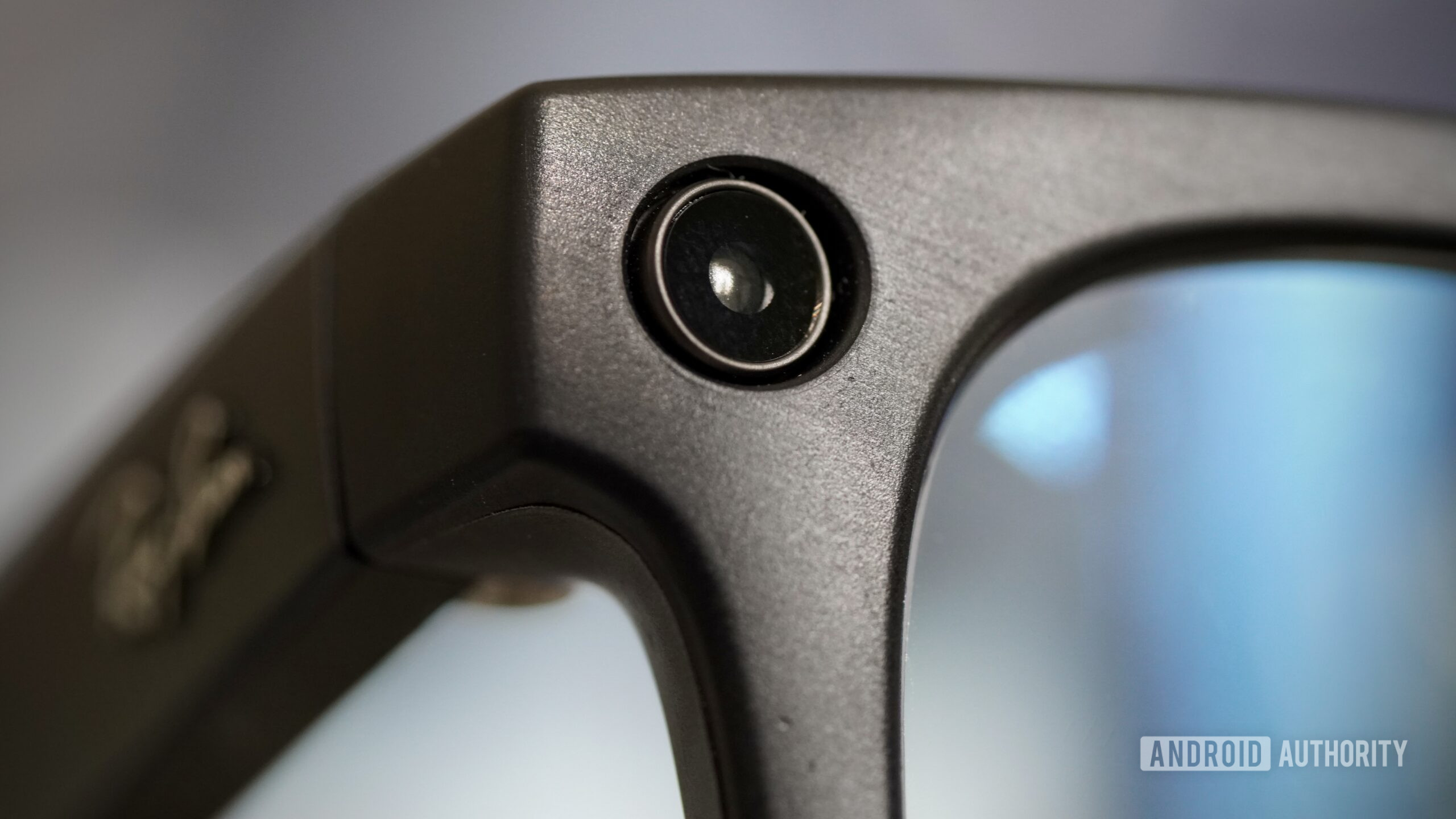
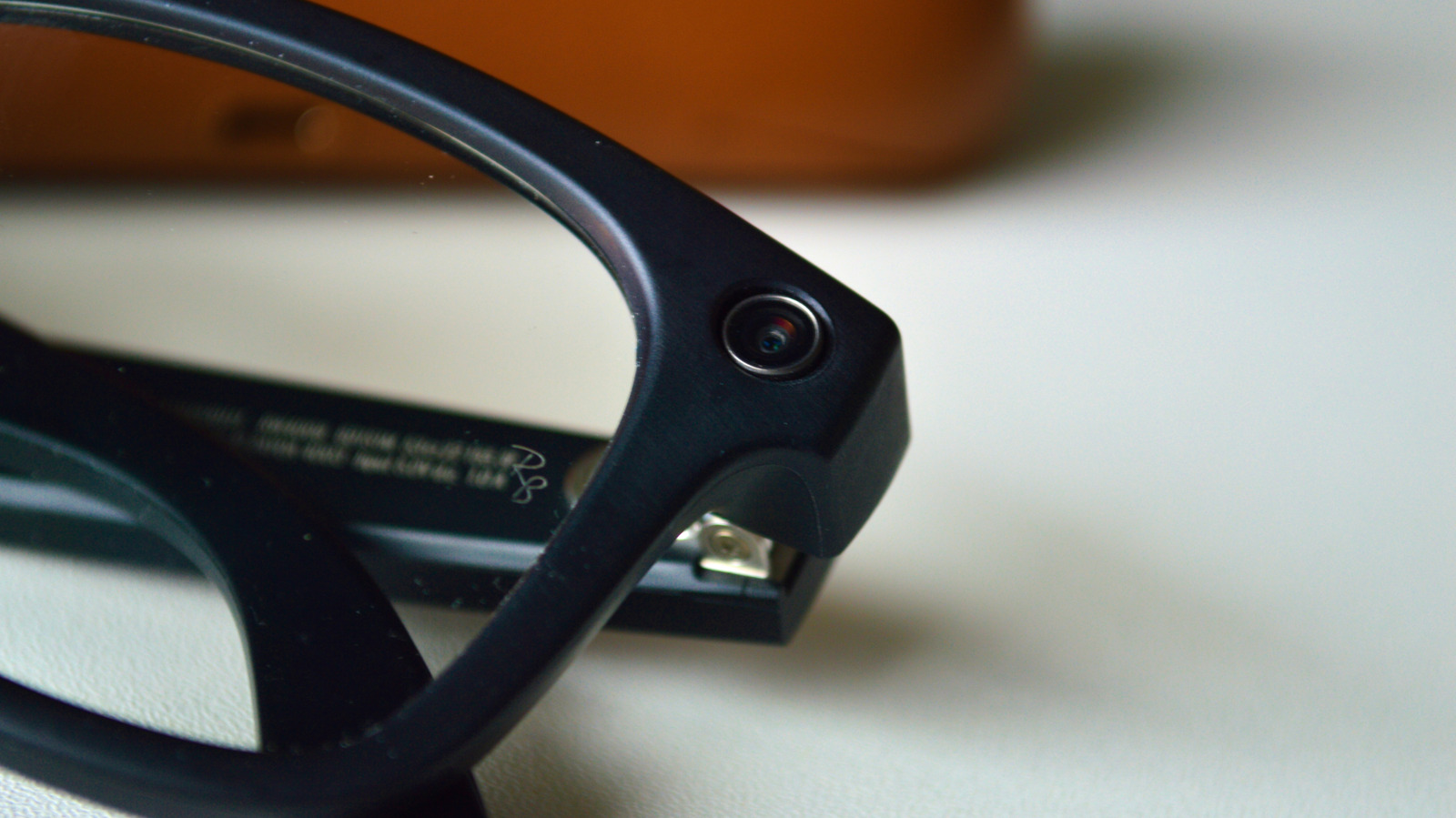
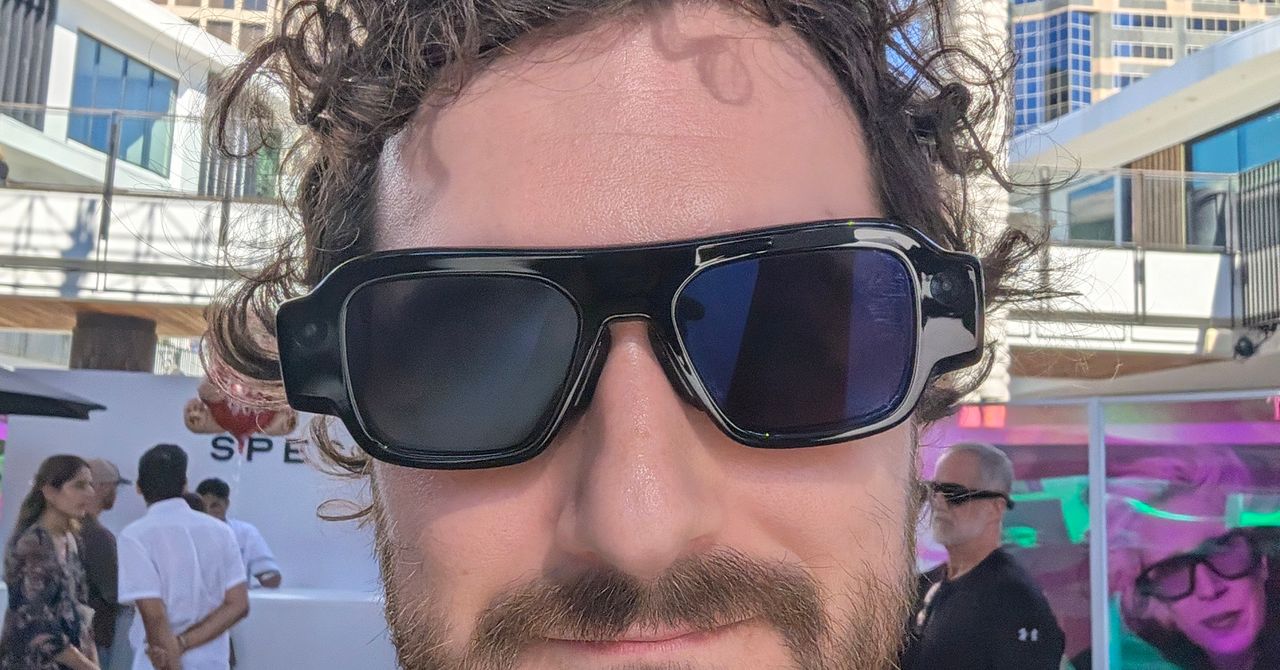
On October 28, 2026, androidauthority.com highlighted a glaring vulnerability in the upcoming rollout of Samsung and Google's Android XR smart glasses: the persistent public discomfort surrounding face-mounted cameras. Despite years of consumer wearable development, the broader public remains uneasy about being recorded in everyday social settings, a stigma that has plagued the category since Google Glass.
According to androidauthority.com, rival manufacturers have tried tackling bystander anxiety with questionable remedies. Raven Resonance included magnetic physical camera covers alongside recording indicator lights on its Raven Prism frames, while HTC introduced an option for bystanders to shout 'stop filming' near HTC Vive Eagle glasses. As androidauthority.com notes, these clumsy measures only underscore the awkward reality of face-mounted optics, while Samsung and Google have remained conspicuously quiet about their own privacy safeguards.
Our take: Blinking LEDs and magnetic lens caps are band-aids on a cultural problem. Meta managed to push Ray-Ban Meta smart glasses into mainstream acceptance primarily by leading with iconic styling and audio, treating the camera as a casual capture tool rather than a constant visual scanner. If Samsung and Google position their Android XR hardware as an aggressive, camera-reliant computing platform without establishing trust upfront, they risk reigniting the very backlash that stalled smart glasses a decade ago.
Interactive guide — prices, displays, cameras, battery.
Share this story