Manufacturer News · Warby Parker
Warby Parker Teams Up With Google and Samsung on Gemini Smart Glasses
Warby Parker is entering the connected eyewear race alongside Google and Samsung, taking direct aim at Ray-Ban Meta with Gemini-powered frames.

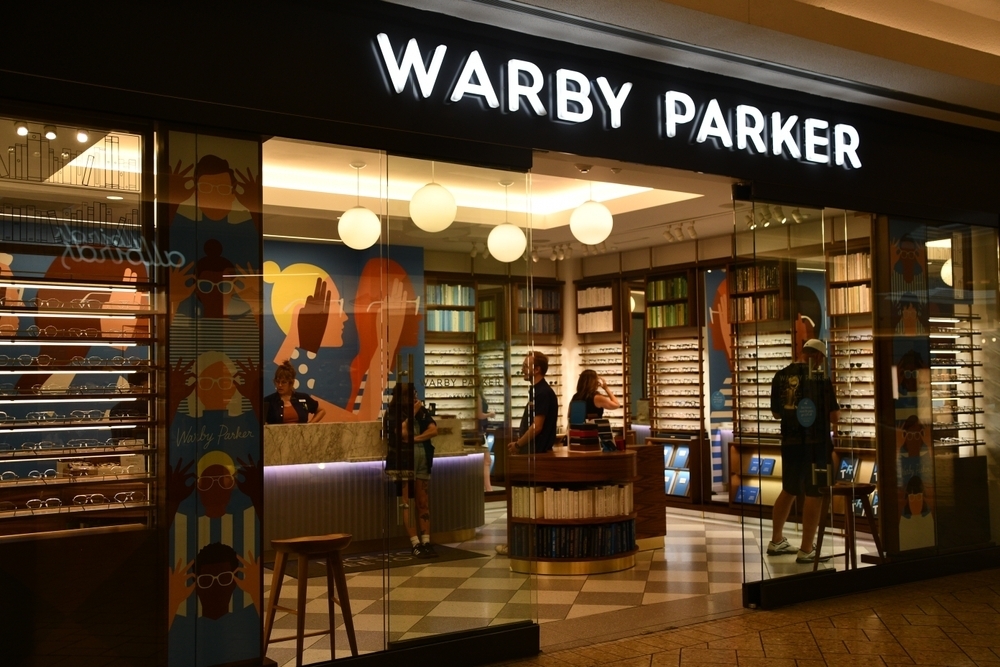
On November 12, 2026, Warby Parker confirmed its entrance into the AI smart glasses market through a hardware and software alliance with Google and Samsung. Known for shaking up the direct-to-consumer optical business, the New York-based brand is launching intelligent eyewear designed to bring multimodal artificial intelligence directly to prescription lens wearers and style-conscious buyers.
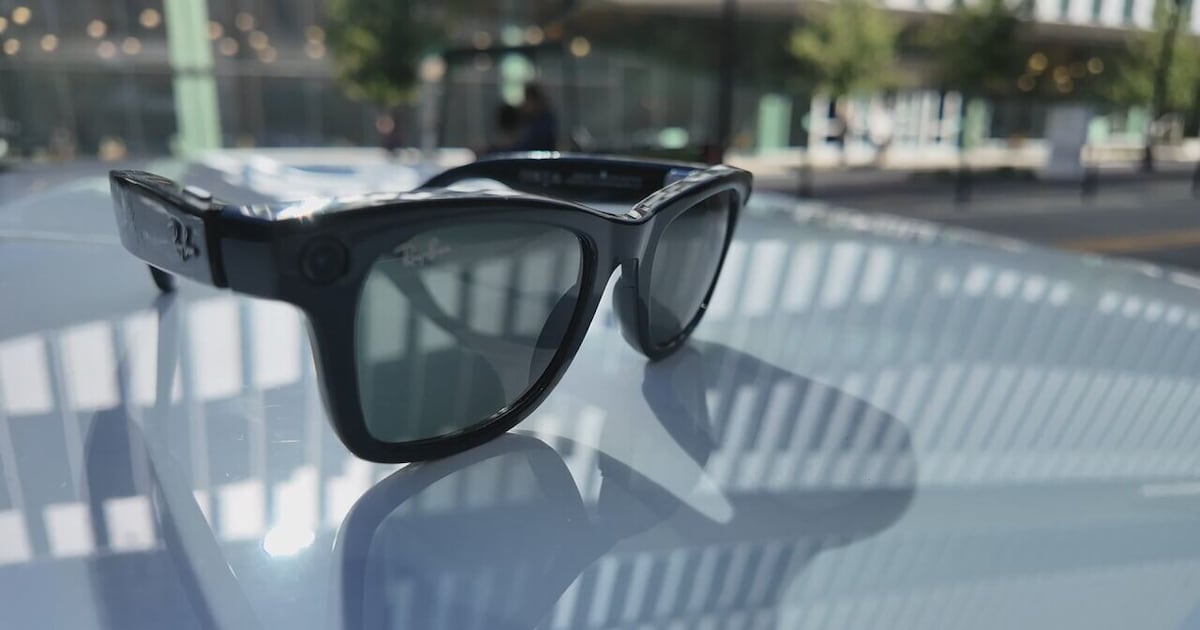
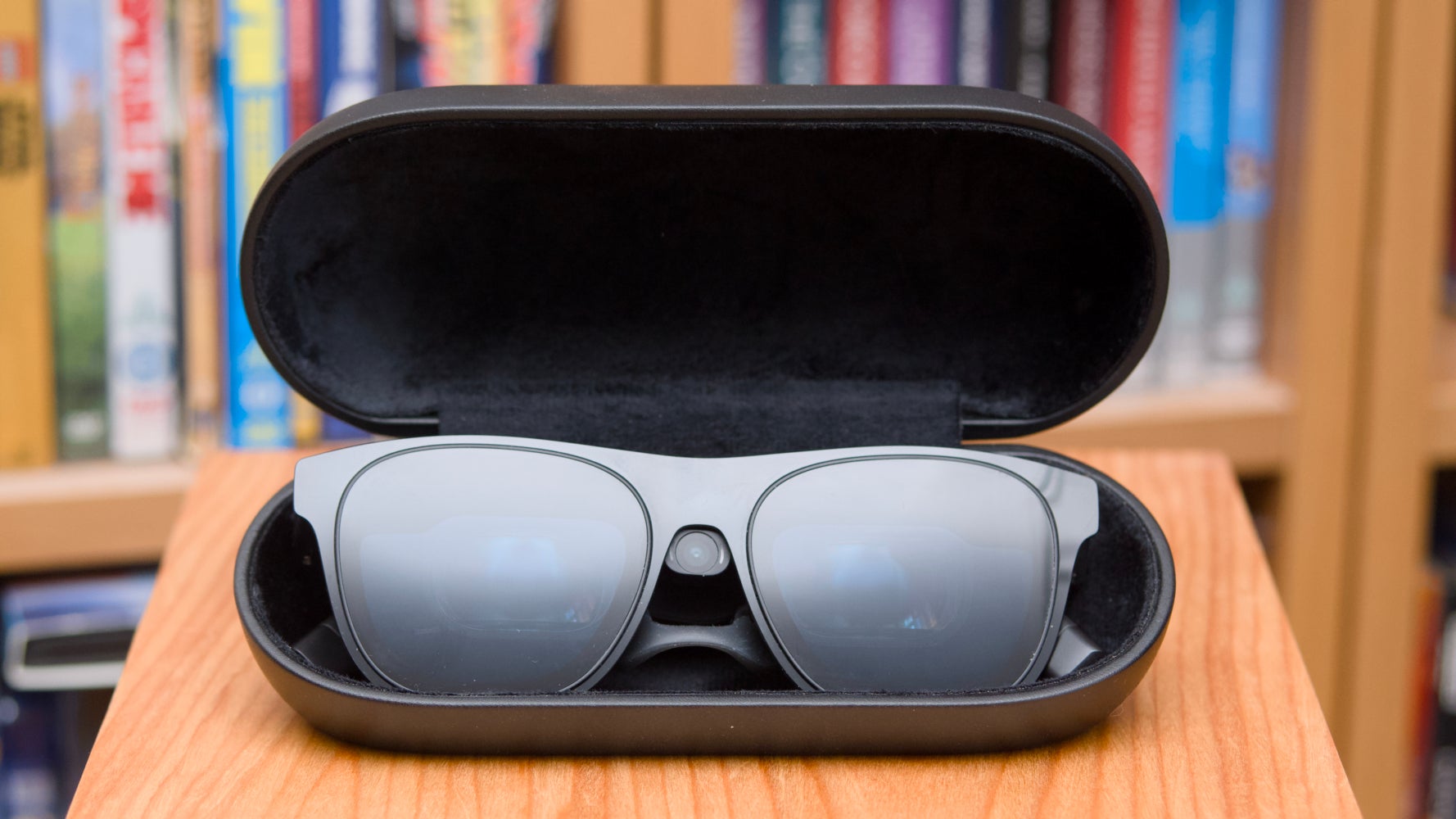
The upcoming frames tap Google's Gemini AI assistant to handle everyday tasks, offering voice-guided navigation, contextual search, and real-time language translation. Much like the current market benchmark set by Meta, Warby Parker's connected glasses house embedded camera sensors to interpret the wearer's surroundings, tethering wirelessly to a companion smartphone app built to manage device settings and offload complex computational queries.
As reuters.com reports, the hardware consortium is actively attempting to avoid the backlash and regulatory friction that have troubled earlier smart frames across international markets. According to Google, the device software includes explicit safeguards designed to prevent the facial recognition of bystanders and blocks AI model training on captured ambient data. These guardrails seek to address growing regulatory scrutiny in regions such as Europe and Australia, where camera-equipped glasses have sparked intense public surveillance debates.
The challenge ahead remains steep. reuters.com cites data from research firm Omdia showing that EssilorLuxottica and Meta's Ray-Ban smart glasses commanded an overwhelming 81.3% of global AI eyewear shipments during the first half of the year. EssilorLuxottica's entrenched optical retail footprint gave Meta an immediate pipeline into doctor offices and sunglass stores worldwide. By teaming with Warby Parker, Google and Samsung gain an established lifestyle eyewear brand with hundreds of brick-and-mortar storefronts across North America, pairing consumer trust with Google's cloud intelligence and Samsung's hardware supply chain.
How it compares: Until now, the mainstream AI eyewear category has effectively been a Meta monopoly. While Snap continues to iterate for developers and display-forward devices like Even Realities cater to text productivity, day-to-day camera-and-audio frames have had one undisputed frontrunner. Gemini brings a compelling counterweight to Meta AI, particularly for users deeply tied into Google Workspace, Android, and Google Maps. If Warby Parker can match Ray-Ban's lightweight aesthetics, comfortable bridge fit, and accessible pricing tiers, the smart glasses field will see its first genuine mass-market contest.
Our take: This partnership is precisely the counterstrike the consumer smart glasses ecosystem needed. Google's earlier hardware attempts stumbled over industrial design hurdles and awkward ergonomics, while Samsung has historically hesitated to enter screenless audio-camera frames alone. By letting Warby Parker handle frame styling, lens surfacing, and customer care, Google can focus entirely on making Gemini fast, unobtrusive, and genuinely helpful. If the trio can maintain strict privacy protections without hamstringing everyday multimodal utility, Warby Parker could quickly become the definitive alternative to Meta on the high street.
Interactive guide: prices, displays, cameras, battery.
Share this story