News · Apple
Vision Pro Leader Mike Rockwell Reportedly Weighs Exit as Apple AI Reorganizes
The executive behind Apple Vision Pro and the overhauled Siri may step down, signaling fresh turbulence for Cupertino's spatial and multimodal ambitions.

Apple executive Mike Rockwell, who spent years directing the development of the Vision Pro spatial computer before taking charge of the company's revamped Siri initiative, is seriously considering stepping down or leaving the company entirely, according to reporting this week from Bloomberg reporter Mark Gurman. As news.aibase.com highlights from Gurman's newsletter, Rockwell could relinquish his title as vice president of Siri engineering as early as next year, creating an unexpected leadership void at the center of Apple's artificial intelligence and spatial computing efforts.
Rockwell was widely regarded inside Cupertino as a pragmatic problem solver capable of delivering complex hardware and software systems under intense pressure. After guiding the Vision Pro through its prolonged incubation and eventual market debut, he was tapped to pull Apple's next-generation Siri out of development hurdles and schedule slippages. Gurman notes that the upgraded assistant faced a full two-year delay before reaching public readiness. Having Rockwell reconsider his future immediately after shipping the revised assistant represents a notable destabilization for an AI division that is still racing to close the capability gap with rivals.
Should Rockwell formally vacate his post, potential successors are already lining up within Apple's software hierarchy. According to Bloomberg, the responsibilities are most likely to fall to either Amar Subramanya, who was recruited from Google to reinforce Apple's foundation models and AI infrastructure, or Sebastien Marineau, a veteran lieutenant to software chief Craig Federighi. Marineau has overseen system-level AI integration across iOS, and observers view him as an aggressive advocate for deeper automated services, though Federighi continues to hold tight operational control over the broader engineering apparatus.
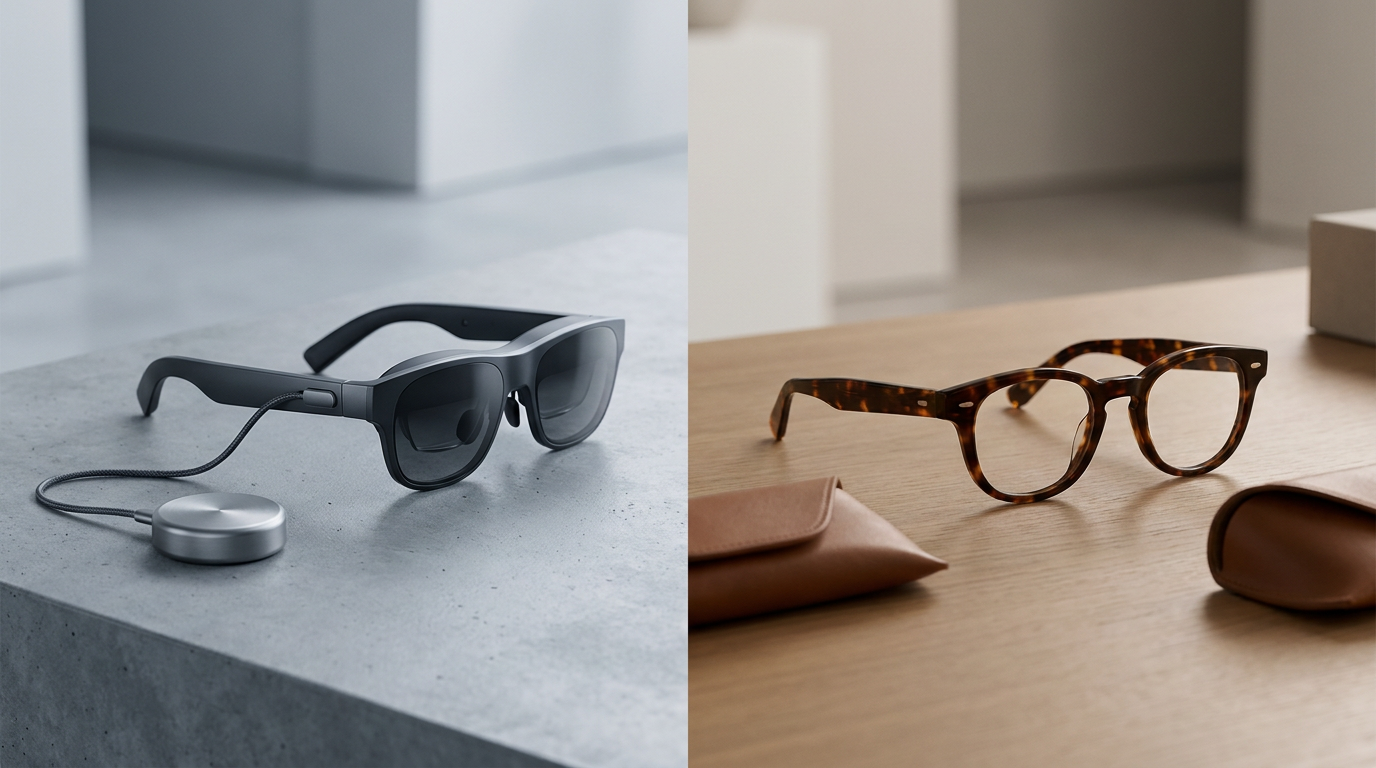
The executive maneuvering arrives at a critical transition point for Apple's ambient hardware roadmap. Recent reporting indicates that Apple shelved work on standalone AI pins and camera pendants to concentrate its visual intelligence research directly on consumer wearables, specifically future smart glasses, camera-equipped AirPods, and next-generation iterations of the Apple Watch. Rockwell's background bridging spatial audio, computer vision, and conversational intelligence positioned him uniquely across both headset hardware and Siri voice workflows.
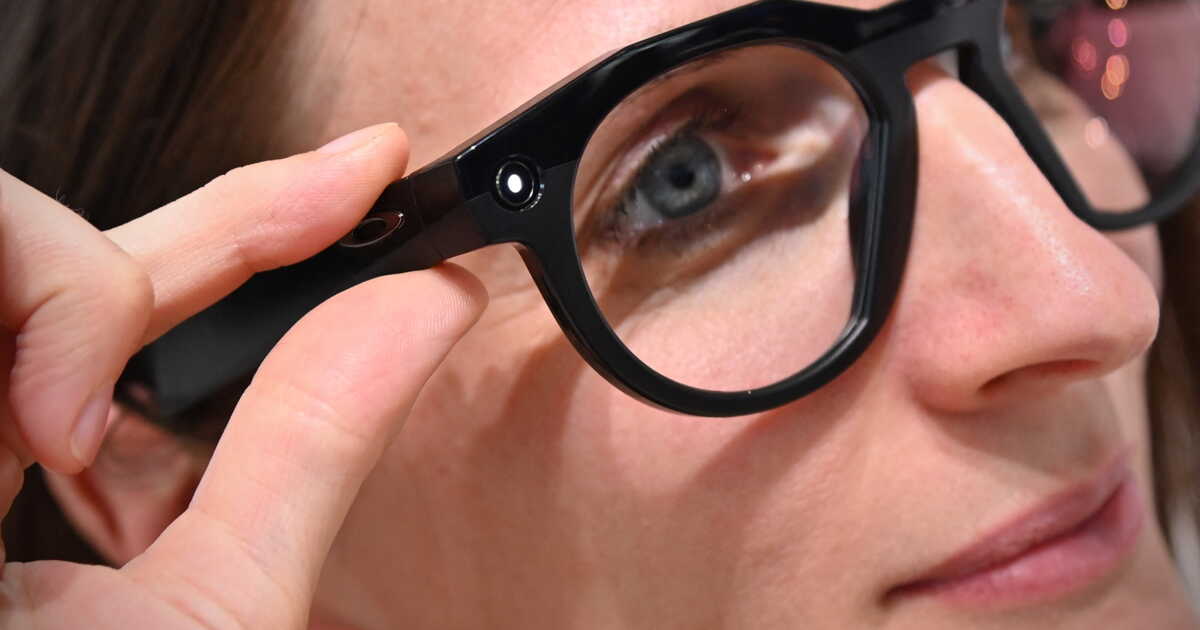
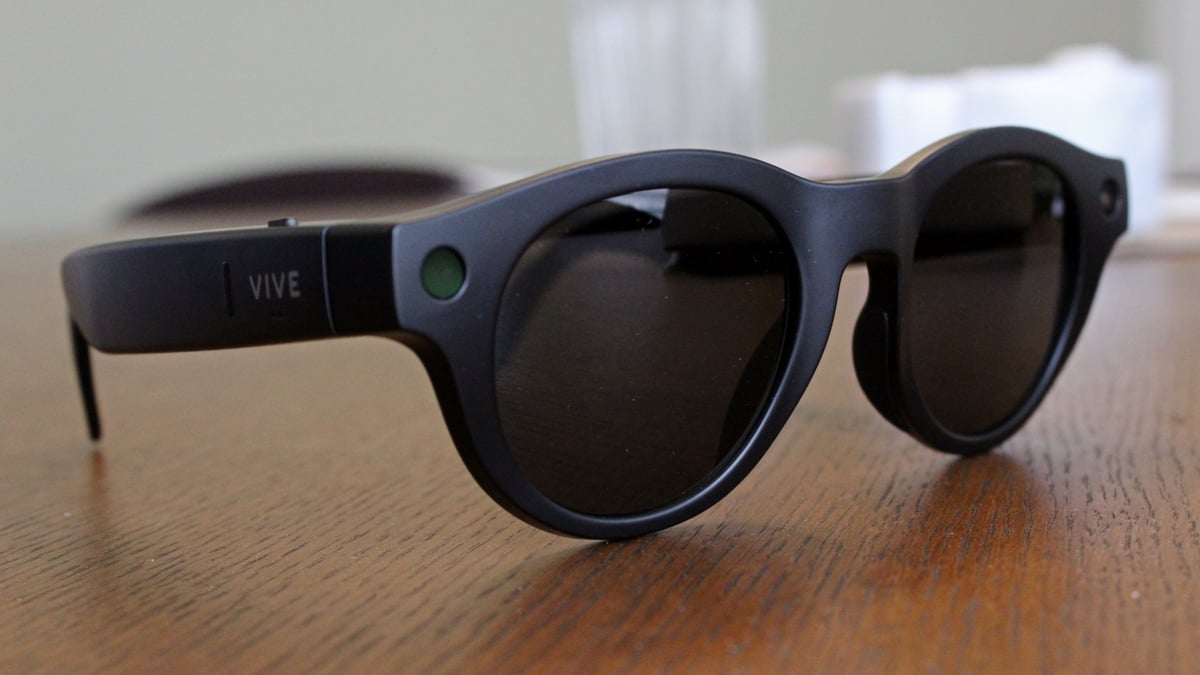
Our take: A leadership shakeup at Siri is not just an iPhone problem, it is an existential hurdle for Apple's upcoming smart glasses. Audio and visual AI are the primary user interfaces for lightweight smart frames, where conventional touchscreens do not exist. Meta demonstrated with the Ray-Ban Meta glasses that rapid software iteration, multimodal queries, and seamless voice responsiveness dictate consumer adoption. If Apple cannot build a consistent command structure behind Siri, its long-rumored smart glasses will struggle against an increasingly entrenched field of competitors, no matter how polished the underlying hardware turns out to be.
Interactive guide: prices, displays, cameras, battery.
Share this story