Analysis · -
The Regulated Face: Why Heavy Utility Will Outlast Silicon Valley's Lifestyle Eyewear
While tech giants rely on fashion collabs and cosmetic tweaks, Lucyd Armor and .lumen prove eyewear's real future is certified utility. When smart frames become mandatory equipment, the consumer calculus flips.
The consumer smart-glasses market is currently staging a familiar piece of commercial theater. Meta rolls out a third-generation Ray-Ban update that leans into cat-eye silhouettes and transparent plastics while pushing prices up to $449 for marginal hardware gains. Meanwhile, Samsung and Google generate instant headlines by selling out their Gentle Monster preorders in four days across sixteen different frame styles. It is an ecosystem utterly captivated by fashion credentials, lifestyle marketing, and discretionary retail dollars. Yet beneath the runway gloss, consumer smart eyewear remains an undeniably fragile luxury that struggles to answer why ordinary people must wear computers on their faces.
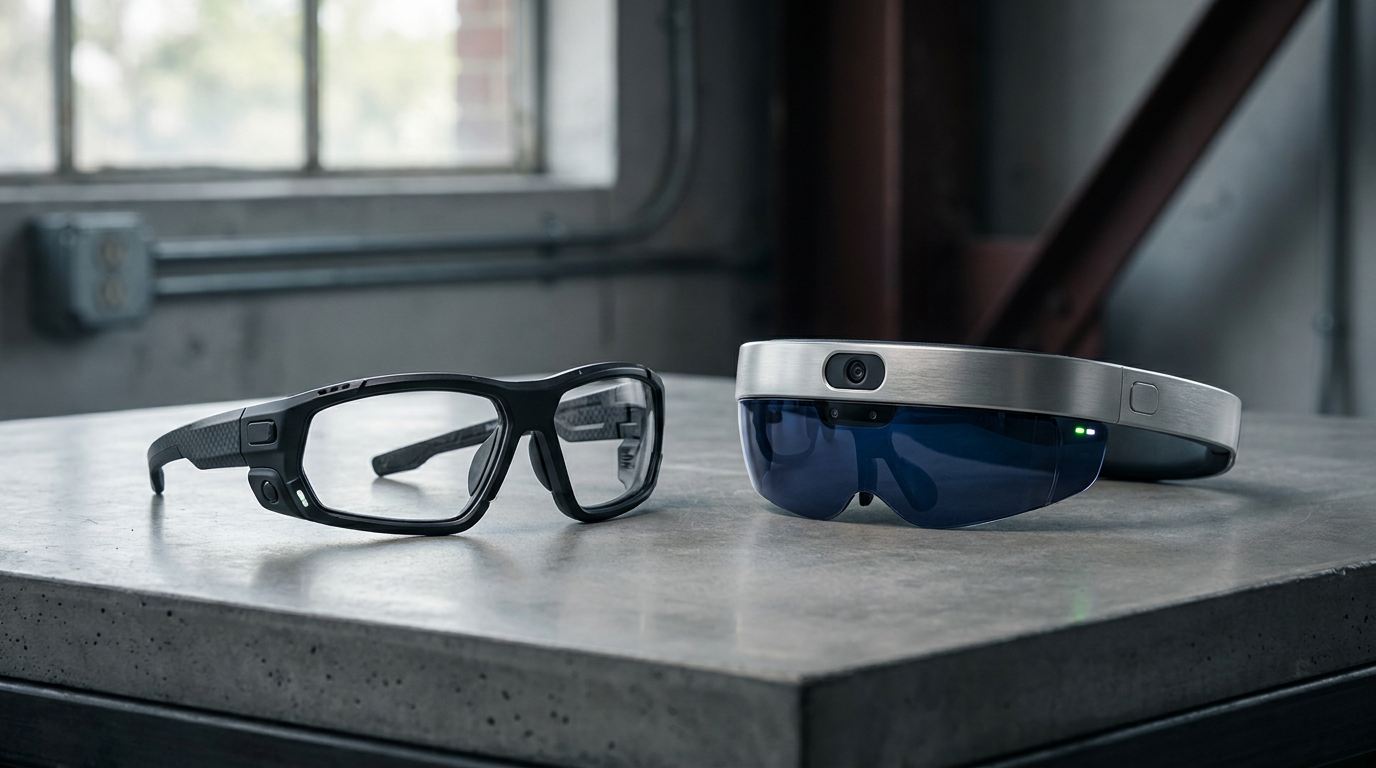
Contrast that vanity race with the quiet, consequential breakthroughs taking place on the industrial and assistive frontiers. On November 19, Innovative Eyewear announced that its Lucyd Armor frames secured official AS/NZS 1337.1 compliance, clearing the AI-enabled safety glasses for active enterprise job sites across Australia and New Zealand. Just days later, Romanian deep-tech outfit .lumen captured the top innovation prize at the Medica trade fair in Dusseldorf for its autonomous navigation headset built for the visually impaired. These are not ornamental accessories built for streaming concerts or snapping vacation reels. They represent a fundamental transition toward non-discretionary, certified wearable utility.
Lucyd Armor's certification achievement highlights a barrier to entry that lifestyle brands cannot bypass with slick marketing. Securing AS/NZS 1337.1 compliance is not an exercise in industrial styling, but a brutal gauntlet of impact-resistance and safety evaluations conducted by independent testing authorities like Intertek and UL Solutions. Mainstream consumer frames from Meta, Google, or Gentle Monster are legally prohibited from heavy industrial worksites, where personal protective equipment is non-negotiable. By integrating generative AI assistants and hands-free voice audio into verified occupational safety frames, Lucyd turned smart glasses into required job site equipment rather than an optional tech purchase.
This regulatory integration creates an economic moat that consumer lifestyle gadgets can only dream of. In industrial trade, construction, and resource extraction, hardware purchases do not depend on fickle consumer enthusiasm. Corporate procurement teams buy certified safety eyewear out of strict legal necessity to satisfy occupational safety mandates and lower liability insurance premiums. When ambient computing features are embedded into equipment workers are already mandated to wear for eight hours a day, user friction drops to zero. A site foreman does not need to pitch smart glasses as a cool lifestyle upgrade when safety compliance handles the onboarding.
On the assistive front, .lumen's triumph at the Healthcare Innovation World Cup underscores an even more radical technical divergence. Competing against more than 300 international entries, the company took first place among twelve finalists for its Pedestrian Autonomous Driving AI, or PAD AI. Instead of relying on cloud-tethered voice assistants or remote sighted video operators, .lumen miniaturized the sensor fusion and perception software of an autonomous vehicle into wearable eyewear. The headset continuously tracks obstacles, plans safe pedestrian routes, and delivers intuitive haptic and auditory cues directly to visually impaired users entirely offline. It is an engineering achievement an order of magnitude more sophisticated than projecting green teleprompter text into peripheral vision.
The technical reality of .lumen's architecture exposes the core vulnerability of mainstream consumer AI frames. Most consumer smart glasses are little more than camera-equipped microphones that ship raw audio and images to remote server farms, introducing latency and requiring continuous high-speed cellular connections. For a visually impaired commuter navigating a bustling city street, a two-second network delay or an unexpected dead zone can lead to physical injury. By processing computer vision locally and reliably without relying on the cloud, .lumen treats smart eyewear as vital life infrastructure. The value proposition here is not minor productivity or casual novelty, but basic personal autonomy.
When held up against these high-stakes applications, Silicon Valley's lifestyle hardware roadmap looks remarkably shallow. Meta's third-generation Ray-Ban lineup offers slight cosmetic refinements and an Action button, yet charges luxury premiums for silicon that Meta itself packages into the $254 Adventurer. Samsung and Google may celebrate a sold-out Gentle Monster drop, but shifting limited early-adopter inventory does not guarantee durable day-to-day retention. Fashion partnerships create powerful launch buzz, but they rarely protect hardware makers when consumers realize their expensive frames are just redundant notification monitors.
Furthermore, lifestyle AI frames continue to slam headfirst into massive social and legal resistance. In Germany, the upper house of parliament recently adopted a formal stance urging federal authorities to tighten the Telecommunications and Digital Services Data Protection Act, specifically targeting camera-equipped glasses and public surveillance. Bystanders in cafes, transit terminals, and public parks remain understandably suspicious of discreet cameras worn by strangers. Yet that friction vanishes instantly when hardware operates inside regulated, purpose-driven environments. Nobody files a privacy complaint against an industrial inspector wearing certified safety glasses on a scaffold, nor does anyone object to a blind pedestrian using machine vision to avoid hazards.
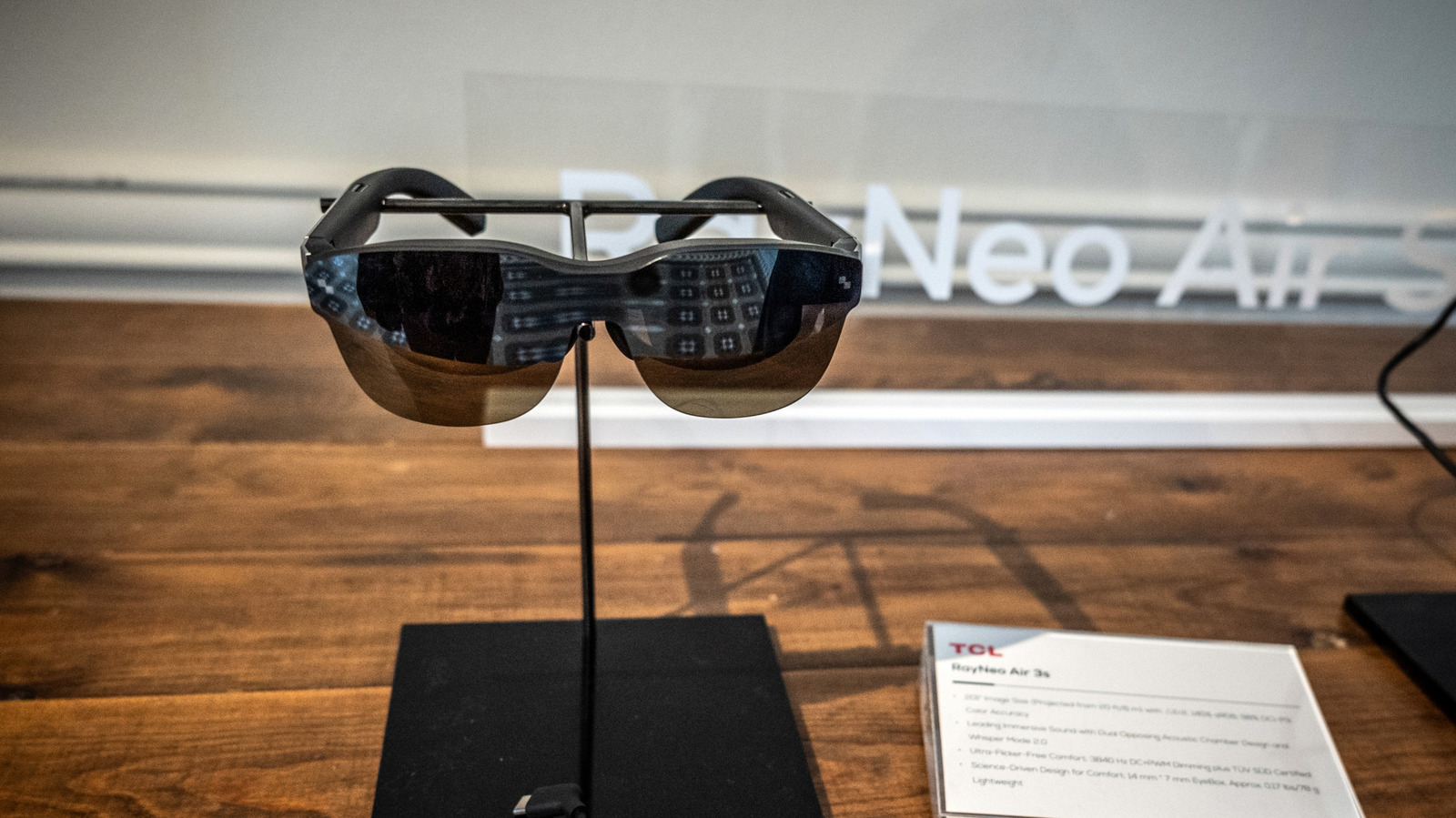
Even display-first hardware that ditches image sensors, such as the $499 RayNeo IO, still struggles with social legitimacy because ambient audio recording triggers real privacy concerns. High-utility eyewear overcomes this hurdle by establishing clear, unambiguous operational context. When smart glasses serve an overt, certified function on a construction site or in an assistive capacity, both wearers and the public understand the operational contract. Functional necessity breeds immediate trust and regulatory tolerance that clever marketing and designer logos simply cannot purchase.
Building for mission-critical utility also imposes a healthy engineering discipline that consumer tech companies routinely dodge. When hardware must pass rigorous drop tests, handle thermal extremes, and run all day on a single charge, developers cannot afford gimmicky optical experiments that cook user temples or crush the bridge of their noses. Startups like EverHarbour AI are already finding that ditching heavy micro-OLED displays in favor of lightweight ergonomics and acoustic precision provides a more sustainable path forward. When failure means a workplace injury or a missed navigational obstacle, product design choices become brutally honest.
The real coming-of-age moment for smart glasses will not be measured by fashion week collaborations, celebrity brand ambassadors, or how subtly a frame hides its internal battery. It will be decided by whether the hardware can establish itself as indispensable equipment that people cannot afford to leave behind. Between Lucyd Armor conquering strict occupational safety standards and .lumen transforming self-driving algorithms into assistive mobility, the industry's center of gravity is moving. Big Tech can continue courting the fashion crowd, but smart eyewear's true breakthrough is happening where utility is a matter of survival.
Interactive guide: prices, displays, cameras, battery.
Share this story