Analysis · Meta
The Ambient Lie: Why Smart Glasses Are Starving for Power
From Ray-Ban Meta to Samsung's Android XR push, every major frame promises all-day ambient AI. In reality, battery chemistry remains an unsolved disaster that clip-on packs cannot fix.
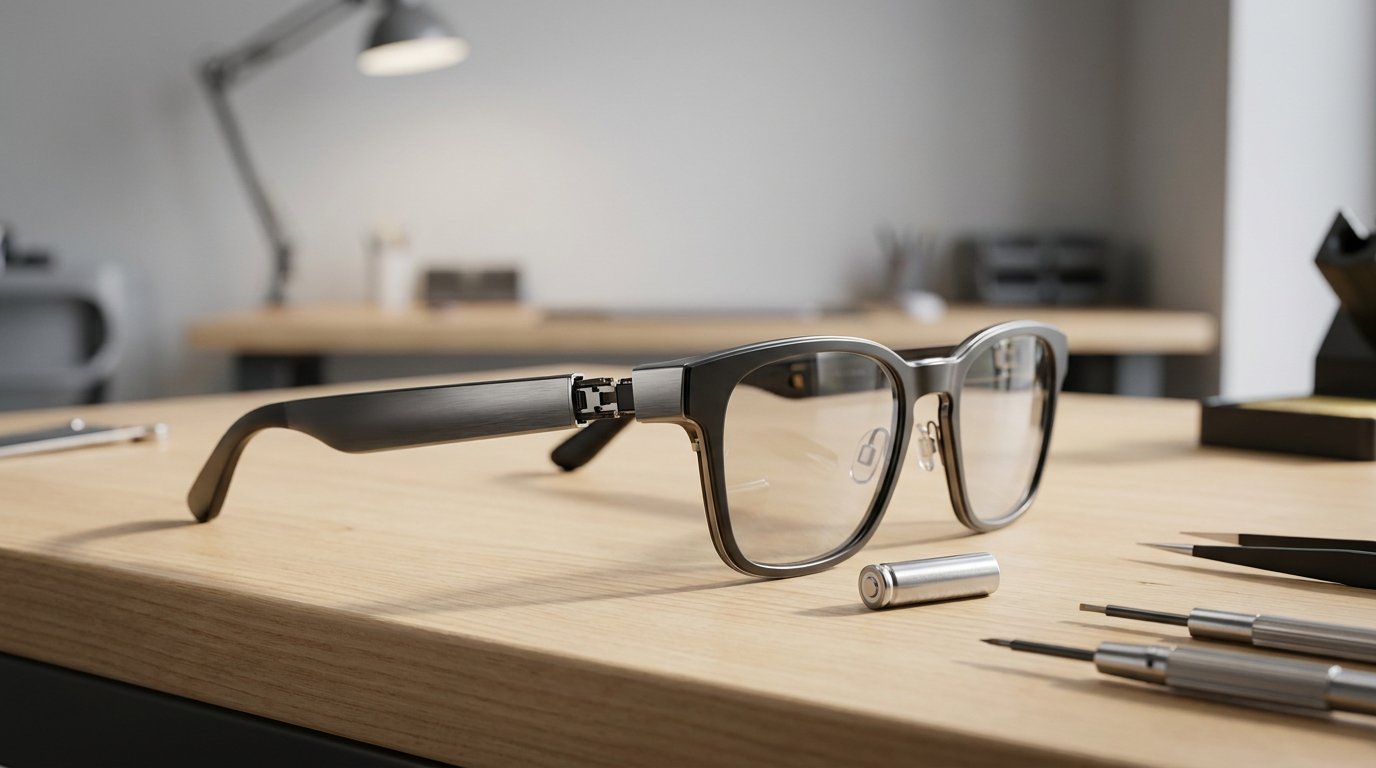
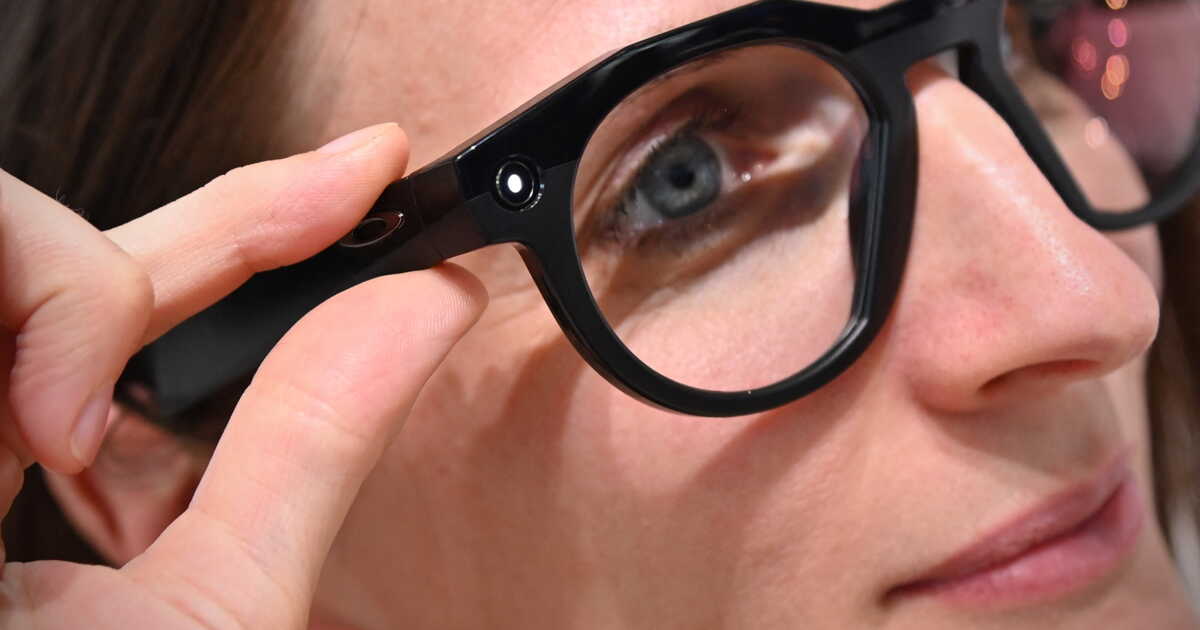
The smart glasses industry has settled on its favorite collective delusion: that software optimization and fashion partnerships can somehow bend the laws of electrochemistry. Look at the headlines this month. Meta is polishing its third-generation Ray-Ban frames with 3K video, while Samsung and Google are preparing to launch audio-first Android XR glasses alongside Warby Parker and Gentle Monster. Yet beneath the runway styling and multimodal Gemini demos lies a catastrophic hardware bottleneck that nobody wants to openly confront. We are trying to build ambient spatial computers with battery capacities barely fit for a cheap pair of wireless earbuds.
Nothing illustrates this engineering paralysis quite like the arrival of the PrismXR Carina C2. When third-party accessory makers start selling 7.6-gram clip-on battery pods meant to hang off your Ray-Ban Meta temples, the category has failed at its primary design brief. PrismXR did not build the Carina C2 because users crave extra junk dangling near their ears. They built it because consumers are exhausted by their $449 smart frames spending half of an eight-hour workday locked inside a leatherette charging case.
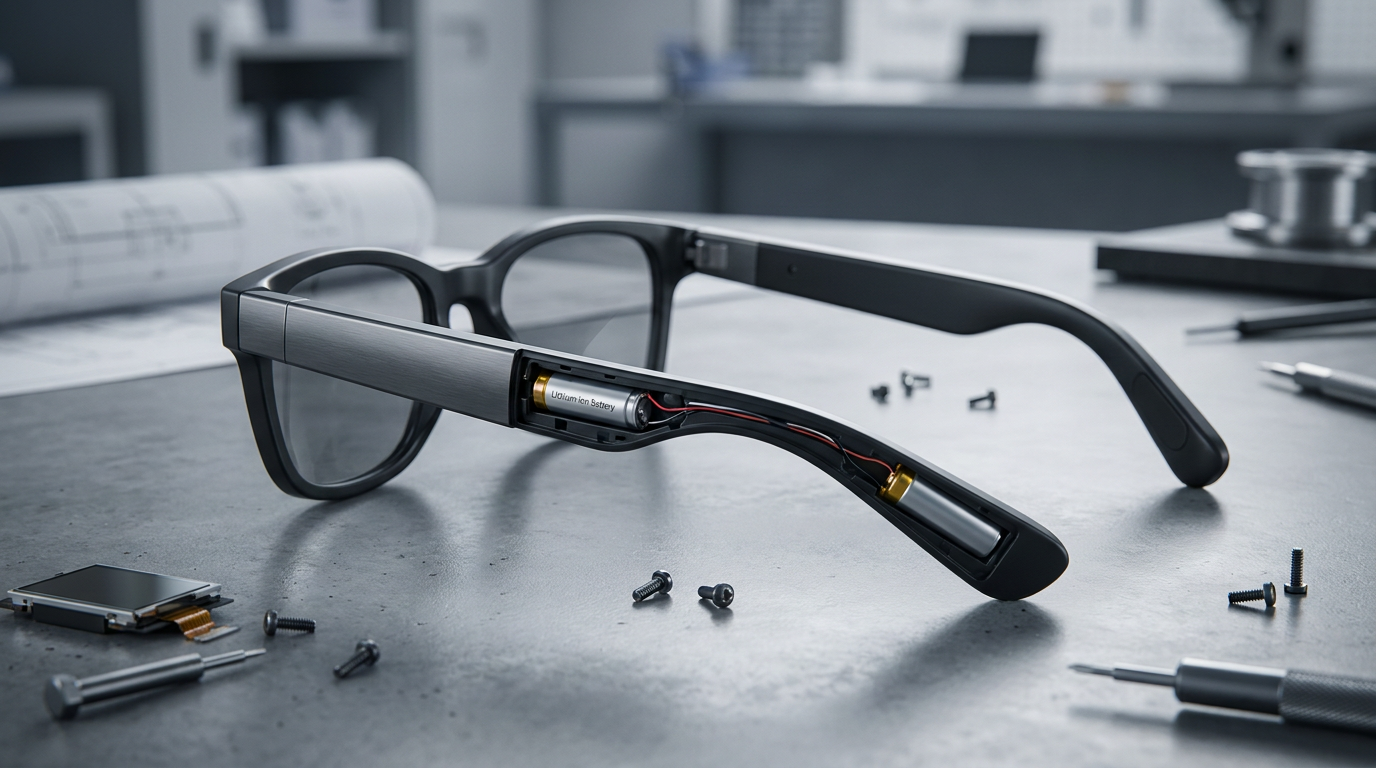
The dirty secret of smart eyewear is that battery endurance has barely budged across three hardware generations. Meta's latest frames can boast about an upgraded six-microphone array and higher-resolution video, but continuous capture remains an immediate death sentence for the cells tucked into the acetate. If you actually utilize multimodal AI to interpret your surroundings or record a sequence of clips, battery life plummets from a few casual standby hours to an embarrassing sprint against zero percent. Silicon Valley loves to preach all-day ambient computing, but the physical reality looks more like a frantic search for the charging cradle by lunchtime.
The impending arrival of Samsung and Warby Parker's Google-backed Intelligent Eyewear will not magically rewrite this thermodynamic math. In fact, Samsung's decision to bypass integrated displays entirely and launch an audio-first, camera-equipped frame is the clearest possible confession that power budgets are bankrupt. Google and Samsung know full well that micro-OLED optical engines devour watt-hours like a wildfire. Stripping out the display keeps the frames featherweight, but it only kicks the battery crisis down the road.
Consider what happens when you turn these screenless frames into true ambient agents. Both Google's Gemini and Meta's multimodal models require continuous sensor polling, Bluetooth or Wi-Fi data uplinks, and intensive on-device signal processing. Even if the heavy AI inference happens in the cloud, maintaining an open pipeline of audio and spatial imagery demands steady, unforgiving current. You cannot have proactive intelligence without persistent sensing, and you cannot have persistent sensing when your power reservoir is smaller than a postage stamp.
Step into the display-equipped tier, and the battery nightmare turns completely comical. Snap's fifth-generation Spectacles represent the ultimate cautionary tale of what happens when ambition ignores battery density. At $2,195, Snap's standalone AR hardware is currently restricted to developer pop-ups in Los Angeles because consumer runtimes on true spatial displays are practically unmarketable. Pushing dual waveguide engines, spatial mapping cameras, and custom silicon melts tiny batteries in well under an hour, turning wearable computing into a thermal punishment.
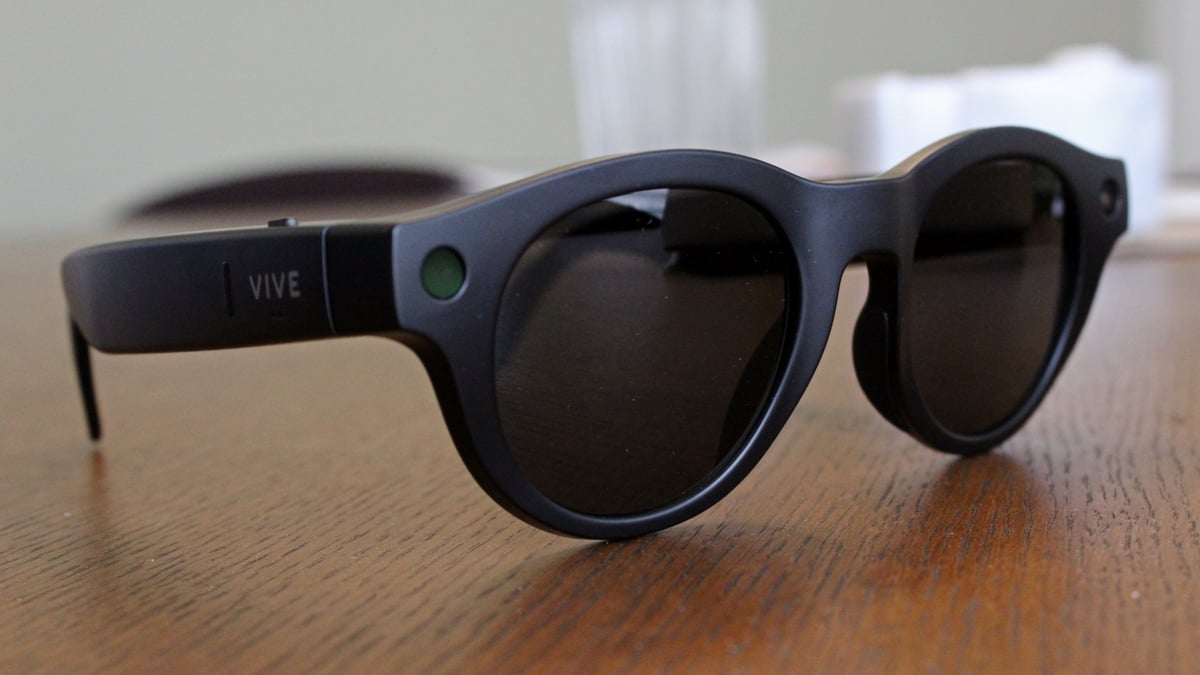
This is precisely why fringe players like XREAL and Rokid lean heavily on tethered configurations or hyper-specialized monocle lenses. Rokid found critical praise for its teleprompter and translation glasses not because it solved battery science, but because it severely throttled its display duty cycle to short, intermittent bursts. The moment a wearable screen stays lit for extended periods, the device either dies instantly or requires an ugly wire running down to a pocket-sized battery brick. That is not ambient eyewear. That is a desktop monitor strapped to your nose with an umbilical cord.
Silicon Valley treats eyewear as if it were a smartphone miniaturization drill, assuming Moore's Law will conveniently bail them out. But lithium-ion chemistry does not scale with semiconductor shrink. Energy density in commercial cells crawls forward by low single-digit percentages each year, while the computational hunger of multimodal vision models grows exponentially. When every millimeter of temple thickness affects balance, aesthetics, and social acceptance, hardware engineers simply have nowhere to put more chemical volume.
The fashion pivots from Warby Parker, Gentle Monster, and EssilorLuxottica have succeeded in making smart glasses look human, but they have also boxed engineers into a corner. A pair of daily prescription glasses cannot exceed 45 grams without causing severe bridge fatigue and temple pinching. That strict weight budget caps total battery allocation at roughly ten to fifteen percent of the frame's overall mass. Unless manufacturers are willing to make temples as thick as hockey pucks, physical capacity will remain chained to sub-300mAh limits.
What makes this stall especially infuriating is the lack of public honesty from the platforms leading the charge. When lawmakers on Capitol Hill interrogate Meta over bystander video ingestion, they assume these glasses are capturing continuous surveillance feeds of daily life. In reality, the hardware cannot record continuously even if the algorithms wanted it to, because the battery would give out after twenty minutes of sustained 3K capture. Meta, Google, and Samsung market an effortless ambient companion, knowing full well that real-world continuous usage breaks down instantly.
Until someone cracks high-density solid-state batteries or sub-milliwatt always-on silicon, smart eyewear will remain trapped in this compromise loop. Gadget companies will continue showing glamorous promotional reels of all-day AI assistance, and buyers will continue discovering that their expensive frames spend most of their lives on a charging desk. Clip-on battery pods like the PrismXR Carina C2 are an undignified aesthetic disaster, but they tell the honest truth about this entire category. The future of face-worn computing is not waiting for better optical engines or smarter AI; it is waiting for a power source that does not collapse before noon.
Interactive guide: prices, displays, cameras, battery.
Share this story