Guides · SmartXY
SmartXY's Smart-Glasses Play, Explained
A new contender enters the smart glasses arena, not just with products but with a dual strategy of core platforms and diverse, lightweight form factors, aiming to redefine market segments.
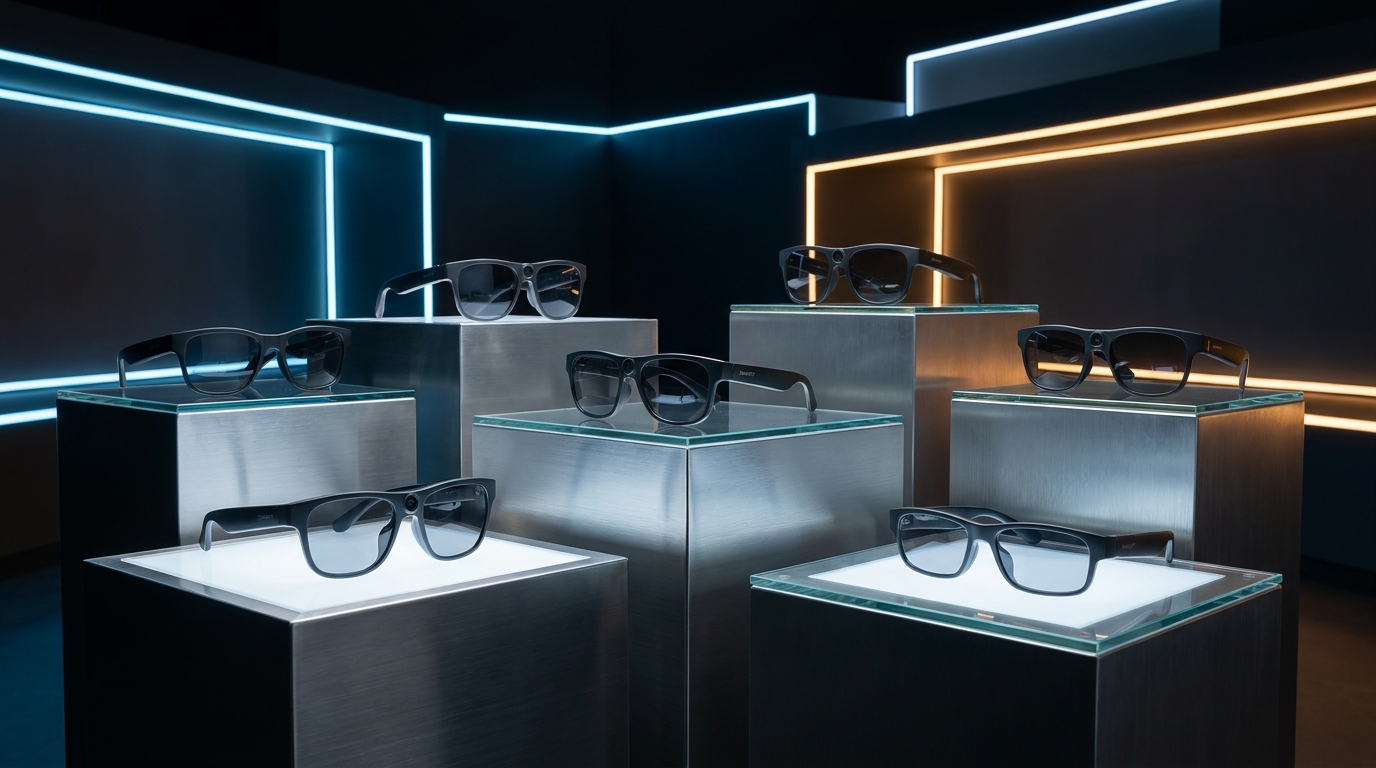
The smart glasses landscape, once dominated by a few major players and a scattering of niche startups, has just received a jolt from a new entrant: SmartXY. Emerging with a compelling, multi-pronged strategy, SmartXY isn't merely launching another pair of smart frames; they're aiming to address the foundational needs of the evolving market, from core AI platforms to highly specialized display eyewear.
Their initial moves suggest a calculated assault on several fronts: enabling other brands with critical hardware, offering ultralight HUDs for discreet digital overlays, and tackling the complex B2B full-AR segment. This diversified approach positions SmartXY as more than just a brand to watch; it marks them as a potential keystone player, influencing how AI and AR capabilities are integrated into our daily lives and workflows.
SmartXY arrives on the scene with the quiet confidence of a company that has been building behind closed doors. While details on their origins are scant, their product line immediately signals an engineering-first ethos. They aren't chasing the mass-market splash with a single hero device; instead, they're demonstrating a clear understanding of the fragmented smart glasses market and the diverse needs within it.
Their strategy appears twofold: act as an ODM (Original Design Manufacturer) for underlying platforms, and simultaneously build out a range of branded products targeting specific user experiences. This allows them to scale rapidly by powering other brands, while also establishing their own footprint in key emerging categories. This flexibility could be a significant advantage in a market still searching for its definitive form factor.
The timing of SmartXY's debut is no accident. As AI integration becomes paramount and user demand for discreet, lightweight wearables grows, the market is ripe for innovation beyond bulky VR headsets or overtly "techy" frames. SmartXY is stepping into this void, offering solutions that prioritize comfort, style, and purposeful functionality over generalized "everything" devices.
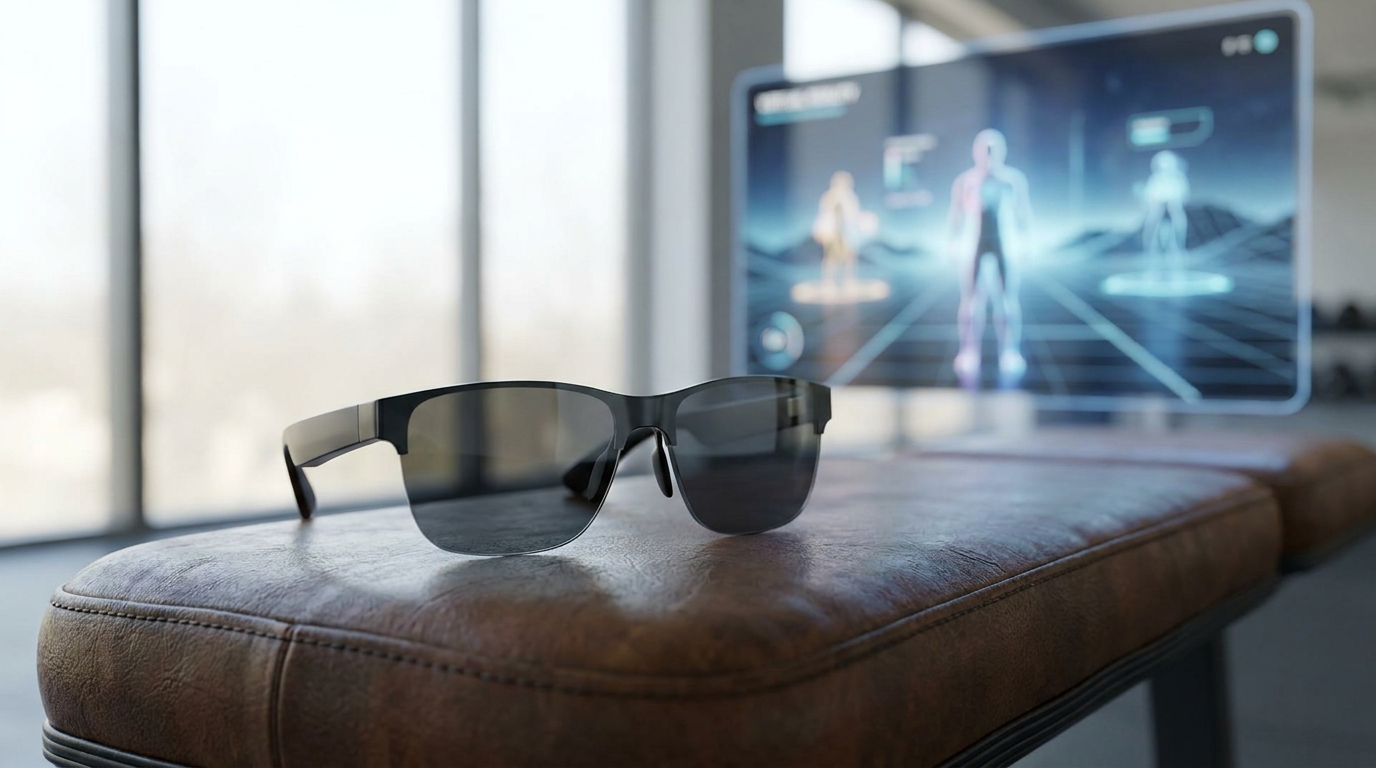
Leading their charge, at least strategically, is the SmartXY K900. This isn't a pair of glasses for direct retail under the SmartXY name, but rather a robust ODM reference platform. Shipping now, the K900 is essentially the engine for tomorrow's AI camera glasses. Weighing just 39g, it integrates a camera, LLM-agnostic AI capabilities, and 8-hour battery life (with 10-minute fast charging to 50%), making it an appealing foundation for other brands seeking to quickly launch sophisticated AI-enabled audio glasses. Its focus on partner app integration underscores its role as an enabler.
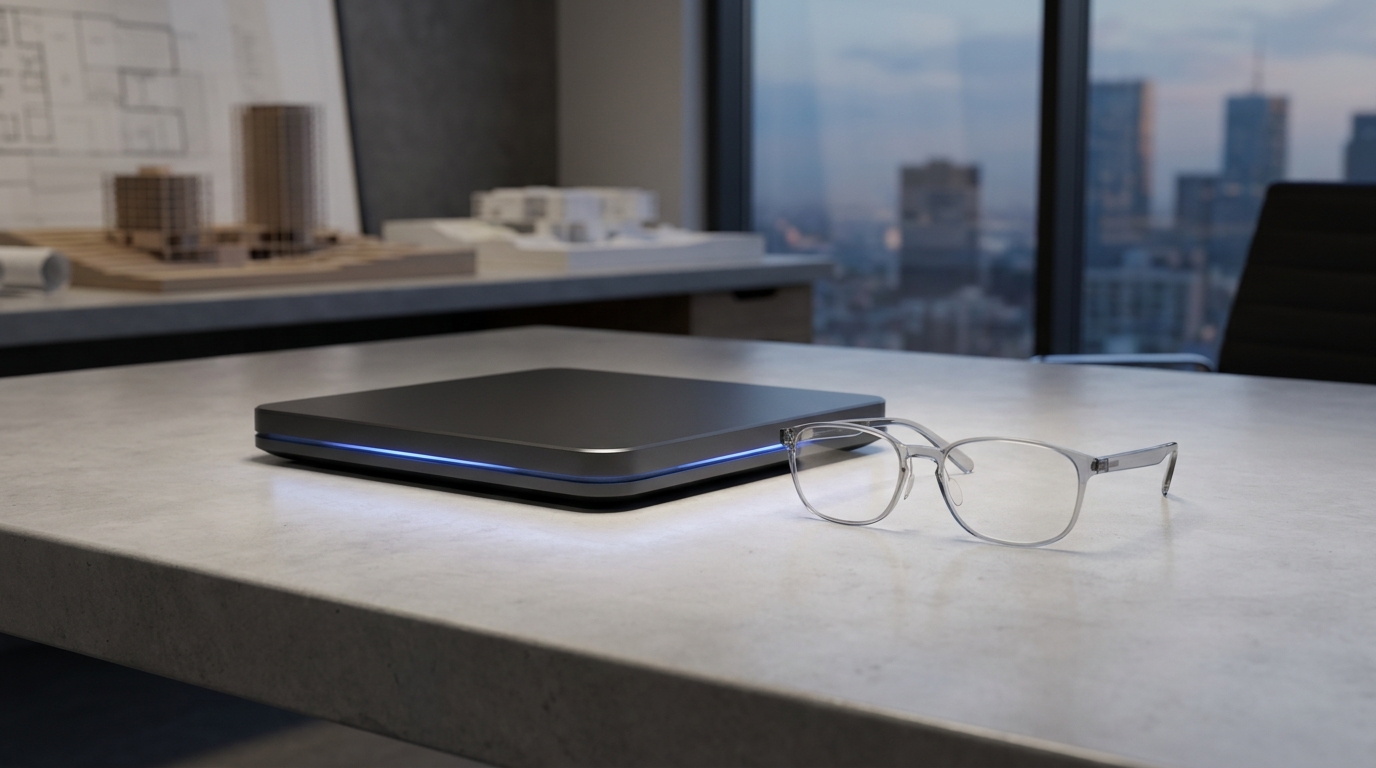
For direct-to-consumer presence, SmartXY focuses on the burgeoning Heads-Up Display (HUD) segment with its AR99 series. The SmartXY AR99, currently shipping, is an ultralight (28g) monocular display glass, featuring a single-green Micro-LED and VHG waveguide. Crucially, it's camera-free, prioritizing privacy and discreet notifications powered by Mentra OS or a paired phone. Battery life is a respectable 3 hours for feature use, stretching to 72+ hours standby.
Building on the AR99 platform, the Mimosa AR99-MY (shipping) offers a women-first cat-eye frame, acknowledging the critical need for fashion in wearable tech. At 29g, it shares the camera-free, monocular display of its sibling, emphasizing fashion and optical retail. Looking ahead, the announced SmartXY AR99 Pro, at an even lighter 25g, features a carbon-fiber build, an SRG surface-relief waveguide, and introduces user-swappable batteries, shipping with a paired ring controller for enhanced interaction, all while maintaining its camera-free ethos.
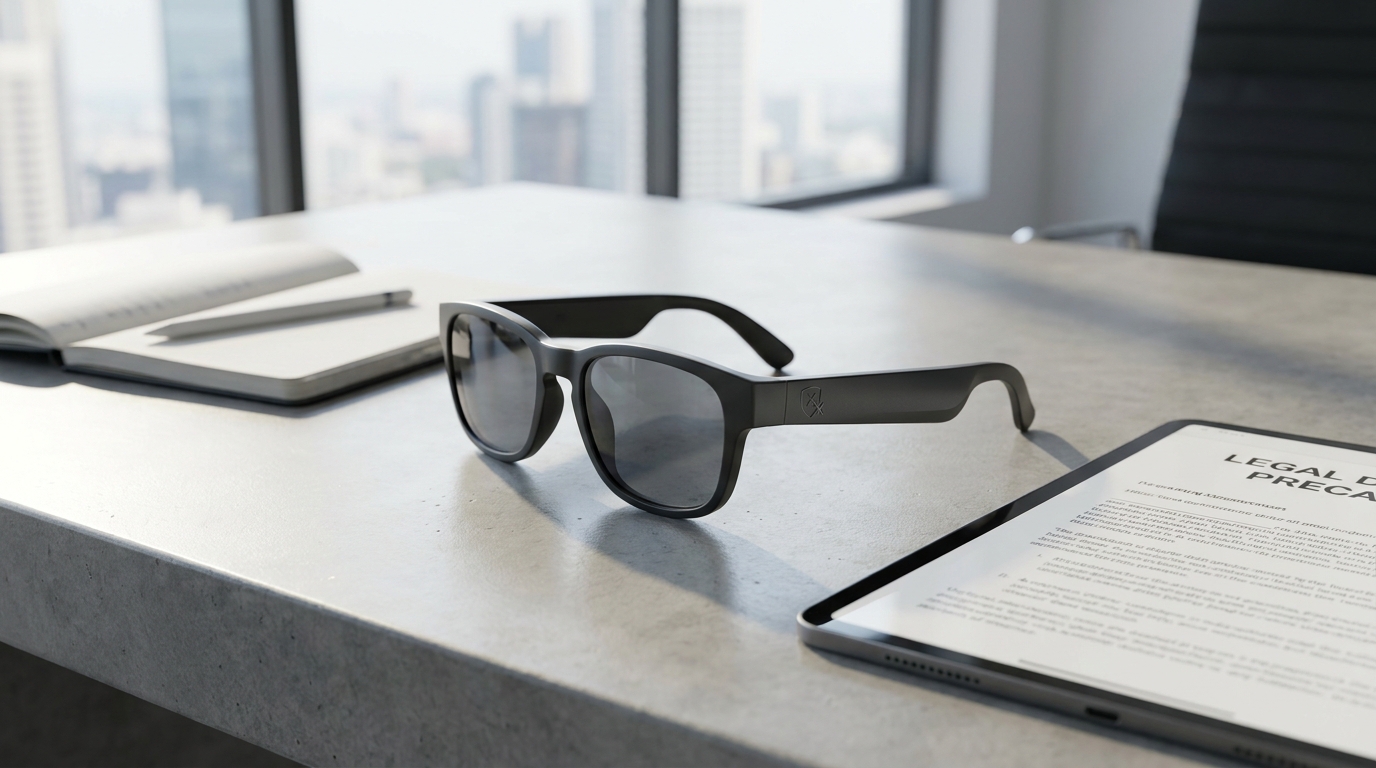
Rounding out the announced lineup is the SmartXY C100, their foray into full-AR. Positioned for B2B integration, these 45g glasses feature binocular single-green Micro-LED displays and a Sony IMX681 12 MP RGB camera. As a standalone Android host, the C100 is designed to connect to any VLM/LLM over Wi-Fi or BLE, offering a robust platform for enterprise applications with IP44 rating, wear detection, slide gestures, and a removable battery.
SmartXY's K900 platform directly challenges the likes of Huawei's Eyewear line. While Huawei focuses on branded smart audio glasses with integrated features, the K900 aims to be the adaptable skeleton underneath a multitude of brands. Its LLM-agnostic approach and open partner app ecosystem offer a degree of flexibility and future-proofing that branded, closed systems might struggle to match, positioning SmartXY as a silent enabler rather than a direct competitor in the retail aisle for this specific product.
In the HUD space, the SmartXY AR99 series carves its own niche against established players. Unlike XREAL Air 2 or Air 3, which prioritize full-color, binocular video consumption, SmartXY's AR99 series opts for ultralight, monocular green displays focused on discreet, context-aware information. This makes them a lighter, less intrusive alternative for users prioritizing notifications and AI-driven assistance over immersive media. Compared to Vuzix Z100, which has enterprise display features, SmartXY's AR99 is significantly lighter and targets a broader consumer/prosumer segment with its fashion-forward designs.
The announced SmartXY C100, with its binocular display and integrated camera, signals a direct challenge to enterprise-focused AR glasses like the Vuzix Shield. While both aim for industrial and professional use cases, SmartXY is pushing a standalone Android host with broad VLM/LLM connectivity, potentially offering greater integration flexibility for businesses. Its announced status means it still needs to prove itself against Vuzix's established enterprise presence, but the specifications are competitive.
SmartXY is a formidable new entrant, playing both the supplier and brand game effectively. Their strengths lie in a remarkably versatile product portfolio, prioritizing lightweight designs, and offering platform flexibility with the K900. The deliberate focus on niche form factors, from fashion-forward HUDs like Mimosa to enterprise-grade full-AR, suggests a deep understanding of market segmentation. However, as a new brand, they face the uphill battle of establishing trust and ecosystem support.
The coming 12 months will be critical. Watch for widespread adoption of the K900 platform by major brands, the successful shipment and market reception of the AR99 Pro and C100, and how they evolve their Mentra OS and other AI partnerships. Their commitment to discrete, purposeful wearables, rather than feature bloat, positions them strongly for the next wave of smart glasses adoption. If they execute on their announced products and gain traction with their ODM strategy, SmartXY could quietly become one of the most impactful names in smart eyewear.
Interactive guide — prices, displays, cameras, battery.
Share this story