Guides · TCL RayNeo
Smart Glasses with Cameras: Balancing Innovation and Privacy
Wearable cameras offer compelling hands-free functionality for capturing moments, translating languages, or assisting with navigation. However, integrating these features into everyday eyewear demands careful consideration of privacy implications.
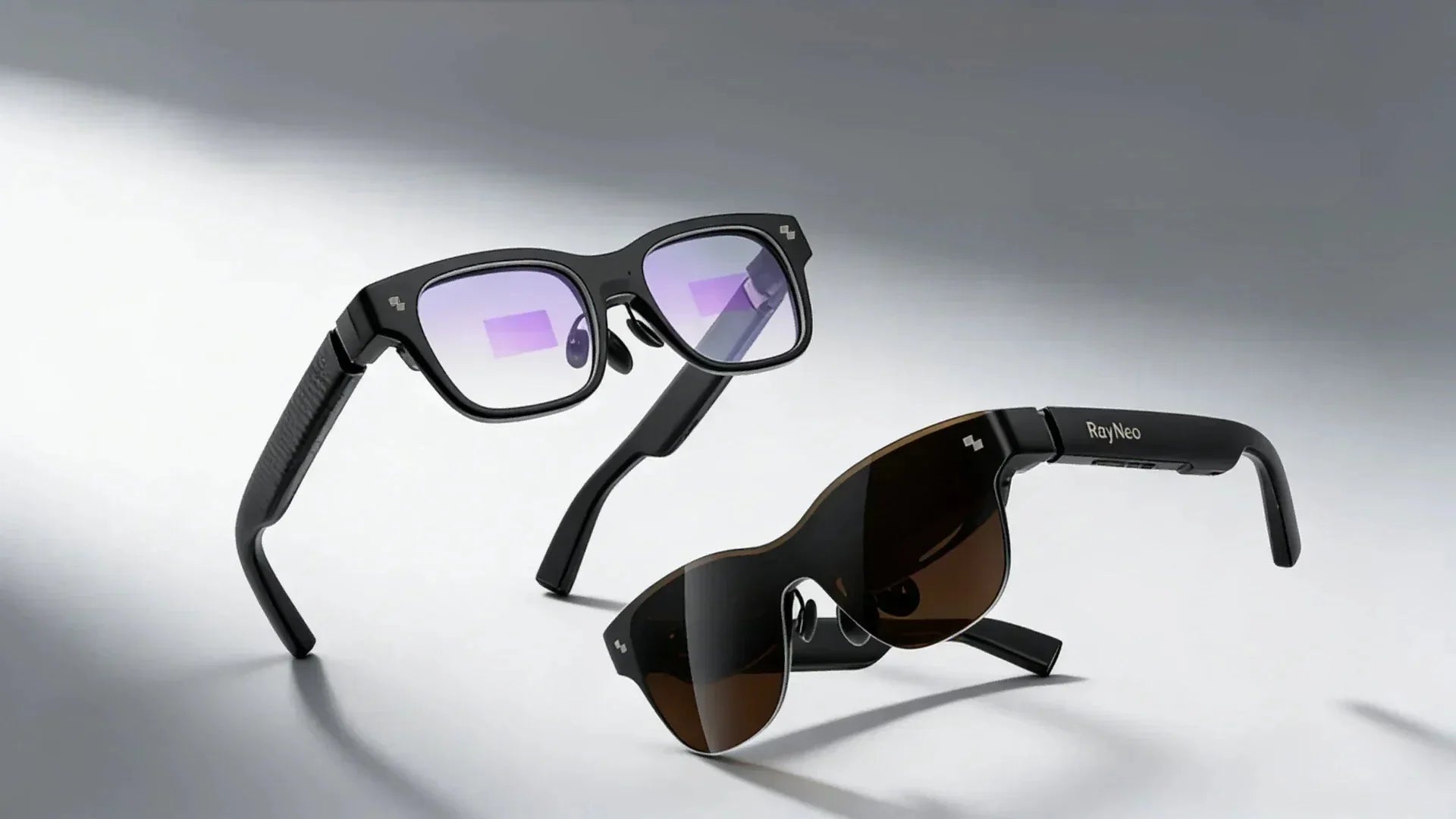
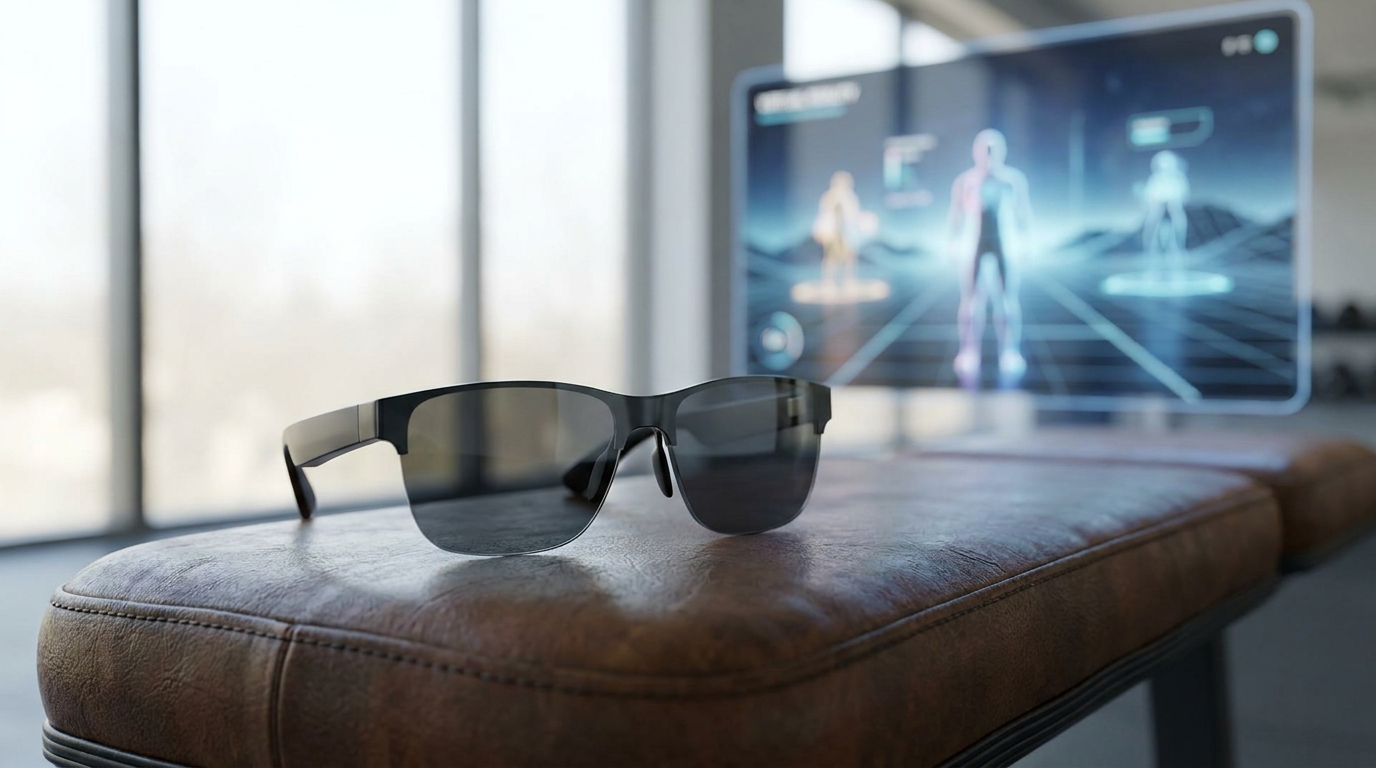
Smart glasses equipped with cameras have surged in prominence this week, presenting a compelling blend of utility and controversy. These devices promise a hands-free conduit to digital interaction, whether recording life's moments, translating real-time conversations, or providing visual navigation cues. Yet, their very nature- a camera perpetually pointed at the world- ignites persistent debates over personal privacy and public perception.
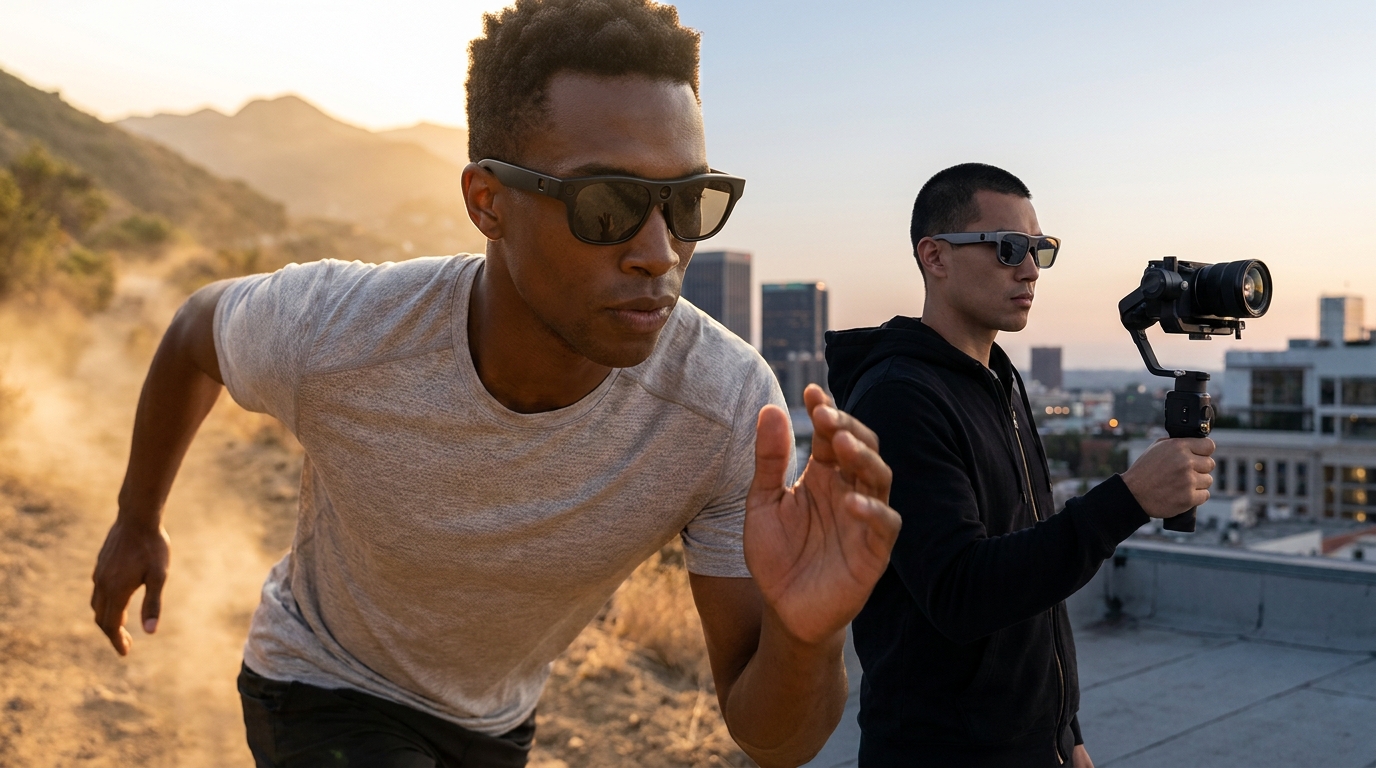
The core appeal lies in their seamless integration into daily life. Users can document experiences without breaking eye contact or fumbling for a phone. Advanced models leverage on-device AI for instant object recognition, live language translation, or contextual information overlays. This capability transforms mundane tasks, offering unprecedented levels of assistance and content creation, from capturing first-person videos to augmented reality applications that enhance the wearer's view of the world.
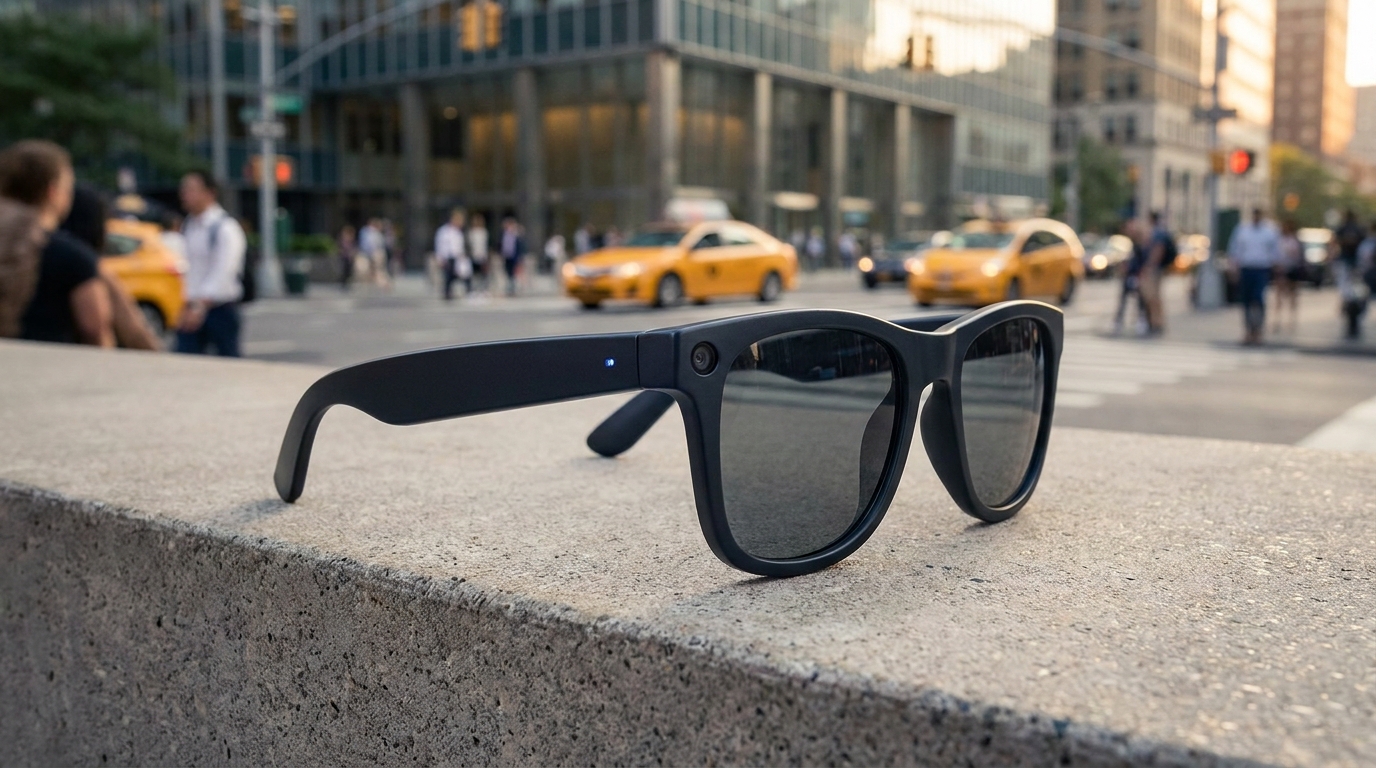
However, the inclusion of a camera necessitates stringent privacy protocols. Public trust remains fragile; early iterations of camera glasses faced significant backlash for perceived surreptitious recording. Modern devices typically employ clear visual indicators- like an LED light- to signal when the camera is active. Transparency in data handling, secure storage, and user-controlled sharing features are non-negotiable for manufacturers aiming to build consumer confidence and broader market acceptance.
Our take: The smart glasses industry must prioritize ethical design and user education. It is insufficient to merely add a recording light; companies must foster an environment where recording is consensual and data stewardship is paramount. Clear communication around a device's capabilities and its limitations is crucial to navigate social expectations and regulatory frameworks.
For those considering camera-equipped smart glasses, evaluate beyond mere megapixel counts. Consider the device's form factor, battery life, and overall ecosystem integration. Crucially, research the manufacturer's commitment to privacy, the clarity of its user policies, and the ease with which camera functions can be managed. The best smart glasses with cameras will empower users without compromising the privacy of those around them.
Source: TCL RayNeo News ↗
Interactive guide — prices, displays, cameras, battery.
Share this story