News · Meta
Smart Glasses Face Fresh Capitol Hill Scrutiny as Samsung Prepares Launch
Lawmakers are questioning whether Meta feeds bystander footage to AI models, just as Samsung readies its own camera frames for release.
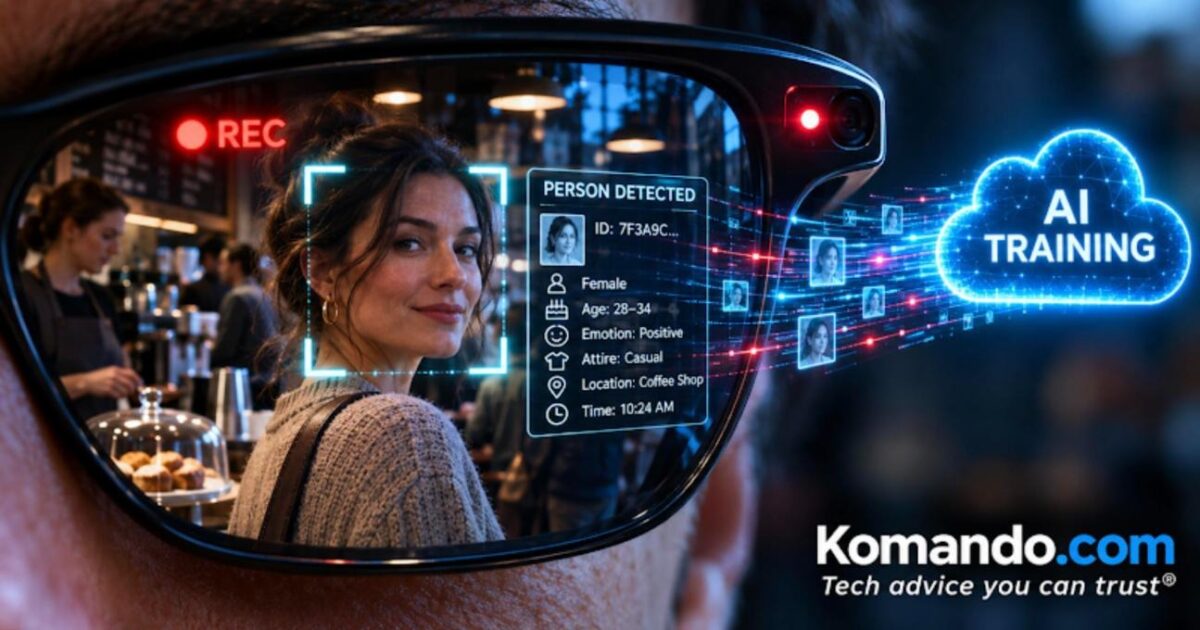
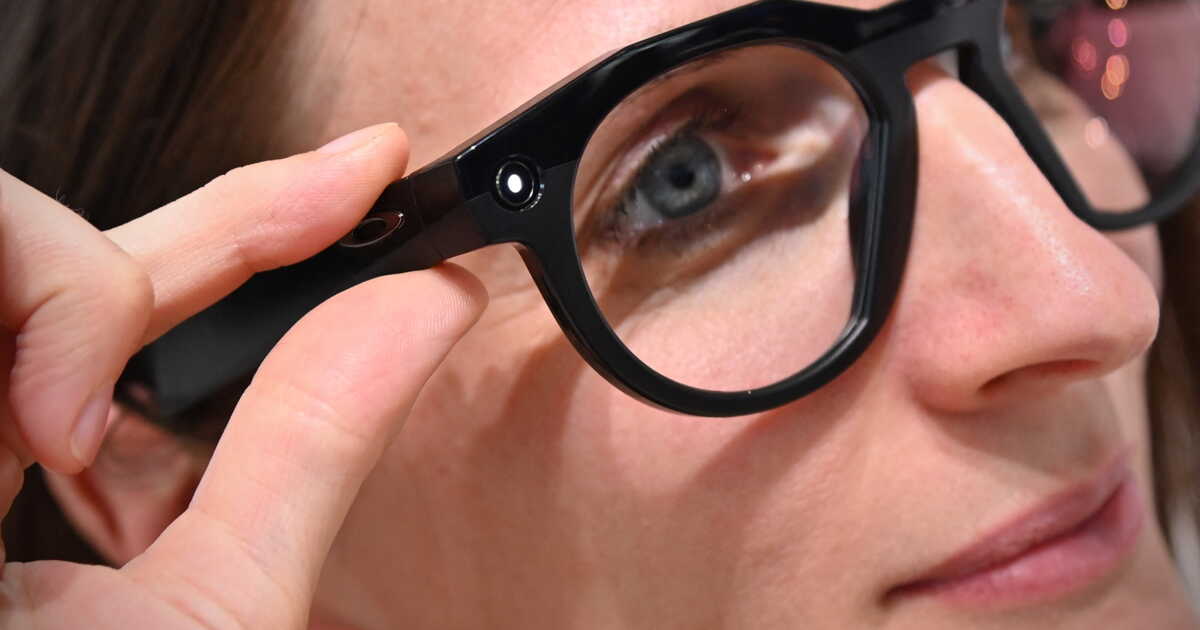
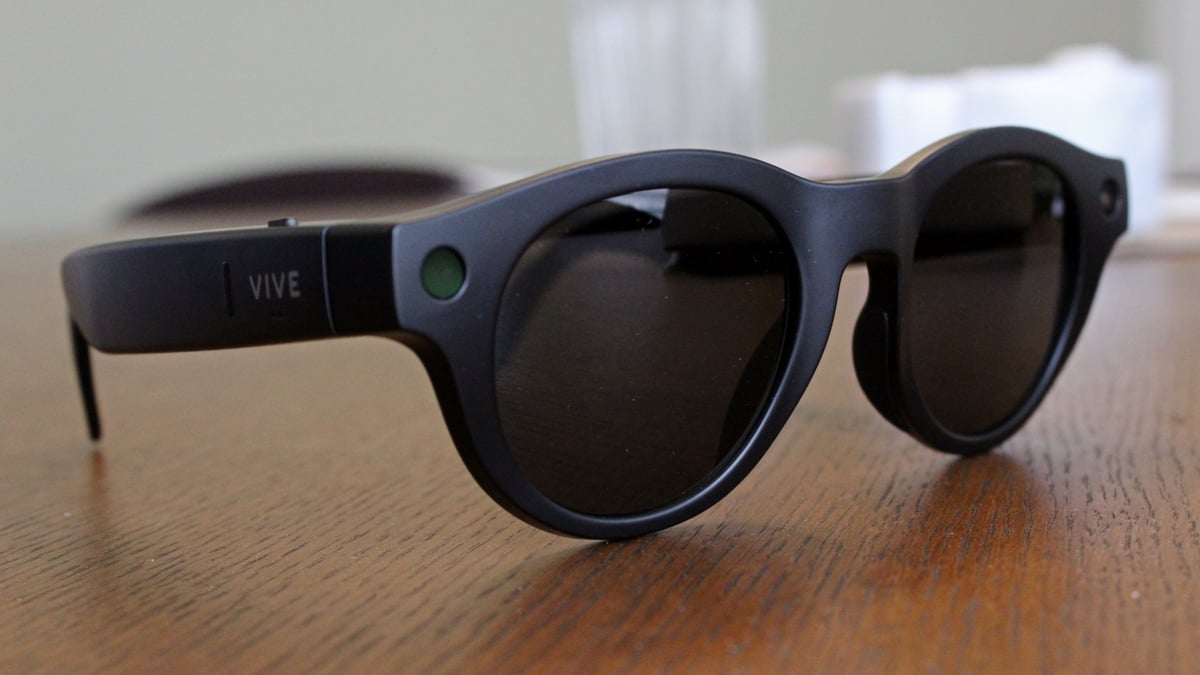
On November 6, 2026, mounting political pressure collided with the rapid expansion of smart eyewear as U.S. lawmakers opened inquiries into how Meta handles visual data captured by its camera frames. According to reporting from komando.com, two U.S. senators are probing whether everyday snapshots and video clips recorded by smart glasses, including imagery of unwitting bystanders, are funnelled into Meta's artificial intelligence training pipelines. The scrutiny comes at a volatile moment for the category, with Samsung reportedly set to launch its own camera glasses in December ahead of the holiday shopping window.
The core controversy centers on non-consensual data ingestion. While wearers choose to put camera-equipped hardware on their faces, the public walking in front of those lenses never opted into being recorded, let alone having their likenesses indexed by machine learning models. As komando.com notes, concerns intensified following reports that overseas contract workers had access to sensitive captured imagery, including individuals in private settings who were unaware they were being filmed. The outlet also highlighted that Meta's smart glasses ecosystem saw explosive growth, moving over 7 million pairs last year.
Hardware makers have long relied on exterior recording LEDs to signal when capture is active. Yet, privacy advocates and regulators argue that a tiny glowing diode is an outdated compromise in an era where on-device multimodal AI can process, describe, and catalog whatever the camera sees in real time. If sensory data streams back to remote server farms to refine foundation models, every stranger caught in a wearer's field of view effectively becomes passive training fuel.
The timing could hardly be more complicated for Samsung. Entering the smart glasses market requires convincing mainstream buyers that head-worn cameras are stylish and socially acceptable. However, debuting a device in December under the shadow of a congressional probe puts Samsung's privacy architecture under an immediate microscope. The South Korean electronics giant will need to clearly articulate where local processing ends, where cloud analytics begin, and whether bystander data is discarded or retained.
What this means: The smart glasses industry is fast approaching the same regulatory reckoning that social media faced a decade ago. For consumers, the immediate recommendation is to audit companion app settings and disable cloud-sharing or AI-training opt-ins whenever possible. For manufacturers, the stakes are existential. If public pushback against ubiquitous facial capture leads to strict local recording bans or legislative mandates, hardware makers will be forced to redesign their optical systems around strict on-device data silos.
Our take: The industry cannot afford to treat bystander privacy as an afterthought. Meta proved that consumer demand for audio and camera glasses is genuine, but social friction remains the single biggest bottleneck preventing smart frames from replacing smartphones. If Samsung wants its upcoming December launch to succeed, it must out-engineer Meta on transparency. That means verifiable hardware kill-switches, clear on-device processing guarantees, and an explicit promise that strangers on the street will never train corporate neural networks.
Interactive guide: prices, displays, cameras, battery.
Share this story