Manufacturer News · Samsung
Samsung Smart Glasses Move Closer to Launch as Wearable Timeline Accelerates
Recent industry reporting suggests Samsung is speeding up development on its first pair of AI smart glasses, positioning the Galaxy maker to challenge Meta head-on.
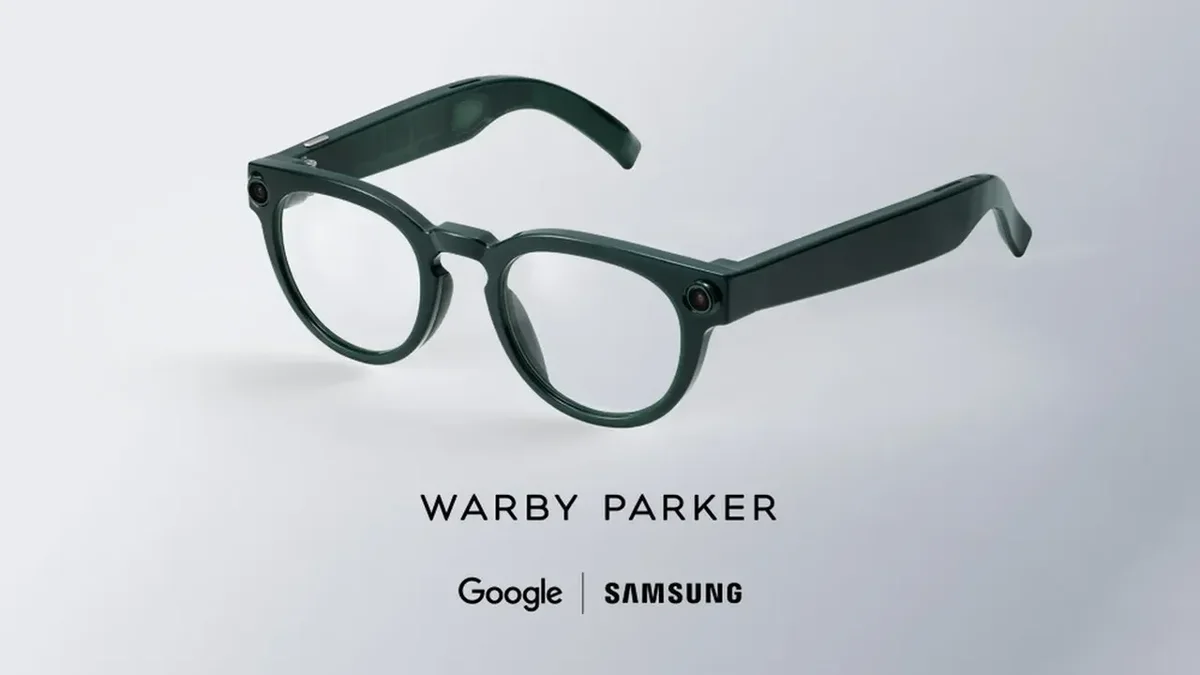
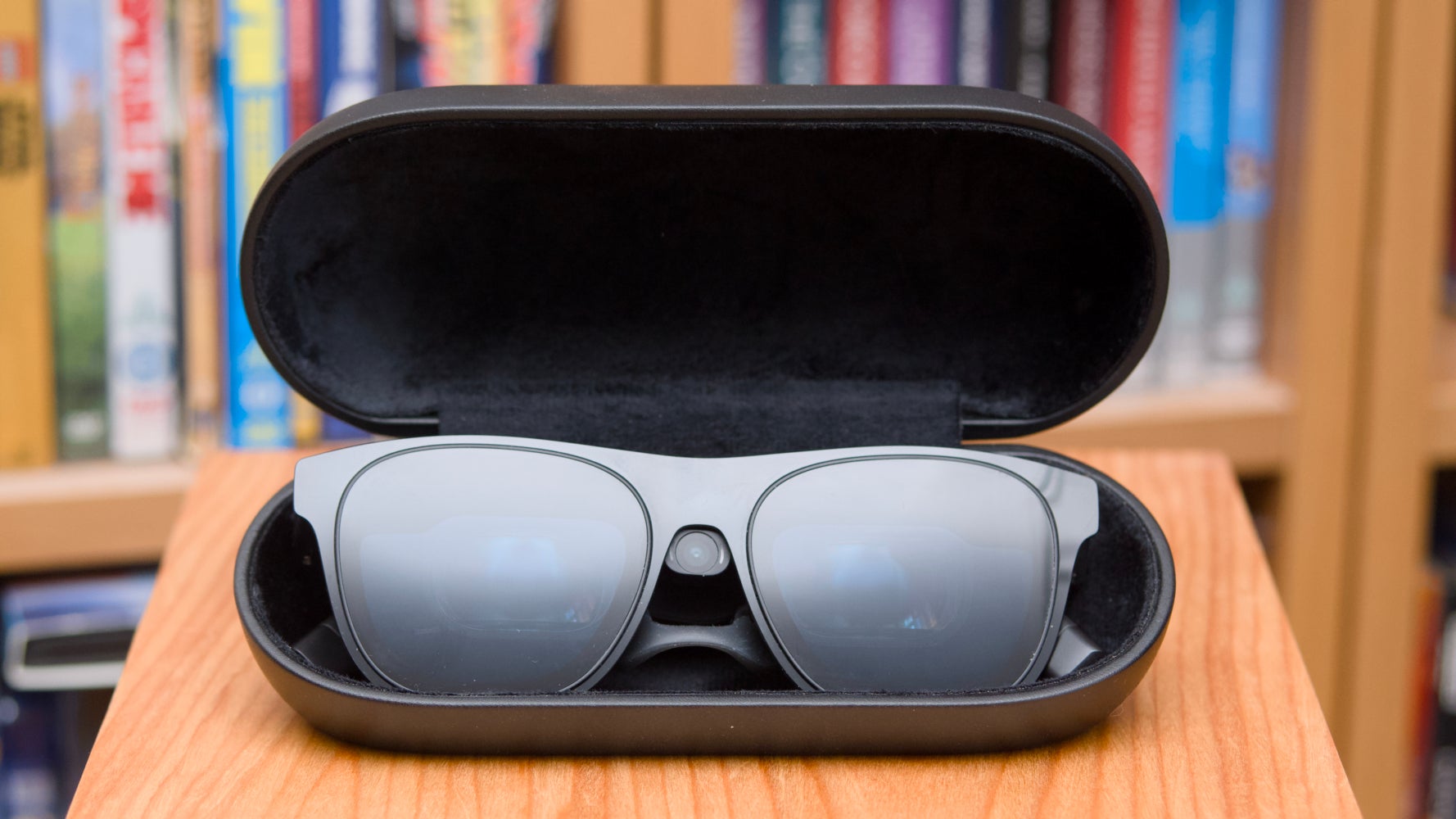
Reported this week by phonearena.com, Samsung appears to be accelerating the rollout of its first dedicated smart glasses, with the wearable slated to arrive sooner than industry watchers originally anticipated. According to phonearena.com journalist Mariyan Slavov, the South Korean electronics giant is shifting into higher gear following earlier prototype demonstrations of its intelligent eyewear technology, aiming to carve out an early position in the fast-moving AI eyewear category.
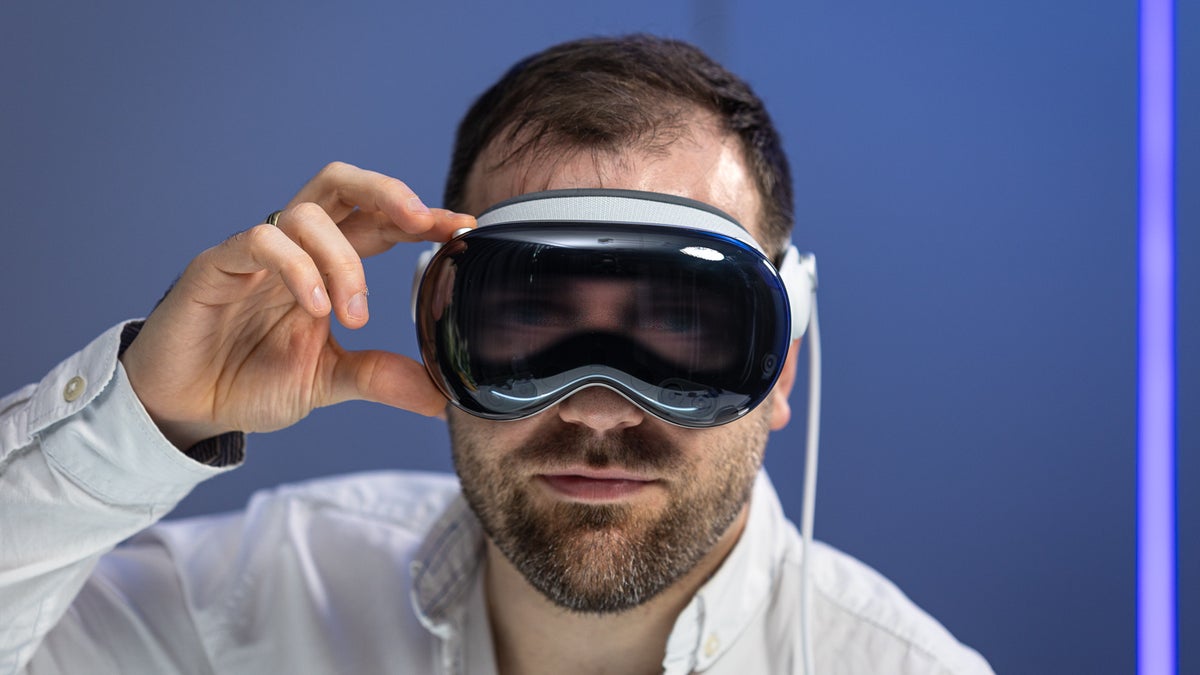
The acceleration reflects a broader pivot across the tech industry. Samsung previously confirmed multi-year collaborations with Google and Qualcomm to develop mixed-reality hardware and software. While initial expectations centered around an Apple Vision Pro style spatial computing headset, consumer enthusiasm over the past year has swung decisively toward lightweight, everyday frames. High price tags, neck fatigue, and social isolation have hampered full-scale headsets, whereas audio-and-camera glasses have found legitimate mainstream adoption.
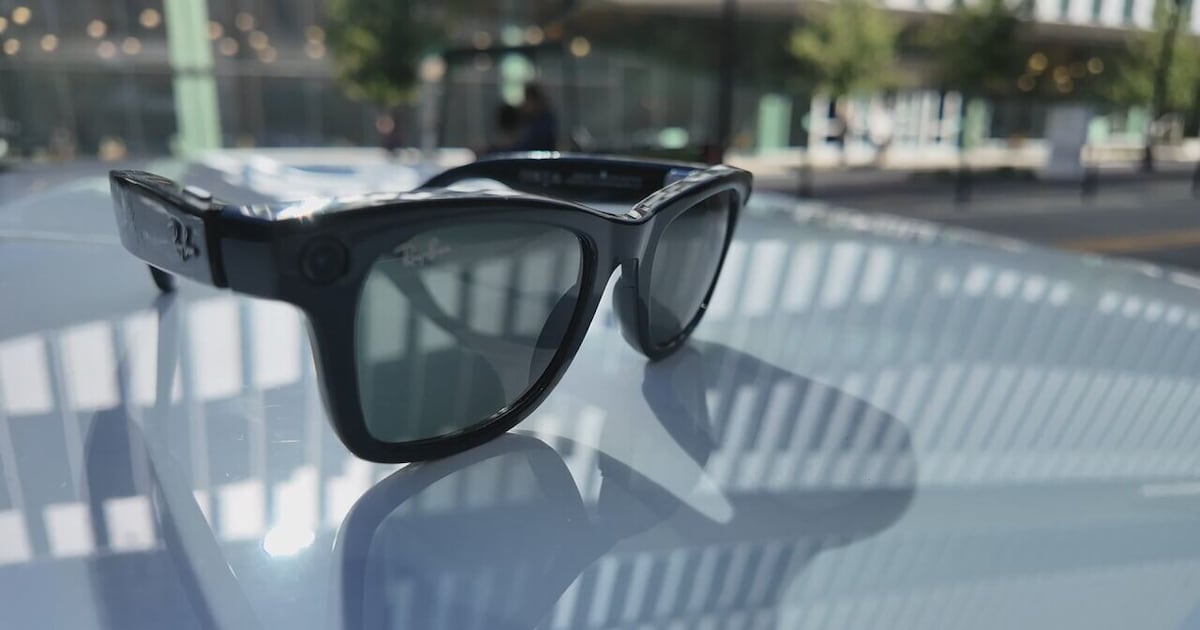
To make smart eyewear viable for daily wear, Samsung is expected to borrow from the playbook established by the Ray-Ban Meta series. That means skipping heavy waveguide displays on its entry model in favor of an ultralight frame equipped with high-resolution image sensors, directional open-ear speakers, multi-microphone arrays, and deep integration with mobile AI. Leveraging Google's Gemini multimodal models alongside Qualcomm's Snapdragon AR platforms would allow Samsung users to query what they see, capture point-of-view media, and receive discreet turn-by-turn navigation or notifications without constantly reaching for their smartphone.
How it compares: Meta currently dominates the lightweight AI glasses market with a starting price of $299, relying on fashion partnerships with EssilorLuxottica to make smart frames socially acceptable. Meanwhile, competitors like Even Realities have introduced monochrome heads-up displays for text prompts, and XREAL targets tethered entertainment displays. For Samsung to stand out, it must solve the critical hardware bottlenecks: achieving full-day battery life, maintaining frame weight below 50 grams, and delivering prescription lens options at launch through established optical partners rather than treating vision correction as an afterthought.
What this means: Samsung cannot afford to let Meta and Apple lock up ambient computing. Having successfully rounded out its health portfolio with the Galaxy Ring, face-worn hardware represents the next major interface for personal intelligence. By accelerating its schedule, Samsung is signaling that the era of wearable AI assistants is moving from peripheral experimentation to flagship reality. If Samsung nails the industrial design and leverages the global reach of its Galaxy ecosystem, this upcoming device could provide Android users with their first true alternative to Meta's head start.
Interactive guide: prices, displays, cameras, battery.
Share this story