Manufacturer News · Samsung
Samsung and Google Reveal Intelligent Eyewear to Challenge Meta
Weighing just 41 grams and powered by Gemini, Samsung's new Gentle Monster collaboration promises nine hours of battery life and multimodal AI assistance.
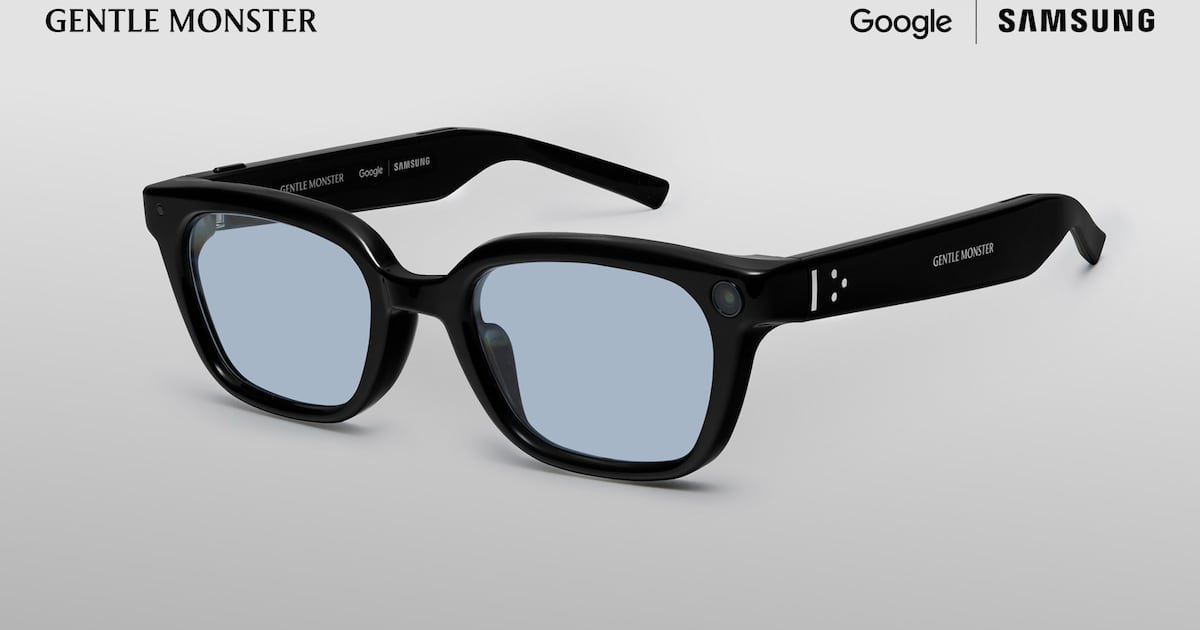
On November 12, 2026, Samsung Electronics opened pre-orders for its long-awaited AI glasses, officially branded as Intelligent Eyewear. Developed in partnership with Google and South Korean designer label Gentle Monster, the lightweight frames represent the Android ecosystem's most direct counteroffensive yet against Meta's dominance in smart eyewear. The device officially hits retail shelves in South Korea and the United States on December 10, following an exclusive demonstration event held earlier in the week on Wall Street in Manhattan.
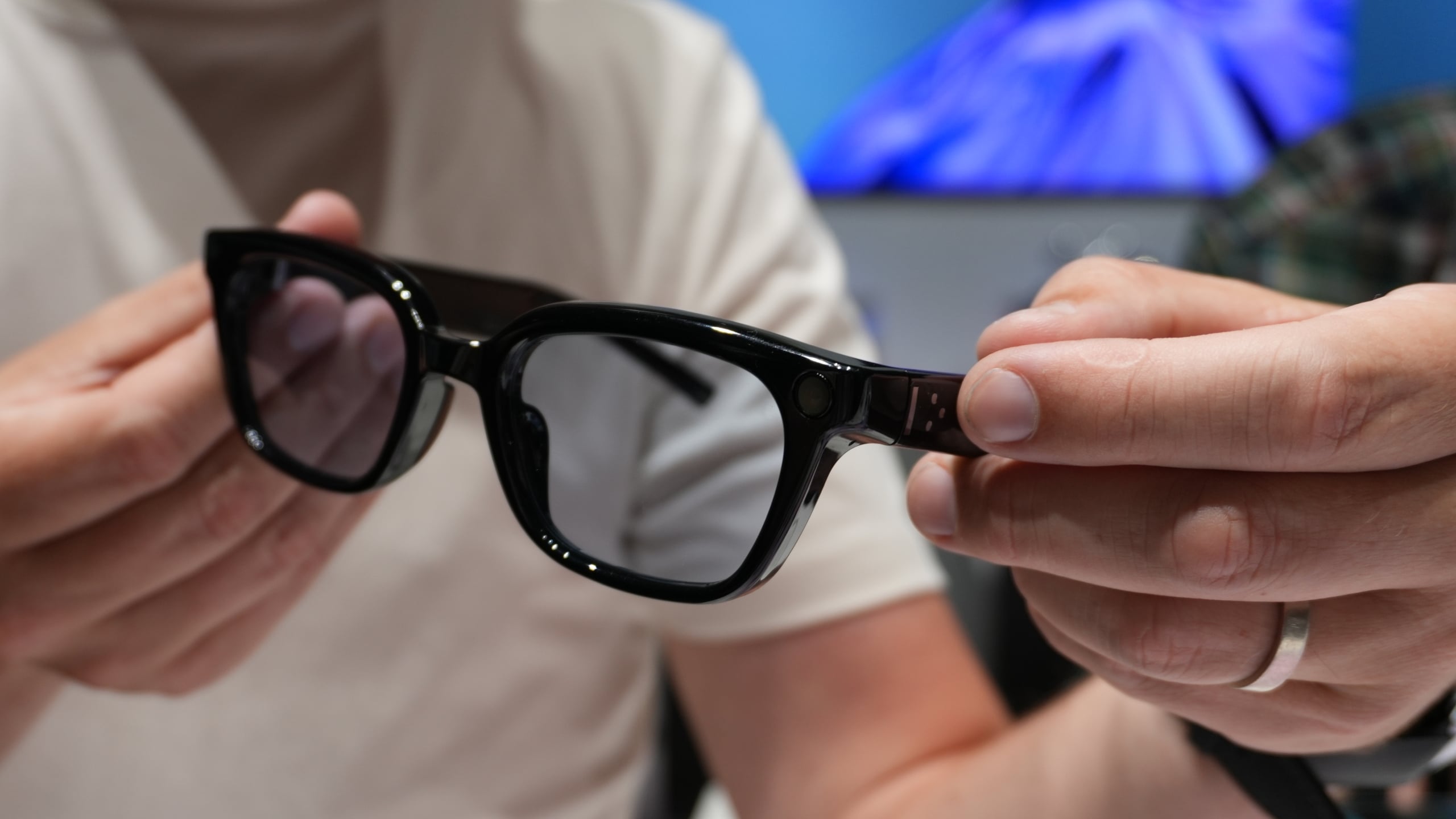
Hardware specifications reveal a sharp focus on daily wearability. The frames weigh roughly 41 grams, housing a 12-megapixel camera, two open-ear speakers, a four-microphone array, and an integrated battery rated for up to nine hours on a single charge. Rather than attempting bulky optical displays, the glasses rely entirely on audio feedback and voice interaction driven by Google's Gemini assistant, turning the device into an always-on, multimodal sensor suite.
According to reporters Kim Sung-mo and Park Ji-min of chosun.com, wearing the hardware felt akin to having "another brain" on hand. During hands-on trials in New York, the outlet observed the glasses providing immediate Korean translations through the embedded speakers when prompted by a Chinese speaker in Mandarin. The system demonstrated smooth multimodal processing across everyday tasks: identifying Spanish food packaging to explain its contents, pointing out local taco joints upon request, reading Japanese recipe books aloud to explain how to prepare curry, and generating step-by-step dumbbell workouts simply by looking at gym equipment.
Crucially, chosun.com observed that the entire workflow unfolded without needing to pull out a smartphone. The onboard 12MP sensor feeds continuous visual context into Gemini, allowing users to issue follow-up questions organically.
How it compares:
At 41 grams, Samsung has managed to match the form factor of conventional luxury acetate frames while shaving critical grams off typical smart frames. For comparison, the Ray-Ban Meta glasses weigh roughly 49 to 50 grams depending on the style and offer about four hours of mixed-use battery life. If Samsung and Google can genuinely deliver nine hours of runtime in real-world conditions, they will have solved one of the sharpest pain points in ambient computing. Gentle Monster's involvement also ensures the design sidesteps the geeky aesthetic traps that doomed earlier tech-first smart glasses.
What this means:
This launch signals the real beginning of the platform war for smart eyewear. Meta proved consumers want stylish audio and camera frames with conversational AI, but Google and Samsung bring deep integration with Android services, Google Maps, and localized search data that Meta still struggles to match natively. The decision to skip optical displays keeps the weight and thermal profile down, making this a pure contest of assistant utility, audio clarity, and industrial design. If Gemini executes on its low-latency visual promise, Samsung may have found the blueprint for mass-market adoption.
Interactive guide: prices, displays, cameras, battery.
Share this story