Manufacturer News · Rokid
Rokid Style Ditches the Display for 38-Gram AI Glasses
Rokid strips out the waveguide optics to deliver an ultralight, voice-first camera frame directly aimed at everyday prescription wearers.
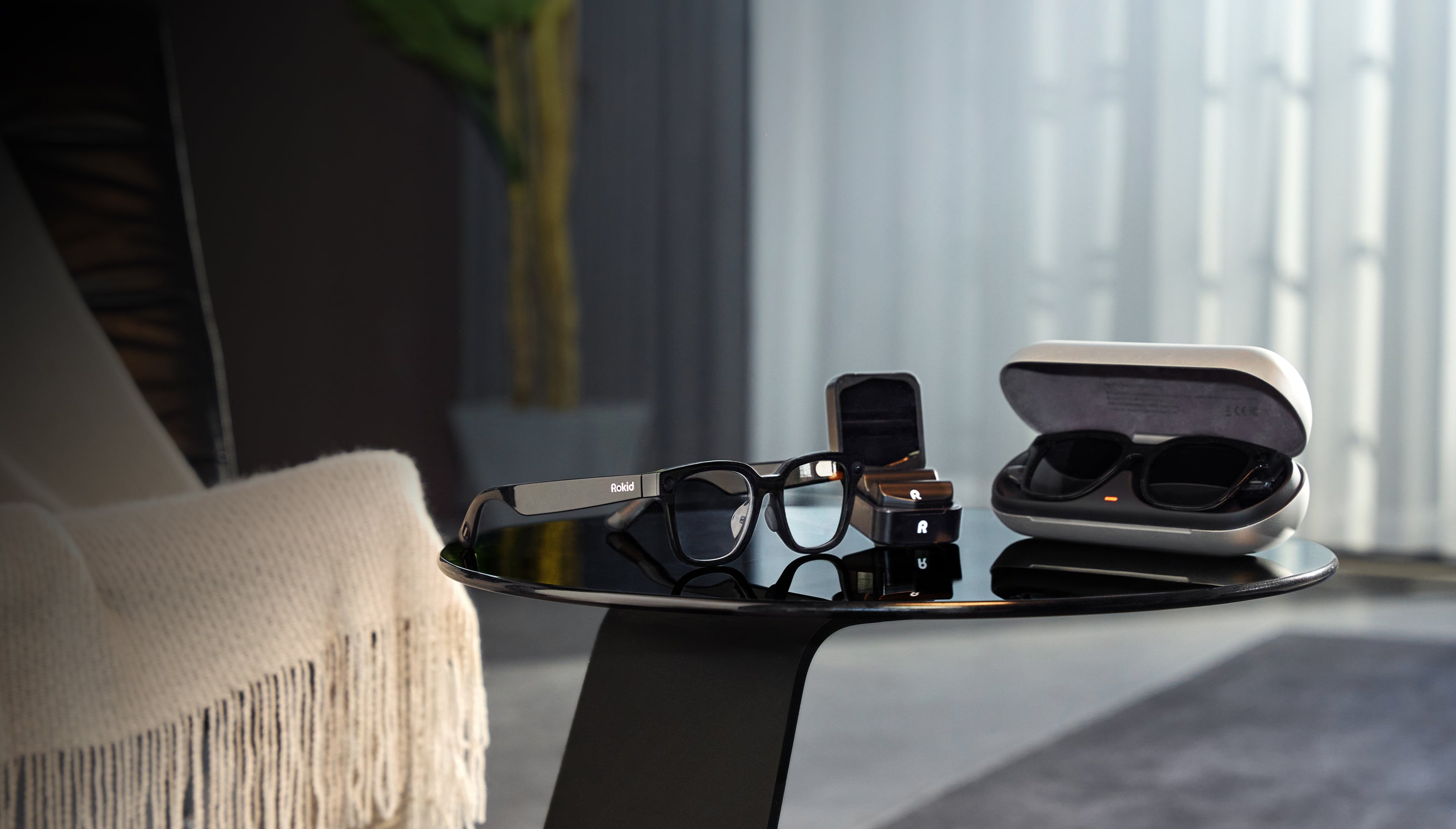
This week at CES, Rokid introduced the Rokid Style, marking a distinct strategic pivot for the augmented reality hardware maker. Rather than packing micro-OLED displays or waveguide optics into the frame, the company has opted for a screenless, voice-first architecture. The result is an ultralight wearable weighing just 38.5 grams, designed specifically to tackle the daily comfort issues that continue to plague heavier smart eyewear.
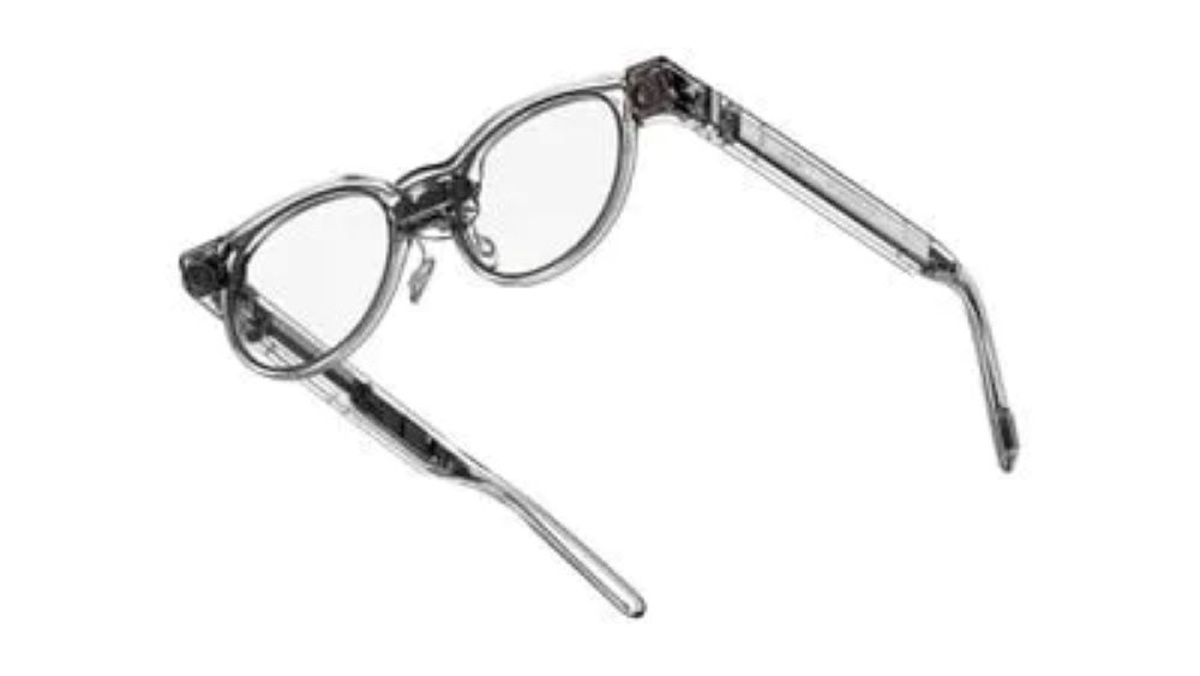
The hardware design leans heavily into traditional optical aesthetics to ensure normal daily wearability. Built with a classic D-shaped silhouette, the frame features aviation-grade titanium alloy hinges and liquid silicone nose pads. Under the hood, a dual-chip architecture powers the system, which Rokid states can deliver up to 12 hours of typical daily usage and more than 24 hours of standby time on a single charge. Color options will include Jet Black and Translucent Gray.
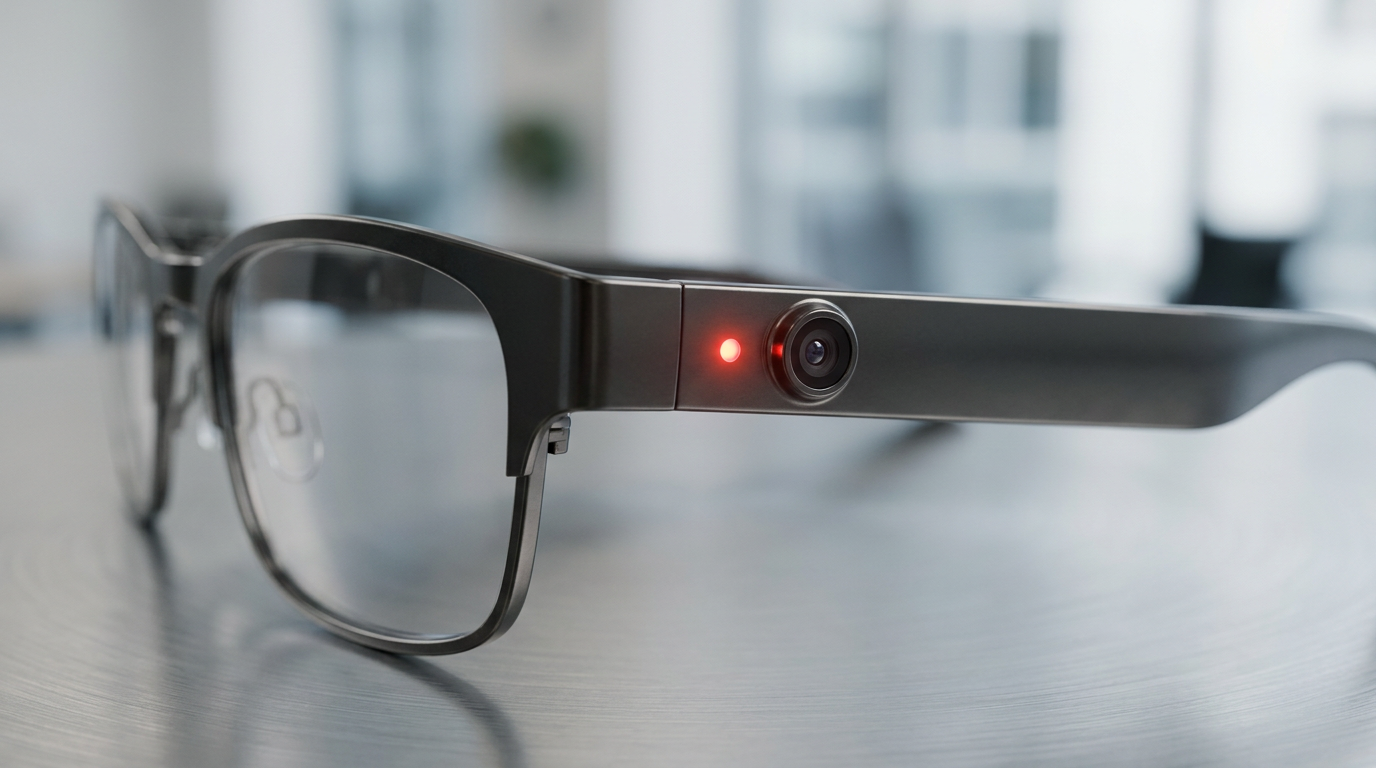
On the capture and media front, the frame houses a 12-megapixel Sony sensor paired with an open-ear speaker setup. The camera supports shooting across three native aspect ratios (3:4, 4:3, and 9:16) and can record video at up to 4K resolution, capped at a maximum of 10 minutes per single capture session. The open-ear audio array handles general media playback, voice calls, and acoustic prompts from connected artificial intelligence services.
Rather than treating prescription optics as an afterthought, Rokid is deploying a prescription-first fulfillment model. The company's new global optical platform supports vision correction ranging from plano up to ±15.00 diopters, covering myopia, astigmatism, presbyopia, and progressive setups. Buyers can choose functional coatings spanning anti-reflective, polarized, UV, and blue-light filtering, along with dynamic photochromic lenses in six tint options that transition outdoors in roughly 25 seconds. Rokid claims custom prescription orders will reach customers within 7 to 10 days.
For intelligence, Rokid is bypassing single-vendor lock-in by opting for an open ecosystem. The glasses support multiple large language models, including OpenAI's ChatGPT, DeepSeek, and Alibaba's Qwen. Software integration also hooks directly into familiar utility platforms, embedding Google Maps for turn-by-turn auditory directions and Microsoft AI Translation for live cross-language conversations on the go.
Pricing starts at $299 for the standard frame, aligning the device directly against category leaders. A higher-tier Premium Bundle costs $398, bundling the glasses with 1.60 index prescription lenses and photochromic treatments. Reservations are currently open with a $1 deposit offering a $20 early-bird discount, with the official global online release scheduled for January 19.
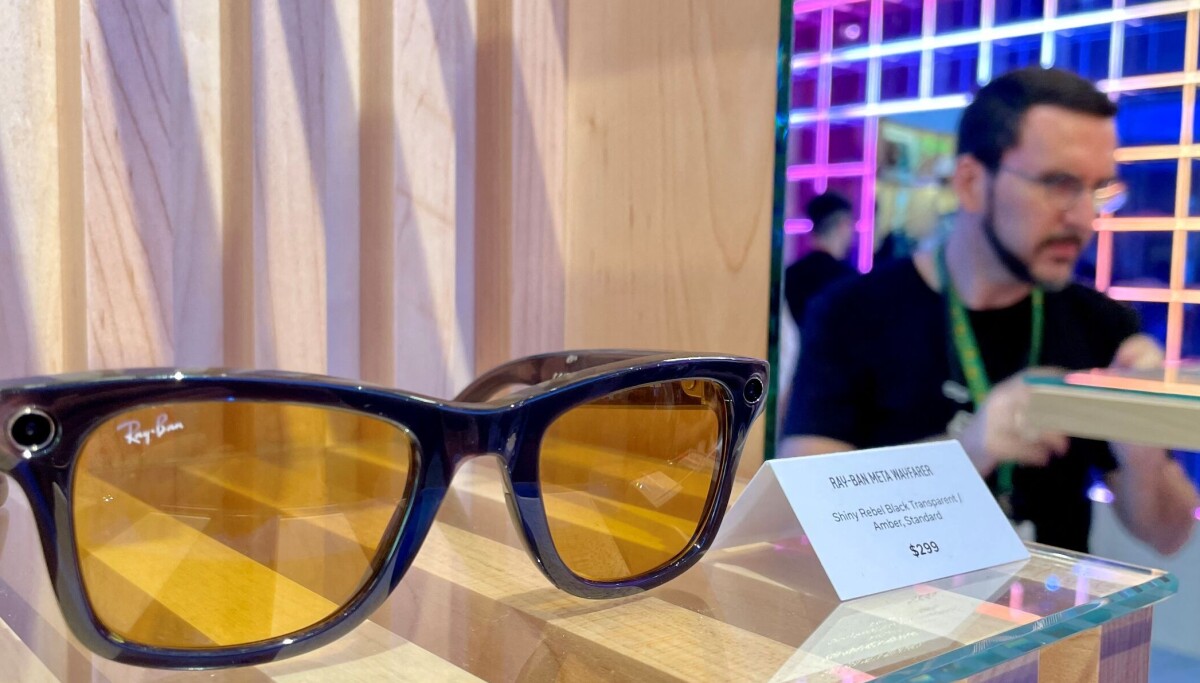
Our take: Rokid's decision to bypass the screen entirely is a pragmatic acknowledgment of where consumer smart glasses actually succeed today. Ever since the Ray-Ban Meta glasses proved that lightweight audio-and-camera hardware resonates far better with mainstream buyers than bulky micro-displays, hardware manufacturers have rushed to match that form factor. By delivering an open AI model stack, 4K recording, and an aggressive prescription fulfillment pipeline at a competitive $299 price, Rokid has built a compelling alternative for users who want modern AI assistance without the weight of an optical engine.
Interactive guide: prices, displays, cameras, battery.
Share this story