Reviews · Rokid
Rokid AI Glasses Win Praise for Speech Prompter and Live Translation
A long-term field report reveals how heads-up teleprompting and crisis translation turned Rokid AI Glasses into an essential daily tool.
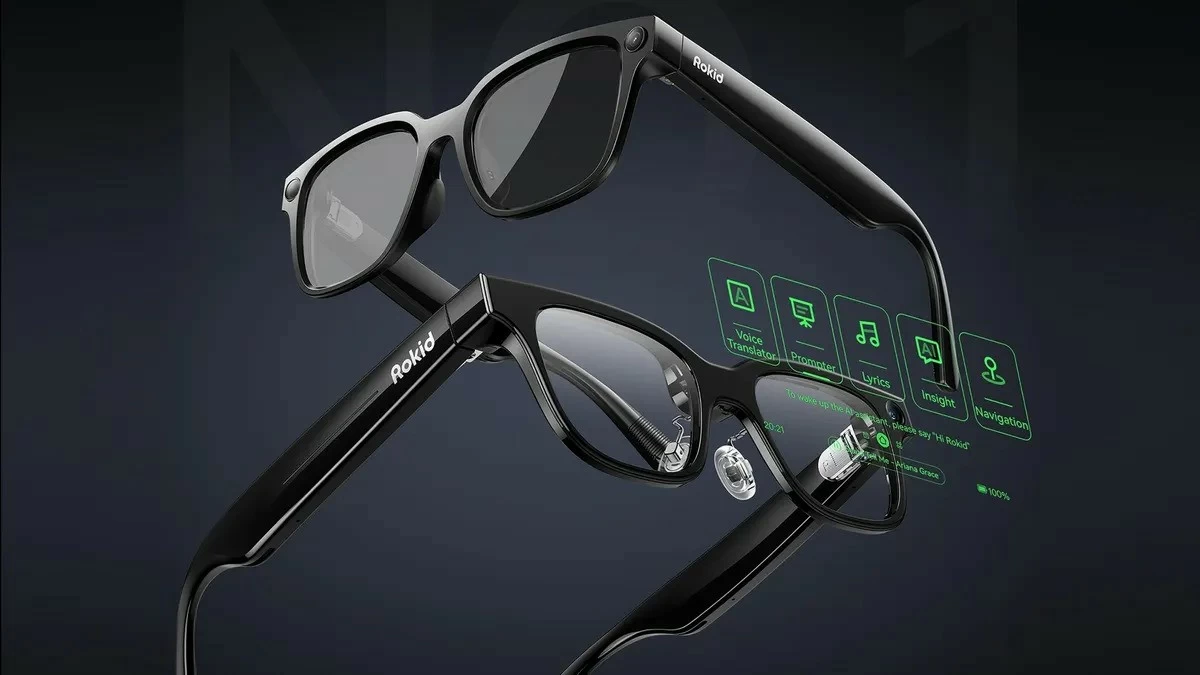
In a detailed evaluation published on November 6, 2026, mb.com.ph declared the Rokid AI Glasses to be a standout piece of hardware, describing them as the author's best tech purchase to date. Rather than pointing to raw processing muscle or extreme optical specs, the outlet explained that the device earned that distinction through practical utility: fitting effortlessly into everyday routines while reducing the urge to constantly pull out a smartphone.
According to mb.com.ph, the most transformative single feature in regular use is the integrated teleprompter. When delivering addresses on technology and cybersecurity, the reviewer found that having prepared notes float naturally within the line of sight eliminated the need to look down at handheld devices or podium screens. Crucially, the system includes a smart-scroll function that dynamically matches the speaker's vocal pace, allowing natural audience engagement while keeping complex data and names accurate.
The glasses also proved their worth in far more stressful conditions. As mb.com.ph reported, the writer found themselves stranded in Karachi, Pakistan, during rapidly developing regional conflict. In that scenario, live translation ceased being a neat tech demonstration and became an operational necessity, allowing the wearer to follow breaking Urdu news reports and local interactions in real time without fumbling with a handheld translation app.
Beyond high-stakes scenarios, the outlet highlighted general daily conveniences, including taking phone calls, snapping quick photos, and presenting slides hands-free. The overarching argument from mb.com.ph is that smart eyewear succeeds not when it tries to replace a computer, but when it removes friction from the moments where checking a phone disrupts real-world presence.
Our take: This real-world account underscores a critical divergence in the smart eyewear market. While audio-only frames like Meta's Ray-Ban line dominate casual lifestyle sales, devices equipped with subtle monocular or binocular heads-up displays, such as Rokid's hardware or the Even Realities G1, serve a much sharper professional purpose. A teleprompter that tracks cadence directly solves a genuine friction point for presenters, educators, and executives.
What this means: The enterprise and productivity path for lightweight smart glasses does not require complex spatial computing or heavy 3D rendering. As Rokid demonstrates here, clean text injection, intelligent audio processing, and reliable translation deliver immediate return on investment. If hardware makers can keep frame weights down while refining these targeted micro-applications, wearable displays will quickly shift from tech-enthusiast novelties into essential professional gear.
Interactive guide: prices, displays, cameras, battery.
Share this story