Guides · TCL RayNeo
Real-Time Translation: How Smart Glasses Break Language Barriers
Real-time translation is a killer app for smart glasses, promising seamless global communication. We break down the technology, essential features, and what to consider when choosing a pair for travel, work, or daily use.
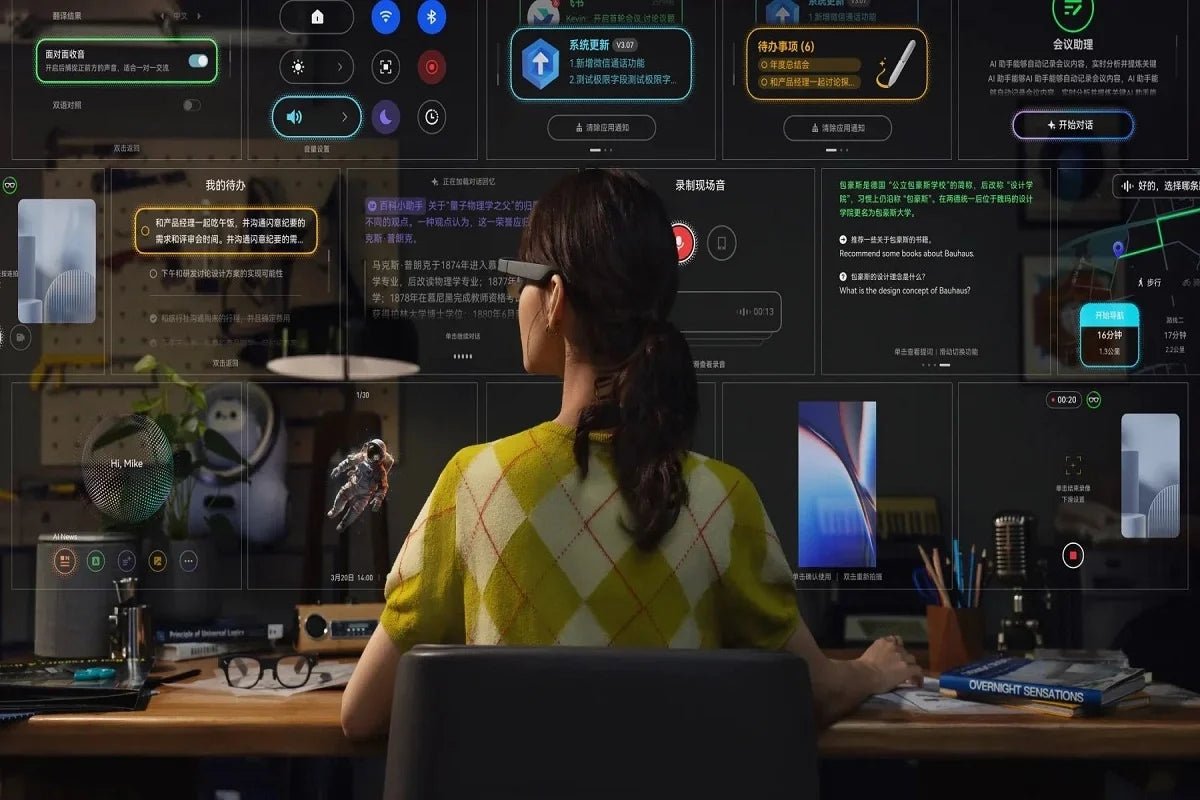
Smart glasses are carving out a compelling niche in real-world utility, and real-time language translation stands as a prime example. This week, TCL RayNeo News highlighted the growing demand for smart eyewear capable of breaking down language barriers, positioning translation as a key feature for travelers, professionals, and daily communicators.
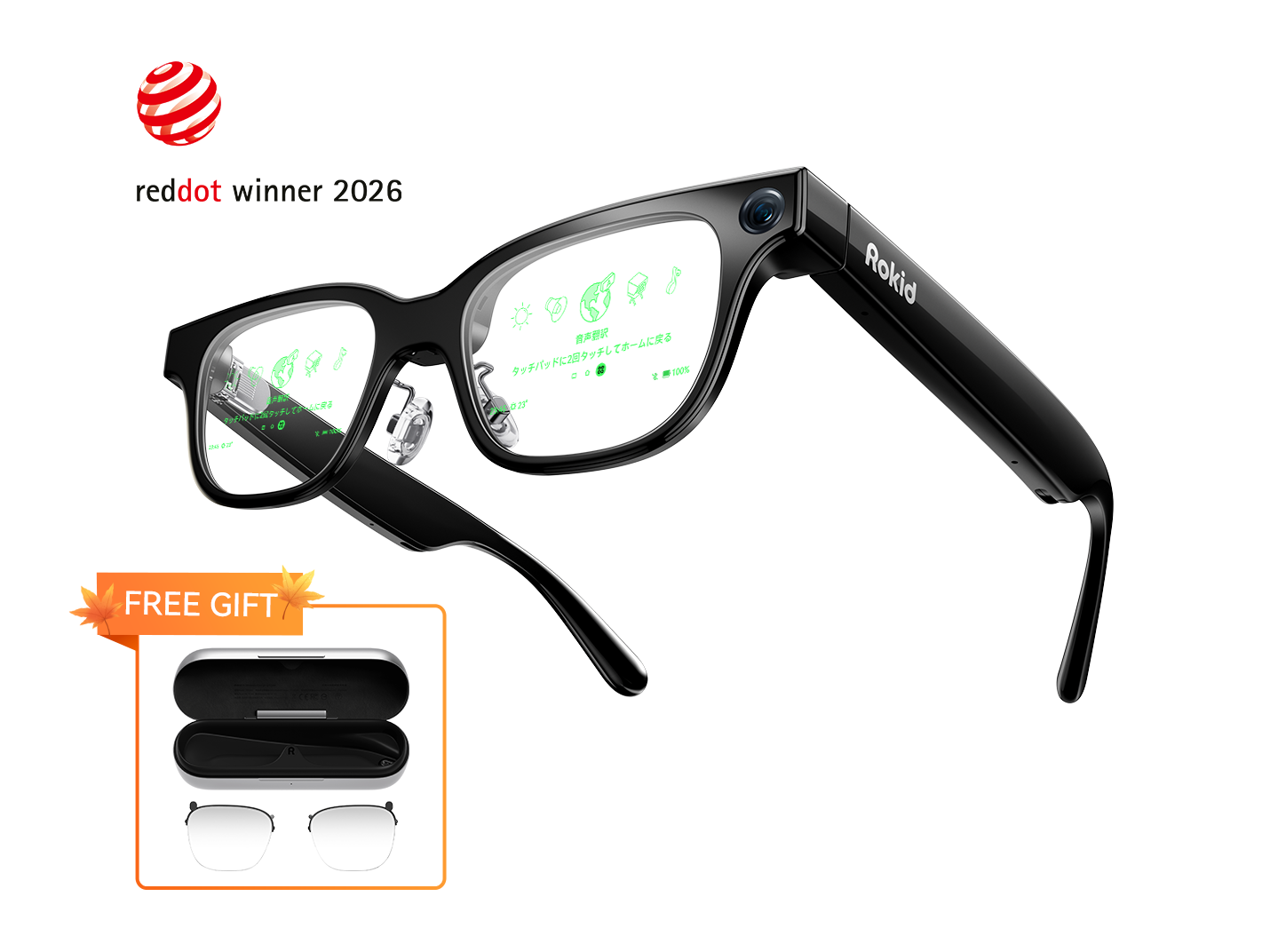
At its core, real-time translation in smart glasses leverages an array of integrated technologies. Microphones capture spoken language, which is then processed by an onboard AI or sent to a cloud-based server for translation. The translated output can be delivered via bone-conduction audio, traditional earphones, or even as text overlaid onto the user's field of vision, appearing as digital captions in real-time.
Prospective buyers should prioritize several features. Accuracy and ultra-low latency are paramount for natural conversation flow. Broad language support, robust battery life for extended use, and a comfortable, discreet form factor are also critical. Some advanced models may offer offline translation capabilities, reducing reliance on internet connectivity.
The applications for translation smart glasses are diverse. For international travel, they can facilitate smoother interactions with locals and navigate foreign environments. In professional settings, they enable clearer communication during multi-lingual meetings or presentations. Daily users might find value in casual conversations with non-native speakers, making social interactions more inclusive. TCL RayNeo, for example, is actively developing solutions in this space, aiming to enhance these use cases.
Our take: While the promise of universal translation is immense, the technology is still maturing. Early implementations show significant potential, but challenges remain in achieving perfect contextual accuracy and eliminating latency entirely. As AI models become more sophisticated and hardware shrinks, we anticipate a future where language barriers truly dissolve through everyday eyewear, transforming how we interact globally.
Interactive guide — prices, displays, cameras, battery.
Share this story